
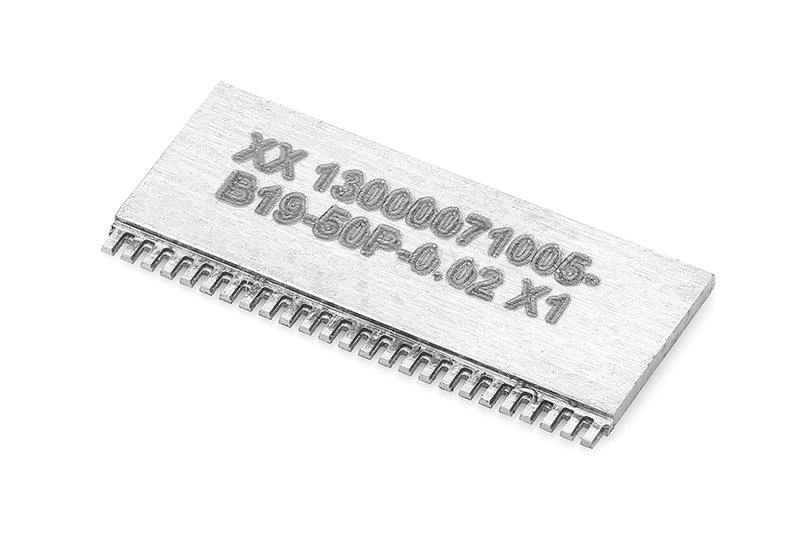
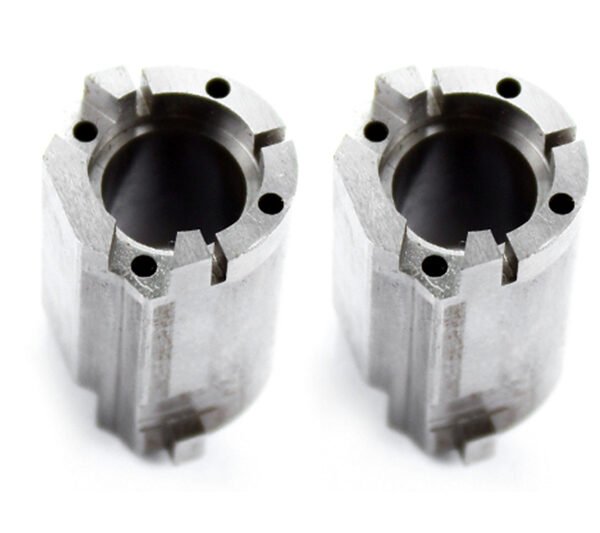
Plastic film parts · Precision mold insert
Board to Board, FPC, RF Mold Parts High-Precision Connector Components Board to board, FPC,RF mold parts
Brand Xuxiang Mold
Availability Made to drawing
RFQ pricing
Quote from STEP / PDF & quantity
Enhance your RF and high‑density electronics with precision‑engineered Board to board, FPC,RF mold parts designed for stable, low‑loss signal transmission. These components integrate board‑to‑board connectors, FPC interfaces, and RF‑optimized molded parts to support compact layouts without sacrificing performance. Ideal for OEMs and EMS providers, they help streamline assembly, improve reliability, and reduce wiring complexity in demanding applications. From consumer devices to industrial and automotive systems, each part is manufactured for consistent fit and long‑term durability. Choose them as the foundation of your next high‑frequency, space‑constrained design.
- ISO 9001:2015–oriented process & documented inspection paths
- Zeiss / Nikon class metrology available for critical dimensions
- DFM feedback from 10+ senior tooling engineers
- Dongguan HQ + Quanzhou capacity for volume programs
High‑Precision Board to Board, FPC, RF Mold Parts for Modern Electronics
As electronic systems become smaller, faster, and more integrated, the way you connect PCBs, flexible printed circuits, and RF modules is critical. Our Board to board, FPC,RF mold parts range is engineered to provide robust electrical connections and mechanical support in a compact footprint, helping designers realize high‑density layouts without compromising signal integrity.
These components combine three core connection technologies—board‑to‑board, FPC (Flexible Printed Circuit) interfaces, and RF‑optimized molded parts—into a cohesive solution platform. They are ideal for manufacturers who demand reliable, repeatable performance in applications where vibration, temperature variation, and limited space are constant challenges.
What Are Board to Board, FPC, RF Mold Parts?
This product category refers to a family of connector components and precision molded parts that work together to interconnect:
- Rigid PCB to rigid PCB (board‑to‑board)
- Flexible printed circuits (FPC) to rigid PCBs
- RF modules, antennas, and high‑frequency signal paths through specialized molded structures
Board‑to‑board connectors create a direct, compact electrical path between two circuit boards, allowing you to stack or align boards without bulky cabling. FPC connectors link flexible printed circuits—which can bend and fold—into rigid boards, enabling creative mechanical designs in tight spaces. RF mold parts are precision‑molded housings and structures engineered to support and protect RF connectors and signal lines, helping maintain controlled impedance and stable alignment.
Together, these parts form the backbone of many modern electronic assemblies, including smartphones, automotive control modules, industrial controllers, IoT devices, and RF communication equipment.
Key Features & Benefits
- High‑density interconnect capability: Compact footprints and fine pitches support the tight layouts common in portable and embedded electronics, freeing space for additional functionality.
- Reliable FPC integration: FPC connectors are optimized for flexible printed circuits, supporting repeated insertion cycles while maintaining stable contact pressure and mechanical retention.
- RF‑optimized molded structures: RF mold parts provide mechanical support and environmental protection around RF connectors, cables, and components, helping to preserve signal integrity at high frequencies.
- Mechanical robustness: Thoughtful housing and terminal design help resist vibration, shock, and handling stress, which is especially important in automotive, industrial, and handheld devices.
- Streamlined assembly: Board‑to‑board and FPC solutions reduce the need for discrete wiring harnesses, simplifying assembly processes and lowering the risk of wiring errors.
- Design flexibility: A broad mix of orientations, stack heights, and mating styles supports varied mechanical configurations, from slim consumer devices to rugged industrial modules.
- Consistent quality: Precision molding and controlled contact geometry help ensure repeatable performance, reducing rework and field failures.
Specifications & Key Attributes
The table below summarizes typical characteristics and selection criteria for board‑to‑board connectors, FPC interfaces, and RF mold parts in this family. Actual values depend on the exact series and configuration you select.
| Attribute | Description | Typical Options / Notes |
|---|---|---|
| Connection type | Board‑to‑board, board‑to‑FPC, RF interface support | Stacking, mezzanine, coplanar, FPC ZIF/Non‑ZIF, RF module docking |
| Application focus | High‑density digital, mixed‑signal, and RF assemblies | Consumer, automotive, industrial, telecom, IoT |
| Pitch & form factor | Fine‑pitch, space‑saving layouts | Various pitches and stack heights to match design constraints |
| FPC compatibility | Designed for flexible printed circuits | Supports common FPC thicknesses and locking styles |
| RF support | Molded parts for RF connectors, cables, and modules | Guides, housings, strain‑relief and shielding‑ready geometries |
| Mounting style | Surface‑mount and/or through‑hole depending on series | Compatible with automated SMT assembly processes |
| Mechanical retention | Housing features for secure mating | Locking mechanisms, latches, pegs, and polarization features |
| Operating conditions | Designed for demanding environments | Options suited for elevated temperature and vibration applications |
| Compliance & quality | Manufactured to industry‑standard quality expectations | Suitable for use in regulated and safety‑critical markets when correctly specified |
| Customization | Configurable combinations of connectors and molded parts | Adaptable to project‑specific mechanical and electrical needs |
Use Cases & Who This Is For
Board to board, FPC, RF mold parts are a strong fit for engineers, buyers, and manufacturing teams working on:
- Consumer electronics: Smartphones, tablets, wearables, cameras, gaming devices, and audio equipment that demand compact interconnects and flexible routing.
- Automotive electronics: Instrument clusters, infotainment units, sensor modules, and control units where vibration resistance and thermal robustness are critical.
- Industrial and automation systems: PLCs, motion controllers, measurement modules, and compact embedded systems that require reliable, serviceable connections.
- Telecom and RF communication: Small cells, RF front‑end modules, wireless access points, and IoT gateways, where molded RF parts help maintain signal integrity.
- Medical and laboratory equipment: Compact diagnostic devices, patient monitoring systems, and portable instruments with strict reliability expectations.
If you are consolidating multiple boards into a stacked design, routing signals from a foldable FPC into a rigid baseboard, or aligning RF sub‑assemblies inside a tight enclosure, this product category provides the building blocks you need.
Selection & Buying Guidance
To choose the right combination of board‑to‑board connectors, FPC interfaces, and RF mold parts, consider the following steps:
- Define the signal mix: List digital, analog, power, and RF lines you need to route, including their voltage, current, and frequency ranges. This helps determine contact density and RF‑specific requirements.
- Map the mechanical layout: Decide how PCBs and FPCs will be oriented and stacked. Confirm available Z‑height, allowable bend radius for FPCs, and the space reserved for RF sections.
- Evaluate environmental demands: Assess expected temperature range, vibration, shock, and potential contaminants. Select connector and molding materials appropriate for these conditions.
- Plan for assembly: Ensure that your pick‑and‑place, reflow, and inspection processes are compatible with the chosen connector footprints and molded parts.
- Consider serviceability: If you need field replacement or rework, choose connector styles and molded structures that provide access for unplugging, desoldering, or modular swap‑outs.
Our team can help you align your requirements with specific product series and part numbers, ensuring that your final choice balances electrical performance, mechanical integrity, cost, and manufacturability.
FAQ
Are these board to board, FPC, RF mold parts compatible with my existing PCBs?
Compatibility depends on your PCB footprint, pitch, and mechanical layout. As long as your design can accommodate the recommended land patterns and stack heights, the connectors and molded parts can typically be incorporated without major redesign. Reviewing your PCB drawings and 3D models during selection is strongly recommended.
Can I use these components in high‑frequency RF applications?
Yes, RF mold parts in this range are designed to support RF connectors and signal paths, helping maintain stable geometry and minimizing unwanted movement. For very high frequencies, choose RF‑targeted interfaces and molded structures matched to your impedance and shielding strategy.
What should I know about FPC thickness and orientation before ordering?
You should confirm the FPC thickness, bend direction, and insertion orientation specified in your design. Different FPC connectors support different thickness ranges and locking styles, so matching these parameters ensures reliable contact and prevents mechanical stress during insertion.
How are these components shipped and packaged?
Connectors and molded parts are typically supplied in reel, tray, or tube packaging suitable for automated assembly. Smaller quantities may be provided in protective bags or boxes. All packaging is designed to protect contacts and critical surfaces during transport and handling.
Do I need special tools to assemble or service these parts?
Most board‑to‑board and FPC connectors are compatible with standard SMT assembly tools and reflow profiles. For servicing, common electronics tools such as precision tweezers, soldering stations, and rework hot‑air tools are usually sufficient, provided you follow recommended temperature profiles.
How should I care for and handle RF mold parts before installation?
Keep molded parts and connectors in their original packaging until assembly to avoid contamination and mechanical damage. Handle them with clean gloves or tools, avoid bending or stressing terminals, and store them in a dry environment to protect sensitive surfaces and plating.
What is the typical warranty or return policy for these components?
Warranty and returns depend on the specific manufacturer and distributor. In general, unopened reels or trays can be returned within an agreed timeframe if they remain in original condition. Defective parts identified during incoming inspection are typically covered according to the supplier’s quality policy.
Can these connectors withstand vibration in automotive or industrial applications?
Many board‑to‑board, FPC, and RF mold parts are designed with features that improve resistance to vibration and shock, such as robust housings and secure latching. When selecting parts for harsh environments, prioritize series that are explicitly recommended for automotive or industrial use.
What information should I provide when requesting a quotation?
For an accurate quotation, share your required quantities, target production schedule, connection type (board‑to‑board, board‑to‑FPC, RF), preferred pitch or stack height, and any environmental or certification requirements. Including drawings or PCB layouts will further simplify the selection and quoting process.
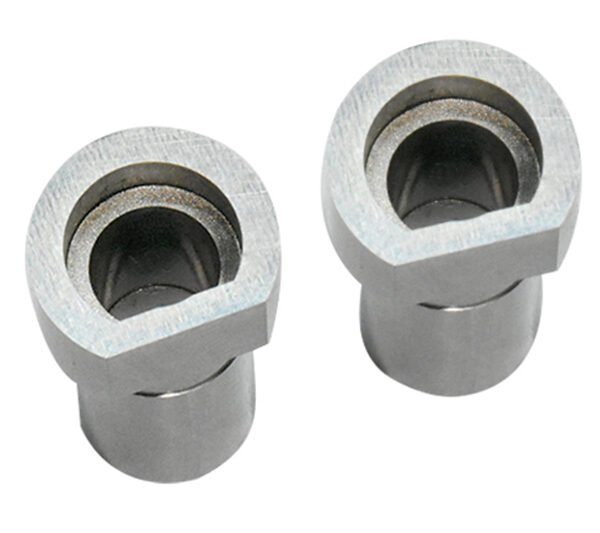
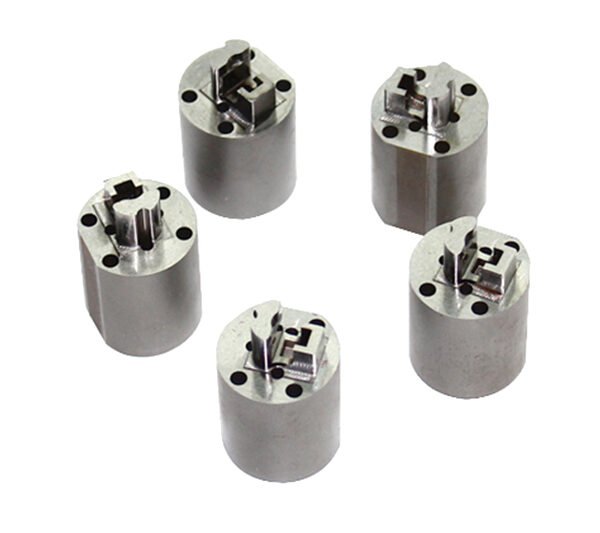
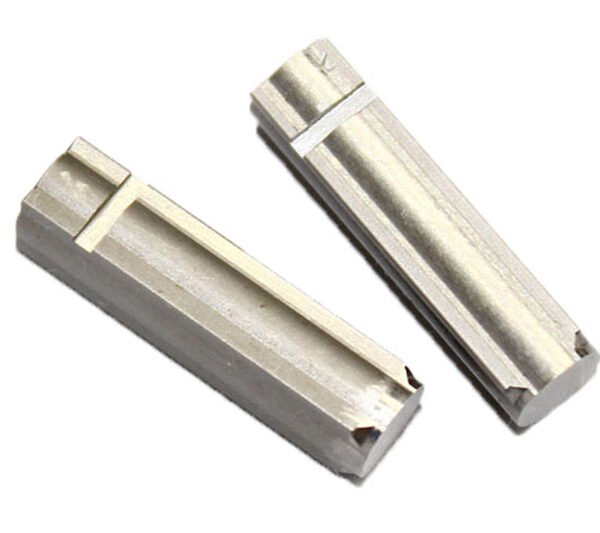
Same drawing, predictable results—next batch
Share revision, quantity ramp, and inspection level. We quote process route, ship date, and documentation in one structured response.