
Services · Injection mold tooling
Injection Mold Components Built for Repeatable Part Quality and Long Tool Life
When an injection mold fails in the press, the root cause is rarely molding alone. More often, it is a stack-up of injection mold components that were under-specified, poorly matched to resin and cavitation pressure, or manufactured without the tolerances your process needs. Xuxiang supports OEM teams and mold builders with mold components engineered as a system—cores, cavities, inserts, ejector assemblies, plate-level detail, and specialty items such as hot runner mold components—so your tool runs predictably from FOT through high-volume production.
This page is for procurement managers, tooling engineers, and program leads who need a partner that can translate CAD and a process window into plastic injection mold components that ship on time, assemble cleanly, and hold dimensions under real cavity pressure and thermal cycling.
What tooling buyers usually need on day one
- Inserts and cavity steel that seat the same way after service—not endless bench fitting
- Clear ownership for hot-runner pockets, gate inserts, and vent-sensitive shutoffs
- Dimensional evidence that matches how your OEM customer reviews tooling—not a generic “per print” packet
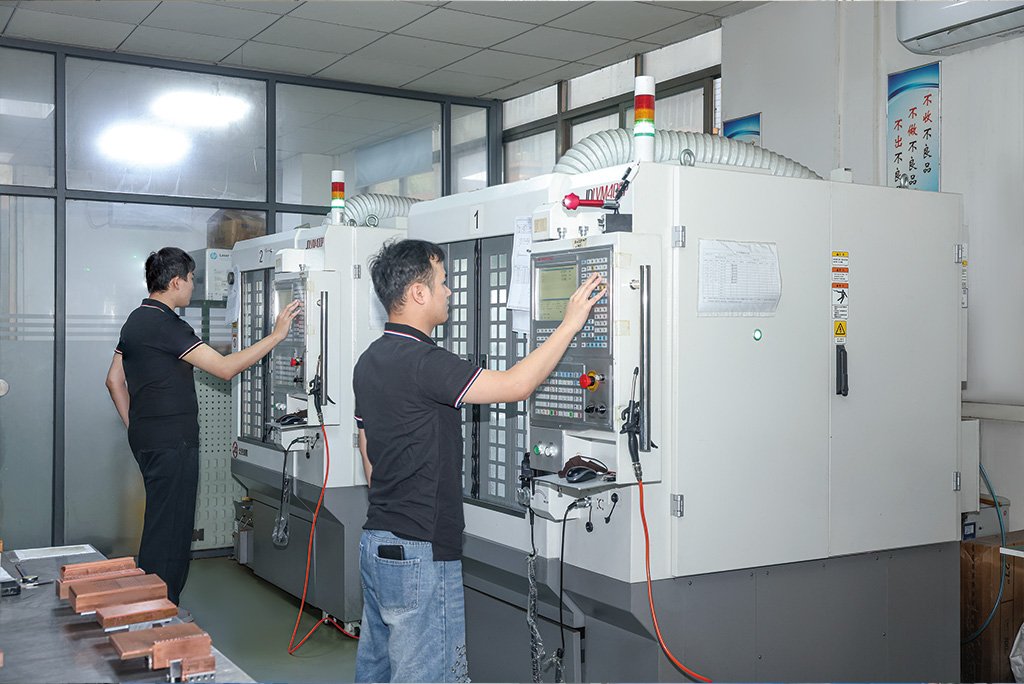
Why Injection Mold Components Are a System Decision—Not a Parts List
Process window · stack-up risk · documentation
The phrase injection mold components sounds like a commodity category. In practice, it is the interface between your part geometry, resin, hot runner or cold runner strategy, cooling layout, and injection dynamics. If any subsystem is misaligned—shutoff land width, vent depth, insert seating, ejector progression, or gate insert geometry—you pay for it in flash, wear, dust, dimensional drift, and unplanned downtime.
A stronger sourcing approach starts with three questions:
- What failure mode are we designing against? (wear, thermal growth, deflection, galling, corrosion, leakage, ejector scuffing)
- What tolerance stack does the molded part require at cavity steel? (not only nominal—also shrink, warp drivers, and cosmetic surfaces)
- What does production-ready mean for documentation? (steel certificates, heat treatment records, hardness maps, dimensional reports, assembly sketches)
When your supplier answers these before cutting steel, you reduce rework loops and avoid chasing press tuning when the mold components were never built for the process window.
Mold components suppliers: what separates a quoting desk from a tooling partner
Serious mold components suppliers should challenge assumptions early—especially for interchangeability, vent depth, and hot runner seating—because those details determine whether your plastic injection mold components behave as an assembly in production, not just on paper.
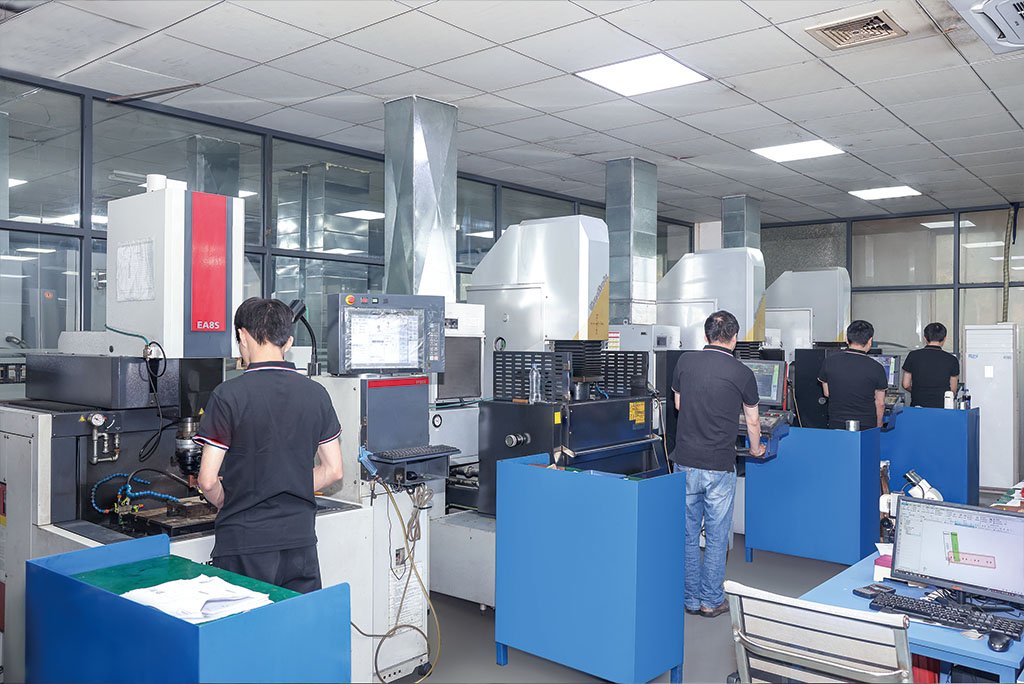
Quick RFQ sanity checklist (before award)
- Critical steel interfaces called out with measurable targets
- Hot runner OEM stack references when applicable
- Cosmetic class and ejection strategy explicitly aligned
- Revision control expectations documented
The Core Families of Mold Components We Support
Cores · cavities · mechanisms · plate hardware
Below is a practical breakdown of frequently ordered injection mold components. It is organized in the language tooling teams already use—so you can align RFQs quickly without losing scope control.
Cores, Cavities, and Split Details
The core and cavity define primary geometry. For many programs, we deliver precision-machined plastic mold components that include:
- Core and cavity inserts sized for exchangeability and predictable seating
- Shutoff and parting-line detail engineered to resist flash under pressure
- Venting coordinated with shear sensitivity and fill pattern
Inserts, Nested Inserts, and Exchangeable Modules
Inserts localize wear and simplify maintenance. Strong mold components programs treat inserts as an assembly system: locating features, fastener strategy, anti-rotation keys, and thermal continuity aligned to cooling.
Slides, Lifters, and Undercut Mechanisms
We align mechanism clearances to lubrication plans, coatings, and expected duty cycles—reducing particulate, binding, and intermittent defects.
Ejector Systems and Plate-Level Integration
Ejector pins, sleeves, plates, and returns are injection mold components that touch molded surfaces. We balance ejection force distribution with cosmetic requirements.
Sprue Bushings, Locating Rings, and Plate Alignment
Correct alignment reduces drool, improves nozzle repeatability, and helps protect hot runner interfaces.
Injection mold tooling inserts: think “interfaces first”
Whether you need runner inserts, gate inserts, or wear inserts, the winning RFQ describes injection mold tooling inserts as part of a seating strategy—not as isolated SKUs. That mindset improves first-shot success and protects tool life.
Plastic Mold Components vs. Plastic Parts Molding—Clarify Your Spec
Tool steel vs. molded product terminology
Search behavior mixes plastic mold components with molded product terms. For tooling sourcing, the distinction is simple:
- Plastic mold components refers to steel or copper-alloy tooling and hardware that shapes resin in the cavity.
- Molded plastic components refer to finished plastic parts exiting the press.
If your RFQ blends both, split it into two documents. Tool programs need material certificates, heat treatment transparency, and dimensional reporting tied to cavity coordinates.
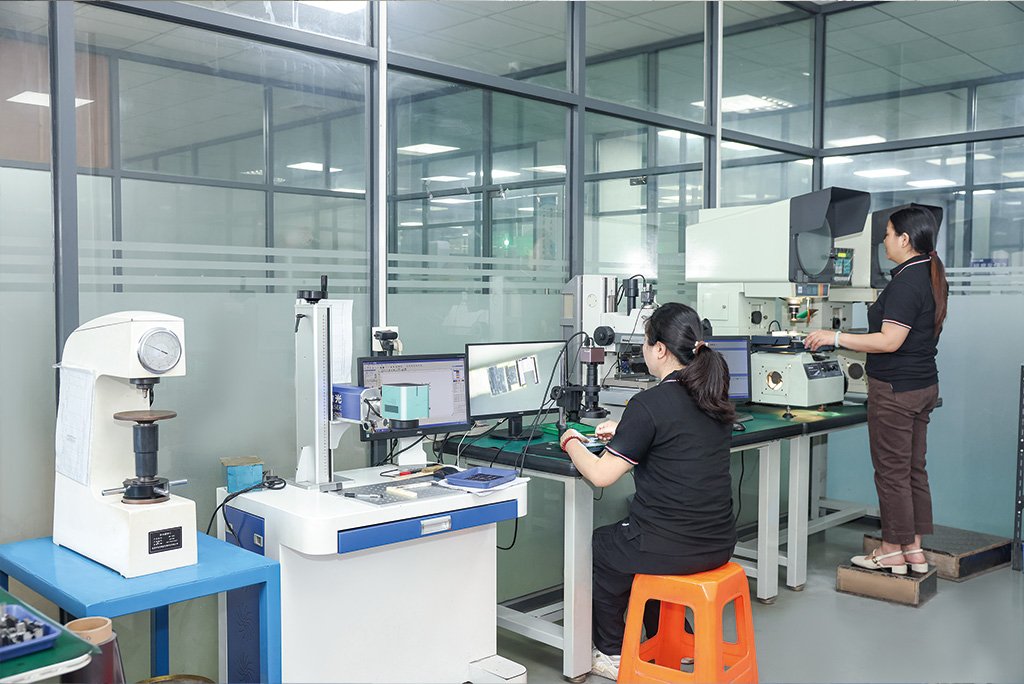
Hot Runner Mold Components—Matching Thermal Strategy to Mold Steel
Pocketing · gate inserts · manifold interfaces
Hot runner systems reduce scrap and improve gate cosmetics—when hot runner mold components match manifold OEM standards and resin sensitivity.
- Nozzle pocket preparation and thermal clearances consistent with stack height specifications
- Gate inserts and tip seating optimized for your resin family
- Interface features and retention designed for service access
Share stack drawings early when the hot runner brand is locked; if undecided, we can parallel-path cavity-side geometry with controlled adjustment windows.
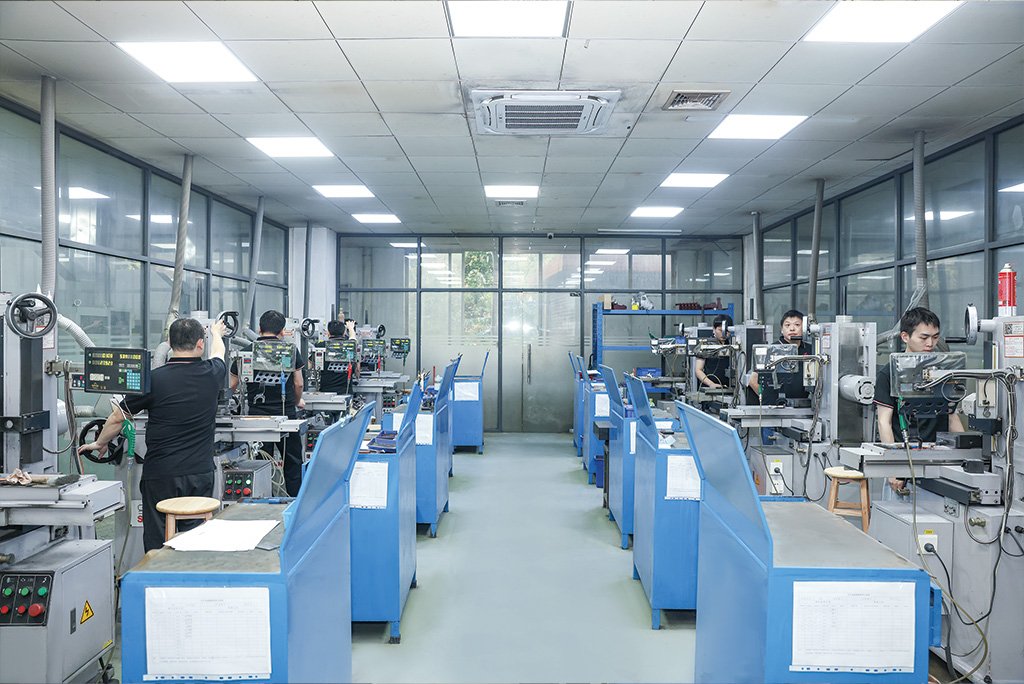
Hot runner coordination checklist
- Manifold OEM model + nozzle family referenced on drawings
- Gate cosmetic class tied to tip style assumptions
- Wiring and clearance envelopes agreed for assembly
Connector Mold Parts—Electrical and Mechanical Geometry Together
Shutoffs · venting · cosmetics
Connector mold parts combine tight pitch, sensitive cosmetics, and aggressive production targets. Typical priorities include:
- Precision shutoffs around thin terminal zones and sealing features
- Stable venting without silver defects
- Insert strategies that reduce maintenance when gate inserts wear
- Tolerance discipline for mating connectors (feel and sealing)
If your program includes insert molding or hybrid stamping-insert flows, call it out in the RFQ—the injection mold components stack differs materially from a single-shot housing tool.
Materials, Treatments, and Manufacturing Discipline
Duty-cycle realism · from blank to bench
Materials and treatments
Tooling materials should match wear mode and corrosion risk—not habit. Common directions include:
- Pre-hardened and through-hardened tool steels for balanced toughness and polishability
- Stainless or corrosion-resistant paths for wash chemistry / condensation risk
- Copper alloys for selective cooling inserts when cycle time is heat-removal limited
- Surface engineering for wear-prone shutoffs and slides
We align recommendations to resin, filler, cavitation pressure, cycle targets, and maintenance strategy—so mold components survive the environment you actually run.
Production-ready workflow
- RFQ engineering review: critical dimensions, stack risks, assembly dependencies
- CAM planning: strategies for tight radii, deep ribs, thin steel
- Multi-axis machining + EDM families: complex geometry without tolerancing ambiguity
- Metrology: validate interfaces that stack under cavity pressure and thermal growth
- Assembly-ready delivery: deburr, protect, label, document
Quality evidence your OEM customer can respect
For automotive, industrial, medical-adjacent, or high-liability programs, ask for FAIR-style reporting templates early. Mature mold components suppliers prefer alignment before award—because late surprises are expensive for everyone.



Certifications & quality systems
Evidence your quality team can file—not decoration
We maintain structured quality and environmental management systems so mold programs ship with documentation that matches serious OEM gates. Exact certificate scope and registration details are confirmed on request for your vendor file.
ISO 9001:2015
Quality management system covering manufacturing control, corrective action discipline, and customer-focused review cycles for tooling programs.
ISO 14001:2015
Environmental management framework aligned to regulated manufacturing operations, waste streams, and continuous improvement expectations.
ISO 45001:2018
Occupational health and safety management to support disciplined shop-floor practices, risk control, and audit-ready routines alongside production.
Material & process records
Steel certificates, heat treatment traceability, and revision-controlled inspection reporting available when agreed in your PO scope.
PPAP-style alignment
When your program requires FAIR-like structure or customer templates, we align sampling, critical dimensions, and submission language before first article work begins.
Need a specific certificate copy or audit package? Include it in your RFQ—we route it to the same owner as technical scope.
What customers say
Short notes from real programs—tone is theirs, not marketing copy
Below are representative comments we hear from mold builders, OEM tooling engineers, and sourcing leads after production trials and repeat orders. Swipe on mobile or use the arrows.
How to RFQ Cleanly (What to Include)
Faster quotes · fewer scope gaps
- 3D and 2D for the molded part and mold stack context (even preliminary)
- Resin grade (or shortlist), shrink assumptions, cosmetic level
- Cavitation count, press class, cycle targets (if known)
- Hot runner OEM + model family (if selected)
- Critical dimensions, inspection preferences, assembly notes
If you are shortlisting mold components suppliers, compare engineering depth—not price alone. A poorly seated insert becomes the most expensive line item in lost output.
After first samples: iterate without destroying the timeline
- Seating verification before full cosmetic polish commitment
- Interface-first checks for hot runner details under tight stack tolerances
- Clear ownership for gate insert refresh, vent maintenance, and ejector economics
When expectations are explicit, plastic mold components changes become engineering actions—not emergency rework—especially for high-visibility connector mold parts.
Xuxiang Manufacturing Services
Internal links · same structure as the site menu
Injection mold components is one cluster in our full capability map—built for tool steel, inserts, and plate-level tooling. For CNC, Swiss, molded plastics, industry programs, OEM metal parts, and quality/export topics, use the manufacturing services hub or jump straight to a landing page below.
Mold tooling & components
Inserts, plates, standards—our primary cluster alongside this page.
- Injection mold components & plates You are here
- Precision mold components
- Progressive & die mold components
- Standard mold components
- PCS mold components
Machining
CNC, Swiss, and general precision metal removal.
Injection molding & parts
Molded plastics—not cavity steel—for part & program RFQs.
Industries
Application-led molding discovery.
OEM metal parts
BOM-level machined metal for industrial equipment.
Quality & export
Documentation, ISO language, and overseas buyer support.
Why Teams Choose Xuxiang for Injection Mold Components
We deliver injection mold components as assemblies that fit your process window—not isolated chips of steel. From cavity inserts to hot runner mold components interfaces to connector mold parts realities, our goal is predictable tool behavior and commercial clarity.
Invitation
If your next program needs plastic injection mold components that assemble cleanly and wear predictably, send drawings. We will return an engineered path—not a generic price grid.
- System routing: machining + EDM + metrology aligned to tooling needs
- Documentation posture: structured for serious OEM gates
- Schedule realism: staged releases for long-lead interfaces
xuxiangmold.com · Dongguan Xu Xiang Precision Mold Co., Ltd.
Frequently Asked Questions (FAQ)
Common questions about injection mold components, scope, and how we work with mold builders and OEMs.
Q: What is included under injection mold components?
A: Typically cores, cavities, inserts, slides/lifters as scoped, ejector-related tooling, plate-level hardware, and related precision geometry—plus hot runner-side cavity preparation when included in scope.
Q: Are hot runner parts included?
A: We support hot runner mold components as cavity-side pocketing, gate inserts, seating geometry, and manifold-coordinated interfaces. Full manifold supply may be separate depending on program scope.
Q: What is the difference between mold components and molded components?
A: Mold components are tooling steel/hardware; molded components are finished plastic parts.
Q: Do you support connector tooling?
A: Yes—connector mold parts require disciplined shutoffs, venting, and cosmetic controls. Share pitch geometry and resin early.
Q: How do you handle tight timelines?
A: We stage work on released critical interfaces first so tool builds can parallel-path long-lead items.