
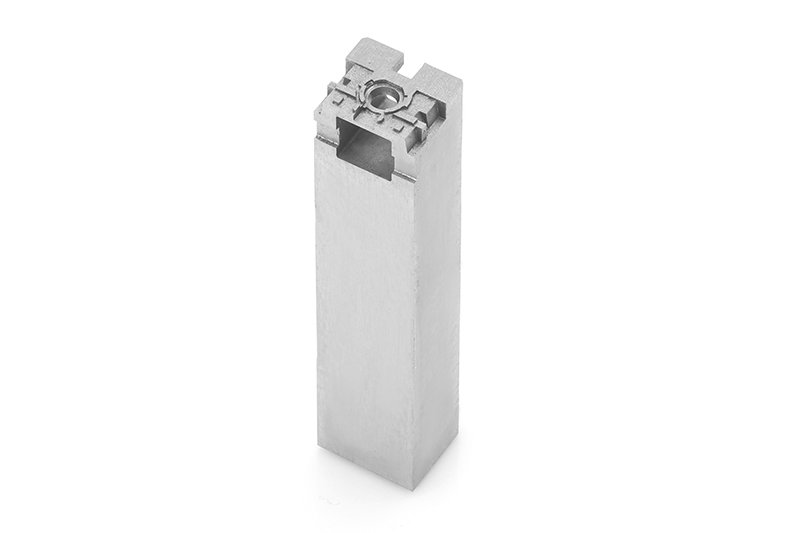
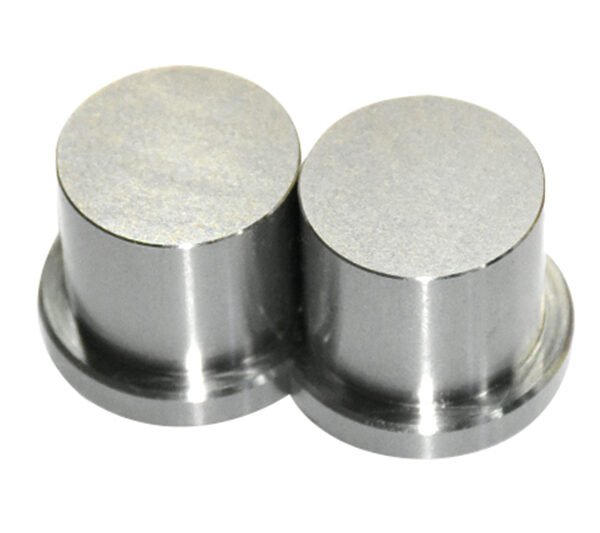
Plastic film parts · Precision mold insert
Board to Board, FPC, RF Mold Parts – Precision Connector Components for RF & High-Density PCBs Board to board, FPC,RF mold parts
Brand Xuxiang Mold
Availability Made to drawing
RFQ pricing
Quote from STEP / PDF & quantity
Engineered for demanding RF and high-density PCB assemblies, these Board to board, FPC, RF mold parts deliver reliable, low-loss connections in compact electronics. Precision-molded insulators and contact housings help maintain signal integrity from board-level interconnects to flexible printed circuits. Ideal for telecom, IoT, automotive, and industrial devices, they support tight layouts and repeated mating cycles. Integrate them into your connector designs to improve mechanical stability, reduce rework, and streamline mass production. Designed for compatibility with mainstream board-to-board and FPC connector architectures, they are a robust choice for OEMs and contract manufacturers.
(Board to board, FPC,RF mold parts)
- ISO 9001:2015–oriented process & documented inspection paths
- Zeiss / Nikon class metrology available for critical dimensions
- DFM feedback from 10+ senior tooling engineers
- Dongguan HQ + Quanzhou capacity for volume programs
Board to board, FPC,RF mold parts
High-Precision Board to Board, FPC, RF Mold Parts for Modern Electronics
As electronic devices get thinner, faster, and more integrated, the demands on internal connectors and their mechanical structures are higher than ever. Board to board, FPC, RF mold parts are the precision-molded components that support and protect high-density board-to-board connectors, FPC (Flexible Printed Circuit) connectors, and RF interconnects within your assemblies. These engineered parts provide the mechanical strength, insulation, and alignment that high-speed and RF signal paths require to perform reliably over the full life of the product.
Whether you are designing a compact RF module, a high-density control board, or a flexible-rigid PCB stack, these mold parts help ensure secure mating, stable impedance environments, and robust strain relief. They are widely used across networking equipment, mobile and IoT devices, automotive electronics, industrial controllers, and consumer products where both space and performance are critical.
Key Features & Benefits
- Optimized for board-to-board connectors
Designed to interface with standard board-to-board connector footprints, these mold parts help maintain precise connector positioning and stacking height, minimizing mechanical stress on solder joints in tight PCB layouts. - FPC and flexible circuit support
By providing guided insertion paths, clamping features, and strain relief zones, these components simplify the integration of FPC connectors and ribbon-style flexible circuits, reducing the risk of damage or intermittent contact. - RF-friendly mechanical design
Stable mechanical geometry around RF connectors supports consistent impedance environments and helps reduce micro-movements that can affect high-frequency performance, especially in wireless modules and antenna feed lines. - Durable, insulating materials
Typical use of high-performance engineering plastics and composites offers good dielectric properties, heat resistance for reflow soldering processes, and long-term dimensional stability in harsh operating conditions. - Supports automated assembly
Features such as pick-and-place surfaces, alignment pegs, and clear mechanical datum points are designed with SMT and through-hole production in mind, enhancing throughput and reducing manual rework. - Customizable geometries
Depending on the project, mold parts can be tailored in shape, mounting style, and interface features to match unique connector combinations, PCB thicknesses, and enclosure constraints.
Specifications & Core Attributes
The exact characteristics of board to board, FPC, RF mold parts will depend on your selected configuration and connector system. The table below summarizes the typical attributes you should review during design and sourcing.
| Attribute | Description |
|---|---|
| Product Type | Precision-molded support and housing parts for board-to-board, FPC, and RF connectors |
| Typical Applications | High-density PCBs, RF modules, FPC terminations, rigid-flex assemblies, telecom and IoT devices |
| Compatible Connectors | Board-to-board mezzanine connectors, FPC/FFC connectors, RF coaxial and RF board-to-board connectors (varies by design) |
| Material | Engineering thermoplastics or composite insulating materials selected for heat resistance and dimensional stability |
| Mechanical Role | Connector alignment, position retention, strain relief, and structural reinforcement of soldered interfaces |
| Electrical Role | Insulation between contacts, controlled spacing around RF paths, and support for high-density signal routing |
| Assembly Method | Designed for SMT, through-hole, or mechanical fastening depending on the specific mold part |
| Operating Environment | Suitable for typical electronics environments; specific thermal and mechanical limits depend on chosen material |
| Customization Options | Geometry, mounting features, color coding, and compatibility with custom connector footprints |
| Compliance & Standards | Can be designed to support relevant safety and environmental standards as required by the end application |
Use Cases & Ideal Applications
Board to board, FPC, RF mold parts are a critical but often overlooked element in ensuring that your high-density interconnect strategy is both manufacturable and robust. They are particularly valuable in the following scenarios:
- Telecom and networking hardware
Routers, base stations, and RF front ends often rely on stacked boards and RF modules. Mold parts stabilize tall connector stacks and RF sections during shock, vibration, and thermal cycling. - IoT, wearable, and portable electronics
Compact devices with curved or flowing enclosures frequently use FPCs to connect displays, sensors, and sub-boards. Mold parts guide and protect the FPC connectors and maintain repeatable mating alignment in very tight spaces. - Automotive and transportation electronics
Instrument clusters, infotainment systems, ADAS modules, and telematics units experience constant vibration and temperature swings. Reinforcing board-to-board and RF connectors with dedicated mold parts can significantly improve long-term reliability. - Industrial and automation systems
High-channel-count control boards and communication modules benefit from secure board stacking and RF signal routing. Mold parts help manage mechanical tolerances across larger assemblies. - Consumer electronics & appliances
From smart home hubs to audio systems, these parts support slim, stylish designs by enabling secure, low-profile stacking of PCBs and reliable RF connectivity for wireless features.
Selection & Buying Guidance
When specifying board to board, FPC, RF mold parts for a new design or redesign, consider the following points to ensure optimal performance and smooth production:
- Connector family and footprints
Start by confirming the exact connector series, pitch, and orientation used on your boards. Mold parts should match the connector profile, mating height, and PCB keep-out areas to avoid interference. - Board stack-up and layout
Assess the spacing between boards, FPC routing paths, and nearby components. The mold part geometry should support the intended stack height while allowing proper clearance for tooling, cooling, and cable management. - Mechanical environment
Evaluate shock, vibration, and potential handling stresses. Applications in vehicles or heavy machinery may require more robust support structures and additional fixation points. - Thermal and process constraints
Verify the maximum reflow temperatures and process steps in your assembly line. Choose materials and designs that are compatible with your soldering profile and any subsequent coating or encapsulation processes. - Serviceability and rework
If the product may require connector replacement or PCB service, consider how the mold parts interact with rework procedures. Designs that allow tool access and safe connector removal can reduce maintenance time and cost. - Prototyping and validation
Before locking the design, build prototypes with the intended mold parts and run mechanical, thermal, and functional testing. Early validation helps confirm that the mechanical constraints do not adversely affect RF performance or signal integrity.
For OEMs, EMS providers, and design houses, partnering with a supplier that understands both connector technology and precision molding is essential. Provide your PCB drawings, stack-up, and connector specifications so that the mold parts can be matched or customized to your exact needs.
FAQ
Are these board to board, FPC, RF mold parts compatible with my existing connectors?
Compatibility depends on the connector series, footprint, and stack height used in your design. Share your connector model numbers and PCB drawings so that a matching or custom mold part can be specified for your project.
How are these mold parts shipped and packaged?
Parts are typically supplied in protective packaging suitable for electronics manufacturing, such as trays or bags, to prevent deformation or contamination. For high-volume production, packaging can be optimized to suit automated assembly requirements.
Can I use these mold parts in high-vibration environments like automotive applications?
Yes, many designs are suitable for high-vibration environments when correctly selected. It is important to choose geometries and materials that match your mechanical load conditions and to validate performance through application-specific testing.
What information do I need to provide to select the right mold part?
You should provide details such as connector type and pitch, PCB thickness, stack height, mechanical constraints, and any special RF performance requirements. This information helps ensure a precise match to your assembly.
Do these parts require special handling during assembly?
In most cases, they can be handled using standard SMT or manual assembly processes. Follow recommended handling guidelines to avoid bending or overstressing the parts, and ensure alignment features are correctly engaged during placement.
How should I maintain or inspect assemblies that use these mold parts?
During routine inspection, check for cracks, discoloration, or signs of mechanical stress around the connectors and mold parts. Ensure that connectors remain fully seated and that there is no play that could affect RF or signal performance.
Can these mold parts withstand standard reflow soldering temperatures?
They are typically designed using materials that tolerate common electronics reflow profiles. Always confirm material temperature ratings and align your soldering process window with supplier recommendations.
What is the typical lead time and minimum order quantity?
Lead time and minimum order quantities vary with part complexity and customization level. Standard or catalog-type parts often have shorter lead times, while custom mold parts may require additional tooling and validation time.
What is the return or warranty policy for these mold parts?
Warranty and returns usually cover defects in materials or manufacturing. Upon receiving parts, inspect them promptly and contact support if you notice any issues so they can be addressed in line with the agreed terms.
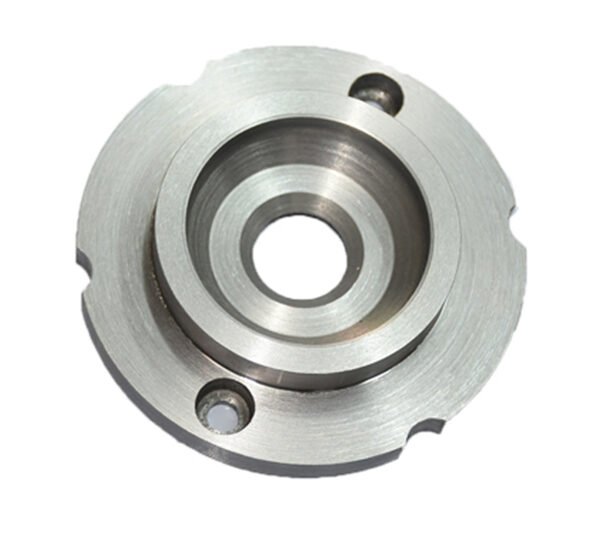
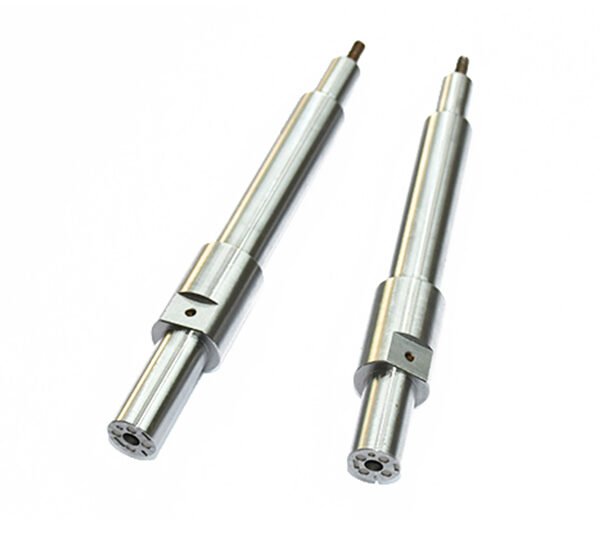
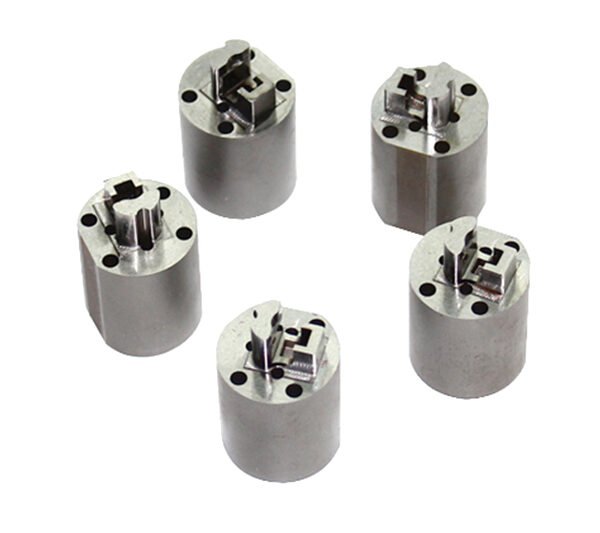
Same drawing, predictable results—next batch
Share revision, quantity ramp, and inspection level. We quote process route, ship date, and documentation in one structured response.