
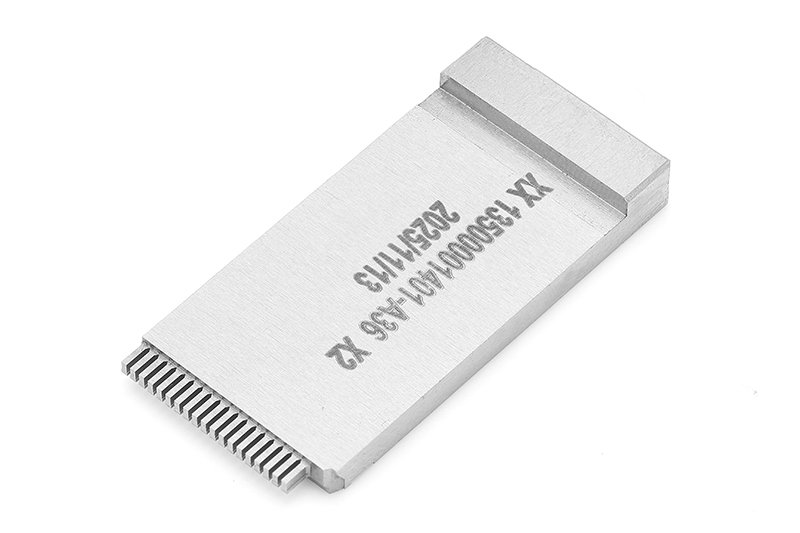
Plastic film parts · Precision mold insert
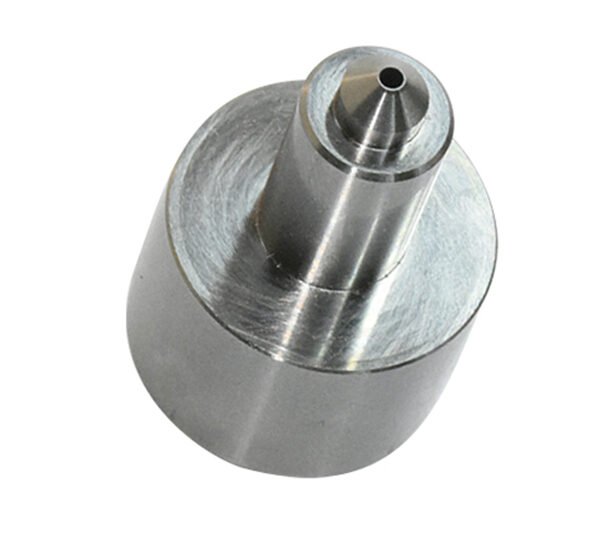
Board to Board, FPC, RF Mold Parts High‑Precision Connector Components Board to board, FPC,RF mold parts
Brand Xuxiang Mold
Availability Made to drawing
RFQ pricing
Quote from STEP / PDF & quantity
Achieve reliable high-frequency signal transmission and compact layouts with these precision-engineered Board to board, FPC, RF mold parts. Designed for modern PCB, FPC and RF module integration, they help you reduce wiring, save space and improve assembly efficiency in one streamlined solution. Consistent molding and tight tolerances support stable impedance and low loss at RF and high-speed digital levels. Whether you are building communication equipment, consumer electronics or automotive modules, these parts help you move from prototype to mass production with confidence. Integrate them into your connector system to simplify design, enhance durability and minimize rework on the line.
(Board to board, FPC,RF mold parts)
- ISO 9001:2015–oriented process & documented inspection paths
- Zeiss / Nikon class metrology available for critical dimensions
- DFM feedback from 10+ senior tooling engineers
- Dongguan HQ + Quanzhou capacity for volume programs
Board to board, FPC,RF mold parts
What Are Board to Board, FPC, RF Mold Parts?
Board to board, FPC, RF mold parts are precision connector components and molded structures used to interconnect printed circuit boards (PCBs), flexible printed circuits (FPCs), and RF modules inside compact electronic devices. They combine mechanical support with electrical performance, enabling high-density assemblies that still meet signal integrity, shielding and reliability requirements for high-speed and RF applications.
In modern designs, board-to-board and FPC connectors are widely used in smartphones, networking equipment, automotive electronics, industrial control systems and IoT modules. They allow designers to route signals between stacked or parallel boards without bulky cables, and to connect thin, bendable FPCs to rigid PCBs for 3D packaging flexibility. RF mold parts, such as molded housings, insulators and shielding structures, support these connectors by fixing positions, protecting contacts and helping control impedance and crosstalk.
This product offering targets OEMs, EMS providers, connector manufacturers and engineering teams that need stable mechanical fit, repeatable molding quality and compatibility with common RF and high-speed connector platforms. Instead of designing every molded element from scratch, you can choose proven geometries that integrate smoothly into your connector and module designs.
Key Features & Benefits
These board to board, FPC, RF mold parts are developed to support demanding applications where miniaturization, speed and robustness are equally important.
- Optimized for high-density interconnects: Enable compact stacking of PCBs and FPCs to reduce device thickness and footprint while maintaining reliable mating and retention.
- Supports RF and high-speed signals: Molded geometries and material selection are designed to work with RF connectors and high-speed contacts, helping maintain controlled impedance paths, low insertion loss and reduced reflection when combined with proper connector design.
- Mechanical accuracy and repeatability: Tight molding tolerances help ensure consistent contact positioning, which is crucial for fine-pitch board-to-board and FPC connectors used in automated SMT assembly.
- Protection for delicate contacts: Mold parts act as shields and housings that protect connector contacts against mechanical stress, contamination and mishandling during assembly and field use.
- Flexible integration: Suitable for a wide range of connector styles such as mezzanine board-to-board, board-to-FPC, FFC/FPC connectors and coaxial/RF interfaces commonly used in communication modules.
- Production-friendly design: Mold parts are compatible with standard pick-and-place, reflow and assembly processes, supporting efficient production and consistent quality.
By combining these features, the parts allow you to shorten design cycles, simplify mechanical design around connectors and achieve more predictable RF and signal performance in final assemblies.
Specifications & Key Attributes
The following table summarizes typical design and performance attributes you can expect from board to board, FPC, RF mold parts. Values will vary according to your selected geometry, material and mating connector system.
| Attribute | Description |
|---|---|
| Product category | Molded parts for board-to-board, board-to-FPC and RF connector assemblies |
| Typical applications | Consumer electronics, communication equipment, automotive electronics, industrial control, IoT modules |
| Supported interconnect types | Mezzanine board-to-board, FPC/FFC connectors, RF and coaxial connector interfaces |
| Pitch compatibility | Compatible with fine-pitch connector families (exact pitch depends on selected design) |
| Material options | Engineering plastics or resins suitable for electronic connectors (e.g. high-temperature, flame-retardant grades, depending on variant) |
| Thermal performance | Designed for use in typical electronic operating environments; specific temperature ranges depend on the chosen material system |
| RF suitability | Shapes and structures intended to support RF/microwave connectors and controlled impedance paths when used with appropriate contact design |
| Mounting style | Designed for integration into PCB and FPC assemblies via SMT, through-hole or hybrid connector systems |
| Customization | Custom geometries, cutouts or alignment features available according to project requirements |
| Compliance & testing | Capable of being designed to meet relevant connector and safety standards; specific certifications depend on the final product design |
Use Cases & Who It Is For
Board to board, FPC, RF mold parts are ideal for engineers and buyers looking to improve reliability and integration in compact electronic systems.
- Device manufacturers: Smartphone, tablet, wearable and consumer electronics brands can use these parts to support ultra-thin mechanical stacks and high-density board layouts.
- Telecom and networking equipment: Routers, base stations and RF front-end modules benefit from stable connector positioning and predictable RF paths.
- Automotive and transportation: Infotainment systems, ADAS sensors and control modules require rugged, vibration-resistant interconnect solutions that molded parts help to reinforce.
- Industrial and IoT: PLCs, gateways, sensors and industrial controllers rely on connectors that maintain signal integrity and survive harsh environments, which is supported by robust molded structures.
- OEM & EMS engineering teams: Design engineers and manufacturing engineers use these parts to simplify assembly tooling, reduce misalignment risk and improve overall yield.
Whether you are revising an existing platform or building a new product from scratch, integrating proven mold parts around your board-to-board, FPC and RF connectors can significantly reduce mechanical risk in your design.
Selection, Care & Buying Guidance
Choosing the right board to board, FPC, RF mold parts for your project involves balancing electrical, mechanical and manufacturing needs. Consider the following guidelines when specifying parts:
- Confirm connector family and pitch: Start from your chosen connector series (board-to-board, FPC/FFC, RF) and ensure the mold parts are compatible with its pitch, height and mating geometry.
- Evaluate operating environment: For automotive, industrial or outdoor applications, pay attention to temperature, humidity, vibration and contamination levels when selecting materials and designs.
- Assess RF and signal integrity requirements: For high-speed differential pairs or RF lines, coordinate with your connector and PCB layout teams to ensure molded structures support the required impedance, shielding and clearance.
- Consider assembly processes: Align mold part selection with your SMT, reflow and inspection processes. Features such as alignment bosses, polarization keys and pick-up surfaces can improve throughput.
- Plan for future scaling: Choose designs that allow for variants (different heights, pin counts or configurations) so your platform can evolve without a complete mechanical redesign.
Care and handling are also important. Store parts in dry, clean conditions, avoiding excessive heat or direct sunlight that could affect material properties over time. During assembly, use appropriate handling tools to avoid stressing thin walls or alignment features, and verify that reflow profiles and cleaning processes are compatible with the chosen materials.
By taking these factors into account, you can select board to board, FPC, RF mold parts that support robust, high-performance interconnect solutions tailored to your application.
FAQ
Are these board to board, FPC, RF mold parts compatible with my existing connector series?
Compatibility depends on connector geometry, pitch and height. Provide your connector series and mechanical drawings so we can help match or adapt mold parts to your existing design.
Can I use these mold parts in high-temperature or automotive environments?
Many designs can be produced with materials suitable for elevated temperatures and automotive conditions. Share your target temperature range and qualification standards so we can recommend appropriate material options.
How do I choose the right mold part for my PCB and FPC stack-up?
Start from your mechanical stack height, connector types and routing constraints. Our team can review your PCB/FPC drawings and suggest mold geometries that provide correct spacing, alignment and protection for the connectors.
What is the typical lead time for custom RF mold parts?
Lead time varies with design complexity and tooling requirements. After reviewing your drawings, we will provide an estimated schedule covering design confirmation, tooling and pilot production.
How should these parts be stored before assembly?
Store them in original packaging in a clean, dry environment, away from direct sunlight and extreme temperatures. Proper storage helps maintain dimensional stability and surface quality before use.
Can I order samples for prototyping and validation?
Yes. Sample quantities are typically available so you can perform fit checks, assembly trials and basic electrical testing before committing to mass production.
Do these mold parts require special assembly equipment?
In most cases, they are designed to work with standard SMT and mechanical assembly equipment. If special fixtures are recommended, we can provide guidance based on your line configuration.
What is the return or warranty policy for these parts?
Warranty and returns are handled according to our standard quality policy. If parts do not meet the agreed specifications, we will work with you on analysis, replacement or corrective actions.
Can the design be customized for specific RF performance targets?
Yes. For applications with strict RF requirements, the geometry and material can be adjusted in cooperation with your RF and mechanical engineers to help achieve the desired performance.
How do I request pricing for different volumes?
Send us your target quantities, drawings and any special requirements. We will prepare a quotation that reflects tooling needs, projected volumes and delivery schedules.
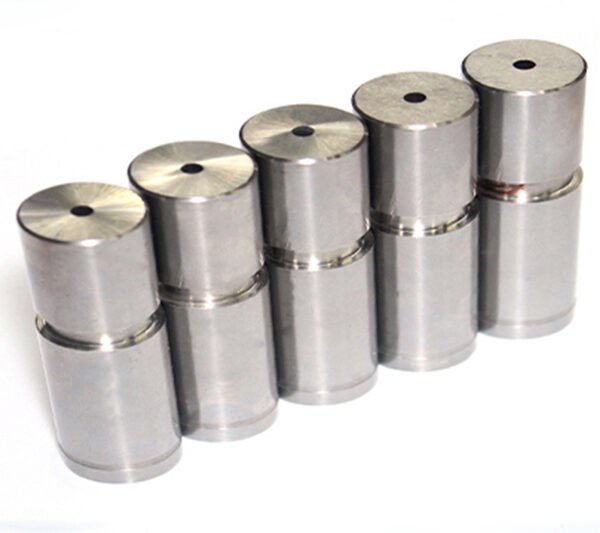
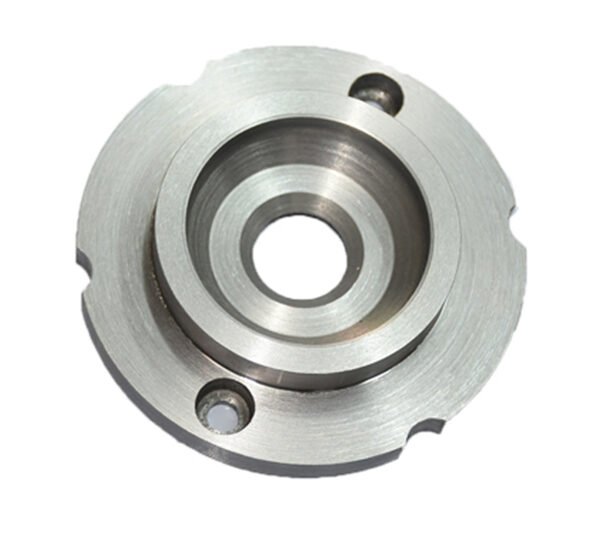
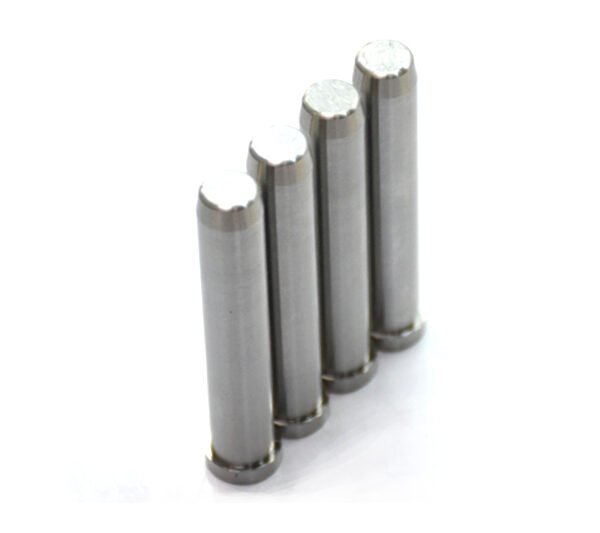
Same drawing, predictable results—next batch
Share revision, quantity ramp, and inspection level. We quote process route, ship date, and documentation in one structured response.