
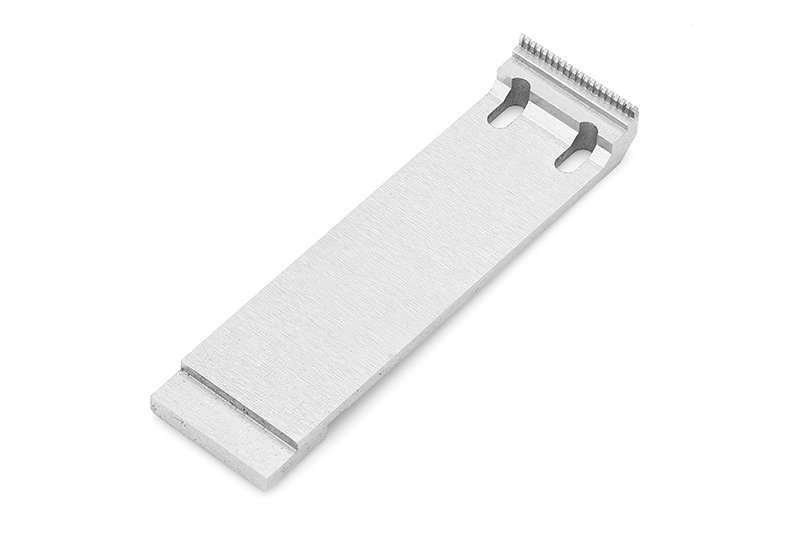
Plastic film parts · Precision mold insert
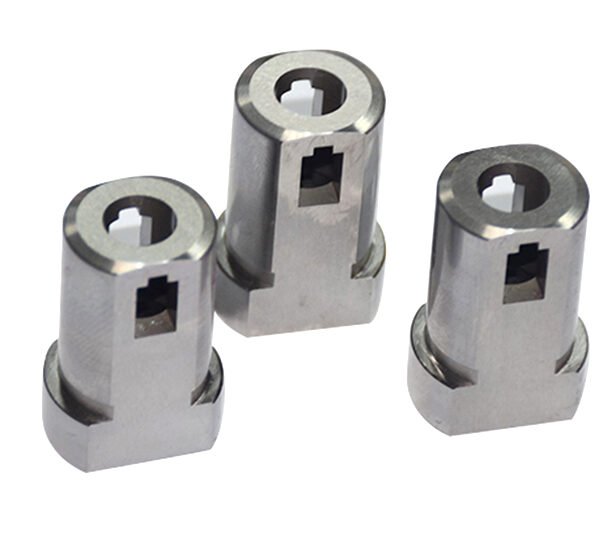
Board to Board, FPC, RF Mold Parts – Precision RF Connector Components Board to board, FPC,RF mold parts
Brand Xuxiang Mold
Availability Made to drawing
RFQ pricing
Quote from STEP / PDF & quantity
Achieve reliable, high-frequency signal integrity with our precision-engineered Board to board, FPC, RF mold parts, designed for modern compact electronics. These custom metal and plastic components support stable RF connections between PCBs and flexible printed circuits in harsh or space-limited environments. Optimized molding and tight-tolerance machining help minimize insertion loss, improve shielding, and extend product lifetime. Ideal for RF modules, IoT devices, automotive electronics, and wireless infrastructure, they integrate smoothly into automated assembly lines. Partner with us to tailor geometries, materials, and surface finishes to your specific connector platform and performance targets.
(Board to board, FPC,RF mold parts)
- ISO 9001:2015–oriented process & documented inspection paths
- Zeiss / Nikon class metrology available for critical dimensions
- DFM feedback from 10+ senior tooling engineers
- Dongguan HQ + Quanzhou capacity for volume programs
Board to board, FPC,RF mold parts
Board to Board, FPC, RF Mold Parts – What They Are
These Board to board, FPC, RF mold parts are precision RF connector components engineered for creating robust signal paths between printed circuit boards (PCBs) and flexible printed circuits (FPCs) in high-frequency applications. They are typically used as core elements inside or around RF board-to-board and board-to-FPC connectors, serving functions such as contact interfaces, alignment features, shielding cans, and overmolded housings.
By combining high-quality metals and engineering plastics through advanced molding and machining processes, these parts help ensure low-loss RF transmission, mechanical stability, and long-term reliability in compact electronic systems. Common usage scenarios include wireless modules, RF front ends, automotive radar and infotainment, communication base stations, and industrial IoT gateways.
Instead of being off-the-shelf universal connectors, these mold parts are usually customized or semi-customized components that integrate into your connector or module design. They are designed to match your pitch, geometry, and mounting method, whether you are laying out a dense mezzanine board-to-board interface or a flexible FPC tail feeding into an RF transceiver module.
Key Features & Benefits
- Optimized for RF performance – Carefully designed contact geometry, shielding features, and material selection support stable impedance and reduced insertion loss over a wide RF spectrum.
- Board-to-board and FPC versatility – Supports direct PCB-to-PCB, PCB-to-FPC, and FPC-to-module transitions, minimizing the need for bulky harnesses or extra interconnect stages.
- Precision mold and machining – Tight dimensional tolerances and accurate cavity design help ensure consistent connector engagement, reliable mating cycles, and smooth automated assembly.
- Compact, high-density layouts – Suitable for fine-pitch connectors where PCB real estate is critical, enabling designers to reduce overall module size and height.
- Mechanical robustness – Engineered to withstand vibration, shock, and thermal cycling commonly found in automotive, industrial, and telecom environments.
- Flexible customization – Geometry, plating stack, and plastic resin formulations can be tailored to match your application requirements, reflow profile, and compliance needs.
- Simplified production – Molded features such as positioning keys, locking tabs, and strain-relief elements reduce assembly errors and speed up SMT or through-hole production.
Specifications & Key Attributes
The exact specifications of Board to board, FPC, RF mold parts vary by project and connector platform. The table below summarizes typical attribute categories to help guide your selection and RF design process.
| Attribute | Description |
|---|---|
| Connector Interface Type | Designed for board-to-board, board-to-FPC, or FPC-to-module RF connector systems |
| Typical Applications | RF modules, IoT devices, automotive electronics, base stations, routers, industrial wireless systems |
| Core Functions | RF signal contacts, shielding elements, ground frames, alignment posts, overmold housings |
| Metal Materials | Commonly RF-suitable alloys such as copper-based or stainless materials with appropriate plating |
| Plastic / Resin Materials | High-temperature engineering plastics compatible with standard SMT reflow profiles |
| Surface Finish | RF-optimized plating options (e.g., low-contact-resistance, corrosion-resistant finishes) |
| Pitch Compatibility | Suitable for fine-pitch and high-density connector layouts; exact pitch depends on project design |
| Mounting & Assembly | Supports SMT, through-hole, or hybrid connector designs to integrate into existing PCB processes |
| Operating Environment | Engineered for use in typical RF device operating temperatures and environmental conditions |
| Quality & Testing | Dimensional inspection and functional verification according to project-specific requirements |
Use Cases & Who They Are For
Board to board, FPC, RF mold parts are a solid choice for engineers and sourcing teams who need to integrate high-frequency signal paths in compact or mechanically demanding applications.
- RF module designers – Integrate these parts into your board-to-board mezzanine connectors or board-to-FPC interfaces to reduce signal loss and improve isolation between RF stages.
- Automotive electronics manufacturers – Use robust RF mold parts in advanced driver-assistance systems, infotainment units, telematics, and V2X modules where vibration and temperature cycling are critical considerations.
- Telecom and networking OEMs – Implement in base stations, small cells, routers, and access points requiring high-density RF connectors between main boards and daughtercards.
- Industrial and IoT device builders – Achieve compact RF connectivity for gateways, meters, and wireless sensors where FPC harnesses must survive continuous operation and environmental stress.
- Contract manufacturers and EMS providers – Integrate these mold parts into your preferred connector platforms to standardize processes and improve assembly throughput.
Because these parts are often integrated into a larger connector design, early collaboration between your mechanical, RF, and manufacturing teams is recommended. Sharing your target frequency bands, impedance requirements, space constraints, and assembly methods helps ensure that the mold parts you select or customize will meet both performance and production goals.
Care, Handling & Buying Guidance
To get the best performance from Board to board, FPC, RF mold parts, careful handling and a structured procurement process are essential.
- Define RF and mechanical requirements clearly – Before ordering, document your target frequency range, expected power levels, impedance goals, mating cycles, and any shielding or isolation requirements.
- Match to connector platform – Ensure the mold parts you choose are compatible with your connector series or custom interface, including pitch, stack height, and mounting style.
- Verify process compatibility – Confirm that material selections and finishes are compatible with your soldering process, cleaning procedures, and reliability tests.
- Handle with care – During prototyping and production, avoid bending, scratching, or contaminating RF contact surfaces; store in original packaging until assembly.
- Prototype and validate – Build early prototypes using representative boards and FPCs, and test for insertion loss, return loss, and mechanical robustness in realistic conditions.
- Plan for lifecycle – Consider long-term availability, potential second sources, and qualification paths to avoid redesigns during product lifecycle.
When discussing your needs with our team, provide mechanical drawings, stack-up information, and any existing connector part numbers you are targeting. This allows us to recommend standard geometries where possible or support custom mold design where needed.
FAQ
Are these Board to board, FPC, RF mold parts compatible with my existing connector series?
Compatibility depends on the geometry, pitch, and interface style of your connector. Share your connector drawings or part numbers and we can help match or adapt the mold parts to your existing design.
How do I know if these parts will support my target RF frequency range?
Provide your target frequency band and basic RF requirements, and we will guide you toward suitable structures and materials. For critical designs, RF simulation and lab measurements on prototypes are recommended to validate performance.
Can I use these mold parts in both board-to-board and board-to-FPC configurations?
Yes, these components are intended for board-to-board and board-to-FPC RF connectors. During the design phase, we will confirm which configuration you need and ensure the parts are optimized for that usage.
What information do I need to provide when requesting a quote?
For accurate pricing, please provide mechanical drawings or 3D files, expected annual volume, target materials or finishes, and any specific performance or testing requirements.
How are the parts packaged for shipping?
Parts are typically supplied in protective packaging appropriate for precision components, such as trays, reels, or bags, to prevent deformation or contamination during transit. Packaging format can be aligned with your assembly process where possible.
What is the typical lead time for production orders?
Lead time depends on whether you use an existing design or require custom tooling. Standardized parts usually ship faster, while custom projects include time for tooling, sampling, and approval before mass production.
How should I store the mold parts before assembly?
Store in a clean, dry environment, away from corrosive atmospheres and excessive humidity. Keep the original packaging sealed until use to protect surfaces and preserve solderability.
Are there any special care or cleaning requirements after reflow?
If your process uses cleaning, ensure the chosen chemicals and temperatures are compatible with the plastics and finishes specified for the parts. Avoid aggressive scrubbing or contact with abrasive tools that might damage RF surfaces.
What happens if a part fails during assembly or in the field?
If you encounter a failure, please retain samples and provide process details and environmental conditions. We can support a joint failure analysis to identify root cause and recommend improvements.
Do you offer support for design optimization and DFM?
Yes, engineering support can help you optimize the mold part design for RF performance, manufacturability, and cost, including design-for-manufacturing (DFM) reviews before tooling.
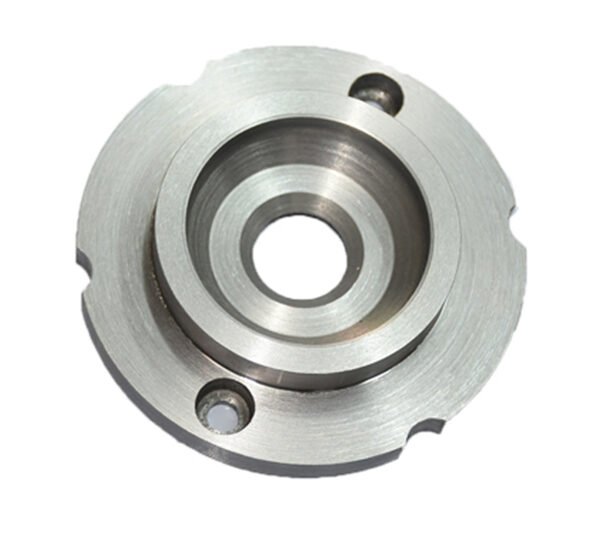
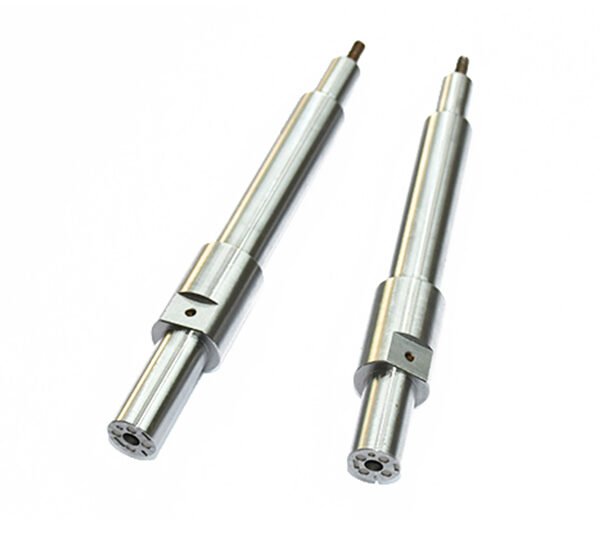
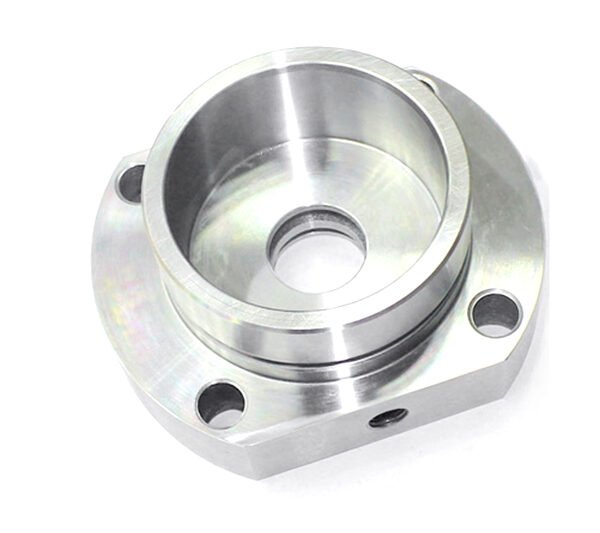
Same drawing, predictable results—next batch
Share revision, quantity ramp, and inspection level. We quote process route, ship date, and documentation in one structured response.