
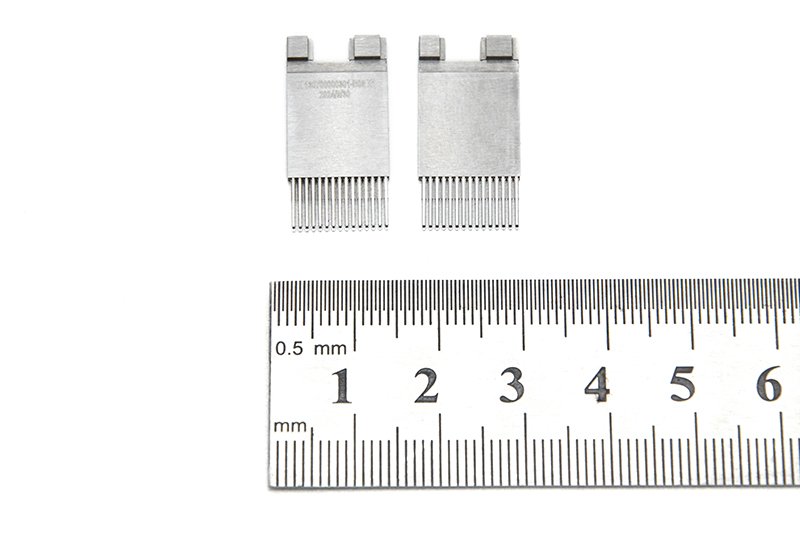
Plastic film parts · Precision mold insert
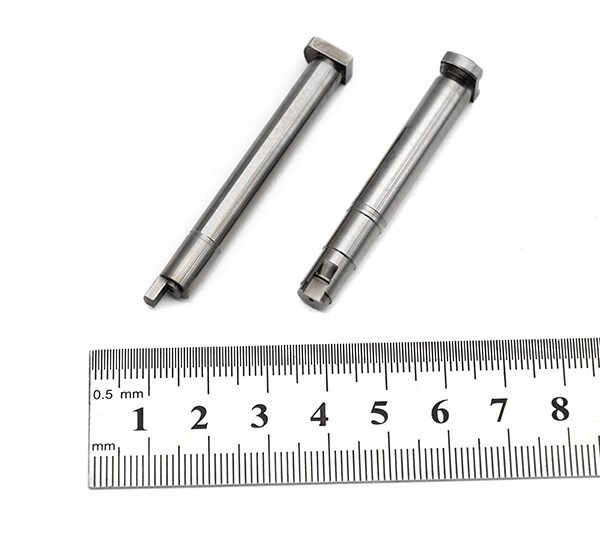
Board to Board, FPC, RF Mold Parts – Precision RF Connector Molding Components Board to board, FPC,RF mold parts
Brand Xuxiang Mold
Availability Made to drawing
RFQ pricing
Quote from STEP / PDF & quantity
Engineered for high-frequency reliability, these Board to Board, FPC, RF mold parts provide a stable foundation for manufacturing RF connectors and interconnect solutions. Each precision-molded component helps ensure accurate alignment, consistent impedance, and long-term durability in demanding electronic assemblies. Ideal for OEMs and mold toolers, they support tight tolerances and repeatable production of board-to-board and FPC RF interfaces. Use them to improve connector performance, reduce rework, and streamline your RF product development cycle.
(Board to board, FPC,RF mold parts)
- ISO 9001:2015–oriented process & documented inspection paths
- Zeiss / Nikon class metrology available for critical dimensions
- DFM feedback from 10+ senior tooling engineers
- Dongguan HQ + Quanzhou capacity for volume programs
Board to board, FPC,RF mold parts
What Are Board to Board, FPC, RF Mold Parts?
Board to board, FPC, RF mold parts are precision-molded components used in the tooling and production of RF connectors and interconnect systems that join printed circuit boards (PCB-to-PCB) and flexible printed circuits (FPC-to-board or FPC-to-FPC). They form the structural and guiding elements inside connector housings or mold tools, enabling accurate positioning of RF contacts, shielding elements, and plastic insulators during injection molding or overmolding.
In high-frequency designs, mechanical precision is critical. Even very small misalignments or gaps can affect impedance, insertion loss, and return loss. RF mold parts for board-to-board and FPC connectors help manufacturers build connectors with consistent geometry and contact alignment, supporting stable RF performance across production batches. These parts are widely used in applications such as 5G infrastructure, automotive electronics, IoT devices, industrial control systems, and RF modules where compact, reliable interconnects are essential.
Whether you design micro-miniature board-to-board connectors, low-profile FPC interfaces, or shielded RF modules, high-quality mold parts give you better control over dimensional tolerances, contact spacing, and housing integrity. This leads directly to more robust products, fewer assembly issues, and improved signal integrity in the final device.
Key Features & Benefits
These board to board, FPC, RF mold parts are designed to support demanding production environments and the specific needs of RF and high-speed signal transmission.
- High dimensional stability – Mold parts are designed to provide highly repeatable geometry, helping ensure contact spacing and connector profiles stay within tight tolerances from cavity to cavity and batch to batch.
- RF-optimized design support – Carefully controlled dimensions and surfaces support consistent dielectric spacing, shielding layout, and controlled impedance paths required in RF connectors.
- Compatibility with board-to-board and FPC connectors – Suitable for use in tooling and production of stacked board connectors, mezzanine connectors, flexible printed circuit connectors, and hybrid RF modules.
- Enhanced durability and tool life – Mold parts are typically manufactured from robust tool steels or hardened materials to withstand repeated molding cycles, reducing downtime and maintenance costs.
- Improved assembly and yield – Accurate mold components help reduce misalignment, warpage, and flash, resulting in less rework, more consistent fit with PCBs and FPCs, and higher yields in connector production.
- Support for miniaturization – As board-to-board and FPC connectors shrink in pitch and height, mold parts enable the fine-detail features needed for compact RF designs without sacrificing reliability.
Specifications & Key Attributes
The following table summarizes the typical attributes you can expect from board to board, FPC, RF mold parts. Exact values will depend on your specific connector design, cavity layout, and material selection.
| Attribute | Description |
|---|---|
| Product type | Precision mold parts for board-to-board, FPC, and RF connector tooling |
| Typical application | Production of RF connectors, board-to-board headers, FPC connectors, and RF module housings |
| Supported connector styles | Board-to-board, board-to-FPC, FPC-to-FPC, RF and microwave interconnects |
| Common materials | Tool steel or hardened steel mold inserts (specific grade defined per project) |
| Machining process | Precision CNC machining, EDM, and fine grinding for critical dimensions |
| Dimensional tolerance | Tight tolerances suitable for fine-pitch and RF connector features (project-specific) |
| Surface finish | Polished or textured according to connector housing and contact guidance requirements |
| RF performance support | Geometry designed to help maintain controlled impedance and minimize signal reflection |
| Customization options | Custom cavity shapes, ejector layouts, gate positions, and alignment features |
| Target industries | Telecommunications, automotive electronics, industrial control, medical devices, consumer electronics |
Use Cases & Who This Is For
Board to board, FPC, RF mold parts are primarily targeted at connector manufacturers, precision mold shops, and OEMs that design and produce their own RF interconnect hardware.
- Connector manufacturers – Ideal for companies developing new lines of mezzanine board-to-board connectors, FPC connectors, or hybrid RF and power modules who require highly repeatable tooling.
- Electronics OEMs – Suitable for OEMs that design custom RF modules, antennas, and embedded boards and want tightly integrated connector solutions with optimized mechanical and RF performance.
- Mold and tool makers – A strong choice for tooling specialists seeking reliable, precisely machined inserts, cores, and slides specifically tailored to RF connector geometries.
- High-reliability sectors – Beneficial for automotive, aerospace, and industrial users where vibration, temperature cycling, and long service life demand robust connector structures.
- High-speed and RF design teams – Engineering teams working on high-speed digital or RF signals can collaborate with tooling and connector partners to translate their signal integrity models into precise mechanical mold components.
Typical applications include base stations and small cells, ADAS and infotainment systems in vehicles, compact consumer electronics such as wearables, medical monitoring devices, industrial controllers, and multi-board embedded systems that require high-density, high-frequency interconnects.
Buying Guidance & Customization
Selecting the right board to board, FPC, RF mold parts starts with a clear understanding of your connector and system requirements. The more detail you can share about your design, the easier it is to define the appropriate mold configuration and tolerances.
- Define connector style and pitch – Specify whether the design is board-to-board, board-to-FPC, or FPC-to-FPC, along with orientation, stack height, and pitch so the mold parts can support accurate contact layout.
- Share RF and signal constraints – Provide target impedance, frequency range, and any shielding or isolation requirements so the geometry of the mold parts can support these performance goals.
- Confirm material and plating of the final connector – While mold parts themselves are tooling components, knowledge of the final connector’s housing resin and contact materials can influence gate design, venting, and cooling strategies.
- Consider production volume – High-volume programs may benefit from multi-cavity molds and reinforced mold parts designed for extended tool life, whereas prototype or low-volume runs may focus on flexibility and rapid changes.
- Plan for maintenance and spare parts – Ordering spare inserts, cores, and wear-prone elements up front helps minimize downtime and ensures consistent connector quality over the life of the tool.
When you are ready to order, prepare drawings or 3D models of your connector concept, noting all critical dimensions that affect fit, signal path, and PCB or FPC interface. Collaborating early with your mold-part supplier can reveal opportunities to simplify the tooling, improve manufacturability, and avoid future design revisions.
FAQ
Are these RF mold parts compatible with my existing board-to-board connector design?
Yes, RF mold parts can be customized to match your existing connector geometry as long as you provide accurate drawings or 3D data. The mold components are tailored to your design so they integrate seamlessly with current PCB layouts and mechanical envelopes.
Can I use the same mold parts for both FPC and rigid board connectors?
In some cases, shared tooling concepts are possible, but most RF and FPC connectors have unique features that require dedicated mold inserts or cavities. It is usually recommended to design mold parts specifically for each connector family to ensure optimal fit and RF performance.
What information do I need to provide to get a quotation for board to board, FPC, RF mold parts?
You should provide connector drawings or models, target production volumes, preferred materials, and any critical tolerances or RF performance requirements. This information allows the supplier to evaluate complexity, propose an appropriate tooling concept, and offer a realistic lead time.
How should I maintain and care for these mold parts during production?
Regular cleaning, inspection of wear surfaces, and correct lubrication (where applicable) are essential. Many users implement a preventive maintenance schedule based on shot count, checking for wear, corrosion, or damage and replacing inserts before they affect connector quality.
What is the typical lead time for custom RF connector mold parts?
Lead time depends on complexity and capacity, but it usually includes design review, machining, and trial runs. For complex RF connector tooling, it is wise to plan for several weeks or more so that design verification and any fine-tuning can be completed before mass production.
Can these mold parts support very fine-pitch and low-profile connectors?
Yes, precision machining and EDM processes allow mold parts to support fine-pitch and low-profile designs, provided the connector geometry is manufacturable. Early DFM (design for manufacturability) reviews help ensure that tiny features can be produced reliably.
What happens if my design changes after the mold parts are produced?
Minor modifications can sometimes be accommodated through rework or partial replacement of inserts. However, significant changes to connector dimensions or layout may require new mold components, so it is best to finalize key parameters before cutting steel.
Do you offer any warranty or support for these mold parts?
Most suppliers provide a warranty covering material and manufacturing defects for a defined period or shot count. Ongoing technical support for troubleshooting, optimization, and replacement components is typically available as part of the service.
How are the mold parts shipped and protected during transport?
Mold components are usually packaged in protective boxes or foam to prevent impact damage and corrosion. They may be coated with rust inhibitors or wrapped in anti-corrosion materials, and are supplied with identification tags to simplify installation and inventory control.
Can I order small quantities for prototyping before committing to full production tooling?
Yes, many customers begin with prototype or pilot mold parts to validate connector performance and assembly. This approach helps you verify RF characteristics, mechanical fit, and manufacturability before scaling up to multi-cavity or high-volume production tools.
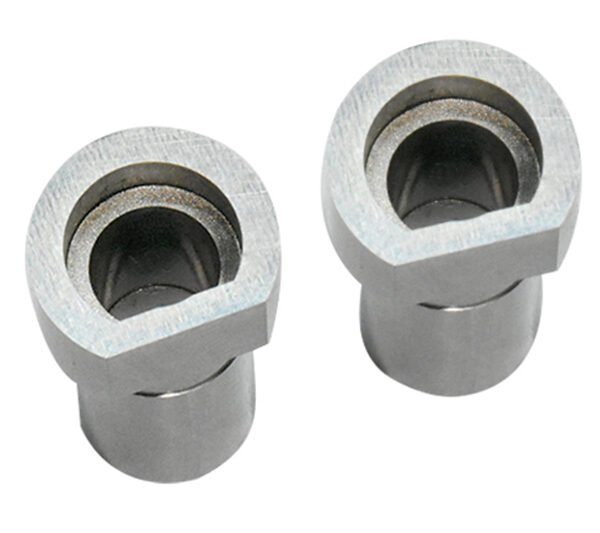
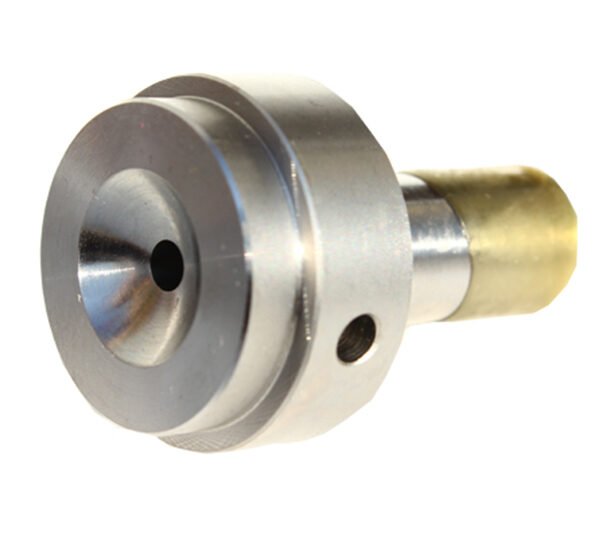
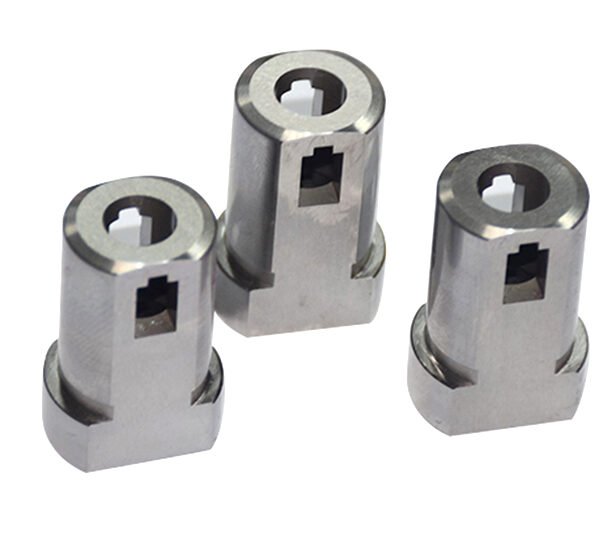
Same drawing, predictable results—next batch
Share revision, quantity ramp, and inspection level. We quote process route, ship date, and documentation in one structured response.