
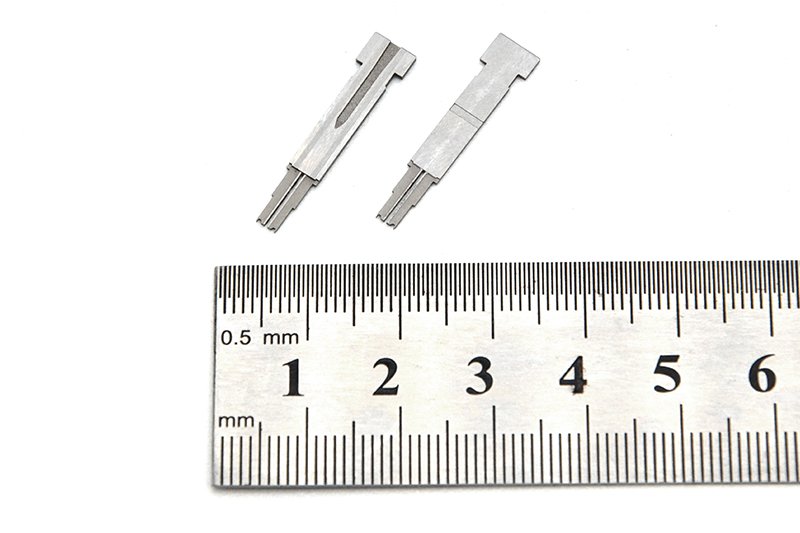
Plastic film parts · Precision mold insert
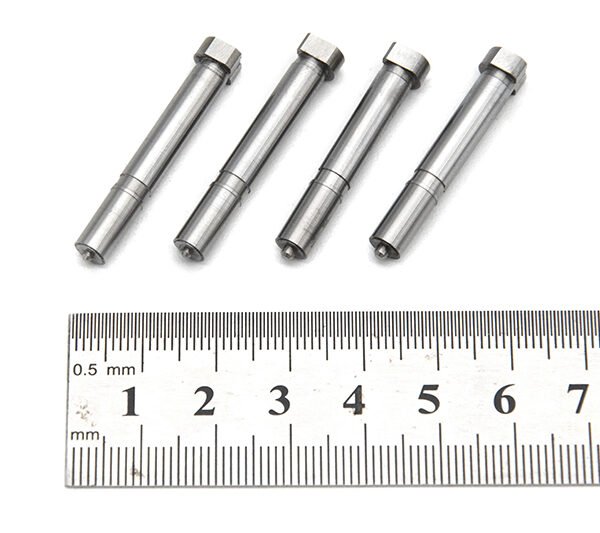
Board to Board, FPC, RF Mold Parts for Connector Assembly Board to board, FPC,RF mold parts
Brand Xuxiang Mold
Availability Made to drawing
RFQ pricing
Quote from STEP / PDF & quantity
Build cleaner, more reliable electronic assemblies with Board to board, FPC,RF mold parts designed to support compact connector systems and precise module integration. These molded components help protect delicate interconnects, improve positioning, and contribute to consistent fit during assembly. They are a practical choice for high-density electronics where space is limited and dependable connection geometry matters. Ideal for OEMs and contract manufacturers looking for a stable, production-friendly solution.
- ISO 9001:2015–oriented process & documented inspection paths
- Zeiss / Nikon class metrology available for critical dimensions
- DFM feedback from 10+ senior tooling engineers
- Dongguan HQ + Quanzhou capacity for volume programs
Overview
Board to board, FPC,RF mold parts are molded components used in electronic connector assemblies where compact size, reliable alignment, and repeatable production quality are essential. In many electronics builds, board-to-board connectors, flexible printed circuit (FPC) interfaces, and RF-related modules must fit into tight spaces without sacrificing mechanical stability. These molded parts help support that goal by providing structured housing, guided positioning, and protection for sensitive connection areas.
For buyers in consumer electronics, industrial devices, automotive subsystems, communications hardware, and other compact assemblies, the main value is not only shape retention but also assembly confidence. A well-designed molded part can reduce handling damage, improve connector seating, and support cleaner installation workflows. When systems rely on fine-pitch or high-density interfaces, even small improvements in part consistency can make production smoother.
Key Features and Benefits
These mold parts are typically selected for applications where the connector interface must remain stable under repeated assembly operations and in everyday use. Depending on the product design, they may be used to guide mating, protect nearby contacts, or provide a more secure mechanical frame around board-to-board, FPC, or RF connection points.
- Compact support for space-constrained electronic designs.
- Improved alignment to help reduce misfit during assembly.
- Protection for delicate connection areas and nearby components.
- Production efficiency through consistent molded geometry.
- Design flexibility for different connector layouts and device housings.
Because many modern devices require high-density routing and thinner enclosures, molded parts must do more than simply fill space. They often need to balance rigidity, dimensional consistency, and compatibility with surrounding components. That is especially important in assemblies using FPC or RF interfaces, where connector placement can directly affect signal integrity, serviceability, and final product appearance.
Typical Specifications
The exact configuration depends on the target connector and device architecture. The table below shows the kinds of attributes buyers usually evaluate when sourcing this type of molded part.
| Attribute | Typical Buyer Consideration |
|---|---|
| Product type | Molded component for board-to-board, FPC, or RF connector assemblies |
| Primary function | Alignment, protection, housing support, and assembly guidance |
| Application fit | Compact electronic devices and high-density modules |
| Material selection | Chosen based on strength, heat resistance, and processing needs |
| Dimensional control | Important for reliable mating and repeatable installation |
| Customization | Often available as application-specific or OEM-oriented tooling |
| Manufacturing focus | Suitable for volume production where consistency matters |
Common Applications
These parts are commonly considered for electronics that must combine miniaturization with dependable mechanical support. Typical use cases include portable consumer devices, camera modules, wireless equipment, embedded controllers, industrial sensing systems, and communication hardware. In these environments, a molded support part can help maintain clean connector placement while also improving the robustness of the assembly.
They are also useful when designs must manage vibration, repeated opening and closing of housings, or closely packed internal layouts. For manufacturers, the advantage is a more controlled assembly path. For product teams, the benefit is a better chance of achieving a compact design without creating avoidable stress around the interconnect zone.
Buying and Care Guidance
When selecting board-to-board, FPC, or RF mold parts, compatibility should be confirmed against the actual connector family, mating direction, available clearance, and assembly process. Buyers should also consider whether the part will be used in a prototype, pilot run, or high-volume production setting. A part that looks suitable visually may still be unsuitable if the dimensions, tolerance stack-up, or installation method do not match the real hardware.
For care and handling, store molded parts in a clean, dry environment away from dust and mechanical pressure. During assembly, avoid forcing parts into position, since that can affect fit or damage adjacent contacts. If the component is part of a serviceable product, keep replacement units organized by model or revision to reduce mix-up during maintenance.
For procurement, the best results usually come from sharing drawings, connector references, target device photos, and expected operating conditions early in the sourcing process. That helps ensure the molded part is designed around the real production need rather than a generic fit.
FAQ
What are the shipping options for these mold parts?
Shipping options typically depend on order quantity, tooling status, and destination. Small sample or prototype orders are often shipped differently from production batches, so it is best to confirm lead time and carrier method before placing the order.
How do I know if the part will fit my connector assembly?
Fit depends on the exact board-to-board, FPC, or RF connector type, as well as the device’s available clearance and mounting method. Provide drawings, samples, or connector part numbers whenever possible to verify compatibility before production.
Can these parts be used in both prototype and mass-production builds?
Yes, many buyers start with prototypes and later move to volume manufacturing using the same general part concept. For production use, dimensional consistency and repeatability become especially important.
How should I handle and store the parts before assembly?
Keep them in a clean, dry area and avoid stacking them under heavy pressure. This helps protect molded edges, surfaces, and any fine features that must remain accurate for assembly.
Are these mold parts suitable for RF-related applications?
They can be used in RF-related assemblies when the design is matched to the module layout and surrounding components. The actual suitability depends on the full system design, not only the molded part itself.
What if I need a custom shape or revision?
Custom versions are often possible for OEM projects, especially when a device has unique space limits or connector positioning. Share your target geometry and production requirements so the part can be evaluated properly.
What is the usual warranty or return approach?
Warranty and return terms usually depend on whether the item is standard, custom-made, or produced to drawing. Before purchase, confirm the policy for nonconforming parts, sample approvals, and revision changes.
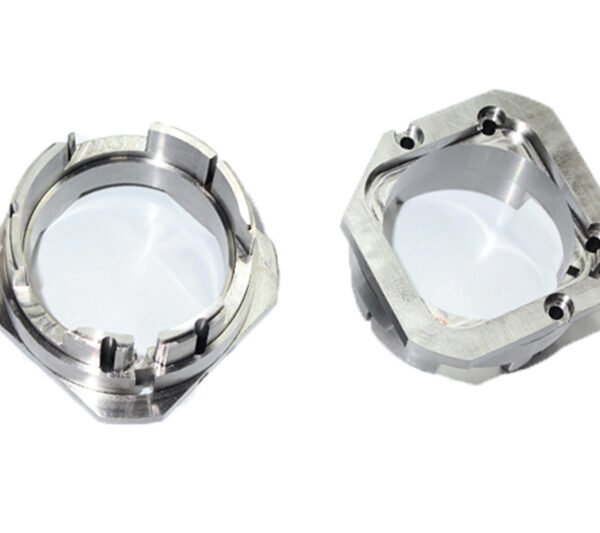
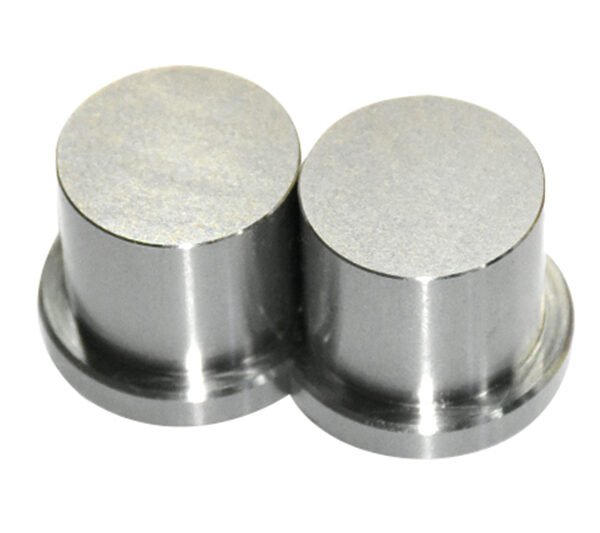
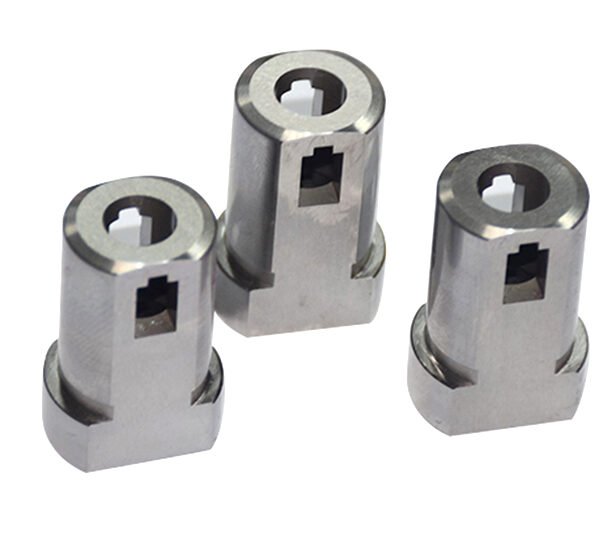
Same drawing, predictable results—next batch
Share revision, quantity ramp, and inspection level. We quote process route, ship date, and documentation in one structured response.