
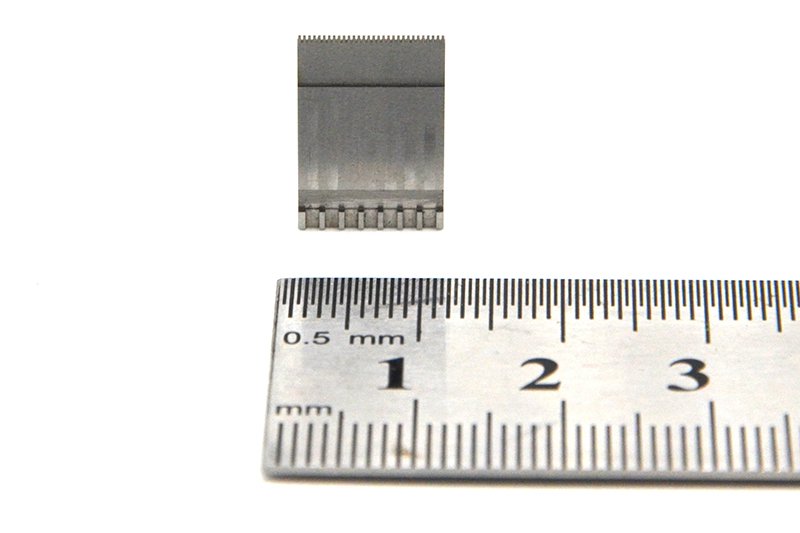
Plastic film parts · Precision mold insert
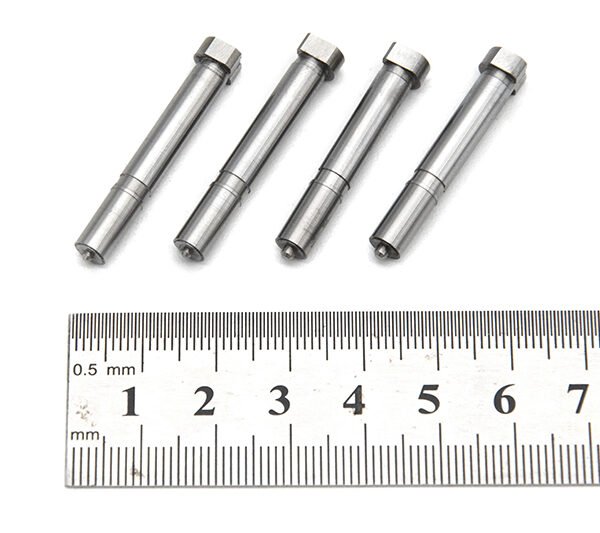
Board to Board, FPC, RF Mold Parts for Connector Applications Board to board, FPC,RF mold parts
Brand Xuxiang Mold
Availability Made to drawing
RFQ pricing
Quote from STEP / PDF & quantity
Engineered for demanding connector assemblies, Board to board, FPC,RF mold parts help support precise alignment, stable retention, and reliable signal pathways in compact electronic designs. These molded components are well suited for modern board-to-board, flexible circuit, and RF connector structures where consistency and fit matter.
Use them to improve manufacturability, protect delicate interfaces, and support clean integration in space-constrained devices. They are a practical choice for teams building reliable interconnect solutions across consumer, industrial, and automotive electronics.
- ISO 9001:2015–oriented process & documented inspection paths
- Zeiss / Nikon class metrology available for critical dimensions
- DFM feedback from 10+ senior tooling engineers
- Dongguan HQ + Quanzhou capacity for volume programs
What Are Board to Board, FPC,RF Mold Parts?
Board to board, FPC,RF mold parts are precision-molded components used in connector assemblies that link printed circuit boards, flexible printed circuits, and RF-related interconnect structures. In practical terms, they help create the housing, support, and insulation needed for compact connectors to perform consistently under repeated assembly and use. In many connector families, the molded part is what helps keep contacts properly positioned, protects delicate areas from damage, and supports a secure mechanical fit.
Because board-to-board and FPC connectors are often used in thin, high-density devices, the molded parts must be designed with careful attention to geometry, material behavior, and compatibility with the surrounding connector architecture. RF applications add another layer of importance, since stable alignment and controlled construction can support dependable performance in signal-sensitive environments.
Key Benefits for Connector Design and Assembly
These mold parts are valued for more than appearance alone. They play an important role in manufacturability, handling, and long-term product quality.
Precise fit: Molded structures help maintain the intended shape and spacing of connector features, which is especially important in compact electronic assemblies where tolerance control affects final performance.
Protection for delicate interfaces: FPC and RF connector systems can involve fragile contact areas. Molded parts help shield those areas during installation and normal handling.
Better assembly consistency: When a connector housing or support component is molded to specification, it can reduce variation across production runs and help support repeatable assembly.
Space-saving design support: Modern electronics often demand slim profiles. These parts are commonly used in low-profile connector concepts that must fit into tight device layouts without sacrificing reliability.
Application flexibility: Board-to-board, FPC, and RF interconnect platforms appear in many industries, so mold parts can be adapted for consumer devices, industrial modules, communication equipment, and automotive electronics.
Typical Product Attributes
| Attribute | Typical Guidance |
|---|---|
| Product type | Precision molded parts for connector assemblies |
| Primary use | Board-to-board, FPC, and RF connector structures |
| Design focus | Alignment, insulation, retention, and mechanical support |
| Material options | Engineering plastics selected for connector performance and processing needs |
| Customization | Possible by geometry, color, material, and application requirements |
| Compatibility | Depends on connector family, pitch, mounting style, and device design |
| Best for | High-density electronic assemblies with precise interconnect requirements |
Where These Parts Are Used
Board-to-board, FPC, and RF mold parts are commonly specified in products where connectors must be compact, stable, and easy to assemble. Typical use cases include smartphones, wearables, cameras, medical devices, communication modules, industrial controllers, automotive electronics, and other miniaturized systems.
They are especially useful when a design needs to connect flexible circuits or multiple boards inside a constrained enclosure. They also support RF-focused assemblies where connector alignment and structural consistency can help maintain dependable signal transfer. For buyers, this makes them a smart option when the goal is not only electrical connection, but also robust mechanical integration.
Buying and Application Guidance
When selecting mold parts for connector use, start by confirming the target connector family and the exact mechanical envelope of the assembly. Matching the part to the board spacing, FPC thickness, mounting method, and intended operating environment is essential for a successful fit.
It is also important to review material requirements early. Depending on the end product, you may need attention to heat resistance, dimensional stability, flame performance, or repeated insertion durability. If the part will be used in RF-sensitive equipment, stable geometry and consistent molding quality become even more important.
For production planning, ask about tooling support, customization options, and sample validation before committing to full-scale manufacturing. This is often the fastest way to reduce rework and ensure the mold part integrates cleanly with the final connector system.
FAQ
What are the typical shipping options for these mold parts?
Shipping options usually depend on order volume, customization level, and destination. Standard logistics, expedited shipping, and batch shipment arrangements may be available for production orders.
How do I know if the part is compatible with my connector design?
Compatibility depends on dimensions, mounting structure, pitch, board spacing, and the connector family being used. The safest approach is to compare drawings or request a sample for fit verification.
Can these parts be used in both FPC and board-to-board assemblies?
Yes, if the geometry and connector architecture are designed for that application. Always confirm the interface requirements because FPC and board-to-board designs can differ in retention and contact structure.
Are RF mold parts different from standard connector mold parts?
They can be. RF-related applications may place greater emphasis on stable alignment, precise molding, and consistent structure to support signal-sensitive assemblies.
How should these molded parts be stored before assembly?
Store them in a clean, dry environment away from direct heat, sunlight, and dust. Proper storage helps preserve dimensional quality and reduces contamination risk during production.
Do these parts require special maintenance after installation?
In most cases, no active maintenance is required beyond normal product care. However, the surrounding connector system should be protected from contamination, excess force, and improper mating during service.
Can I request custom dimensions or material options?
Custom dimensions and material selections are often possible for connector mold parts. Provide your drawings, target application, and performance needs so the supplier can assess feasibility.
What if the delivered parts do not fit my application?
Before ordering, confirm sample approval and return terms with the supplier. Fit issues are best avoided through pre-production validation, especially for precision connector components.
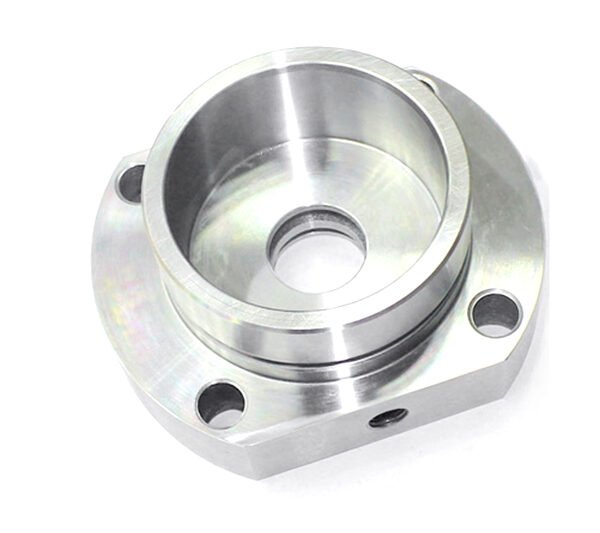
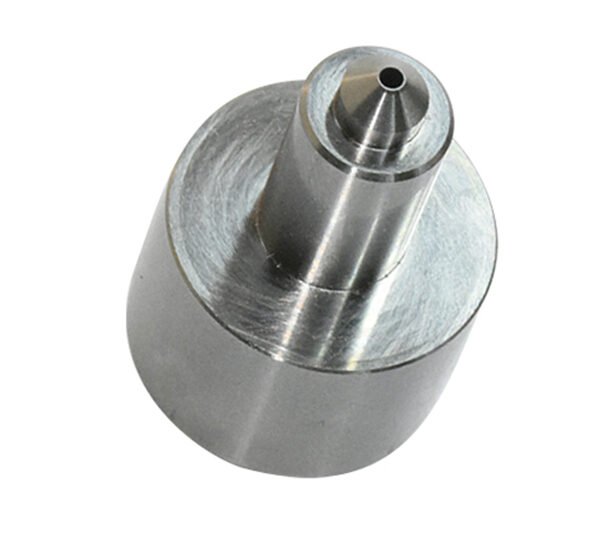
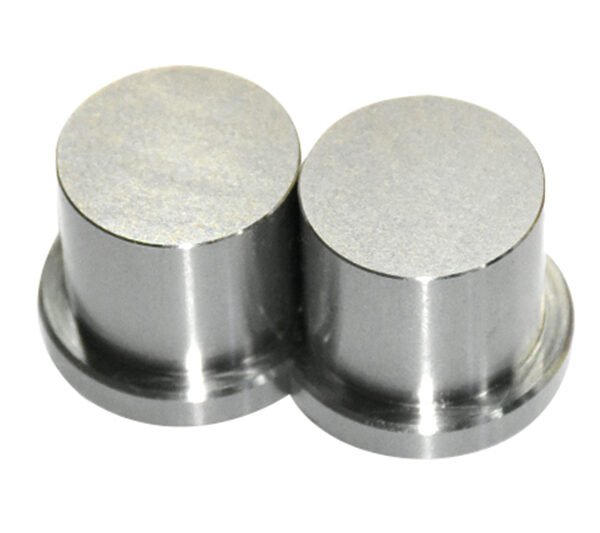
Same drawing, predictable results—next batch
Share revision, quantity ramp, and inspection level. We quote process route, ship date, and documentation in one structured response.