
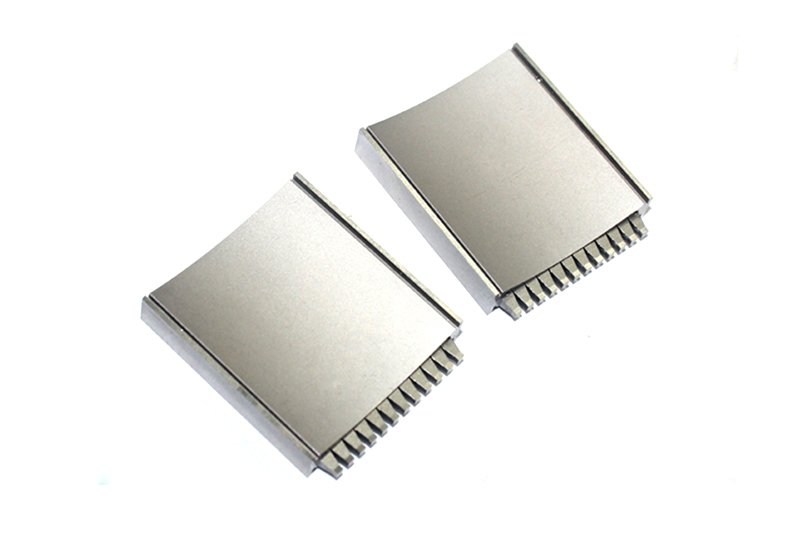
Plastic film parts · Precision mold insert
Automotive Connector Parts – Durable Electrical Connectors & Components for Vehicles
Brand Xuxiang Mold
Availability Made to drawing
RFQ pricing
Quote from STEP / PDF & quantity
Keep every circuit in your vehicle secure and reliable with our high‑quality automotive connector parts. Designed for modern 12V and 24V systems, these components help you build, repair, or upgrade wiring harnesses with confidence. From housings and terminals to seals and locking clips, each part is engineered for a precise fit and long-term performance. Whether you are an auto electrician, repair shop, or DIY enthusiast, you can achieve OEM-style connections without compromise. Upgrade your next project with professional-grade components that make installation clean, safe, and serviceable.
- ISO 9001:2015–oriented process & documented inspection paths
- Zeiss / Nikon class metrology available for critical dimensions
- DFM feedback from 10+ senior tooling engineers
- Dongguan HQ + Quanzhou capacity for volume programs
Professional-Grade Automotive Connector Parts for Reliable Vehicle Wiring
Automotive electrical systems demand connectors and components that can withstand vibration, temperature swings, and exposure to moisture, dust, and chemicals. Our range of automotive connector parts is curated to help you build and maintain wiring harnesses that are safe, durable, and easy to service over the life of a vehicle.
Whether you are replacing a damaged connector on a headlight, extending a sensor harness, or building a custom loom for motorsport or off-road use, the right connector parts make the difference between a quick fix and a long-lasting solution. With compatible housings, terminals, seals, and accessories, you can achieve consistent, OEM-style connections across passenger cars, trucks, SUVs, powersports, and specialty vehicles.
What Are Automotive Connector Parts?
Automotive connector parts are the individual components that, when combined, create a complete electrical connector assembly used in vehicles. Instead of buying a pre-terminated connector, many technicians prefer to assemble their own for maximum flexibility and reliability.
A typical automotive connector assembly may include:
- Connector housings – Plastic or composite shells that hold the terminals and provide mechanical support and keying.
- Male and female terminals – Metal contacts that crimp onto wires and mate to complete the circuit.
- Seals and grommets – Rubber or silicone elements that protect against water, dust, and engine bay contaminants.
- Secondary locks / terminal position assurance (TPA) – Clips that ensure each terminal is fully seated and locked.
- Boots and strain reliefs – Components that shield the wire entry point and reduce strain on the connection.
By selecting and assembling the right combination of these parts, you can create custom connectors tailored to wire gauge, circuit count, environment, and service requirements.
Key Features & Benefits
Our selection of automotive connector parts is chosen to meet the demands of professionals and serious enthusiasts alike. Key advantages include:
- Automotive-grade materials
Housings and seals are made from materials commonly used in automotive applications to resist heat, fluids, and mechanical stress, helping maintain secure connections in engine bays and underbody locations. - Secure mechanical locking
Most connector housings feature integrated latches or secondary locks that provide positive engagement feedback and reduce the risk of accidental disconnection from vibration. - Moisture and dust protection
Weatherproof designs with seals and grommets help protect circuits in exposed areas such as exterior lighting, trailer connections, or under-hood harness branches. - Compatibility with common wire sizes
Available terminals and housings are suitable for typical automotive wire gauges used in lighting, sensors, accessories, and power distribution, making them versatile across many repair or upgrade tasks. - Modular, serviceable design
Because these are discrete parts rather than sealed pigtail assemblies, you can disassemble, re-pin, or repair connectors without cutting into the harness, preserving integrity and reducing future troubleshooting effort. - Ideal for OEM-style repairs and custom builds
Use them to restore factory connectors on aging vehicles, adapt harnesses for engine swaps, or build entirely new looms for race cars, off-road rigs, and specialty equipment.
Specifications & Component Overview
The table below summarizes typical characteristics and options available within this product category. Exact details may vary by specific part or kit configuration.
| Attribute | Description |
|---|---|
| Product type | Individual automotive connector parts: housings, terminals, seals, locks, boots |
| Typical applications | Lighting, sensors, engine management, power accessories, chassis wiring, aftermarket electronics |
| Connector styles | Multi-pin rectangular housings, inline connectors, round connectors, weather-sealed variants |
| Number of ways (pins) | Common configurations from low-pin (2–4 way) to higher-pin counts for control modules |
| Wire size compatibility | Matched to typical automotive wire gauges used for low-current signals and medium-power circuits |
| Contact type | Crimp-style male and female terminals suitable for use with standard automotive crimp tools |
| Environmental protection | Options with weatherproof seals and boots for exterior and under-hood environments |
| Material characteristics | Automotive-grade plastics and elastomers designed for temperature, fluid, and vibration exposure |
| Serviceability | Connectors designed for de-pinning and re-assembly using appropriate extraction tools |
| Typical users | Auto electricians, repair garages, aftermarket installers, motorsport teams, DIY enthusiasts |
Use Cases & Who These Parts Are For
Automotive connector parts are suitable anywhere you need reliable, modular wiring connections. Typical use cases include:
- OEM-style repairs
Replace damaged or corroded connectors on headlights, taillights, sensors, coil packs, or fuel pumps without cutting and splicing wires unnecessarily. - Aftermarket accessory installation
Add driving lights, winches, auxiliary power sockets, dash cameras, and audio equipment with proper connectors instead of temporary crimp lugs or twist connections. - Engine swaps and custom harnesses
Build or adapt harnesses for engine conversions, standalone ECUs, or performance upgrades, where clean, labeled connectors simplify installation and diagnostics. - Motorsport and off-road builds
Use sealed, locking connectors for vehicles exposed to mud, water crossings, washdowns, and heavy vibration to prevent intermittent faults or disconnections. - Fleet and commercial vehicles
Improve uptime and serviceability for work trucks, vans, and specialty vehicles by standardizing connectors across common repair points.
Installation, Care & Buying Guidance
To get the most from your connector parts, it is important to select the correct components and install them using good practices.
Choosing the Right Parts
- Match the connector style and pin count to your application and to any existing mating connector on the vehicle.
- Check wire gauge compatibility so the terminals crimp securely around the conductor and insulation.
- For exposed locations, choose sealed connectors with appropriate grommets and boots to guard against moisture and corrosion.
- Consider service access: use connector styles that you can easily disconnect for future maintenance or component replacement.
Installation Tips
- Use a quality crimping tool designed for open-barrel or closed-barrel automotive terminals to ensure a gas-tight crimp and reliable strain relief.
- Follow the recommended strip length and crimp profile for each terminal type to avoid exposed strands or weak crimps.
- Insert each terminal until you hear or feel it click into place, then fit any secondary lock or TPA to secure all contacts.
- Route harnesses so that connectors are not under constant tension or sharp bending, and protect them from chafing against bodywork or engine components.
Care & Maintenance
- Periodically inspect connectors in harsh locations for signs of damage, corrosion, or loose latches, especially on off-road or work vehicles.
- If required, use electrical contact cleaner designed for automotive use to clean terminals before re-assembly.
- Replace any cracked housings, hardened seals, or heat-damaged terminals to maintain reliability over time.
Investing in quality automotive connector parts pays off in reduced electrical faults, easier diagnostics, and cleaner installations that look and perform like factory wiring.
FAQ
Are these automotive connector parts compatible with my vehicle?
These parts are designed around common automotive connector styles and wire sizes used in many vehicles. However, compatibility depends on your existing connectors, pin count, and wire gauge. Compare the housing shape and locking features, and verify the number of ways and wire size before purchasing.
Do I need special tools to use these connectors?
For best results, you should use an automotive-grade crimp tool that matches the style of terminals you are working with. A proper crimp tool ensures reliable electrical contact and mechanical strength, which is critical for vehicle wiring exposed to vibration.
Can I use these parts in engine bay or exterior locations?
Yes, many of the connector parts are suitable for under-hood or exterior use when combined with the correct seals, grommets, and boots. Always select weather-sealed components for exposed areas and route wiring away from extreme heat sources and moving parts.
How should I care for connectors once installed?
Inspect connectors during routine maintenance for signs of corrosion, damage, or loose locking tabs. Clean accessible terminals with appropriate electrical contact cleaner if needed, and replace any connectors that show cracking, discoloration, or moisture ingress.
What if I order the wrong connector or pin count?
If you receive connector parts that do not match your application, you can typically return them in unused, resalable condition according to the store’s returns policy. Check specific return timeframes and packaging requirements on your order confirmation or account page.
Do these connector parts come pre-wired?
No, these products are supplied as individual components such as housings, terminals, and seals. You will crimp or assemble them onto your own wiring harness, giving you full control over wire length, routing, and labeling.
Can I use these connectors on 24V systems as well as 12V?
Most automotive-grade connectors are suitable for both 12V and 24V vehicle systems when used within their current and environmental limits. Ensure that your chosen terminals and wire gauge are appropriate for the current load of the circuit.
How long does shipping usually take?
Shipping times vary depending on your location and the shipping method selected at checkout. Standard shipping typically takes several business days, while express options are faster. Estimated delivery dates will be shown during checkout and in your order confirmation.
What is your warranty or guarantee on these parts?
Connector parts are generally covered against manufacturing defects for a limited period as specified by the store or brand. This typically includes issues such as faulty molding or missing components, but not damage caused by improper installation or misuse.
Can I buy mixed assortments instead of single parts?
Many buyers prefer assortment packs that include a range of housings, terminals, and seals to cover multiple repair scenarios. Check product options and related items to see available kits that bundle popular connector types for workshop or mobile use.
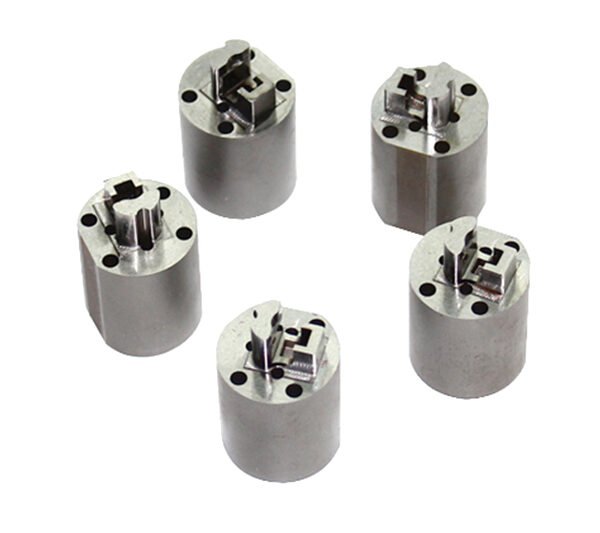
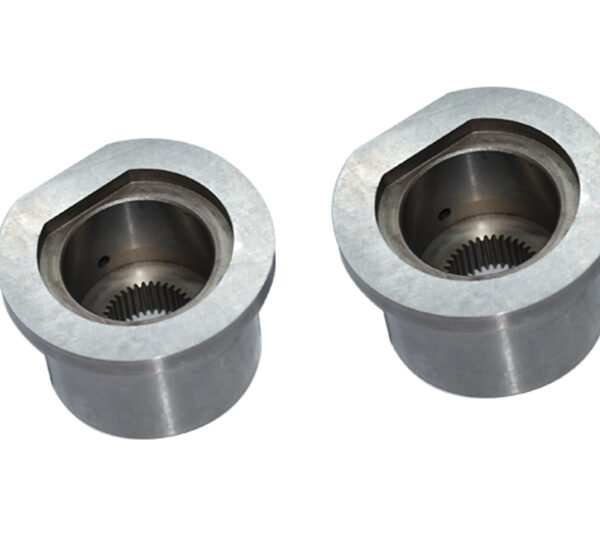
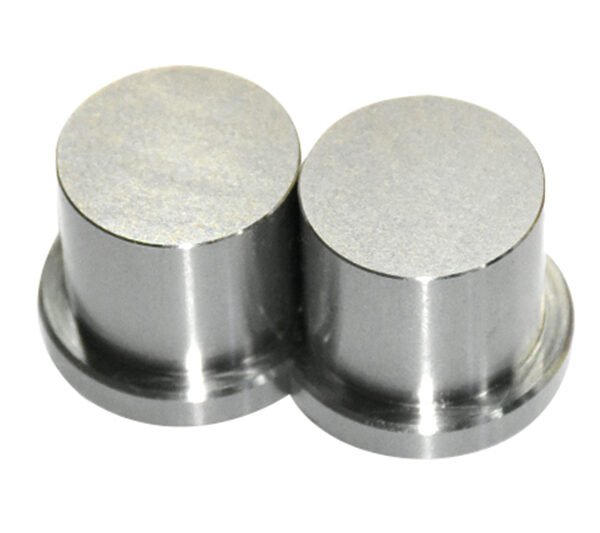
Same drawing, predictable results—next batch
Share revision, quantity ramp, and inspection level. We quote process route, ship date, and documentation in one structured response.