
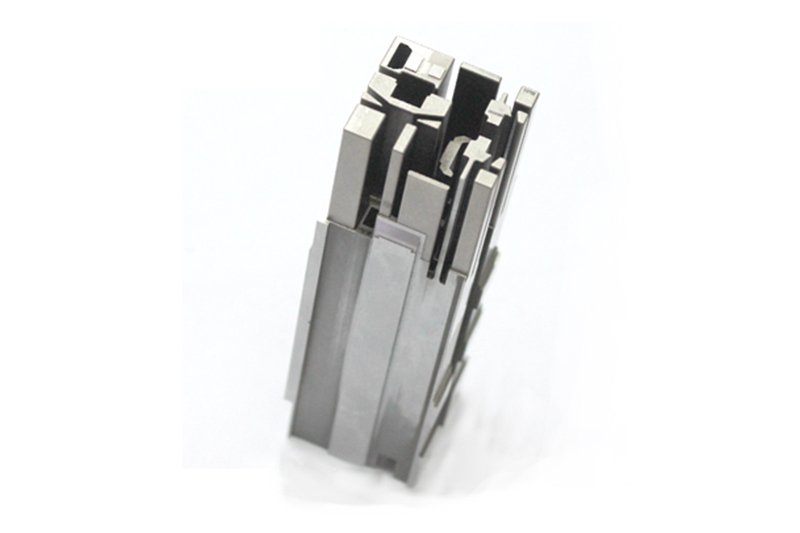
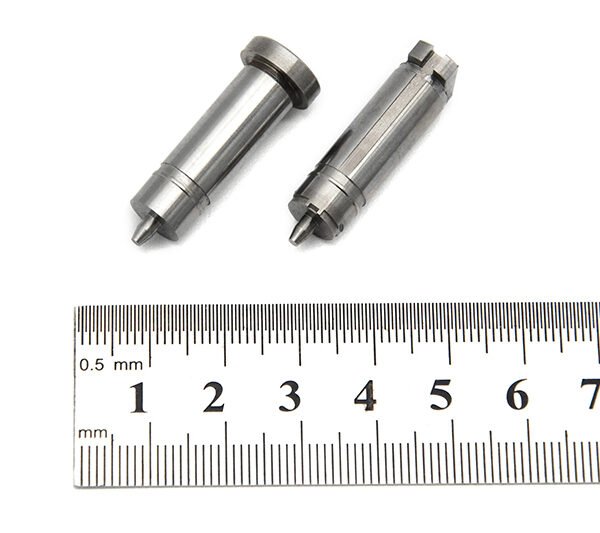
Plastic film parts · Precision mold insert
Automotive Connector Parts – Durable Electrical Connectors & Terminals for Vehicles
Brand Xuxiang Mold
Availability Made to drawing
RFQ pricing
Quote from STEP / PDF & quantity
Keep every circuit in your vehicle reliable with high‑quality automotive connector parts engineered for harsh under‑hood environments. Designed for secure mating, vibration resistance, and easy assembly, these components help prevent intermittent faults, corrosion, and costly electrical issues. From sealed multi‑pin housings to terminals, seals, and locking tabs, you can build or repair wiring looms with OEM‑style results. Perfect for custom builds, fleet maintenance, or everyday repairs, they support a wide range of sensors, lighting, power, and ECU connections. Upgrade your next project with automotive connector parts that are built to last.
- ISO 9001:2015–oriented process & documented inspection paths
- Zeiss / Nikon class metrology available for critical dimensions
- DFM feedback from 10+ senior tooling engineers
- Dongguan HQ + Quanzhou capacity for volume programs
Professional-Grade Automotive Connector Parts for Reliable Vehicle Wiring
Automotive electrical systems demand components that can withstand heat, vibration, moisture, and constant use without failing. Our range of automotive connector parts is designed to help technicians, builders, and DIY enthusiasts create secure, long‑lasting wiring connections in cars, trucks, off‑road vehicles, powersports equipment, and more.
Whether you are repairing a damaged harness, adding aftermarket accessories, or building a complete custom loom from scratch, using the right connector parts is essential. Properly matched housings, terminals, seals, and accessories ensure stable contact, minimize voltage drop, and help protect sensitive electronics such as ECUs, sensors, and control modules from intermittent faults.
These components follow common automotive connector families used across the industry and are compatible with many OEM‑style harnesses when correctly selected for pin layout, locking style, and wire gauge. With the right selection, you can achieve professional, factory‑quality results in your workshop or garage.
Key Features & Benefits
Our automotive connector parts are chosen to support dependable electrical performance in demanding automotive environments.
- Automotive-grade materials: Connector housings and terminals are made from robust, heat‑resistant materials suitable for under‑hood and interior use, helping resist deformation, cracking, and corrosion.
- Secure mechanical locking: Many connectors include positive locking tabs and secondary locks that help prevent accidental disconnection due to vibration or movement.
- Moisture and dust protection: When paired with the appropriate seals and backshells, many connector styles offer enhanced resistance to water, road spray, and contaminants, ideal for engine bays and exterior locations.
- Support for common wire gauges: Matching terminals and housings are available to suit typical automotive wire sizes, allowing you to maintain correct current carrying capacity and reliable crimp performance.
- Versatile pin counts and configurations: From simple two‑pin connectors for lighting or sensors to multi‑pin connectors for ECUs and modules, you can match the number of circuits needed for your project.
- Serviceable & re‑usable: Many connector systems are designed to be depinned and repinned using appropriate tools, so you can repair or modify harnesses without cutting and splicing wherever possible.
- Supports OEM‑style repairs: Using the correct connector families and terminals allows you to restore wiring to a near‑factory condition, improving reliability over generic universal connectors.
Specifications & Key Attributes
The table below summarizes typical characteristics and options for these automotive connector parts. Actual details depend on the specific connector series and part number you select.
| Attribute | Description |
|---|---|
| Product type | Automotive electrical connector components (housings, terminals, seals, accessories) |
| Typical applications | Engine bay wiring, sensors, lighting, ECU connections, modules, interior harnesses, accessories |
| Connector styles | Sealed and unsealed multi‑pin and single‑pin connectors, inline and panel‑mount variants |
| Pin / cavity counts | Ranges from low‑pin (e.g. 1–4 circuits) to higher‑pin multi‑way connectors depending on series |
| Wire gauge compatibility | Supported for common automotive wire sizes; select terminals to match the conductor size used |
| Material (housings) | Automotive‑grade engineered plastics designed for thermal and chemical resistance |
| Material (terminals) | Copper‑alloy or similar conductive metals with suitable plating for corrosion resistance |
| Environmental protection | Many connector families offer enhanced sealing against moisture and contaminants when used with matching seals |
| Mounting style | Inline harness connectors, some options suitable for bulkhead or panel mounting depending on series |
| Tools required | Appropriate crimping tools and depinning tools recommended for reliable assembly and service |
| Typical industries | Automotive, motorsport, off‑road, agriculture, construction equipment, marine (depending on series) |
Typical Use Cases & Who These Parts Are For
Automotive connector parts are suitable for a wide range of users and applications, from occasional DIY repairs to professional harness manufacturing.
- Vehicle repair shops & auto electricians: Replace damaged or corroded OEM connectors on engine harnesses, sensors, ignition components, lighting, and accessories with parts that match the function and quality required.
- Custom car and motorsport builders: Build bespoke wiring looms for race cars, track vehicles, off‑road rigs, or custom street builds, choosing connector styles that balance durability, ease of service, and weight.
- Upfitters and installers: Integrate additional lighting, communication equipment, telematics, winches, and power management systems into commercial fleets or recreational vehicles using connectors that support easy service and troubleshooting.
- Enthusiast DIY projects: Clean up previous wiring modifications, remove unreliable twist connections or generic splices, and replace them with crimped, properly terminated connectors for greater confidence and safety.
- Equipment and machinery OEMs: Use recognized automotive‑grade connector systems when designing harnesses for vehicles, trailers, agricultural machinery, and similar equipment that face demanding conditions.
By selecting automotive connector parts that match the right wire size, pin count, and environmental needs, you can simplify troubleshooting, reduce downtime, and improve long‑term reliability.
Selection, Installation, and Care Guidance
Choosing and installing the correct automotive connector parts is as important as the components themselves. The following best practices help ensure a reliable result.
- Match wire gauge and terminal size: Always choose terminals that are designed for the actual conductor size you are using. This ensures a firm mechanical crimp and good electrical contact.
- Verify pin count and layout: Confirm the number of circuits, keying, and indexing so the new connector mates properly with the existing counterpart or component.
- Use appropriate crimp tools: Dedicated crimpers designed for the terminal style are strongly recommended. Correct tooling helps achieve consistent crimps, reduces the risk of loose connections, and maintains warranty where applicable.
- Complete the sealing system: For sealed connectors, always use the specified wire seals, cavity plugs, and backshells or boots. Incomplete sealing may allow moisture ingress that can lead to corrosion and intermittent faults.
- Avoid excessive strain: Route harnesses to minimize sharp bends, tension, and contact with sharp edges. Use cable ties and loom tubing or conduit where appropriate to protect the wiring.
- Inspect periodically: In high‑vibration or harsh environments, periodic visual checks for broken locks, loose connectors, or damaged boots can catch issues before they become failures.
- Keep contacts clean: During assembly, avoid contamination from oils, dirt, or moisture on terminals. When servicing, use suitable contact cleaners if needed and allow components to dry fully before reconnection.
Taking the time to select, assemble, and protect your connectors properly helps maintain stable voltages and signal integrity throughout the vehicle’s electrical system, reducing diagnostic headaches and improving reliability.
FAQ
How do I know which automotive connector parts are compatible with my vehicle?
Check the existing connector’s shape, locking style, pin count, and wire gauge, and compare these details with the product specifications. When possible, reference the original part number or vehicle wiring diagrams to ensure a correct match.
Can I use these connectors for engine bay and exterior applications?
Many connector families are suitable for under‑hood and exterior areas when used with the correct seals and accessories. Always confirm that the specific connector series you choose is intended for the temperature, moisture, and chemical exposure expected in your installation.
Do I need special tools to crimp and assemble automotive connector parts?
For best results, use crimp tools designed for the terminal style and wire size you are working with. Proper tools help create reliable crimps and reduce the risk of loose or overheated connections, especially in high‑current circuits.
What is the best way to remove or repin terminals from a connector housing?
Use the recommended depinning tools or extraction tools for the connector series. These tools release the locking tangs holding the terminal in place, allowing you to remove the contact without damaging the housing or the wire.
Are these automotive connector parts suitable for aftermarket accessories?
Yes. They are widely used to connect aftermarket lighting, audio equipment, winches, sensors, and other accessories. Choose connectors with suitable pin count, current capacity, and environmental protection for your specific accessory.
How should I protect connectors from moisture and corrosion over time?
Use the correct seals and boots, route harnesses away from direct splash where possible, and avoid leaving unused cavities open. In particularly harsh environments, periodic inspection and the use of appropriate protective sprays or covers can further improve durability.
What is your policy on returns or exchanges if the connector parts do not fit?
If you order the wrong connector parts, you can usually return or exchange unused items within the stated return period, provided they are in resellable condition. Always review the store’s specific return and warranty terms before purchase.
How long does shipping usually take for automotive connector orders?
Shipping times depend on your location and the shipping method selected at checkout. Standard delivery typically takes a few business days, while expedited options are available for urgent repairs or projects where time is critical.
Can these connector parts be mixed with existing OEM connectors on my vehicle?
Yes, as long as the connector series and part numbers match, or you are creating compatible mating pairs. Mixing unrelated connector types on a single harness is possible, but each pair must mate correctly and meet the electrical and environmental requirements of the circuit.
How do I choose the right connector for higher-current circuits?
Select connectors and terminals rated for the expected current, and always match them with appropriate wire gauge. When in doubt, choose a connector family specifically intended for power distribution and follow best practices for fusing and circuit protection.
Same drawing, predictable results—next batch
Share revision, quantity ramp, and inspection level. We quote process route, ship date, and documentation in one structured response.