
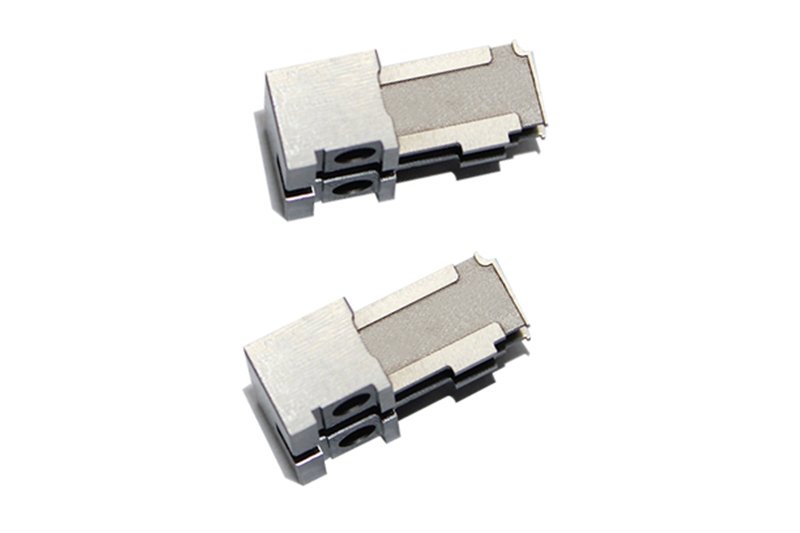
Plastic film parts · Precision mold insert
Automotive Connector Parts – Universal Electrical Connectors, Terminals & Seals
Brand Xuxiang Mold
Availability Made to drawing
RFQ pricing
Quote from STEP / PDF & quantity
Keep every circuit in your vehicle reliable with this curated range of high‑quality automotive connector parts. From housings and terminals to seals and locking tabs, you can repair, upgrade, or build wiring harnesses with confidence. Designed for harsh automotive environments, these components help prevent intermittent faults, corrosion, and costly downtime. Whether you are an OEM, workshop, motorsport team, or DIY enthusiast, you can match and replace worn connectors quickly. Build clean, professional, and safe electrical installations that stand up to heat, vibration, and road grime.
- ISO 9001:2015–oriented process & documented inspection paths
- Zeiss / Nikon class metrology available for critical dimensions
- DFM feedback from 10+ senior tooling engineers
- Dongguan HQ + Quanzhou capacity for volume programs
Professional-Grade Automotive Connector Parts for Reliable Vehicle Wiring
Modern vehicles depend on complex electrical and electronic systems, and a single weak connection can cause frustrating faults or complete failures. Our range of automotive connector parts is designed to help you build, repair, or upgrade wiring looms and harnesses with the same attention to detail used by leading OEMs and motorsport teams. These parts form the critical interface between wires, sensors, modules, and accessories in passenger cars, trucks, buses, off‑road vehicles, powersports machines, marine applications, and more.
Instead of replacing whole harnesses or improvising with generic plugs, you can select purpose‑built connector housings, matching terminals, seals, and accessories that are engineered specifically for automotive environments. The result is improved reliability, easier diagnostics, and a professional finish on every project.
What Are Automotive Connector Parts?
Automotive connector parts are the individual components that make up an electrical connector system in a vehicle. Rather than being a single piece, most automotive connectors are modular, allowing you to configure and service them as needed. Typical assemblies include:
- Connector housings – Plastic shells that locate and protect the terminals while providing the mating interface.
- Male and female terminals – Metal contacts crimped or soldered to the wire to carry current and signal.
- Wire seals – Small rubber or silicone seals that sit around the wire to keep moisture and contaminants out.
- Interface seals – Perimeter seals at the mating face of a connector for high‑sealing systems.
- Locks and TPA (Terminal Position Assurance) – Secondary locks to prevent terminals backing out.
- Mounting clips and brackets – Hardware to secure connectors to panels, engine bays, or frames.
By choosing the correct combination of these parts, you can mirror OEM‑style connections or build fully custom harnesses that still use robust, serviceable, and standardized components.
Key Features & Benefits
- Automotive‑grade materials
Housings are typically molded from high‑temperature, impact‑resistant plastics, while terminals use conductive copper alloys with protective plating to resist corrosion and arcing. - Secure mechanical retention
Integrated latches, locking tabs, and secondary locks reduce the risk of connectors loosening due to vibration, road shocks, or repeated service. - Environmental sealing options
Choose from sealed and unsealed systems. Sealed connectors use individual wire seals and face seals to help keep out water, dust, salt spray, and engine‑bay grime, making them ideal for under‑hood and chassis locations. - Versatile pin counts and layouts
Common configurations range from simple 1‑way connectors for sensors to multi‑way housings for complex modules, allowing you to match the application and reduce bulk. - Serviceability and modularity
Damaged terminals or wires can be de‑pinned and replaced individually, which saves time and cost compared with replacing a complete harness. - Compatibility with common tooling
Most terminals are designed for standard open‑barrel or closed‑barrel crimp tools, helping technicians achieve reliable, repeatable crimps. - Clean, professional appearance
Using matched connector parts instead of generic splices or tape gives your wiring a factory‑level look and simplifies future troubleshooting.
Specifications & Key Attributes
The table below summarizes typical attributes for automotive connector parts. Individual items may vary by series and manufacturer, so always confirm critical details before final selection.
| Attribute | Description |
|---|---|
| Product type | Automotive connector parts: housings, terminals, seals, locks, accessories |
| Typical applications | Engine bay wiring, chassis looms, lighting, sensors, ECUs, infotainment, accessories |
| Environmental options | Sealed (weather‑resistant) and unsealed connector systems |
| Wire size compatibility | Designed for common automotive wire gauges; select terminals to match your cable size |
| Mounting style | In‑line, panel‑mount, bulkhead, and bracket‑mounted options available |
| Mating style | Male/female plug and receptacle pairs, tab and receptacle, multi‑pole housings |
| Contact material | Automotive‑grade copper alloy contacts with protective plating |
| Insulation & housing material | High‑temperature, impact‑resistant thermoplastic suitable for automotive environments |
| Color options | Commonly black, gray, or application‑coded colors for easy identification |
| Tooling | Compatible with industry‑standard hand crimpers and extraction tools; check series‑specific requirements |
Use Cases: Who These Connector Parts Are For
Because they are so versatile, automotive connector parts are used in a wide range of projects and industries. Typical users include:
- Automotive workshops and garages
Replace damaged factory plugs, repair accident or corrosion damage, and add accessories without compromising safety or reliability. - Motorsport and performance builders
Create lightweight, robust looms for race cars, off‑road trucks, track toys, and custom builds where reliability and quick serviceability are critical. - OEMs and specialist vehicle manufacturers
Specify consistent connector platforms across multiple models to simplify production, spares, and service. - Auto electricians and mobile installers
Stock common connector families, terminals, and seals to support a wide variety of vehicles in the field. - DIY enthusiasts and restorers
Upgrade old, brittle connectors, clean up previous repair work, or integrate modern electronics into classic vehicles. - Off‑road, marine, and powersports users
Take advantage of sealed connectors that stand up to mud, water, vibration, and temperature extremes.
Whether you are simply replacing a broken headlight plug or re‑looming an entire project car, having the right connector components on hand helps you complete jobs faster and with greater confidence.
Buying Guidance & Best Practices
Choosing the right automotive connector parts is about more than just picking a plug that fits. To get the best results, keep the following guidelines in mind:
- Match the connector series
Wherever possible, identify the existing connector family or series (often used by major OEMs) and select parts from the same platform for guaranteed fit and function. - Check wire size and insulation
Terminals are designed for a specific range of conductor sizes and insulation thickness. Using the correct match ensures strong crimps, proper sealing, and long‑term reliability. - Choose sealed vs. unsealed wisely
Use sealed connectors for exposed locations such as engine bays, wheel wells, and undercarriage areas. Unsealed connectors may be suitable for interior or protected areas. - Use the right crimp tools
Invest in quality crimping tools that are compatible with your chosen terminals. Correct tooling dramatically reduces the chance of intermittent faults and overheating. - Plan your harness layout
Think about serviceability, routing, and strain relief. Use appropriate cable ties, loom tubing, and mounting points so connectors are not hanging unsupported. - Label and document
Label connectors and keep notes or diagrams of pin assignments. This saves considerable time during troubleshooting or future upgrades.
Following these practices helps you get the full benefit from high‑quality connector components and minimizes time spent chasing electrical gremlins later.
FAQ
How do I know which automotive connector parts will fit my vehicle?
The best approach is to identify the style and series of your existing connector, often by comparing the shape, latch design, and pin count. Many technicians also reference service manuals or parts diagrams to confirm compatibility before ordering replacements.
Are these connector parts compatible with both 12V and 24V systems?
Most automotive connector parts are designed for typical low‑voltage vehicle systems and can be used in 12V and 24V applications, provided the current and insulation ratings are respected. Always ensure the terminals and wire sizes are appropriate for the load in your specific circuit.
Do I need special tools to install the terminals and seals?
For best results, use a suitable open‑barrel or closed‑barrel crimp tool that matches the style of terminal you are using. Dedicated tools help achieve consistent crimps and ensure the seals are compressed correctly. A small pick or extraction tool is also helpful for de‑pinning connectors without damage.
Can I use these parts to repair damaged factory connectors instead of replacing the whole harness?
Yes, one of the main advantages of modular connector systems is that you can often replace only the damaged housing, terminal, or seal. This can save significant time and cost compared with purchasing and installing a complete new harness.
What is the difference between sealed and unsealed connectors?
Sealed connectors include wire seals and face seals to help keep out moisture, dust, and contaminants, making them ideal for harsh environments such as engine bays and under‑carriage locations. Unsealed connectors are typically used in dry, protected areas like vehicle interiors.
How should I care for and maintain electrical connectors on my vehicle?
Inspect exposed connectors periodically for signs of corrosion, damaged locking tabs, or broken seals. Clean lightly corroded terminals with appropriate electrical contact cleaner and ensure connectors are fully latched after service. Avoid pulling on wires to disconnect; always release the latch first.
Do these connector parts come with any warranty or return option?
Warranty and return policies vary by supplier, but most reputable distributors offer coverage against manufacturing defects for a defined period. Check the specific terms when purchasing and retain your invoice so any issues can be handled quickly.
How long does shipping usually take for automotive connector parts?
Shipping times depend on your location and chosen delivery service. Many orders ship within a few business days from stock, with express options available if you need parts urgently for workshop or motorsport deadlines.
Can I mix different brands of terminals and housings?
In many cases, it is best not to mix brands unless they explicitly use the same connector system standard. Even small differences in dimensions can affect fit, sealing, and retention. For critical applications, use terminals and housings from the same compatible family.
What if I am unsure which parts I need for a custom wiring project?
If you are planning a custom loom, start by listing your devices, current loads, and installation environment. From there, you can choose connector families that meet your needs and then select the appropriate housings, terminals, and seals. When in doubt, many suppliers and auto electricians can provide guidance based on your project details.
Same drawing, predictable results—next batch
Share revision, quantity ramp, and inspection level. We quote process route, ship date, and documentation in one structured response.