
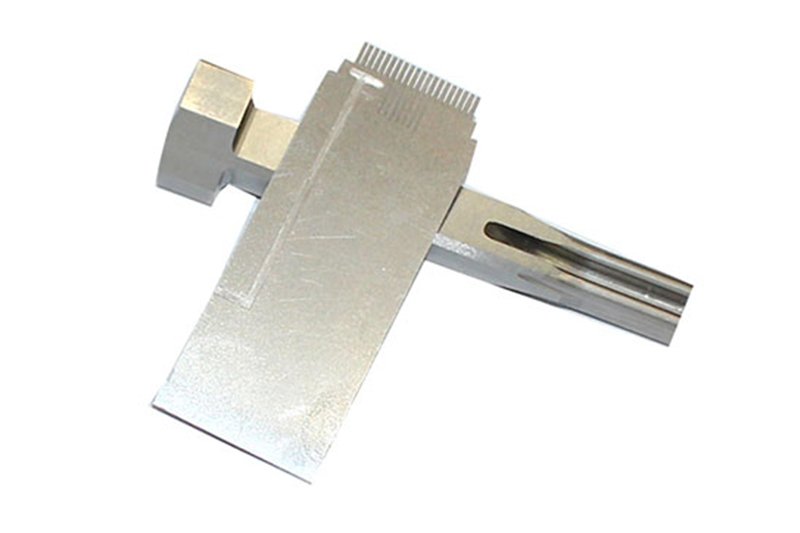
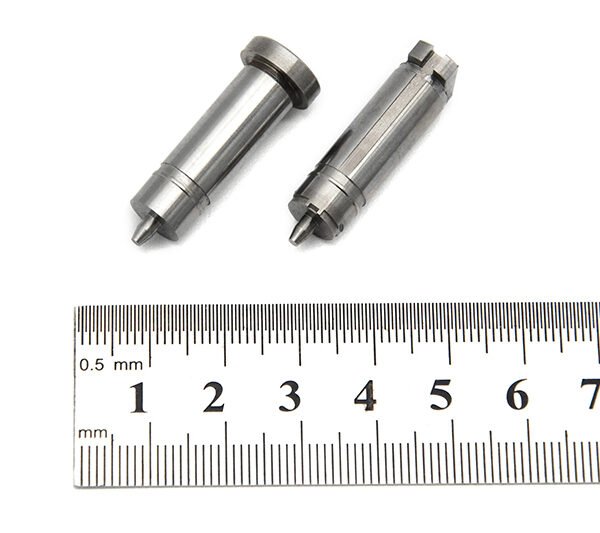
Plastic film parts · Precision mold insert
Automotive Connector Parts – Durable Electrical Connectors & Terminals Kit
Brand Xuxiang Mold
Availability Made to drawing
RFQ pricing
Quote from STEP / PDF & quantity
Keep your vehicle’s wiring reliable and easy to service with this premium selection of automotive connector parts. Designed for modern 12V and 24V systems, these components help you create secure, vibration-resistant connections throughout your electrical harness. Whether you are repairing OEM wiring or building a custom loom, the kit makes routing, terminating, and troubleshooting far more efficient. High-quality housings and terminals reduce intermittent faults and help protect sensitive electronics from moisture and corrosion. Ideal for professional auto electricians, motorsport builders, and DIY enthusiasts who demand dependable performance.
- ISO 9001:2015–oriented process & documented inspection paths
- Zeiss / Nikon class metrology available for critical dimensions
- DFM feedback from 10+ senior tooling engineers
- Dongguan HQ + Quanzhou capacity for volume programs
Professional-Grade Automotive Connector Parts for Reliable Wiring
These automotive connector parts are designed to give you a clean, reliable, and serviceable wiring solution for virtually any vehicle platform. From daily-driven passenger cars to off-road trucks, race cars, and custom builds, secure electrical connections are critical to keep modern electronics functioning correctly.
Instead of relying on brittle, mismatched, or improvised plugs, this range of connectors, terminals, and seals allows you to match OEM-style terminations or create robust custom harnesses that stand up to heat, vibration, moisture, and road grime. Compatible with typical 12V and 24V systems used in passenger vehicles, light commercial trucks, agricultural machinery, and powersports applications, they form the backbone of a dependable electrical system.
Carefully chosen materials and contact designs help minimize voltage drop, reduce the risk of intermittent faults, and make future diagnostics far easier. When each circuit uses a correctly sized, keyed connector, component replacement and upgrades are straightforward, and the risk of mis-connection is dramatically reduced.
Key Features & Benefits
Engineered for real-world automotive environments, these connector parts focus on durability, serviceability, and flexibility across multiple vehicle platforms.
- Wide compatibility: Suitable for common automotive wiring sizes and typical sensor, lighting, ignition, power, and accessory circuits across many OEM and aftermarket systems.
- Secure mechanical locking: Most housings feature positive locking tabs or latches, helping prevent accidental disconnects under vibration, off-road use, or track conditions.
- Corrosion-resistant contacts: Terminals are made from conductive base metals with protective plating to help resist oxidation in humid or salted-road environments.
- Moisture and dust protection: Many connector bodies accept seals or grommets to help keep water, dust, and engine-bay contaminants away from the contact interface.
- Color- and key-coded designs: Differently keyed housings and distinct color options help reduce the risk of cross-connecting similar-looking circuits during assembly or service.
- Service-friendly layout: Proper connectors at each component make troubleshooting much faster than chasing hard-wired splices or unmarked crimp joints.
- Versatile applications: Suitable for harness repairs, retrofits, engine swaps, auxiliary lighting, audio upgrades, and complete custom loom builds.
Specifications & Key Attributes
The following table summarizes the core characteristics of these automotive connector components. Exact details such as cavity count, pin style, and sealing method vary by specific connector series, but the general attributes below reflect the typical design criteria you can expect.
| Attribute | Description |
|---|---|
| Product type | Automotive electrical connector housings, terminals, and seals |
| Typical applications | Lighting, sensors, ignition, fuel systems, ECU connections, accessories, power distribution |
| Compatible wire ranges | Designed for common automotive wire sizes used in low-voltage 12V/24V systems |
| Contact material | Conductive metal terminals with anti-corrosion plating |
| Insulator / housing material | Durable automotive-grade plastic suitable for engine bay and cabin environments |
| Locking mechanism | Integrated latching tabs or locking clips to prevent accidental disconnection |
| Sealing options | Many connector styles accept wire seals or grommets to help resist moisture and dust |
| Configuration options | Available in various pin counts and gender configurations (male/female) as required |
| System voltage suitability | Designed for standard automotive low-voltage circuits (e.g., 12V and 24V systems) |
| Tools required | Automotive open-barrel crimp tool or equivalent, plus standard harness-building tools |
Use Cases & Who This Is For
These automotive connector parts are suitable for a broad range of users and projects, from quick repairs to ground-up wiring jobs.
- Professional auto electricians: Standardize the connectors you keep in stock so you can quickly restore damaged harnesses, replace brittle housings, and add new circuits without compromising reliability.
- Performance and motorsport builders: Upgrade vulnerable factory connections with motorsport-grade layouts, build custom engine looms, and simplify component changes between test days or events.
- DIY enthusiasts and restorers: Replace cracked or obsolete factory plugs, clean up previous-owner wiring hacks, and ensure that lights, gauges, and accessories work reliably.
- Upfitters and specialty vehicle builders: Implement repeatable, documented wiring standards across fleets of converted vans, emergency vehicles, utility trucks, or recreational builds.
Typical projects that benefit from a well-chosen selection of connector parts include auxiliary lighting installations, audio and infotainment upgrades, aftermarket ECU integrations, engine swaps, winch and compressor wiring, and the addition of power points or inverters. In each case, using proper connectors instead of bare crimp joints or generic bullet plugs can significantly improve both reliability and serviceability.
Installation, Handling & Buying Guidance
To get the best results from these connector parts, it is important to follow basic harness-building best practices. Start by planning your circuit layout on paper, noting each connection point, wire color, and function. Choose connector styles and pin counts that match your components and leave a bit of room for future expansion where practical.
When terminating wires, use a quality open-barrel crimp tool sized for your chosen terminals. The goal is to form a strong mechanical grip on both the conductor and insulation, with no loose strands and no over-crimping that could damage the wire. If your connectors accept seals, slide the seal onto the wire before crimping, then position it correctly within the housing to maintain the designed level of moisture resistance.
After assembly, gently tug each wire to confirm that the terminal is fully seated and locked in place. Many automotive connectors include primary and secondary locking features; ensure both are engaged before final installation. Route your harness away from moving parts, sharp edges, and intense heat sources, and secure it with quality loom, tape, and fasteners to minimize vibration and chafing.
When choosing which specific connector assortments or part numbers to buy, consider the types of circuits you most frequently work with. A mix of 2-pin and 3-pin connectors covers many sensor and lighting circuits, while multi-pin housings are useful for ECUs, fuse blocks, and interior control modules. It is often more efficient to standardize on a few connector families that you can use across multiple projects, while still keeping some specialty pieces on hand for unique OEM interfaces.
With proper selection, installation, and care, these automotive connector parts will help you build wiring that not only works reliably today but also remains easy to service and upgrade for years to come.
FAQ
Are these automotive connector parts compatible with my vehicle?
The connectors are designed for common 12V and 24V automotive systems and typical wire sizes. Always check the connector style, pin count, and locking features against your original parts or component datasheet to ensure compatibility before installation.
Do I need special tools to install these connectors?
For best results you should use an automotive-grade crimp tool that matches the terminal style. A dedicated open-barrel crimper is strongly recommended, along with basic harness tools such as wire strippers, cutters, and, if needed, a terminal extraction tool.
Can these connectors be used in engine bays and exterior locations?
Many of the connector styles are suitable for engine bay and exterior use when assembled with the correct seals and installed properly. However, always verify that the specific connector family and sealing arrangement are appropriate for the temperature, moisture, and contamination levels in your intended location.
How should I protect the connectors from moisture and corrosion?
Use all required wire seals and grommets, route connectors away from direct spray where possible, and ensure they are fully locked. In harsh environments you may also choose to wrap harness branches with high-quality tape or loom and apply dielectric grease to appropriate contact interfaces where recommended by the connector manufacturer.
What if I am unsure which connector style I need?
If you are not certain, compare your existing plug to the product images and note the pin count, shape, and locking features. You can also consult your vehicle wiring diagrams or component documentation. When in doubt, choose assortments that cover several common sizes so you have options during your project.
Can I reuse old terminals or should I replace them?
For reliability, it is generally better to install new terminals and seals rather than reusing old ones that may be fatigued or corroded. Reusing old contacts can lead to intermittent faults, especially in critical circuits such as fuel, ignition, or engine management.
How do returns and warranty typically work for connector parts?
Policies vary by retailer, but most allow returns on unused, unmodified connector kits within a defined window. Once connectors have been crimped or installed, they are usually not returnable. Check the specific warranty and return terms from your seller before purchase.
How long will these connectors last in normal use?
When correctly installed, supported, and protected from extreme conditions, automotive connectors are designed for long service life. Their lifespan will depend on exposure to heat, moisture, vibration, and chemicals, as well as the quality of crimping and harness routing.
Can I mix these connectors with existing OEM plugs on my car?
You can often integrate new connectors alongside OEM ones in the same harness as long as each connection point uses a properly matched pair. Avoid attempting to mate different connector families unless they are specifically designed to be cross-compatible.
Is soldering recommended instead of crimping for these terminals?
Most automotive terminals are designed for crimping, which provides a reliable mechanical and electrical connection when done correctly. Soldering on top of a crimp can introduce stiffness and potential fatigue points in the wire, so follow the connector manufacturer’s recommended termination method.
Same drawing, predictable results—next batch
Share revision, quantity ramp, and inspection level. We quote process route, ship date, and documentation in one structured response.