
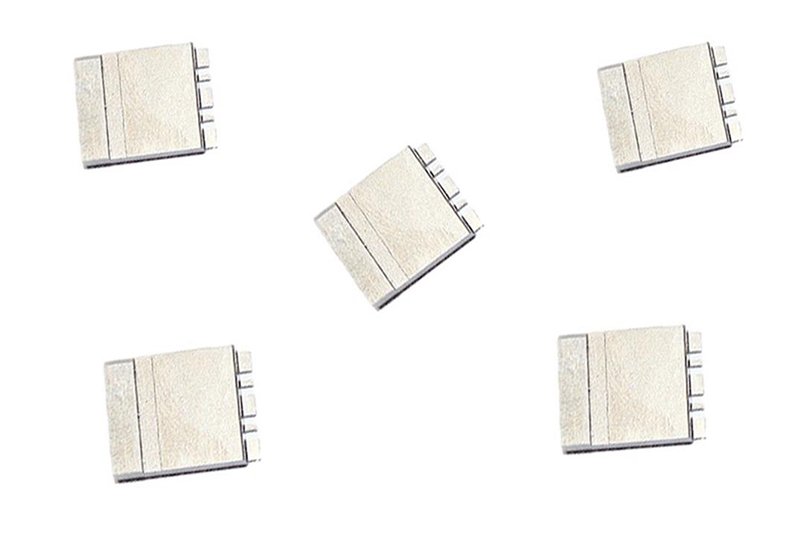
Plastic film parts · Precision mold insert
Automotive Connector Parts – Universal Electrical Wiring Connectors & Terminals Kit
Brand Xuxiang Mold
Availability Made to drawing
RFQ pricing
Quote from STEP / PDF & quantity
Keep every circuit in your vehicle reliable with this professional-grade selection of automotive connector parts, designed for secure electrical connections in modern cars, trucks, 4x4s, marine and powersports applications. High-quality housings, terminals and seals help you eliminate loose connections, voltage drops and intermittent faults. Clearly organized components make repairs and custom wiring projects faster and more intuitive, whether you’re upgrading lighting, adding accessories or restoring an older vehicle. Built for tough under‑hood conditions, these connectors resist vibration, heat and moisture for long service life. Ideal for DIY enthusiasts, auto electricians and workshop technicians who need dependable connection solutions on hand.
- ISO 9001:2015–oriented process & documented inspection paths
- Zeiss / Nikon class metrology available for critical dimensions
- DFM feedback from 10+ senior tooling engineers
- Dongguan HQ + Quanzhou capacity for volume programs
Professional-Grade Automotive Connector Parts for Reliable Vehicle Wiring
These automotive connector parts are designed to give you secure, long-lasting electrical connections across a wide range of vehicles and 12V/24V systems. From engine-bay harness repairs to custom accessory installations, having the right connectors, terminals and seals on hand helps prevent frustrating intermittent faults and time‑consuming diagnostics.
Modern vehicles rely on stable, low-resistance connections to keep sensors, control modules, lighting, audio and safety systems performing correctly. Poorly crimped or mismatched connectors can lead to warning lights, non‑functional accessories and even damage to sensitive electronics. This curated selection of connector components supports tidy, professional wiring work that stands up to heat, vibration and moisture in demanding automotive environments.
What These Automotive Connector Parts Include
This product category covers a wide range of components commonly used in OEM and aftermarket automotive electrical systems. While specific kit contents vary, you can typically expect a mix of:
- Connector housings – multi-pin and single-pin plastic shells in various shapes and keying styles for engine sensors, lighting, ignition, audio and more.
- Male and female terminals – crimp-style pins and sockets for low- to medium-current circuits, compatible with standard automotive wire gauges.
- Seals and grommets – silicone or rubber seals to protect contacts from water, dust and road contaminants.
- Locking clips and secondary locks – ensure terminals remain fully seated and secure under vibration.
- Splice and inline connectors – options for joining or extending wires without cutting into the factory harness unnecessarily.
Many installers pair these parts with quality crimp tools and heat‑shrink tubing to complete OEM‑style repairs and upgrades.
Key Features & Benefits
- Secure electrical connections: Properly matched housings and terminals help maintain low-resistance contact, reducing voltage drops and electrical noise in sensitive circuits.
- Versatile compatibility: Suitable for passenger vehicles, commercial trucks, off‑road vehicles, agricultural machinery, marine equipment and powersports platforms using 12V or 24V systems.
- Protection in harsh conditions: Weather-resistant seals and robust plastics are engineered to withstand under‑hood temperatures, road spray and constant vibration when correctly installed.
- OEM-style repairs: Replace damaged connectors at the harness rather than improvising with generic splices, preserving reliability and serviceability.
- Clean, organized wiring: Using matching connector families across your project results in neat harness routing and easier future diagnostics.
- Ideal for upgrades: Perfect for installing auxiliary lights, winches, aftermarket audio, reversing cameras, additional gauges and other accessories that need safe, removable connections.
Specifications & Key Attributes
The table below summarizes typical characteristics you can expect from quality automotive connector parts in this category. Exact values can vary by brand and specific component, so always confirm against your wiring diagram and technical data.
| Attribute | Description |
|---|---|
| Connector type | Multi-pin and single-pin plastic housings for automotive electrical systems |
| Typical applications | Sensors, lighting, ignition, ECU/ECM, audio, accessories, chassis wiring |
| Termination style | Crimp terminals (male pins and female sockets), compatible with standard crimp tools |
| Wire compatibility | Common automotive cable sizes for low- and medium-current circuits (consult individual part data) |
| Environmental sealing | Options with silicone/rubber seals and grommets for improved moisture and dust resistance |
| Housing material | Durable engineering plastics designed for automotive temperature and vibration ranges |
| Locking mechanism | Integrated latches, secondary locks or clips to prevent accidental disconnection |
| Polarity / keying | Keyed designs to avoid incorrect mating and misalignment of pins |
| Serviceability | Most connectors allow depinning with suitable extraction tools for repair or re-termination |
| Typical use environment | Engine bay, interior harnesses, chassis harnesses, underbody locations with suitable sealing |
Use Cases & Who These Parts Are For
Automotive connector parts are a must-have for anyone responsible for maintaining or modifying vehicle electrical systems. Common use cases include:
- Repairing damaged connectors: Broken locking tabs, corroded pins or heat-damaged housings at sensors, coils or lights can be replaced with matching components.
- Harness restoration and custom builds: Ideal for classic car restorations, engine swaps, kit cars and motorsport projects where new looms are built from scratch.
- Accessory installations: Create quick-disconnect points for auxiliary lighting, air compressors, fridge/freezers, tow-bar wiring, dash cams and more.
- Fleet and workshop maintenance: Keep a stocked selection on hand to minimize downtime when unexpected electrical issues arise on commercial vehicles or equipment.
- Diagnostic and testing leads: Build adapters and breakout harnesses to connect test instruments without cutting into factory wiring.
This product category suits DIY enthusiasts who want to step up from generic crimp connectors, as well as professional auto electricians, installers and workshops who need repeatable, durable results.
Installation, Care & Buying Guidance
To get the longest life and best performance from automotive connector parts, pay close attention to compatibility and installation practices.
Choosing the Right Connector Parts
- Match pin count and layout to the original connector where possible to maintain OEM functionality.
- Check terminal style and wire size range to ensure your existing wiring can be crimped correctly.
- Consider environmental exposure: for under‑hood or under‑vehicle locations, prefer sealed connectors with appropriate grommets.
- If you are unsure, compare your existing connector visually and consult wiring diagrams or service information for your vehicle.
Best Practices for Installation
- Use a quality ratcheting crimp tool designed for open‑barrel automotive terminals for consistent crimps.
- Strip only the recommended length of insulation and avoid nicking conductor strands.
- Ensure seals are correctly positioned on the wire before crimping terminals where required.
- After crimping, gently tug each wire to confirm the terminal is secure before inserting into the housing.
- Route wiring away from sharp edges, moving parts and extreme heat sources; use loom and clips where necessary.
Care, Inspection & Long-Term Reliability
- Periodically inspect exposed connectors for signs of corrosion, damage or loose locking tabs.
- If a connector has been submerged or heavily contaminated, disconnect and check for trapped moisture or dirt before reseating.
- When disconnecting, operate the locking mechanism rather than pulling on the wires.
- For critical low‑signal circuits, a small amount of suitable contact lubricant can help prevent oxidation when recommended by the connector manufacturer.
FAQ
Are these automotive connector parts compatible with my specific vehicle make and model?
Compatibility depends on the original connector style, pin count and terminal type used by your vehicle. Many connectors follow common automotive standards, but some manufacturers use unique designs. Always compare the shape, locking mechanism and pin layout with your existing connector, and consult wiring diagrams if available.
Do I need special tools to install these connector terminals?
For reliable results, a proper automotive terminal crimp tool is strongly recommended. While basic pliers might seem to work, they can create poor crimps that loosen over time. A ratcheting crimper sized for open‑barrel or specific terminal types will deliver consistent, vibration‑resistant connections.
Can I use these connectors on both 12V and 24V systems?
Yes, many automotive connector parts are suitable for both 12V and 24V systems when current ratings and insulation requirements are respected. Always ensure the wire gauge, terminal rating and insulation meet the demands of the circuit you are working on.
What is the best way to protect connectors exposed to water and dirt?
For exposed locations, choose sealed connector variants with appropriate grommets and ensure seals are properly seated during assembly. Route connectors away from direct spray where possible and support the harness to reduce movement. In some cases, additional loom, conduit or protective covers can further extend service life.
How should I troubleshoot a suspect connector on my vehicle?
Start by visually inspecting the housing for cracks, broken locks or corrosion. With the battery safely isolated when necessary, disconnect the connector and check for bent pins, pushed‑back terminals or moisture. Repair or replace damaged components, then confirm continuity and voltage under load with a multimeter once reassembled.
Do these connector parts come with a warranty or return option?
Warranty and returns depend on the specific brand and store policy. In general, unused components in resalable condition can be returned within the stated period, while defective items are usually covered under a limited warranty. Always review the retailer’s warranty and returns information before purchase.
How are these parts packaged and shipped?
Connector parts are typically packed in labeled bags or compartment organizers to keep housings, terminals and seals separated and easy to identify. Orders are shipped in protective packaging to prevent damage in transit. Tracking information is usually provided so you can monitor delivery times.
Can I mix different brands of terminals and housings?
It is best to use terminals and housings from the same connector family and brand, as small dimensional differences can affect fit and retention. Mixing components may result in loose connections or terminals that do not lock correctly. If you must mix brands, verify fitment carefully before use.
How do I maintain connectors after installation?
Once installed, connectors typically require minimal maintenance. Periodic inspection for damage and cleanliness is usually sufficient. Avoid aggressive cleaning chemicals that could degrade plastics or seals, and disconnect connectors carefully using the intended release tab or lever.
What if I order the wrong connector style or size?
If a connector does not match your requirements, refer to the store’s return policy. Many suppliers allow returns or exchanges of unused parts within a certain timeframe. Keep packaging and labels intact, and double‑check specifications before placing a replacement order.
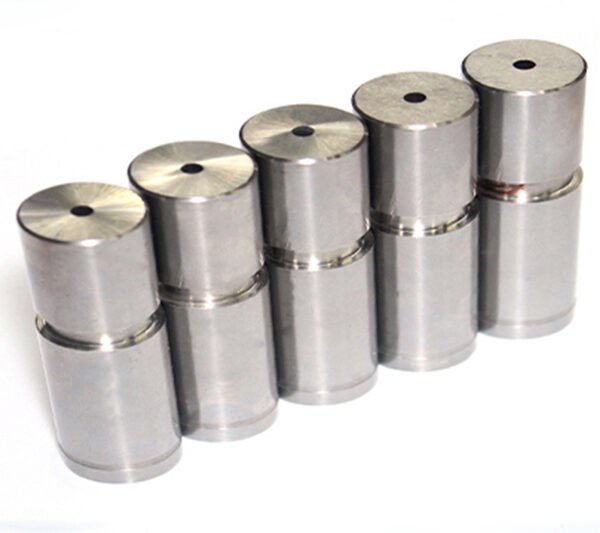
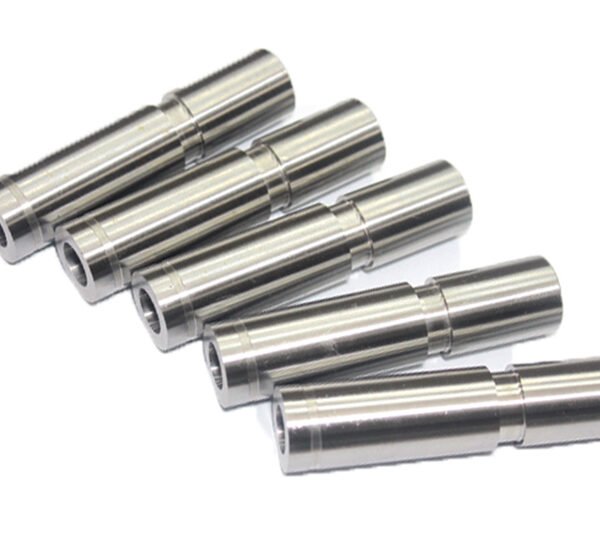
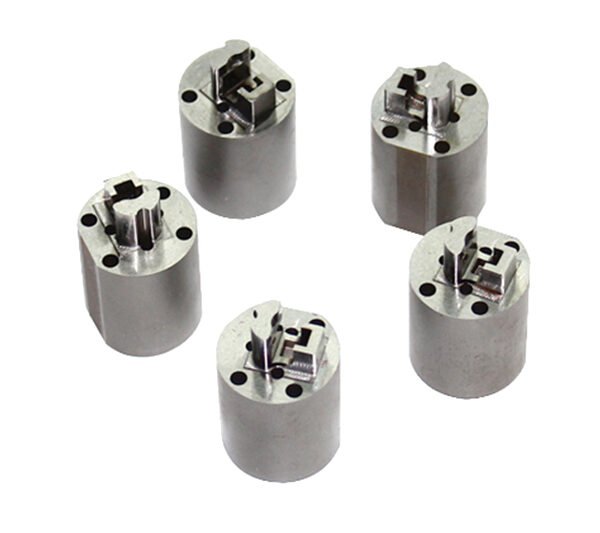
Same drawing, predictable results—next batch
Share revision, quantity ramp, and inspection level. We quote process route, ship date, and documentation in one structured response.