
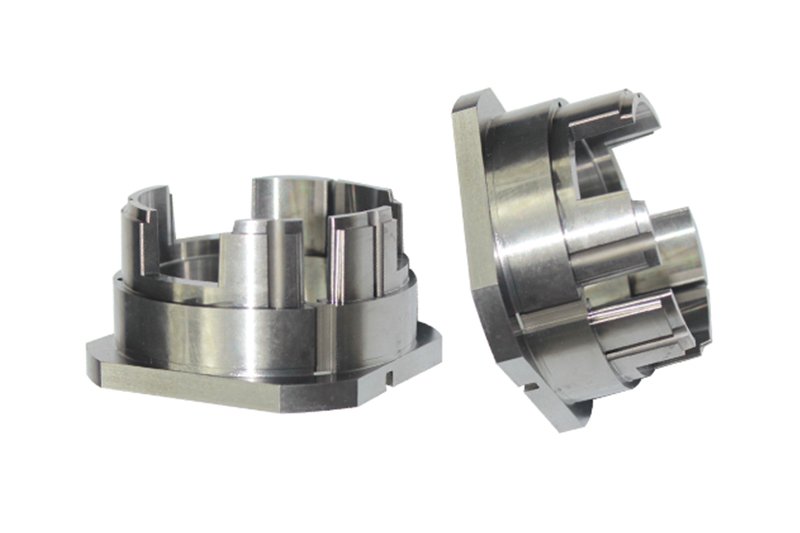
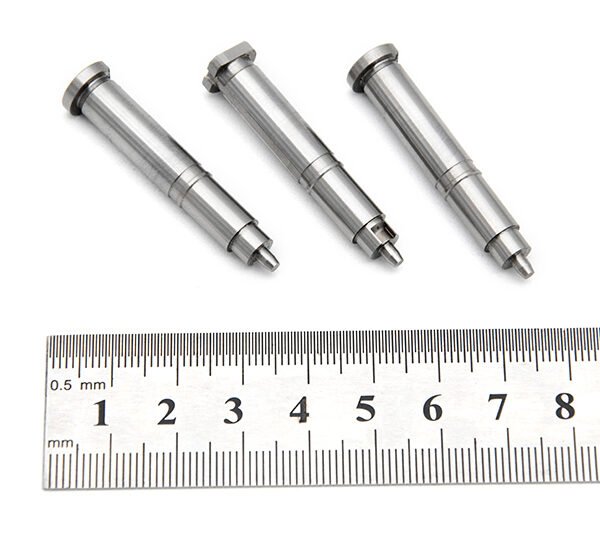
Plastic film parts · Precision mold insert
Automotive Connector Parts – Universal Electrical Connectors & Terminals Kit
Brand Xuxiang Mold
Availability Made to drawing
RFQ pricing
Quote from STEP / PDF & quantity
Keep your vehicle wiring safe, reliable, and easy to service with this comprehensive selection of automotive connector parts. Designed for professional technicians and DIY enthusiasts, each component helps you build clean, organized, and secure electrical connections throughout the vehicle. From sensor leads to lighting circuits and ECU harnesses, you can create custom looms that match OEM quality while simplifying troubleshooting. Durable housing materials and corrosion‑resistant terminals support long-term performance in harsh under‑hood environments. Upgrade or repair your vehicle’s electrical system with confidence using this versatile range of Automotive connector parts.
- ISO 9001:2015–oriented process & documented inspection paths
- Zeiss / Nikon class metrology available for critical dimensions
- DFM feedback from 10+ senior tooling engineers
- Dongguan HQ + Quanzhou capacity for volume programs
What Are Automotive Connector Parts?
Automotive connector parts are the critical building blocks used to create safe, reliable electrical and electronic connections in cars, trucks, motorcycles, off‑road vehicles, marine applications, and specialty equipment. They include housings, terminals, seals, locks, caps, and accessories that work together to form complete plug-and-socket assemblies for wiring harnesses.
Modern vehicles rely on hundreds of circuits for engine management, safety systems, infotainment, lighting, and driver assistance technologies. Vehicle wiring must survive heat, vibration, moisture, chemicals, and repeated connection/disconnection over the life of the vehicle. Purpose‑built connector components provide:
- Consistent, low-resistance electrical contact
- Mechanical retention to prevent accidental unplugging
- Sealing against dust, water, and road contaminants
- Easy serviceability for diagnostics and repairs
Whether you are building a new wiring harness from scratch, restoring a classic car, installing aftermarket electronics, or repairing damaged OEM connectors, a well‑chosen selection of automotive connector parts ensures a professional, long-lasting result.
Key Features & Benefits
This curated range of automotive connector components is designed to cover the most common needs in electrical wiring, from low‑current sensor lines to higher‑load power circuits.
- Wide compatibility: Suitable for use with many OEM‑style connectors, aftermarket harnesses, custom looms, and universal wiring kits in 12 V and 24 V systems.
- Durable housing materials: High‑quality thermoplastic bodies help resist under‑hood temperatures, vibration, and common automotive fluids when properly applied.
- Corrosion‑resistant metal terminals: Plated copper alloy or similar conductive materials support stable contact performance and reduced voltage drop over time.
- Sealed and unsealed options: Include parts designed for both interior cabin use and harsh under‑hood or exterior locations, with grommets and seals to help protect against moisture and dust ingress.
- Secure locking mechanisms: Secondary locks, tangs, and positive‑latch housings help prevent accidental disconnects and ensure a solid mechanical connection.
- Service‑friendly design: Many components allow de‑pinning with suitable tools, enabling repairs or reconfiguration without cutting and re‑splicing wires.
- Versatility for custom projects: Ideal for engine swaps, motorsport builds, auxiliary lighting, audio upgrades, camper conversions, and fleet repairs.
By using dedicated connector parts instead of generic crimp lugs or improvised joins, you improve safety, reduce the risk of intermittent faults, and maintain a clean, OEM‑style appearance throughout the vehicle.
Specifications & Component Overview
The following table summarizes typical attributes of the automotive connector parts range. Exact details vary by specific connector series, pin count, and application; always check individual product documentation where applicable.
| Attribute | Description |
|---|---|
| Product type | Assorted automotive electrical connector parts (housings, terminals, seals, locks, caps) |
| Typical applications | Engine bay wiring, sensors, ECU, lighting, auxiliary power, interior electronics, chassis harness |
| Connector styles | Inline connectors, bulkhead connectors, multi‑pin plugs, single‑wire terminals, fuse/relay related connectors (varies by selection) |
| Wire gauge compatibility | Common automotive wire sizes for low‑ to medium‑current circuits (e.g., fine‑stranded automotive cable ranges; check item‑level details) |
| Sealing options | Non‑sealed connectors for interior use; sealed connectors with grommets and cavity seals for exterior/engine bay locations (depending on part) |
| Contact material | Conductive metal terminals with protective plating for corrosion resistance and stable contact |
| Housing material | Automotive‑grade thermoplastic for mechanical strength and heat resistance in typical vehicle environments |
| Operating environment | Designed for automotive and light industrial use in 12 V / 24 V DC wiring systems when correctly installed |
| Installation method | Crimp‑style terminals (manual or professional crimping tools recommended), then insertion into matching housings |
| Color and keying | Variety of housing colors and keying features to avoid mis‑mating when multiple connectors are used together (varies by series) |
Use Cases & Who These Parts Are For
Automotive connector parts are suitable for a wide range of users, from professional workshops to enthusiasts working in their garage.
- Professional auto electricians and garages: Build or repair harnesses with OEM‑grade connection quality, reduce comebacks due to wiring issues, and maintain consistent practices across multiple vehicle brands.
- Motorsport and performance tuners: Create custom looms for engine management, data logging, additional sensors, and racing electronics where reliability under vibration and heat is critical.
- Restorers and classic car builders: Replace brittle or corroded original connectors with modern equivalents while retaining a tidy, period‑correct appearance in the engine bay and under the dash.
- 4×4, off‑road, and overland builders: Wire auxiliary lighting, winches, air compressors, fridges, and power distribution with connectors that withstand mud, water, and wash‑downs.
- DIY hobbyists and installers: Tackle audio upgrades, reverse cameras, extra gauges, and interior lighting projects using connectors that simplify future modifications and troubleshooting.
- Fleet and commercial vehicle operators: Standardize repair practices across multiple vehicles by stocking common connector parts that support quick, reliable field repairs.
Any project that involves cutting into or extending factory wiring benefits from using dedicated automotive connector parts rather than simple twist joins or household connectors. The result is a safer, more reliable, and easier‑to‑service electrical system.
Installation, Care & Buying Guidance
To get the most from your connector components, it is important to choose the right parts and install them correctly.
Choosing the Right Parts
- Match connector style and pin count to the device or harness you are working with.
- Select sealed connectors for exposed or under‑hood locations, and non‑sealed connectors for dry interior areas.
- Check that terminal size is suitable for your wire gauge and expected current.
- Consider color and keying when using multiple similar connectors in one area to avoid mismatches.
Basic Installation Tips
- Use a quality crimping tool designed for open‑barrel or automotive terminals, not generic hardware‑store pliers.
- Strip only the required length of insulation and avoid nicking the conductor strands.
- Ensure both the conductor and the insulation support wings of the terminal are properly formed around the wire.
- After crimping, give a gentle pull on the wire to verify mechanical security before inserting into the housing.
- Insert terminals until they positively latch; lightly tug to confirm they are locked in place.
- Where required, install cavity seals and secondary locks to complete the assembly.
Care & Maintenance
- Periodically check exposed connectors for signs of damage, corrosion, or loose pins.
- When disconnecting, operate the locking tab rather than pulling on the wires.
- Keep dielectric grease or approved contact protectant on hand for connectors exposed to moisture.
- If a connector has become heat‑damaged or brittle, replace the housing and terminal rather than reusing compromised parts.
When purchasing, consider stocking a small assortment of common connector sizes and terminals. Having the right automotive connector parts on hand can significantly reduce downtime during repairs or upgrades.
FAQ
Are these automotive connector parts compatible with my vehicle?
The parts are designed around common automotive connector styles and wiring practices, but compatibility always depends on your specific make, model, and connector series. When possible, compare the shape, pin count, and locking features of your original connector to the parts you plan to use, or consult a wiring diagram for your vehicle.
Can I use these connectors for both 12 V and 24 V systems?
Yes, most automotive connector components are suitable for typical 12 V and 24 V DC vehicle systems when correctly matched to the wire size and current level. Always ensure the chosen connector style and terminal rating are appropriate for the load in your application.
Do I need special tools to install the terminals?
A dedicated automotive crimping tool is strongly recommended for reliable results. While generic crimp tools may appear to work, they often produce inconsistent crimps that can loosen or overheat under load. Using the correct crimp profile helps ensure solid electrical and mechanical performance.
How do I know which wire gauge these connectors support?
Each terminal type is designed to work within a particular wire gauge range. Check the product details for the terminals you purchase and always match them to the cable size you are using. Undersized or oversized wire in a terminal can lead to poor contact and premature failure.
Are the connectors waterproof?
Many automotive connector parts are available in sealed versions that, when correctly assembled with the proper seals and grommets, provide resistance to water and dust. However, no connector is completely waterproof in every situation. For critical or heavily exposed areas, combine sealed connectors with careful routing and additional protection where needed.
Can I reuse terminals after removing them from a housing?
In some cases, terminals can be carefully removed with the correct extraction tool and reused if they show no signs of damage, corrosion, or deformation. However, for high‑reliability circuits or where the terminal tangs have been stressed, it is safer to install a new terminal.
What is your policy on returns and defective parts?
If you receive connector components that are damaged, incomplete, or not as described, you can request a return or exchange within the standard returns window, provided the items are clean, unused, and in resellable condition. Always retain your order details so any issue can be resolved quickly.
How are these connector parts packaged and shipped?
Components are typically supplied in protective bags or small boxes to keep terminals, seals, and housings organized and clean. Orders are packed to prevent bending or contamination during transit, and tracked shipping options are available so you can monitor delivery to your workshop or home.
How should I store unused connector parts?
Store connector parts in a dry, dust‑free environment away from direct sunlight and chemicals. Small organizers or compartment boxes are ideal for keeping different terminal sizes and connector housings separate and easy to identify during future projects.
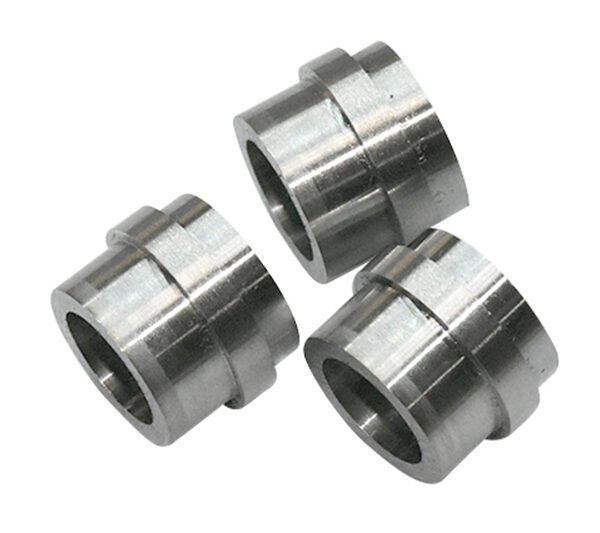
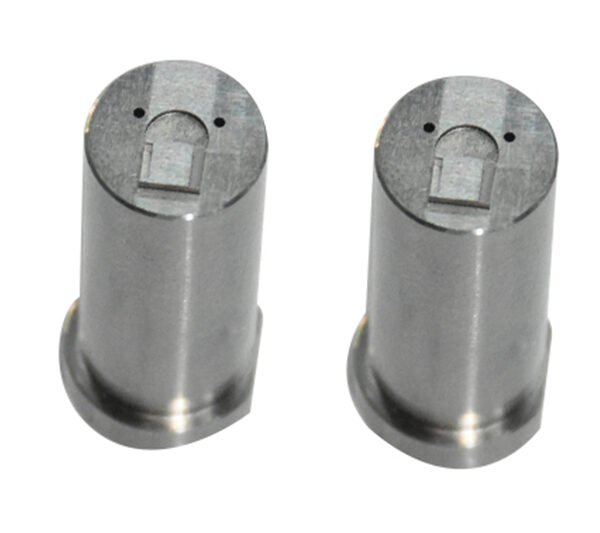
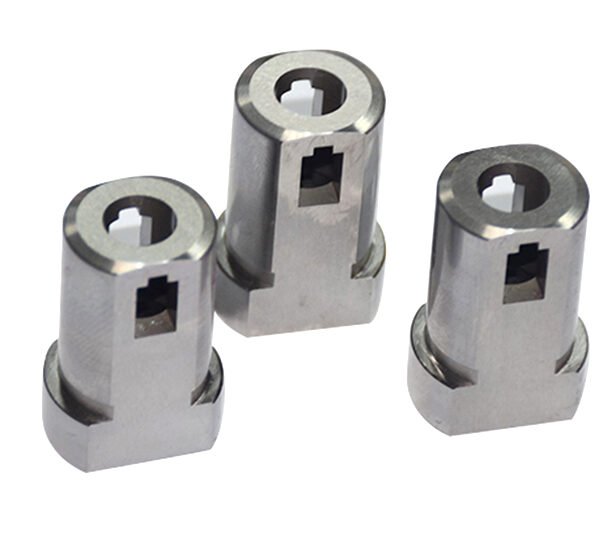
Same drawing, predictable results—next batch
Share revision, quantity ramp, and inspection level. We quote process route, ship date, and documentation in one structured response.