
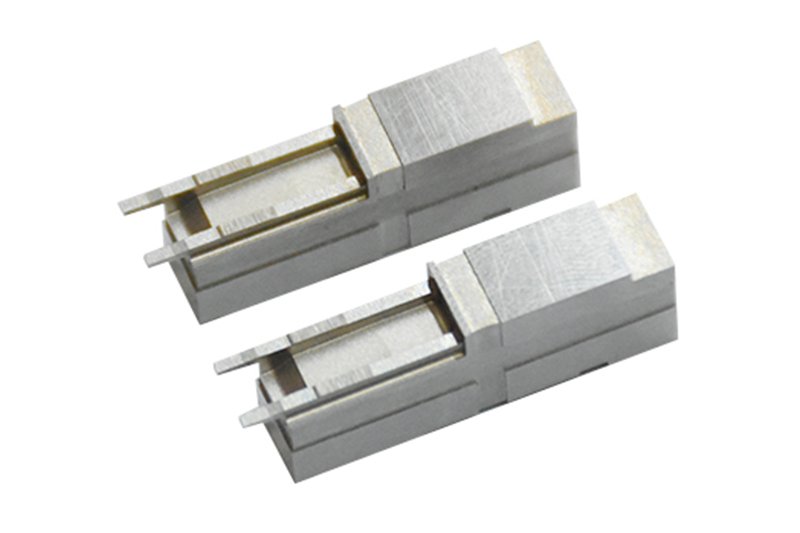
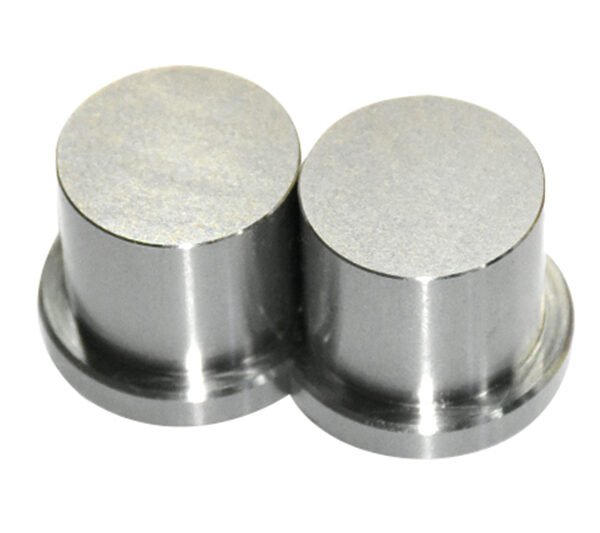
Plastic film parts · Precision mold insert
Automotive Connector Parts – Universal Automotive Electrical Connectors & Terminals Kit
Brand Xuxiang Mold
Availability Made to drawing
RFQ pricing
Quote from STEP / PDF & quantity
Build, repair, or upgrade your vehicle wiring with a versatile selection of high‑quality automotive connector parts designed for modern 12V and 24V systems. This curated kit helps you create clean, reliable connections for lighting, sensors, ECUs, audio, and aftermarket accessories without cutting corners. Organized assortments of housings, terminals, and seals make it simple to find the right piece in the middle of a job. Durable materials and secure locking mechanisms help prevent intermittent faults and corrosion-related failures. Ideal for professional auto electricians, motorsport builders, and DIY enthusiasts who demand dependable performance from every connection.
- ISO 9001:2015–oriented process & documented inspection paths
- Zeiss / Nikon class metrology available for critical dimensions
- DFM feedback from 10+ senior tooling engineers
- Dongguan HQ + Quanzhou capacity for volume programs
Professional-Grade Automotive Connector Parts for Reliable Vehicle Wiring
These automotive connector parts are designed as a versatile, workshop-ready solution for building, repairing, or upgrading vehicle wiring harnesses on cars, trucks, motorcycles, off‑road vehicles, boats, and equipment. Drawing on connector practices used by leading OEM and aftermarket brands, this assortment focuses on secure mating, strain relief, and resistance to vibration and harsh environments, all critical for modern automotive electrical systems.
Whether you are adding auxiliary lighting, repairing a damaged harness, integrating sensors, or building a custom motorsport loom, having the right connectors on hand can dramatically reduce diagnostics time and improve long-term reliability. Instead of reusing brittle old plugs or improvising with household connectors, you can choose components specifically engineered for automotive voltage, current, and temperature conditions.
Key Features & Benefits
This collection of automotive connector parts is carefully selected to support a wide range of applications, from basic 2‑pin power runs to multi‑pin signal connections for ECUs, body control modules, and CAN-bus devices.
- Wide compatibility: Includes commonly used automotive-style housings and terminals suitable for low- to medium-current circuits, covering lighting, sensors, switches, pumps, and control modules.
- Secure locking designs: Positive locking tabs and latch mechanisms help prevent connectors from backing out under vibration, a common issue in engine bays and off‑road environments.
- Support for sealed and unsealed circuits: A mix of connector styles allows you to choose sealed options for under‑hood or exterior locations and unsealed options inside the cabin where moisture exposure is low.
- Corrosion‑resistant contacts: Automotive-grade terminals are typically plated to help resist oxidation and ensure consistent, low‑resistance contact over time when properly crimped and installed.
- Service‑friendly: Standard terminal types and depinning approaches make it easier to service connectors, replace damaged pins, or reconfigure wiring without cutting and splicing.
- Organized selection: Clear grouping of housings, terminals, and seals helps you quickly identify matching components while you work, reducing assembly errors.
- Ideal for custom builds: Essential for race cars, off‑road rigs, campervan conversions, and audio installations where custom looms and clean routing are a priority.
Specifications & Key Attributes
The table below summarizes the typical characteristics and options you can expect from a comprehensive kit of automotive connector parts. Exact quantities and models may vary by kit configuration, but the overall capability remains focused on common 12V/24V automotive circuits.
| Attribute | Description |
|---|---|
| Product type | Assortment of automotive electrical connector housings, terminals, and related parts |
| Typical applications | Lighting, sensors, ignition components, fuel system, fans, pumps, audio, ECUs, accessories |
| Connector styles | Mixed selection of 2‑pin to multi‑pin plastic housings, sealed and unsealed types, male and female |
| Terminal type | Automotive crimp terminals for stranded copper wire, designed for dedicated crimping tools |
| Wire compatibility | Supports common automotive wire sizes used in low to medium current circuits (e.g. signal and power leads) |
| Environmental resistance | Sealed connector options with grommets or cable seals suitable for moisture‑prone or under‑hood locations |
| Operating environment | Designed for typical automotive 12V/24V DC systems subject to vibration, temperature swings, and road contamination |
| Material (housings) | Automotive‑grade molded plastics chosen for durability and heat resistance in vehicle environments |
| Material (terminals) | Metal alloy contacts with protective plating to improve conductivity and corrosion resistance |
| Installation method | Crimp‑style connections using an appropriate crimping tool; no soldering required for most applications |
Typical Use Cases & Who It Is For
Automotive connector parts are a fundamental consumable for anyone who works on vehicle electrical systems regularly. Having a dedicated kit on hand can turn a time‑consuming repair into a quick, professional‑grade fix.
- Professional auto electricians: Ideal for workshops servicing a range of brands and model years, giving you the flexibility to replace damaged plugs, repair corroded circuits, and build custom harness sections.
- Motorsport and performance builders: Essential when constructing custom looms for race cars, track-day vehicles, drift builds, and rally cars, where reliability and serviceability are mission‑critical.
- 4×4 and off‑road enthusiasts: Use sealed connectors to install winches, air compressors, auxiliary lighting, and recovery gear that must survive mud, water crossings, and extreme vibration.
- Van conversions and RV builders: Perfect for campervan and motorhome electrical systems, including auxiliary batteries, solar, inverters, and interior lighting looms where clean wiring is important for safety and maintenance.
- DIY car audio installers: Create plug‑in harnesses for amplifiers, subwoofers, and head units rather than cutting into factory wiring, making it easier to revert to stock later.
- Equipment and small machinery: Also useful for ATVs, UTVs, lawn equipment, marine installations, and small utility vehicles that share similar 12V/24V electrical architectures.
Installation, Care & Buying Guidance
To get the best performance from your automotive connector parts, proper installation and basic care are essential. High‑quality components cannot compensate for poor crimps, undersized wire, or inadequate environmental protection.
Installation & Best Practices
- Use the correct crimp tool: Choose a crimping tool compatible with the terminal profile to ensure both the conductor and insulation crimps are formed correctly.
- Match wire size to the terminal: Select terminals designed for the gauge of wire you are using to avoid loose connections or damaged strands.
- Route and support wiring: Avoid sharp bends, pinch points, and areas exposed directly to exhaust heat. Use cable ties and loom tubing to secure wiring.
- Seal exposed connections: In harsh or external environments, pair sealed connectors with additional loom, tape, or heat‑shrink tubing as appropriate.
- Test before final assembly: After crimping and inserting terminals into housings, gently tug each wire to ensure it is locked, then test electrically with a multimeter.
Caring for Your Connectors
- Inspect periodically: For vehicles used off‑road or in harsh climates, include connector checks in your regular maintenance routine.
- Clean when necessary: If you notice intermittent faults, disconnect and visually inspect for corrosion or contamination, cleaning with a suitable electrical contact cleaner where appropriate.
- Replace damaged parts: Do not reuse cracked housings or burnt terminals; replacement is inexpensive compared to troubleshooting recurring electrical issues.
How to Choose the Right Kit
- Consider your vehicle type: If you primarily work under the hood or off‑road, prioritize kits with a larger proportion of sealed connectors.
- Think about pin counts: For audio and accessory installations, you may need more multi‑pin connectors; for lighting and sensors, smaller 2‑ to 4‑pin connectors are often sufficient.
- Plan for future projects: Selecting a more comprehensive assortment now can save time and cost later as you take on additional wiring tasks.
FAQ
Are these automotive connector parts compatible with my vehicle?
These connectors are designed around common automotive wiring practices and are suitable for many 12V and 24V vehicles. For critical OEM-specific plugs, always compare the shape, locking style, and pin layout to your original connector before installation.
Do I need a special tool to install the terminals?
Yes. For reliable results, you should use a crimping tool designed for automotive open‑barrel or similar terminals. Generic pliers can create weak crimps that may loosen or overheat under load.
Can I use these connectors in the engine bay or outside the vehicle?
Sealed connectors in the kit are suitable for harsher environments like engine bays, underbody areas, or exterior lighting circuits. When placing connectors in these locations, ensure seals are properly seated and add additional protection such as loom tubing where necessary.
What wire sizes work best with these connector parts?
The terminals are designed for typical automotive wire sizes used in lighting, accessory, and sensor circuits. Check each terminal style for its supported wire range and select wire accordingly so the crimp barrels grip properly.
How should I troubleshoot a connection that is not working?
First, confirm the terminal is fully seated and locked into the housing. Then check for proper crimp formation and continuity using a multimeter. Inspect for bent pins, contamination, or incorrect pin assignment before replacing components.
Can I mix these connectors with existing factory wiring?
Yes. Many users splice new connectors into factory looms to bypass damaged plugs or add circuits. Make sure splices are soldered or properly crimped and insulated, and document any changes for future service.
How do I care for connectors in off‑road or marine environments?
Use sealed connectors wherever possible, protect looms with conduit, and periodically inspect for damage after exposure to mud, water, or salt. Cleaning with suitable electrical contact cleaner and re‑securing wiring can significantly extend service life.
What is your policy on returns or defective parts?
If you receive components that are damaged or not as described, you can typically return or exchange them within the seller’s stated return window, provided they are unused and in original packaging. Refer to the specific store or marketplace return policy at checkout for precise terms.
How long does shipping usually take?
Shipping times depend on your location and the shipping method selected at checkout. Standard shipping usually covers typical ground transit times, while express options are available in many regions for urgent projects.
Is there any maintenance required after installation?
Beyond periodic inspection, no special maintenance is required. Ensure connectors remain properly latched, wiring is supported, and any signs of overheating, discoloration, or corrosion are addressed promptly.
Same drawing, predictable results—next batch
Share revision, quantity ramp, and inspection level. We quote process route, ship date, and documentation in one structured response.