
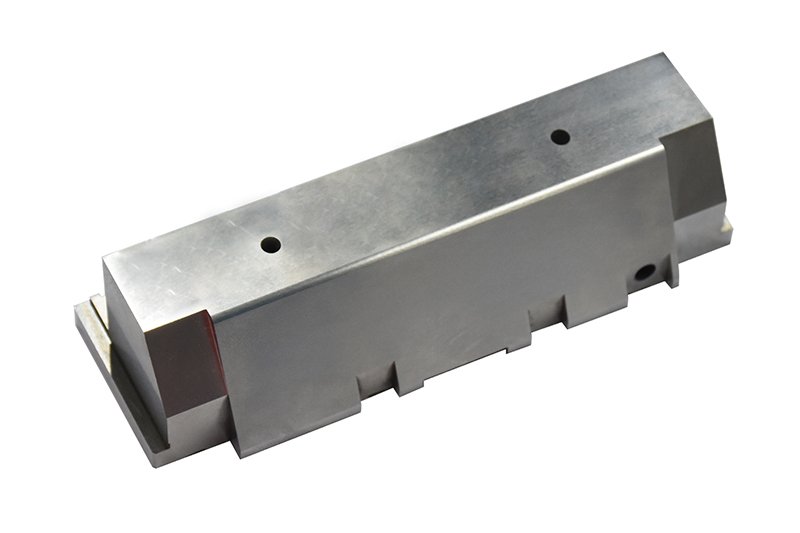
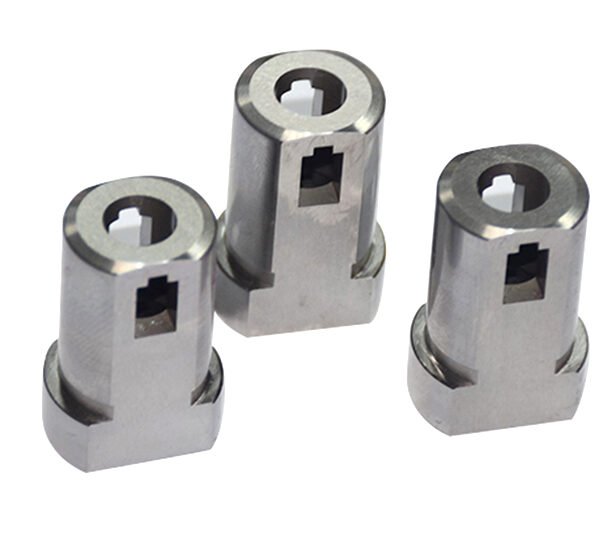
Plastic film parts · Precision mold insert
Automotive Connector Parts – Reliable Electrical Connection Solutions for Vehicles
Brand Xuxiang Mold
Availability Made to drawing
RFQ pricing
Quote from STEP / PDF & quantity
Keep your vehicle’s wiring reliable and easy to service with high-quality automotive connector parts designed for modern electrical systems. Whether you’re repairing a single circuit or building a custom harness, these components help ensure clean, secure, and vibration-resistant connections. From housings and terminals to seals and locking clips, every part is engineered for durability in harsh under‑hood environments. Upgrade or repair confidently knowing you can match OEM‑style connectors for sensors, lights, ECUs, and more. Ideal for professional auto electricians, motorsport builders, and DIY enthusiasts who demand long‑lasting performance.
- ISO 9001:2015–oriented process & documented inspection paths
- Zeiss / Nikon class metrology available for critical dimensions
- DFM feedback from 10+ senior tooling engineers
- Dongguan HQ + Quanzhou capacity for volume programs
What Are Automotive Connector Parts?
Automotive connector parts are the essential building blocks used to create reliable electrical connections throughout a vehicle’s wiring system. These include the plastic connector housings, metal terminals, wire seals, locking wedges, boots, and ancillary pieces that join wires to sensors, ECUs, lighting, switches, and power distribution modules. In any car, truck, bus, off‑road or powersports vehicle, connectors are what make the wiring harness modular, serviceable, and safe.
Modern vehicles rely on dozens to hundreds of connectors to carry power, signals, and data between critical components. High‑quality automotive connector parts are engineered to withstand heat, vibration, moisture, road salt, and chemical exposure while maintaining a low-resistance, stable connection over many years. Choosing the right parts helps prevent intermittent faults, shorts, corrosion issues, and costly diagnostics down the line.
Instead of replacing an entire wiring harness, technicians can often service just the affected connector by swapping out damaged housings, corroded terminals, or worn seals. For custom builds, restomods, race cars or off‑road rigs, the right connector parts allow you to construct professional-grade harnesses that match or surpass OEM quality.
Key Features & Benefits
These automotive connector parts are selected to support robust, long-lasting electrical connections in a wide range of vehicle applications. When used correctly, they offer multiple advantages for both professional and enthusiast users.
- Secure, vibration-resistant connections – Positive locking mechanisms, secondary locks, and correctly crimped terminals help prevent loose connections even in high-vibration environments like engine bays and chassis areas.
- Enhanced environmental protection – Many connector families support weather-sealed designs using silicone or rubber wire seals and interface seals to help guard against moisture, dust, road salt, and engine-bay contaminants.
- Modular, serviceable wiring – Using standardized housings and terminals makes it easier to repair, upgrade, or reroute circuits without rewiring the entire harness, saving time and cost.
- Wide compatibility – Common styles cover a broad range of needs, such as multi-pin ECU connectors, single- and two-pin lighting connectors, sensor plugs, fuel injector connectors, and power distribution interfaces.
- Support for high and low current – Different terminal designs accommodate both small signal wires for sensors and CAN bus, and larger gauge wires for power feeds, fans, pumps, or auxiliary lighting.
- Professional-grade appearance – Using proper connector parts instead of improvised splices or generic household connectors gives your harness a clean, OEM-like finish that is easier to troubleshoot.
Whether you are building a complete custom harness or doing a simple repair, having access to the correct connectors, terminals, and seals improves reliability and reduces the risk of failures caused by poor electrical contact.
Specifications & Key Attributes
The exact specifications of automotive connector parts vary by series and application. Instead of focusing on one specific brand or system, this overview highlights the typical attributes you should consider when selecting components for your project.
| Attribute | Description |
|---|---|
| Connector Type | Options typically include inline connectors, bulkhead connectors, header/ECU connectors, sensor plugs, lighting connectors, and power distribution connectors. |
| Number of Positions | Single-pin to multi-pin configurations; common counts range from 1–2 pins for simple circuits up to dense multi-row connectors for control modules. |
| Contact Style | Crimp terminals are most common; some systems use tab-and-receptacle, round pin, or blade-style contacts compatible with automated crimping tools. |
| Wire Size Compatibility | Terminals are designed for specific wire gauge ranges, from small signal wires used in sensors to heavier gauge conductors for power and ground circuits. |
| Sealing Options | Non-sealed connectors for interior/dry locations, and weather-sealed designs with individual wire seals and face seals for engine bay or exterior use. |
| Housing Material | Typically high-temperature, impact-resistant thermoplastic, chosen for heat resistance, chemical resistance, and dimensional stability under automotive conditions. |
| Contact Material & Plating | Copper-based alloys with tin, silver, or gold plating (depending on series) to balance conductivity, corrosion resistance, and cost. |
| Locking Mechanism | Primary latch built into the housing, often combined with secondary locks or terminal position assurance (TPA) devices for added security. |
| Operating Environment | Designed for use in typical automotive temperature ranges and exposure to vibration, fluids, and road debris; select sealed variants for harsh locations. |
| Typical Applications | Engine sensors, ignition systems, fuel systems, lighting, ABS, airbags, infotainment, body electronics, and auxiliary accessories. |
Common Use Cases & Who These Parts Are For
Automotive connector parts are used in nearly every segment of the vehicle industry. From routine repairs to specialized builds, having the right components on hand allows you to work more efficiently and achieve OEM-grade results.
- Professional auto repair shops – Replace damaged or brittle connectors on sensors, coils, injectors, fans, and lighting without buying entire harnesses. Correctly matched housings and terminals keep repairs reliable and reduce comeback issues.
- Auto electricians & diagnostic specialists – Build test leads, breakout harnesses, and custom adapters to support advanced diagnostics and module coding work. Robust connectors ensure accurate measurements and stable connections.
- Motorsport & performance builders – Construct custom engine and chassis harnesses for race cars, drifting, rally, and track-day builds. Use high-quality sealed connectors to withstand heat, vibration, and frequent service.
- 4×4, off‑road & camper conversions – Add auxiliary lighting, air compressors, fridges, winches, and power management systems using connectors that handle dirt, mud, water, and washdowns.
- Restoration & restomod projects – Upgrade aging wiring systems by replacing brittle or obsolete connectors with modern equivalents, improving reliability while maintaining a clean, tidy appearance.
- DIY enthusiasts & hobbyists – Tackle small wiring jobs, stereo installs, gauge upgrades, and custom accessory circuits with professional-quality parts instead of generic household connectors or twist splices.
Because properly chosen connector parts are modular, you can mix and match housings, terminals, and seals to suit the exact wire sizes, pin counts, and environmental conditions required by your project.
Care, Installation Tips & Buying Guidance
To get the best performance and longevity from your automotive connector parts, careful selection and proper installation are essential. These best practices can help you achieve reliable results:
- Match series and components – Always pair housings, terminals, and seals from the same connector family. Mixing incompatible parts can result in poor fit, weak locking, or reduced sealing performance.
- Use the correct crimping tools – Automotive terminals are designed to be crimped with specific dies that form both conductor and insulation crimps. Avoid generic pliers; invest in the correct tool for consistent, gas-tight crimps.
- Prepare the wire properly – Strip the insulation to the recommended length without nicking strands. Ensure the wire gauge matches the terminal’s specification to avoid loose or over-compressed crimps.
- Insert seals before crimping – For weatherproof connectors, install the wire seals on the wire before crimping the terminal. After crimping, slide the seal into position so it seats correctly in the housing.
- Check terminal orientation – Insert terminals into the housing until you hear or feel the click of the locking tang. Gently tug on the wire to confirm that the terminal is fully seated and locked.
- Avoid pulling on the wire – Disconnect connectors by releasing the latch and pulling on the housing, not the wires. This helps prevent terminal damage or broken strands.
- Protect exposed areas – In harsh environments, consider additional protection like split loom, heat shrink tubing, or conduit around the wires leading into the connector.
- Select sealed vs. unsealed appropriately – Use sealed connectors under the hood, near the underbody, or in exterior locations, and unsealed connectors in dry, interior cabin areas where moisture is not a concern.
When buying, it is often useful to keep a selection of common connector styles, pin counts, and wire seals in stock. This ensures that you can respond quickly to repair needs and complete projects without waiting for single components to be sourced individually.
FAQ
Are these automotive connector parts compatible with my vehicle?
Compatibility depends on the connector series, pin count, and terminal design used by your vehicle’s harness. Before ordering, compare the shape, locking features, and keying of your original connector to the parts you are selecting. When in doubt, consult your wiring diagrams or an auto electrician to confirm the correct style.
How are these connector parts shipped and how long does delivery take?
Connector parts are typically packed in protective bags or small boxes to prevent damage during transit. Shipping options usually include standard and expedited services; delivery times vary by region and the method you choose at checkout. Larger orders may be shipped in multiple packages for easier handling.
Do I need special tools to install automotive connector terminals?
For best results, you should use an appropriate ratcheting crimp tool with the correct die for the terminal family. While basic crimp pliers may work for temporary repairs, they often do not achieve the consistent, gas-tight crimps required for long-term automotive use.
How can I tell what wire gauge these terminals support?
Each terminal style is designed for a specific wire size range. Check the product information for the recommended wire gauge, then verify that your wire matches. Using a wire that is too large or too small can lead to weak crimps or damaged terminals.
What is the difference between sealed and unsealed connectors?
Sealed connectors incorporate individual wire seals and interface seals to help keep out moisture, dust, and contaminants. They are ideal for engine bay, exterior, or underbody locations. Unsealed connectors are intended for dry, interior locations where environmental exposure is minimal.
How should I maintain connectors once installed?
Periodically inspect connectors in harsh locations for signs of damage, corrosion, or broken latches. When disconnecting, avoid pulling on the wires. In very corrosive environments, you may consider applying a suitable dielectric grease at the mating interface, if recommended for the connector series you are using.
Can I return connector parts if I order the wrong ones?
Return and exchange policies vary by seller. In general, unused parts in their original packaging can often be returned within a defined period. Check the store’s returns policy for details on time limits, restocking fees, and whether authorization is required before sending items back.
Are these parts suitable for high-performance or motorsport applications?
Many automotive connector families are widely used in motorsport and high-performance builds due to their robust locking features and resistance to heat and vibration. For extreme environments, consider higher-spec or motorsport-focused connector ranges and ensure installation follows best practices.
How do I choose the right connector for an exterior lighting upgrade?
For exterior lighting, select weather-sealed connectors with appropriate pin counts for your circuits. Confirm that the terminals support the wire gauge used for your lights and that the connector housings can be securely mounted or routed away from moving or hot components.
Do these connector parts come with any warranty?
Warranty coverage depends on the manufacturer and retailer. Many quality connector parts are backed by a limited warranty against manufacturing defects. Review the specific warranty information provided at the time of purchase for coverage details and claim procedures.
Same drawing, predictable results—next batch
Share revision, quantity ramp, and inspection level. We quote process route, ship date, and documentation in one structured response.