
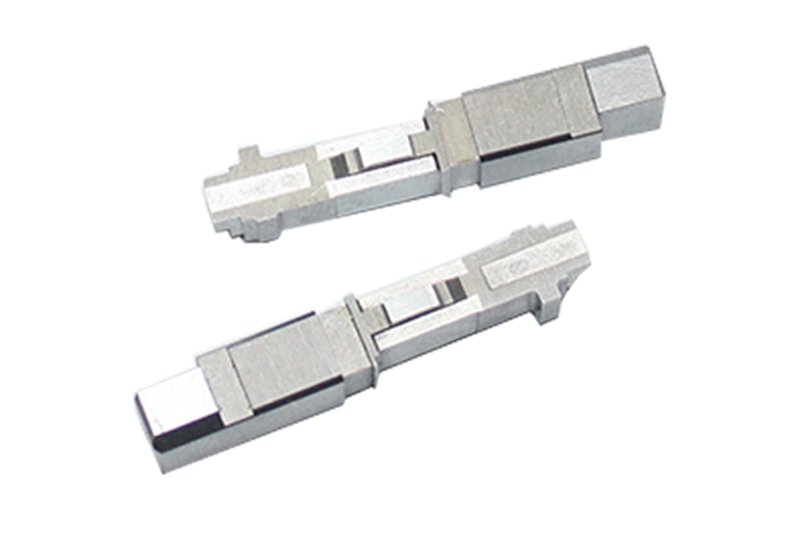
Plastic film parts · Precision mold insert
Automotive Connector Parts – Durable Electrical Connectors, Terminals & Housings
Brand Xuxiang Mold
Availability Made to drawing
RFQ pricing
Quote from STEP / PDF & quantity
Keep every circuit in your vehicle reliable with our premium automotive connector parts designed for harsh under-hood and interior environments. Engineered for a secure, vibration‑resistant fit, these components help prevent intermittent faults and costly downtime. Mix and match housings, terminals, seals, and locks to build or repair custom wiring harnesses quickly. Whether you are upgrading lighting, adding accessories, or restoring OEM wiring, these parts deliver a clean, professional result. Ideal for technicians, installers, and serious DIYers who demand dependable performance from every Automotive connector parts solution.
- ISO 9001:2015–oriented process & documented inspection paths
- Zeiss / Nikon class metrology available for critical dimensions
- DFM feedback from 10+ senior tooling engineers
- Dongguan HQ + Quanzhou capacity for volume programs
Professional-Grade Automotive Connector Parts for Reliable Electrical Systems
Automotive electrical systems depend on hundreds of individual connection points, from the engine bay and transmission to interior modules and accessories. Choosing the right automotive connector parts is essential for long-term reliability, especially in environments exposed to heat, vibration, moisture, salt, and chemicals. Our range of connector components gives you the flexibility to repair OEM wiring, build custom harnesses, or integrate new electronics while maintaining a secure, serviceable connection.
These parts are suitable for passenger cars, light trucks, commercial vehicles, motorsport applications, off-road and agricultural equipment, and specialty builds. By combining compatible housings, terminals, and seals, you can create tailored solutions that match specific current ratings, pin counts, and environmental protection requirements commonly seen in modern automotive connectors.
Key Features & Benefits
Our automotive connector parts are curated to meet the needs of both professional installers and demanding enthusiasts, with a focus on quality, versatility, and ease of installation.
- Modular component system: Choose from connector housings, male and female terminals, cavity plugs, wire seals, and secondary locks to build exactly the connection you need for each circuit.
- Automotive-grade materials: Components are produced from robust plastics and metal alloys commonly used in the automotive industry to withstand temperature cycling, vibration, and exposure to fluids.
- Secure mechanical locking: Many housings feature positive locking tabs and secondary locks that help prevent connectors from backing out under vibration or accidental pulling during service.
- Weather-resistant options: Select seals and sealed connector styles that help protect contacts from water, dust, and road contaminants, ideal for under-hood, under-body, and exterior lighting applications.
- Clean, OEM-style finish: Properly crimped terminals and matched housings give a professional appearance and make future diagnostics or repairs easier than improvised connections.
- Flexible compatibility: Offered in a range of cavity counts and form factors suitable for sensors, actuators, lighting, power feeds, CAN bus, audio, accessories, and more.
- Service-friendly design: Many parts are designed for standard automotive crimp tools, with clear wire insertion paths and retention features that simplify assembly.
Specifications & Component Overview
The following table summarizes the typical attributes and options available across our automotive connector parts range. Use it as a guide when planning your wiring projects or stocking your workshop.
| Attribute | Description |
|---|---|
| Connector Type | Inline connectors, bulkhead connectors, sensor plugs, multi-pin housings, and accessory connectors for power and signal circuits. |
| Components Included | Plastic housings, male and female crimp terminals, wire seals, cavity plugs, terminal position assurance (TPA) locks, and mounting accessories (varies by selection). |
| Pin / Cavity Options | Single-circuit to multi-pin configurations to support sensors, actuators, lighting, and control modules. |
| Wire Size Compatibility | Designed to suit common automotive wire gauges for low-current signals and medium-power circuits (select parts for your specific wire size range). |
| Environmental Protection | Options for unsealed interior use and sealed designs with grommets/seals suitable for moisture-prone or exterior locations. |
| Material Construction | Automotive-grade plastic housings and conductive metal terminals designed for strength, conductivity, and corrosion resistance. |
| Mounting Style | Free-hanging inline connections, panel/bulkhead pass-throughs, and bracket-mounted connectors (depending on the housing style). |
| Typical Applications | Engine and transmission sensors, fuel system components, lighting circuits, HVAC controls, audio and infotainment, accessories, and aftermarket electronics. |
| Tooling Requirements | Compatible with standard open-barrel and closed-barrel automotive crimp tools; depinning tools recommended for terminal removal. |
| Color & Keying | Various keying arrangements and colors to help prevent mis-mating and to identify specific circuits or systems. |
Use Cases & Who These Parts Are For
Automotive connector parts are an essential consumable for anyone who works with vehicle wiring regularly. Whether you are building a custom harness from scratch or simply replacing a damaged plug, having the right assortment on hand saves time and ensures a dependable outcome.
- Professional auto electricians and workshops: Keep stock on hand for fast repairs to broken connectors, corroded terminals, and brittle housings, particularly on high-mileage vehicles or those exposed to harsh climates.
- Motorsport and performance shops: Build lightweight, serviceable looms for track cars, rally vehicles, or off-road rigs where vibration and quick servicing are critical.
- Aftermarket installers: Integrate lighting upgrades, audio systems, engine management, tow bars, and additional accessories without cutting corners on electrical reliability.
- Restoration specialists: Replace obsolete or damaged factory connectors with modern equivalents that maintain an OEM-style appearance and function.
- DIY enthusiasts and hobbyists: Clean up previous wiring jobs, fix intermittent electrical faults, or add new features safely at home.
By using purpose-built connector components instead of temporary fixes or generic household connectors, you help protect sensitive electronics from voltage drops, intermittent connections, and corrosion-related failures.
Installation, Care & Buying Guidance
To get the best performance from your automotive connector parts, it is important to select compatible components, use the right tooling, and follow good wiring practices.
- Match wire size and terminal type: Always choose terminals designed for the wire gauge you are using. Undersized or oversized wire in the crimp area can lead to poor mechanical retention or overheating.
- Use a quality crimp tool: A dedicated automotive crimp tool provides consistent, repeatable crimps that grip both the conductor and insulation. Avoid pliers or generic tools that can crush terminals unevenly.
- Verify housing compatibility: Terminals and housings are designed to work together as a system. Ensure the part families match so terminals lock correctly and seals seat properly.
- Seal where needed: For under-hood, under-body, or exterior applications, use sealed housings and wire seals, and route wiring to avoid direct spray where possible.
- Support the harness: Secure wiring with clips, loom, and grommets to minimize strain on connectors, especially near moving components or high-vibration areas.
- Inspect periodically: During routine service, visually inspect connectors for broken locks, corrosion, or chafed wires and replace components as needed to prevent failures.
When buying, consider ordering a variety of common connector styles and terminals so you always have the right parts when a vehicle arrives with a damaged plug or when a project demands a custom solution. Keeping labeled assortments by cavity count, family type, and wire gauge range will make your workflow more efficient and professional.
FAQ
Are these automotive connector parts compatible with my vehicle?
These parts are designed to suit common automotive connector styles and wiring practices, but compatibility depends on your specific vehicle and connector family. Compare the shape, keying, and locking features with the original connector, and confirm that the terminals and wire size range match your application.
Do I need special tools to install these connectors?
For best results, use a dedicated automotive crimp tool that matches the style of terminals you are working with. This ensures strong, reliable crimps on both the conductor and insulation. A depinning tool is also helpful for removing terminals from housings without damage.
Can these connector parts be used in engine bay or exterior locations?
Yes, many of the available components are suitable for under-hood and exterior use when paired with the appropriate seals and sealed housings. Always select weather-resistant options for areas exposed to moisture, road spray, or dirt, and route wiring to minimize direct exposure.
How should I choose the right size connector for my wiring?
Start by identifying the number of circuits you need, the wire gauge for each circuit, and whether the connection will carry power or low-current signals. Then select a connector housing with the required cavity count and choose terminals specified for your wire size range. Ensure the current rating of the chosen connector family is appropriate for the load.
What is the best way to maintain and inspect my connectors over time?
During regular vehicle service, visually inspect connectors for broken locking tabs, damaged seals, corrosion, and chafed wiring. If you disconnect a connector, check for bent or recessed terminals before reconnecting. Replace any compromised components promptly to prevent intermittent faults and further damage.
Do these parts come with a warranty or return option?
Connector components are typically covered by a standard parts warranty against manufacturing defects for a limited period. If you receive items that are damaged or incorrect for your application, they can usually be returned or exchanged according to the store’s returns policy, provided they are unused and in resalable condition.
How are the automotive connector parts packaged and shipped?
Smaller quantities are commonly supplied in labeled bags or small boxes for easy identification and storage. Orders are packaged to protect delicate terminals and housings in transit. Shipping options usually include standard and expedited services, with tracking information provided once your order is dispatched.
Can I mix different connector families in one harness?
You can use different connector families in one harness as long as each mated pair uses matching housings, terminals, and seals. However, individual components from different families are generally not cross-compatible, so always keep parts grouped and labeled by system.
What if I am unsure which connector part I need?
If you are uncertain, remove the original connector and compare it closely to product images and descriptions, noting the number of pins, shape, keying, and locking mechanism. You can also measure the wire size and examine the terminal style. When in doubt, consult a professional or provide photos and details to customer support for guidance.
Same drawing, predictable results—next batch
Share revision, quantity ramp, and inspection level. We quote process route, ship date, and documentation in one structured response.