
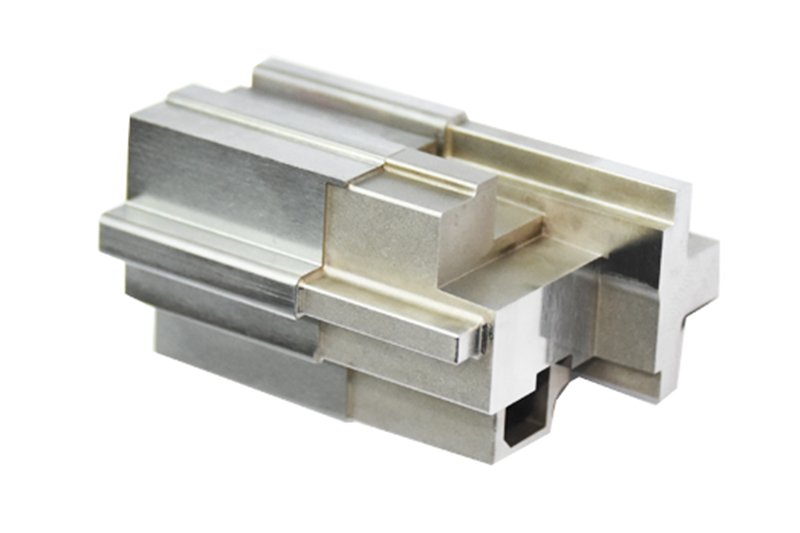
Plastic film parts · Precision mold insert
Automotive Connector Parts – Durable Electrical Connectors & Terminals for Vehicles
Brand Xuxiang Mold
Availability Made to drawing
RFQ pricing
Quote from STEP / PDF & quantity
Keep every circuit in your vehicle secure and reliable with our high‑quality automotive connector parts. Designed for harsh under‑hood and chassis environments, these components help you achieve clean, professional electrical repairs and builds. From multi‑pin plugs to terminals and seals, each part is engineered for stable conductivity and resistance to vibration, heat, and moisture. Whether you are restoring a classic car or wiring modern accessories, you can count on a precise fit and long‑lasting performance. Upgrade your next project with automotive connector parts that make installations faster, cleaner, and more dependable.
- ISO 9001:2015–oriented process & documented inspection paths
- Zeiss / Nikon class metrology available for critical dimensions
- DFM feedback from 10+ senior tooling engineers
- Dongguan HQ + Quanzhou capacity for volume programs
Professional-Grade Automotive Connector Parts for Reliable Vehicle Wiring
Automotive electrical systems operate in one of the toughest environments of any wiring application: constant vibration, temperature swings, moisture, road debris, and tight packaging under the hood. Choosing the right automotive connector parts is essential to keep every circuit safe, stable, and easy to service over the lifetime of the vehicle.
These components include housings, terminals, seals, and accessories designed specifically for 12V and 24V vehicle electrical systems. They are used everywhere from engine bay sensors and lighting harnesses to infotainment systems, towing equipment, and aftermarket accessories. With the right connector parts, you can build new custom looms, repair damaged factory harnesses, or upgrade older vehicles to modern standards of reliability.
Unlike general-purpose connectors, automotive-grade parts are optimized for secure locking, high vibration resistance, and protection against water, salt, and chemicals. They help prevent intermittent faults, short circuits, and corrosion that can lead to breakdowns or expensive diagnostics.
Key Features & Benefits
These automotive connector parts are selected to support both OEM-style repairs and custom wiring projects, offering you the flexibility and durability needed in professional and enthusiast workshops.
- Vehicle-grade materials: Connector housings are typically molded from high-temperature, impact-resistant plastics designed for use in engine bays and exterior locations.
- Secure locking mechanisms: Positive locking tabs, secondary locks, and terminal position assurance (TPA) features help ensure each terminal is fully seated and stays in place even under heavy vibration.
- Moisture and dust protection: Many connectors are compatible with environmental seals and grommets to help protect contacts from water, road salt, dust, and other contaminants.
- Stable electrical performance: Quality terminals with suitable plating support low contact resistance, helping improve signal integrity for sensors and reliable power delivery to loads.
- Versatile pin counts and formats: Options range from simple 1-way connectors for single circuits to multi-pin configurations for complex harness junctions and modules.
- Easy service and replacement: Serviceable designs allow de-pinning and re-pinning with the correct tools, so you can replace terminals or modify circuits without cutting and splicing wires.
- Support for multiple wire sizes: Crimp terminals are available for a range of cross-sections, making it easier to match OEM wire gauges and maintain proper current capacity.
By selecting the right combination of connector housings, terminals, and seals, you can build wiring looms that are easier to install, inspect, and maintain, while dramatically reducing the risk of electrical issues over time.
Specifications & Key Attributes
The table below summarizes typical attributes you can expect from automotive connector parts in this category. Exact details vary by specific connector family and manufacturer, so always verify compatibility with your application before installation.
| Attribute | Description |
|---|---|
| Product type | Automotive connector housings, terminals, seals, plugs, and accessories for vehicle wiring |
| Typical applications | Engine and sensor wiring, lighting circuits, ECU connections, body harness repairs, accessory power, towing and trailer wiring |
| Connector styles | Inline connectors, bulkhead connectors, header-style connectors, multi-pin plugs and sockets |
| Number of ways | Commonly available in 1-way, 2-way, 3-way and multi-pin configurations; higher pin-count options for modules and harness junctions |
| Contact type | Crimp terminals for stranded automotive wire; male and female versions, often with secondary locks |
| Wire compatibility | Designed for standard automotive wire sizes used in 12V/24V systems; check product notes for specific supported wire ranges |
| Environmental protection | Options for sealed connectors using rubber seals or grommets for improved resistance to water, dust, and road contaminants |
| Temperature suitability | Automotive-grade materials selected for use in typical engine bay and interior temperature ranges |
| Locking & retention | Integrated latch mechanisms, terminal position assurance (TPA) features, and secondary locks available on many designs |
| Installation tools | Compatible with common automotive crimp tools and depinning tools for the relevant terminal series |
Typical Use Cases & Who These Parts Are For
Automotive connector parts are used by professionals and hobbyists across many segments of the vehicle and equipment industry. If your work involves electrical systems on wheels, there is a strong chance you rely on these components.
- Automotive repair shops: Quickly replace damaged factory connectors on lighting, sensors, coils, injectors, ABS modules, and more without replacing the entire harness.
- Auto electricians and diagnostic specialists: Build test leads, breakout harnesses, and custom pigtails for advanced troubleshooting and module programming.
- Motorsport and performance builders: Create robust custom looms for engine swaps, ECU upgrades, data logging systems, and motorsport electronics, where reliability is critical.
- 4×4, RV, and marine upfitters: Wire auxiliary lighting, winches, air compressors, fridges, inverters, and towing equipment with protected connectors suited to off-road and outdoor environments.
- Vehicle converters and coachbuilders: Integrate additional lighting, safety systems, lifts, and control modules on commercial vehicles and special-purpose builds.
- DIY enthusiasts and restorers: Replace brittle or corroded legacy connectors in classic cars, motorcycles, and project vehicles to improve reliability and simplify future service.
Because these parts are modular, you can stock a selection of popular connector styles and wire sizes, then configure them as needed for each job. This helps reduce downtime waiting for a single, vehicle-specific connector and gives you flexibility to support a wider range of models and applications.
Care, Installation Tips & Buying Guidance
To get the best results from your automotive connector parts, it is important to focus on proper selection, correct installation technique, and basic care. Done well, a quality connector can last the lifetime of the vehicle.
- Match the environment: For engine bay, under-chassis, or exterior locations, prioritize sealed connector options with appropriate gaskets and boots. For interior or protected areas, unsealed connectors may be suitable and more compact.
- Select the right wire range: Always confirm that the terminal size matches the conductor cross-section of the wire you plan to use. Undersized or oversized crimps can lead to high resistance, overheating, or pull-out failures.
- Use proper crimp tools: Invest in a quality crimp tool that matches the terminal family. Correct tooling creates consistent, gas-tight crimps that resist vibration and corrosion far better than improvised methods.
- Avoid soldering onto crimp areas: Automotive terminals are designed for mechanical crimping. Solder can wick and create rigid sections that are more prone to fatigue in high-vibration environments.
- Route and support harnesses: After connecting, ensure that wiring looms are secured with clips, ties, and protective sleeving where necessary. Reducing cable movement extends the life of both the wire and the connector.
- Inspect seals and locks: Before final installation, check that every terminal is fully seated and that secondary locks and TPAs are correctly engaged. Confirm that seals are not pinched or damaged.
- Plan for serviceability: When designing custom harnesses, consider future access. Place connectors where they can be reached for diagnostics, and label circuits or use color-coding where appropriate.
When buying, it can be helpful to keep a small stock of common connector formats and terminal sizes that match your most frequently serviced vehicles. If you work with a specific OEM platform or connector family, selecting compatible parts and tools for that series will streamline your workflow and reduce rework.
For critical applications or high-volume professional use, look for components that align with recognized automotive standards and quality practices. Reputable suppliers often highlight compliance with automotive-specific testing, material traceability, and environmental regulations, helping you build systems you can trust.
FAQ
Are these automotive connector parts compatible with my vehicle?
Compatibility depends on the specific connector series, pin count, and wire size used on your vehicle. Always compare the shape, locking style, and terminal type to the original connector. For custom builds, choose connectors that match your wire gauge and current requirements rather than a particular vehicle model.
Do I need special tools to install these connectors?
Yes, most automotive terminals require an appropriate crimp tool designed for open-barrel or closed-barrel automotive crimps. Using the correct tool ensures a secure, reliable connection and helps prevent pull-out, overheating, or intermittent faults.
Can I use these automotive connector parts in the engine bay?
Many connector families are suitable for engine bay use when paired with the correct seals and boots. For high-temperature or exposed positions, select connectors and materials specifically intended for under-hood environments and follow best practices for heat and vibration management.
How should I protect connectors from water and corrosion?
For exposed locations, use sealed connectors with properly installed rubber grommets and backshells. Route harnesses away from direct spray where possible, and ensure that connectors are fully locked so seals are compressed correctly. Periodic visual inspection in harsh environments can help catch damage early.
What if I am not sure which connector size or type to choose?
If you are unsure, start by identifying the wire gauge, number of circuits, and whether the location is exposed to moisture or heat. Then select a connector family that supports those requirements. When repairing an existing harness, comparing the original connector and measuring the wire can help you choose the closest match.
Do you offer returns or exchanges if the parts do not fit?
Return and exchange options depend on the store policy where you purchase the connector parts. In general, unopened and unused components are more likely to be eligible for return. Always review the specific returns policy and keep packaging intact until you are sure the parts are suitable.
How are automotive connector parts shipped?
Connector housings and terminals are typically shipped in protective packaging to prevent damage or mixing of different parts. Orders may be packed in labeled bags or trays so you can quickly identify each component. Transit times and carriers vary by region; check shipping options at checkout.
Can I reuse old terminals or should I always install new ones?
In most cases it is best practice to use new terminals when repairing or modifying harnesses, especially in critical circuits. Old terminals may have hidden fatigue, corrosion, or deformation that can lead to unreliable connections over time.
How do I maintain connectors after installation?
Routine maintenance is minimal for properly installed connectors. During regular vehicle inspections, look for signs of damage, loose harness supports, or contamination. For off-road or harsh-duty vehicles, periodic checks of exposed connectors can help ensure seals remain intact and latches are fully engaged.
Are these connectors suitable for 24V or commercial vehicles?
Many automotive connector parts can be used in both 12V and 24V systems as long as current, insulation, and environmental requirements are met. For heavy-duty trucks or equipment, verify that the chosen connector series matches the electrical load and conditions of your specific application.
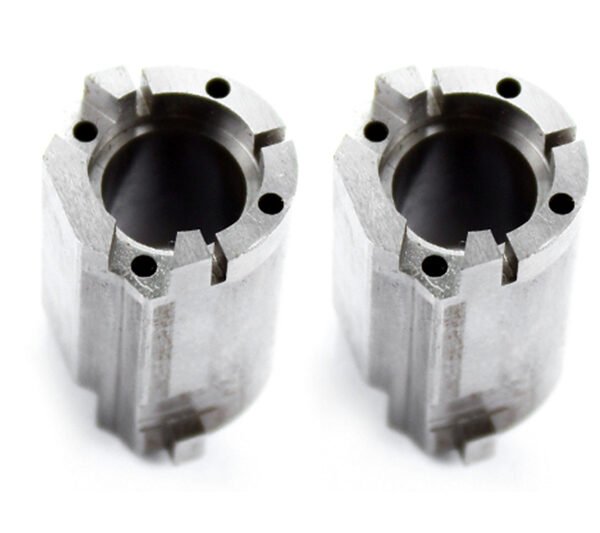
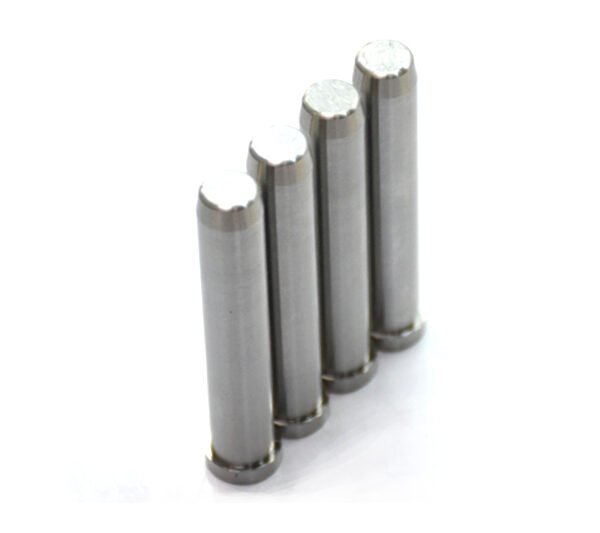
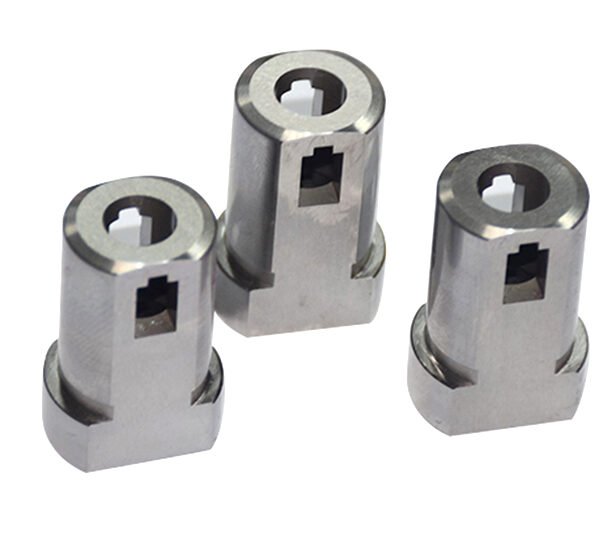
Same drawing, predictable results—next batch
Share revision, quantity ramp, and inspection level. We quote process route, ship date, and documentation in one structured response.