
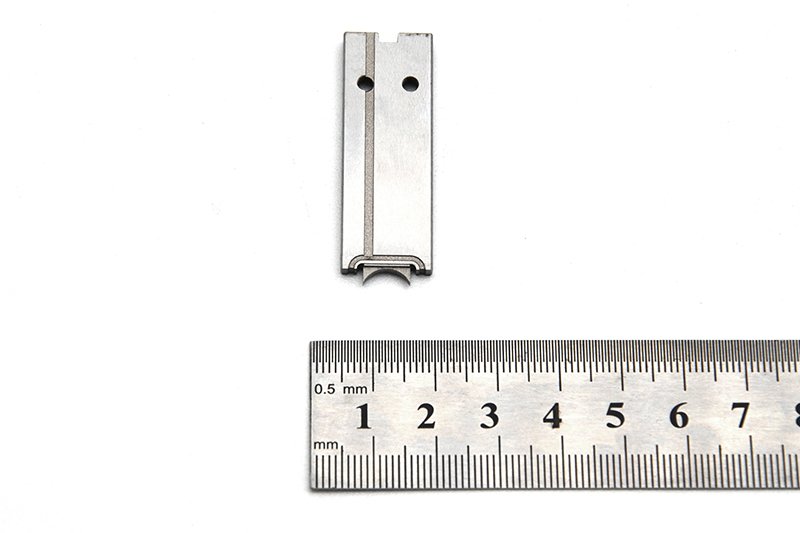
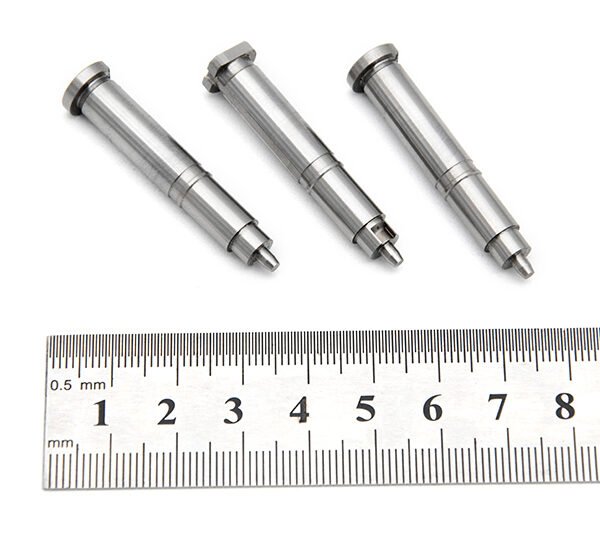
Plastic film parts · Precision mold insert
Automotive Connector Parts – Universal Electrical Connectors & Terminals for Vehicles
Brand Xuxiang Mold
Availability Made to drawing
RFQ pricing
Quote from STEP / PDF & quantity
Keep every circuit in your vehicle reliable with our premium automotive connector parts designed for modern 12V and 24V electrical systems. From sensor plugs to lighting connectors, each piece is engineered for secure mating, vibration resistance and long-term durability. Weather-resistant materials help protect against moisture, dust and under‑hood heat so you can install with confidence. Ideal for professional technicians, custom builders and DIY enthusiasts upgrading or repairing automotive wiring harnesses. Choose the right mix of automotive connector parts to simplify troubleshooting and ensure safe, clean, factory‑grade connections.
- ISO 9001:2015–oriented process & documented inspection paths
- Zeiss / Nikon class metrology available for critical dimensions
- DFM feedback from 10+ senior tooling engineers
- Dongguan HQ + Quanzhou capacity for volume programs
Professional-Grade Automotive Connector Parts for Reliable Vehicle Wiring
Automotive electrical systems are only as reliable as the connectors that join every wire, sensor and module together. Our range of automotive connector parts is designed to help you build, repair or upgrade wiring harnesses with the same attention to safety and durability that OEM manufacturers demand. From simple blade terminals to sealed multi-pin connectors, you can create clean, serviceable connections across the entire vehicle.
Whether you are replacing a damaged plug on an engine sensor, adding auxiliary lighting, or building a full custom loom for motorsport, the right connector parts make installation smoother and future diagnostics far easier. Each component in this range is selected for secure fitment, corrosion resistance and compatibility with common automotive wire gauges and systems.
Key Features & Benefits
Every vehicle and application is different, but the requirements for reliable connectivity are the same: solid contact, environmental protection and ease of service. Our automotive connector parts are chosen to meet those needs while supporting a wide variety of vehicles and projects.
- Wide compatibility – Suitable for use in passenger cars, light trucks, off-road vehicles, marine craft and powersports applications that use 12V or 24V electrical systems.
- Secure mechanical locking – Many multi-pin housings feature positive locking tabs or clips that prevent accidental disconnection from vibration, road shock or engine movement.
- Weather-resistant options – Sealed connector bodies and optional wire seals help protect contacts from moisture, dust, mud and road salt in under‑hood and under‑body locations.
- Serviceable designs – Many connectors use removable terminals so you can depin and repin housings for repairs, retrofits or loom reconfiguration without cutting the harness.
- Support for common wire gauges – Terminal selections typically cover popular automotive wire sizes used for lighting, sensors, actuators and power distribution circuits.
- Clean, professional installation – Matching housings, terminals and seals allow you to create tidy looms that look and perform like factory harnesses, improving both reliability and appearance.
- Ideal for diagnostics & upgrades – Using consistent connectors simplifies circuit tracing, testing with multimeters or break‑out leads, and future component upgrades.
Together, these benefits help reduce intermittent electrical faults, improve safety and minimize rework caused by poor connections or makeshift repairs.
Specifications & Key Attributes
The exact specifications of each connector will depend on the chosen style, pin count and application. The table below summarizes general characteristics you can expect in this product category.
| Attribute | Description |
|---|---|
| Product type | Automotive connector parts including housings, terminals, seals and accessories for vehicle wiring |
| Typical applications | Engine sensors, lighting circuits, ignition and fuel systems, interior electronics, power distribution, aftermarket accessories |
| Connector styles | Single- and multi-pin plugs, inline connectors, bulkhead feed-throughs, blade and ring terminals, fuse and relay connectors |
| Environmental options | Open-style connectors for interior use and sealed connectors with grommets or seals for exterior/under‑hood use |
| Contact material | Copper or copper-alloy terminals with protective plating for improved conductivity and corrosion resistance |
| Insulator / housing material | Durable automotive-grade thermoplastics designed to withstand typical vehicle temperatures and fluids |
| Wire compatibility | Designed for commonly used automotive wire sizes in low- to medium-current circuits |
| Connection method | Crimp-style terminations using appropriate crimp tools; some terminals may support soldering if specified |
| Locking & retention | Integral locking tabs, secondary locks or terminal position assurance (TPA) features on many connector series |
| Serviceability | Depinnable designs with compatible extraction tools to repair or reconfigure harnesses without cutting wires |
Use Cases & Who These Connector Parts Are For
Because of their flexibility and broad compatibility, these automotive connector parts fit a wide range of projects and user types. Whether you manage a fleet or build one car at a time, having the right connectors on hand saves time and helps prevent electrical problems.
- Repair shops & technicians – Replace broken or melted connectors on sensors, coils, fuel injectors, lights and other components instead of replacing the entire harness. Restore OEM-style connections after accident damage or corrosion.
- Custom and performance builders – Build complete custom looms for engine swaps, standalone ECUs, off-road lighting, winches, air suspension and other upgrades. Choose connector styles that match the environment and service needs of each circuit.
- DIY enthusiasts and restorers – Upgrade brittle or obsolete connectors on classic vehicles with modern equivalents, or tidy up prior owner “repairs” that used household connectors or twisted, taped joints.
- Motorsport and off-road users – Use sealed, locking connectors in high‑vibration, high‑exposure areas to reduce DNF‑causing electrical failures, even when subjected to mud, water and frequent washdowns.
- Equipment builders & upfitters – Integrate lighting bars, beacons, inverters, refrigeration units or other auxiliary equipment into commercial vehicles using consistent connector systems that are easy to service.
With the right selection of housings, terminals and seals, you can standardize your wiring practices, minimize guesswork during troubleshooting and make future upgrades much simpler.
Buying Guidance & Installation Tips
Choosing the correct automotive connector parts starts with understanding your application and environment. A connector that works perfectly behind a dashboard may fail quickly when mounted near a wheel arch or under the hood. Use the following guidelines to select components that will last.
- Match the environment – For areas exposed to moisture, dirt or engine bay heat, choose sealed connectors and temperature-resistant housings. For dry interior locations, non‑sealed connectors may be sufficient and more compact.
- Check pin count and current needs – Select a connector with enough pins for all wires in the circuit, with adequate contact size and rating for the current each wire will carry. Avoid overloading small terminals with high-current loads.
- Use correct wire size – Pair terminals with the wire gauge they are designed for. Undersized or oversized wire in a given terminal can lead to poor crimp quality and overheating.
- Invest in proper tools – Use a quality ratcheting crimp tool matched to the terminal style. Correct crimps provide better conductivity, pull‑out strength and long-term reliability than improvised methods.
- Plan for serviceability – When routing harnesses, leave enough slack and choose connector locations that can be reached later for testing or replacement. Labeling wires or using color-coded heatshrink can further simplify future work.
- Test before final assembly – After crimping and assembling connectors, perform continuity and function tests before wrapping looms or reinstalling trim so any errors are easy to correct.
By combining high-quality automotive connector parts with careful installation practices, you significantly reduce the likelihood of intermittent faults, voltage drops and component damage caused by poor connections.
FAQ
Are these automotive connector parts compatible with my vehicle?
These connector parts are designed for use with many modern 12V and 24V vehicle electrical systems, including cars, trucks and off‑road vehicles. However, compatibility depends on the specific connector style, pin layout and locking design used by your vehicle. Compare shapes, keying features and pin counts with your original connector, or consult your service manual, before ordering.
How do I know which connector size and pin count to choose?
Start by counting the number of wires going into your existing connector and matching that to the pin count of the replacement. Then confirm that the housing shape, keying and latch type are similar so it will mate correctly with the existing component or harness. If you are creating a new circuit, choose a connector with enough pins for all wires plus any future additions you may want.
Do I need special tools to install these connector parts?
Most automotive terminals require a dedicated crimp tool that matches the profile of the terminal wings. A quality ratcheting crimper helps achieve consistent, reliable crimps. For sealed connectors, you may also use simple hand tools to install wire seals and secondary locks. Using the correct tools is strongly recommended for long-term reliability.
Can I solder the wires instead of crimping them?
Some installers prefer soldering, but most modern automotive terminals are engineered primarily for crimp connections. A proper crimp creates both a mechanical and electrical bond that withstands vibration. If you choose to solder, avoid wicking solder far up the wire, as this can create a stiff section that may break with vibration. Always follow the guidance for the specific terminal type you are using.
Are these connector parts suitable for engine bay or exterior use?
Many connector options in this category are suitable for under‑hood or exterior applications when you choose sealed designs with appropriate temperature and chemical resistance. For harsh environments exposed to water, mud or road salt, select sealed connectors and ensure seals are correctly installed to maintain protection.
How should I care for and maintain my connectors after installation?
Periodically inspect exposed connectors for signs of corrosion, damage or loose latches, especially in off‑road or marine environments. Keeping connectors clean, ensuring seals are intact and avoiding unnecessary strain or bending on the wires will extend service life. Dielectric grease can be used on certain connectors if recommended by the connector manufacturer.
What is the typical shipping time for automotive connector parts?
Shipping times vary by region and selected service, but in-stock connector parts typically ship within a short handling window. At checkout, you can choose from standard, expedited or express options where available. You will receive tracking details so you can follow your order in transit.
Can I return connector parts if I order the wrong ones?
Most sellers accept returns of unused, unmodified connector parts within a defined return period, provided they are in original condition and packaging. Before purchasing, review the specific return and warranty policy, and keep connectors clean and uncrimped if you think you may need to exchange them.
Do these connectors come with a warranty?
Connector parts are generally covered by a limited warranty against manufacturing defects for a specified period determined by the seller or manufacturer. This typically does not cover damage from incorrect installation, misuse or environmental exposure beyond the connector’s intended rating. Refer to the warranty information supplied with your order for details.
Can I mix different connector brands in the same harness?
You can often mix brands as long as mating connectors are from the same series and follow the same design and dimensions. However, not all look‑alike connectors are truly compatible. Whenever possible, use matching connector families to ensure proper fit, sealing and long-term reliability.
Same drawing, predictable results—next batch
Share revision, quantity ramp, and inspection level. We quote process route, ship date, and documentation in one structured response.