
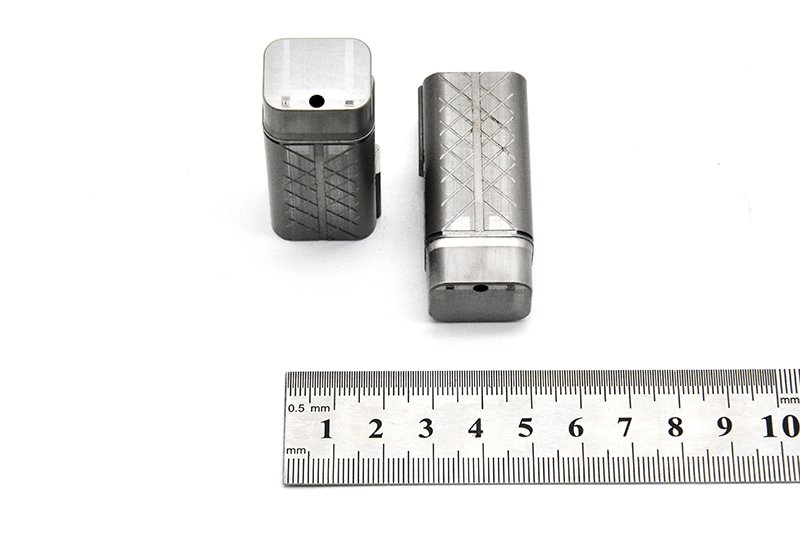
Plastic film parts · Precision mold insert
Automotive Connector Parts – Durable Electrical Connectors for Vehicles
Brand Xuxiang Mold
Availability Made to drawing
RFQ pricing
Quote from STEP / PDF & quantity
Ensure reliable power and signal across every circuit in your vehicle with these premium automotive connector parts. Designed for harsh engine-bay environments, they help prevent intermittent faults, corrosion, and costly downtime. Whether you are repairing a damaged loom or building a custom harness, these components offer a clean, professional finish. Easy-to-assemble housings and terminals save time in the workshop while improving long-term serviceability. Upgrade your wiring with connector parts you can trust on the road and off it.
- ISO 9001:2015–oriented process & documented inspection paths
- Zeiss / Nikon class metrology available for critical dimensions
- DFM feedback from 10+ senior tooling engineers
- Dongguan HQ + Quanzhou capacity for volume programs
Professional-Grade Automotive Connector Parts for Reliable Vehicle Wiring
These automotive connector parts are engineered for technicians, builders, and enthusiasts who need dependable connections in demanding vehicle environments. From daily-driver repairs to motorsport and off-road builds, high-quality connectors are essential to protect your electrical system from vibration, moisture, temperature swings, and chemical exposure.
Automotive connectors are used wherever wires join sensors, actuators, lighting, control modules, and accessories on cars, trucks, buses, agricultural machinery, powersports equipment, and more. By using purpose-built connector housings, terminals, and seals, you can significantly reduce the risk of intermittent faults, shorts, and corrosion that often occur with poor-quality or improvised connections.
These parts are designed to integrate with standard automotive wiring practices and are compatible with common crimping and de-pinning tools used by auto electricians, harness builders, and service centers. Whether you are replacing a single damaged plug or building a complete custom loom, choosing the right connector parts ensures long-term reliability and a professional-grade result.
Key Features & Benefits
Automotive environments are harsh: connectors must withstand constant vibration, heat cycles, water spray, road salt, oils, and dust. These connector components are selected and designed with those real-world conditions in mind so your wiring performs consistently over time.
- Secure locking housings – Positive-lock tabs and secondary locks help prevent accidental disconnection from vibration or service work, maintaining consistent electrical contact.
- Weather-resistant options – Many connector families support grommets, wire seals, and cavity plugs to help keep out moisture, dust, and contaminants for improved durability in engine bays and underbody locations.
- High-conductivity terminals – Quality metal terminals with proper crimp geometry deliver low-resistance connections, reduce heat buildup, and support reliable sensor signals and power delivery.
- Versatile pin counts – From simple 1–2 way connectors for sensors and lighting to multi-pin housings for modules and sub-harnesses, you can match the connector layout to your circuit needs.
- Service-friendly design – Many components support de-pinning with standard extraction tools, allowing rework, repairs, and loom modifications without cutting wires.
- Clean, OEM-like appearance – Using proper connector housings, terminals, and seals gives your harness a tidy, factory-style look that is easier to inspect and diagnose in the future.
- Application flexibility – Suitable for use in automotive, light commercial, motorsport, marine (where appropriate), agricultural machinery, and custom vehicle projects.
Specifications & Key Attributes
The exact specification of each connector family will vary, but the table below outlines common attributes and selection points to consider when choosing parts for your application.
| Attribute | Description |
|---|---|
| Connector Type | Inline, bulkhead, sensor, lighting, module, and multi-pin harness connectors for general vehicle wiring. |
| Number of Ways | Commonly available from 1-way up to multi-pin configurations suitable for complex harness branches. |
| Typical Applications | Engine sensors, injectors, coils, lighting, fans, fuel pumps, ABS, ECUs, transmission and chassis systems. |
| Housing Material | Automotive-grade plastics designed for thermal stability, impact resistance, and chemical resistance. |
| Terminal Style | Crimp terminals for stranded copper automotive wire; male pin and female socket designs. |
| Wire Size Compatibility | Supports a range of common automotive wire gauges used in low- to medium-current circuits. |
| Sealing Options | Sealed and unsealed configurations; availability of wire seals, cavity plugs, and grommets for enhanced protection. |
| Temperature Resistance | Designed for typical under-hood and interior automotive temperature ranges. |
| Mounting & Retention | Free-hanging inline connectors, panel-mount options, and clips or channels depending on connector family. |
| Tooling | Compatible with standard automotive crimp tools and de-pinning tools appropriate to the terminal type. |
Ideal Use Cases & Who These Parts Are For
Automotive connector parts are essential wherever reliable electrical connections are required in vehicles. They are particularly valuable when repairing or upgrading wiring that has been damaged, corroded, or modified over the years.
- Professional auto electricians – Stock a range of connectors for fast, reliable repairs of broken plugs, retrofits, and accessory installations.
- Workshop and dealership service departments – Use OEM-style connectors to restore original functionality without cutting or splicing unnecessarily.
- Motorsport and performance builders – Build robust custom looms for engine swaps, standalone ECUs, gauges, data logging, and added safety systems.
- Custom and classic car restorers – Replace brittle, outdated connectors with modern equivalents that preserve reliability while respecting the vehicle’s appearance.
- DIY enthusiasts and hobbyists – Tackle lighting upgrades, accessory wiring, audio installs, and engine modifications with components that are safe and serviceable.
- Off-road, marine, and agricultural applications – Choose sealed and rugged connector types to cope with water, mud, and dust where equipment faces extreme conditions.
By matching the connector type and sealing level to your environment and current load, you can dramatically improve long-term reliability and reduce troubleshooting time caused by wiring faults.
Buying Guidance & Installation Tips
Selecting the right automotive connector parts is straightforward when you know what to look for. Before ordering, take a moment to assess your wiring needs and the conditions the connection will face.
- Identify pin count and layout – Count the number of wires that will pass through the connector and choose a housing with matching ways and layout.
- Check wire size – Confirm that the terminals you select are rated for the gauge of wire you are using; this ensures a solid crimp and proper current and signal handling.
- Consider sealing requirements – For engine bay, underbody, or exterior locations, choose sealed connectors with appropriate wire seals and backshells. For interior, protected areas, unsealed connectors may be sufficient.
- Plan for serviceability – Ensure there is enough cable slack and access to connect and disconnect the plug, and consider using connectors with secondary locks in areas where reliability is critical.
- Use proper crimp tools – A quality ratcheting crimp tool matched to the terminal profile will produce consistent crimps, reduce the risk of pull-out, and help maintain low resistance.
- Label and document – When building or modifying looms, label connectors and keep a simple diagram. This saves time for diagnostics and future upgrades.
For long-term reliability, avoid solder-only joints in high-vibration areas and always support the wiring harness mechanically with clips or loom supports near the connector. Inspect connectors periodically on off-road and motorsport vehicles, where impacts and contamination are more common.
FAQ
Are these automotive connector parts compatible with my vehicle?
Compatibility depends on the connector style, pin count, and wire size used in your specific application. Many automotive connectors follow common layouts and terminal styles, so you can often match the original plug or choose a suitable alternative. When in doubt, compare the shape, locking features, and number of ways to your existing connector before ordering.
How are the connectors shipped and packaged?
Connector housings, terminals, and seals are typically supplied in protective packaging to keep them clean and organized. Larger quantities may be supplied in bulk bags, while smaller kits may be grouped by connector type for easier identification during installation.
Do I need special tools to install these connector parts?
You will achieve the best results using an automotive-grade crimp tool designed for open-barrel or specific terminal styles. A small de-pinning tool is recommended if you plan to rework or repair existing connectors. Basic hand tools may work for some tasks, but dedicated crimpers greatly improve reliability.
Can I use these connectors in the engine bay or exterior locations?
For engine bay, underbody, or exterior locations, choose sealed connector families with appropriate wire seals and grommets. These are designed to resist moisture, dust, and chemicals. Unsealed connectors are better suited to interior, protected environments.
How should I care for and maintain my connectors?
Periodically inspect exposed connectors for damage, corrosion, or loose locking tabs, especially on vehicles used off-road or in harsh climates. Cleaning with suitable electrical contact cleaner and ensuring strain relief on the wiring can extend connector life. Avoid pulling on the wires when disconnecting; use the housing body or tab instead.
What if I order the wrong connector parts?
If you purchase an incorrect connector type, condition-dependent return options are usually available as long as the parts are unused and in their original packaging. Check your retailer’s specific returns policy and time frames before placing an order, especially for custom or special-order items.
Are these connector parts suitable for high-current circuits?
Some connector families are designed for signal and low-current circuits, while others support higher currents. Always verify the current rating of the connector style and terminal, and match it to your application. For high-current loads such as main power feeds, fans, or fuel pumps, choose connectors designed for those currents and ensure proper wire gauge.
Can I mix different brands of connectors and terminals?
In many cases, housings and terminals are designed as a system and work best when used together. Mixing unmatched components can lead to poor fit, unreliable contacts, or difficulty locking the connector. Where possible, use terminals and seals that are specified for the housing series you have selected.
Do these connectors come pre-wired?
Most automotive connector parts are supplied as separate housings, terminals, and seals for custom wiring. Some specialized pigtail assemblies may be available for common applications, but in general you will crimp or assemble the connectors to your own harness for maximum flexibility.
Can these connectors be used in non-automotive projects?
Yes, many builders use automotive-grade connectors in powersports, marine (when suitably sealed), agricultural equipment, robotics, and industrial control projects. Their durability and serviceability make them a good choice wherever reliable low-voltage connections are required.
Same drawing, predictable results—next batch
Share revision, quantity ramp, and inspection level. We quote process route, ship date, and documentation in one structured response.