
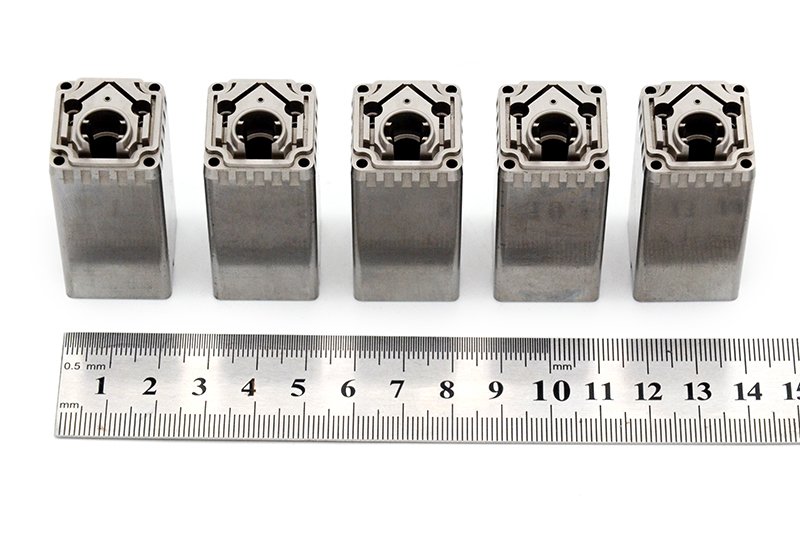
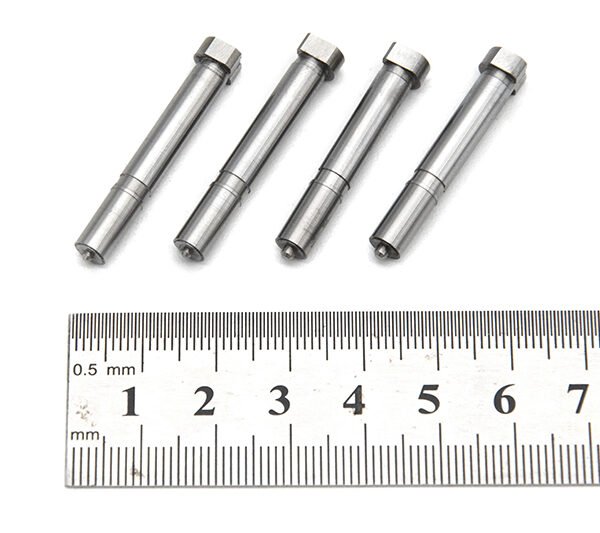
Plastic film parts · Precision mold insert
Automotive Connector Parts – Universal Electrical Connectors, Terminals & Plugs
Brand Xuxiang Mold
Availability Made to drawing
RFQ pricing
Quote from STEP / PDF & quantity
Ensure reliable power and signal throughout your vehicle’s electrical system with this comprehensive selection of high-quality automotive connector parts. Designed for harsh under-hood and chassis environments, these components help you build, repair, or upgrade wiring harnesses with confidence. Heat, vibration, moisture, and corrosion resistance means long-lasting connections on daily drivers, work trucks, and performance builds. Whether you are replacing a single plug or rewiring an entire loom, these parts save you time in the workshop. Perfect for professional auto electricians, fleet maintenance, and DIY enthusiasts who demand dependable results.
- ISO 9001:2015–oriented process & documented inspection paths
- Zeiss / Nikon class metrology available for critical dimensions
- DFM feedback from 10+ senior tooling engineers
- Dongguan HQ + Quanzhou capacity for volume programs
Reliable Automotive Connector Parts for Modern Vehicle Wiring
Modern vehicles depend on robust electrical systems, and the quality of the connectors you use can make the difference between a dependable vehicle and one plagued by intermittent faults. Our range of automotive connector parts is designed for professional technicians and serious DIY enthusiasts who need secure, long-lasting electrical connections across cars, trucks, SUVs, off-road vehicles, powersports machines, and more.
From multi-pin plugs for engine management sensors to heavy-duty terminals for power distribution, these components are engineered to withstand the heat, vibration, and moisture found in real-world automotive environments. Whether you are repairing an OEM harness or building a custom loom, you gain the flexibility to create clean, serviceable connections that are easy to diagnose and maintain.
Key Features & Benefits
Every connector, terminal, and seal in this selection is chosen to simplify your work while improving long-term reliability. Instead of dealing with generic consumer-grade hardware, you can work with parts tailored to the demands of automotive applications.
- Secure locking mechanisms: Positive latch designs help prevent connectors from working loose under vibration, reducing the risk of intermittent electrical faults.
- Automotive-grade materials: Housings are typically molded from high-temperature, impact-resistant plastics suitable for under-hood and interior use.
- Corrosion-resistant terminals: Tin- or nickel-plated copper alloy terminals (where applicable) provide excellent conductivity and resist oxidation in harsh conditions.
- Weatherproof options: Many connector families accept rubber or silicone seals and cable grommets to protect against water, dust, and road salt ingress.
- Easy serviceability: With proper crimp tools, terminals can be removed and replaced, allowing you to repair rather than replace entire harness sections.
- Flexible configurations: Common 1–12 way connector bodies support applications ranging from simple sensors and lighting circuits to more complex modules.
- Clean, professional wiring: Correct connectors eliminate messy splices and taped joints, giving a factory-like appearance and helping future troubleshooting.
Specifications & Compatibility
Automotive connectors come in many styles and families (such as multi-pin sealed plugs, blade terminal housings, and sensor-specific connectors). Instead of fabricating exact figures, the table below summarizes typical attributes you can expect from quality automotive connector parts. Always verify individual product datasheets for precise specifications and ratings before final installation.
| Attribute | Description |
|---|---|
| Connector Type | Mixed selection of multi-pin plugs, single-pin connectors, spade and blade housings, sensor connectors, and power distribution connectors. |
| Typical Applications | Lighting, engine sensors, ignition components, fuel systems, chassis wiring, accessories, audio, and control modules. |
| Mounting Style | Inline harness connections, panel-mounted housings, and bulkhead pass-through connectors depending on the specific part. |
| Conductor Termination | Crimp-style terminals for stranded automotive wire; some styles support soldering where appropriate. |
| Insulation Support | Designed to grip common automotive wire insulation sizes for strain relief and vibration resistance. |
| Environmental Protection | Options with peripheral seals, wire seals, and gaskets for enhanced resistance to moisture, dust, oils, and road contaminants. |
| Operating Environment | Suitable for use in passenger compartments, engine bays, and exterior locations when correctly matched to the application. |
| Color Coding | Variety of housing colors and keying features that help prevent mis-mating and simplify identification during service. |
| Tooling | Compatible with standard or connector-specific crimp tools for consistent, high-quality terminations. |
| Standards & Quality | Automotive-grade construction and materials; verify individual product details for exact standards and approvals. |
Use Cases – Who These Connector Parts Are For
Because automotive electrical systems vary widely by make, model, and year, having a flexible assortment of connector parts can significantly speed up repairs and custom work. These components are ideal in many situations:
- Professional auto electricians who need reliable service connectors for diagnostics, loom repairs, and accessory installations in passenger vehicles, commercial vans, and trucks.
- Performance and motorsport builders creating custom harnesses for engine swaps, standalone ECUs, additional sensors, or racing electronics that must withstand high vibration and heat.
- Restoration projects where original connectors are brittle, corroded, or discontinued, and modern replacements are required to bring classic vehicles up to a reliable standard.
- Fleet and off-road operators maintaining work vehicles, agricultural machinery, ATVs, and UTVs that are exposed to mud, water crossings, and long operating hours.
- DIY enthusiasts installing lighting upgrades, audio systems, auxiliary power sockets, winches, or towing electrics with a more professional finish than simple crimp-on consumer terminals.
By using automotive-specific connector parts rather than generic hardware, you reduce the risk of premature failures that can lead to breakdowns, warning lights, or difficult-to-trace intermittent issues.
Installation Tips & Buying Guidance
Selecting the correct connector parts for your project is crucial. Before ordering or installing, consider the following points to ensure compatibility and safety:
- Match the connector style: Whenever possible, identify the original connector family or shape used on the vehicle (for example, by comparing locking tabs, key positions, and cavity layouts) to ensure proper fit.
- Confirm pin count and layout: Check the number of circuits and the arrangement of pins or sockets to avoid mis-wiring or unused cavities.
- Choose the right wire gauge range: Ensure the terminals are rated for the wire size you plan to use so that crimps are secure and conductive.
- Consider environmental exposure: Use sealed connectors with appropriate wire seals in areas exposed to water spray, dirt, or engine-bay temperatures.
- Use proper crimp tools: Dedicated crimpers for open-barrel or closed-barrel terminals produce consistent crimps, significantly improving reliability compared with generic plier tools.
- Plan for serviceability: Leave enough harness slack and choose connectors that are accessible for future diagnostics and component replacement.
Before finalizing your selection, it is recommended to cross-check connector shapes and locking features against the target component or harness plug. If you are unsure, purchasing a small variety of connector housings and terminals for test-fitting can prevent delays once the vehicle is in the workshop.
When installing, route wiring away from hot exhaust components and moving parts, protect looms with conduit or sleeving, and support harnesses using quality clips or ties. Taking the time to do this correctly reduces the chance of chafed insulation, shorts, and unexpected diagnostic trouble codes.
FAQ
Are these automotive connector parts compatible with my vehicle?
Compatibility depends on the specific connector style, pin count, and locking features used on your vehicle. Before ordering, visually compare the connector shape and latch design with the existing plug, and confirm that the number of terminals and wire gauge range match your application.
Do I need special tools to install these connectors?
For best results, use a dedicated crimp tool suitable for the type of terminals included with your connectors. Proper crimpers create consistent, gas-tight terminations that are far more reliable than generic plier-style tools. Some connectors also require small extraction tools if you plan to remove and reuse terminals.
Can these connector parts be used in the engine bay or under the vehicle?
Many of the connector styles are designed for demanding environments, but you should always choose sealed connectors and appropriate wire seals for areas exposed to heat, moisture, or road debris. Ensure that routing and strain relief are correctly set up to handle vibration and movement.
How should I protect the wiring once the connectors are installed?
Use split loom tubing, braided sleeving, or heat-resistant conduit to protect wires from abrasion and heat. Secure harnesses with quality cable ties or clips, keeping them away from exhaust components, sharp edges, and moving suspension or drivetrain parts.
What if I am not sure which connector type to buy?
If you are uncertain, start by identifying the application (sensor, light, module, etc.) and counting the number of pins required. Take clear photos or measurements of the original connector, and compare them to the available options. When in doubt, consult a professional technician or refer to vehicle-specific repair information.
Can I reuse old terminals in new connector housings?
In some cases it is possible, but it is generally recommended to use new terminals to ensure a secure, low-resistance connection. Old terminals may be fatigued, corroded, or deformed and can compromise the performance of a fresh connector housing.
How do returns and warranty work for these connector parts?
Warranty and return policies vary by seller. Typically, unused connectors in their original condition can be returned within a stated period, while electrical parts that have been installed may have more limited return options. Always review the store’s specific policy before purchasing or installing.
How long will shipping take for these components?
Shipping times depend on your location, chosen shipping method, and stock availability. Many suppliers offer standard and expedited shipping options; estimated delivery windows are usually provided during checkout.
Can these connectors be used for 12V and 24V systems?
Most automotive connector families are suitable for both 12V passenger vehicle systems and 24V commercial or heavy-duty applications when used within their current and temperature ratings. Always confirm the specifications for the exact connector and terminal you plan to use.
Do I need to seal or weatherproof indoor connections?
Interior connections are generally less exposed, but using quality connectors and appropriate strain relief still improves reliability. Sealed connectors are most critical in engine bays, exterior lighting circuits, or any area exposed to moisture and contaminants.
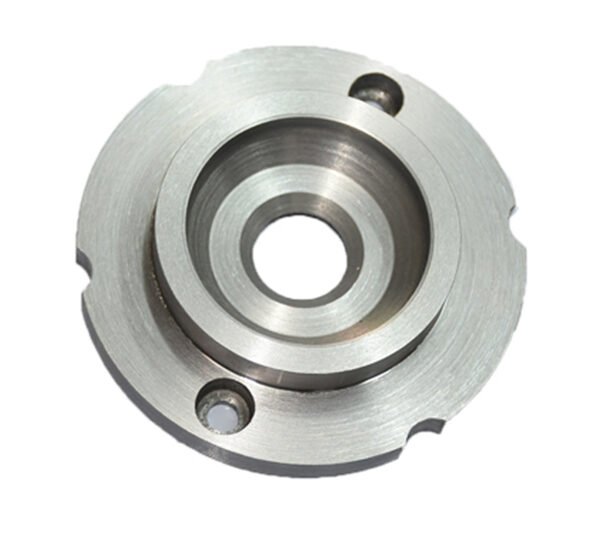
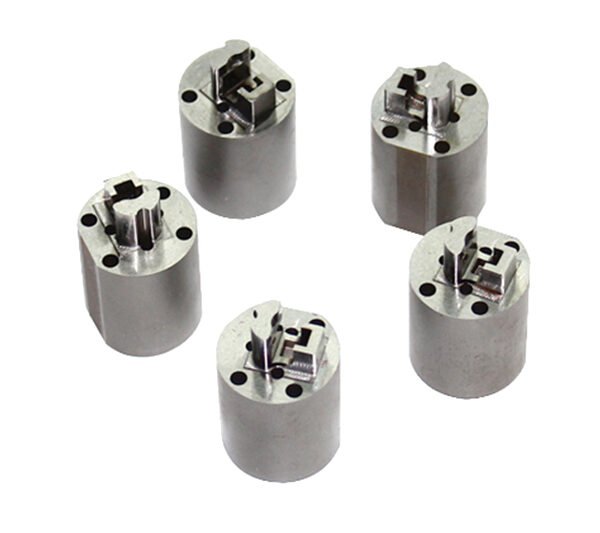
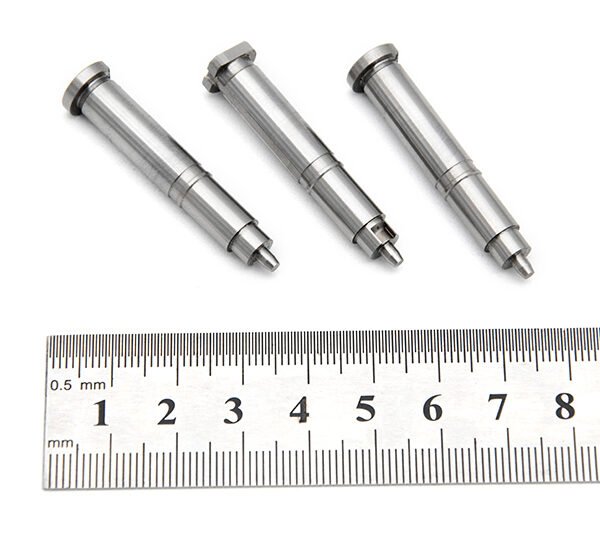
Same drawing, predictable results—next batch
Share revision, quantity ramp, and inspection level. We quote process route, ship date, and documentation in one structured response.