
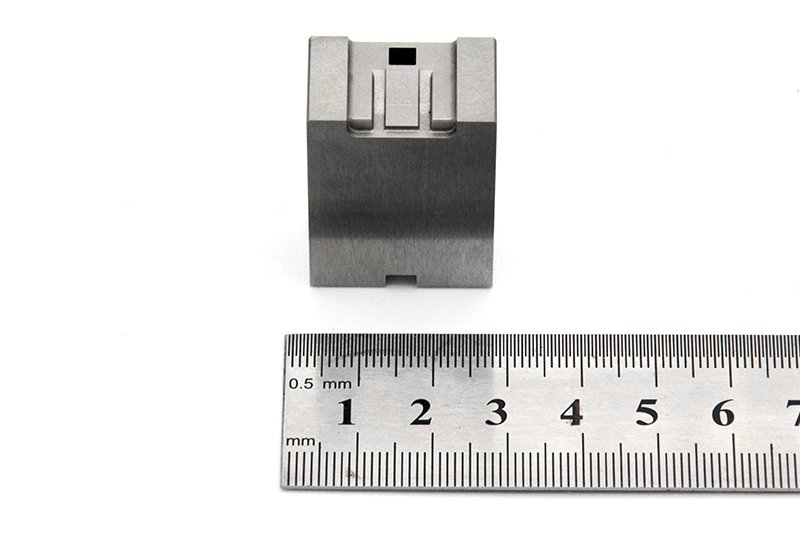
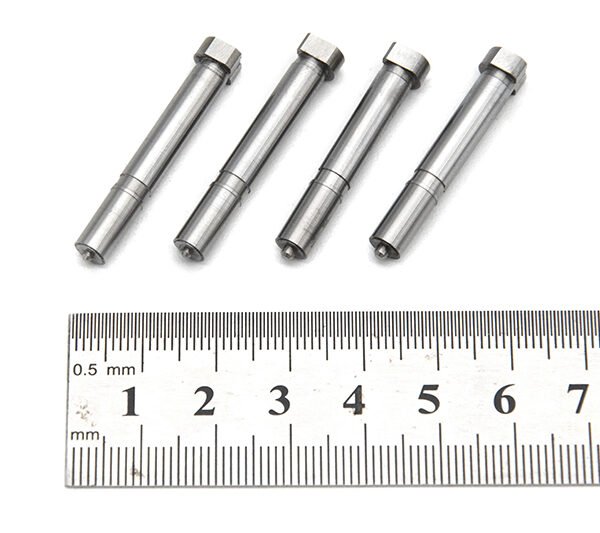
Plastic film parts · Precision mold insert
Automotive Connector Parts – Universal Electrical Harness & Plug Components
Brand Xuxiang Mold
Availability Made to drawing
RFQ pricing
Quote from STEP / PDF & quantity
Build, repair, or upgrade vehicle wiring with confidence using our high-quality automotive connector parts designed for modern 12V and 24V electrical systems. Each component is engineered for secure locking, stable conductivity, and resistance to vibration and heat in demanding automotive environments. From multi-pin plugs to terminals, seals and housings, you can create clean, reliable harnesses for OEM repairs or custom projects. These parts help reduce intermittent faults, simplify troubleshooting, and keep your electrical system tidy and serviceable. Ideal for professional auto electricians, motorsport teams, fleet maintenance, and DIY enthusiasts.
- ISO 9001:2015–oriented process & documented inspection paths
- Zeiss / Nikon class metrology available for critical dimensions
- DFM feedback from 10+ senior tooling engineers
- Dongguan HQ + Quanzhou capacity for volume programs
Professional-Grade Automotive Connector Parts for Reliable Vehicle Wiring
Electrical issues are among the most common and frustrating problems in cars, trucks, and off-road vehicles. Loose plugs, corroded terminals, or poorly matched connectors can cause intermittent faults that are difficult to diagnose and expensive to fix. Our range of automotive connector parts is designed to solve those problems at the source, giving you robust, easy-to-service connections across your entire vehicle wiring harness.
Whether you are repairing an OEM harness, building a custom loom for motorsport, or upgrading lighting, audio, or engine management systems, these connector components provide a professional foundation. With matched housings, terminals, seals, and accessories, you can create connections that are secure, weather-resistant, and clearly organized for future service work.
Key Features & Benefits
Every piece in this connector range is selected to perform reliably in harsh automotive environments where heat, vibration, moisture, and contaminants are constant challenges.
- Secure locking mechanisms – Positive latching tabs and keyed designs help prevent accidental disconnection and mis-mating, even under heavy vibration.
- Automotive-grade materials – Housings typically use high-temperature, impact-resistant plastics suitable for engine bays and underbody zones, helping reduce cracking and deformation over time.
- Consistent electrical performance – Quality metal terminals offer low contact resistance and stable conductivity, supporting sensors, actuators, lighting, and control modules.
- Weather and contamination resistance – Options with wire seals, cavity plugs, and secondary locks help keep out moisture, dust, and road debris for improved long-term reliability.
- Flexible configurations – Available in common pin counts (from single-way to multi-way connectors), allowing you to match existing harness layouts or design new circuits efficiently.
- Service-friendly design – Detent locks and standardized cavity sizes allow terminals to be de-pinned and replaced using appropriate tools, making diagnosis and repair faster.
- Clean, organized wiring – Using consistent connector families throughout a vehicle results in neater harness routing, easier labeling, and reduced risk of wiring errors.
Specifications & Key Attributes
The table below summarizes typical characteristics and options available in this range of automotive connector parts. Exact details may vary by specific connector series or kit.
| Attribute | Description |
|---|---|
| Product type | Automotive connector parts – housings, terminals, seals, plugs, locks |
| Typical applications | Engine bay wiring, lighting circuits, sensors, ECUs, body electronics, accessories |
| Connector styles | Inline plugs, receptacles, panel-mount connectors, header-style and pigtail options |
| Pin counts | Commonly from 1-way to multi-way (2, 3, 4, 6, 8, and higher depending on series) |
| Contact type | Crimp terminals for copper automotive wire; male and female pin options |
| Wire compatibility | Standard automotive wire sizes typically used in 12V/24V systems (low to medium current) |
| Environmental options | Unsealed for interior/dry areas; sealed options with wire seals and cavity plugs for exposed locations |
| Housing materials | Automotive-grade plastic designed for temperature fluctuations and vibration |
| Terminal materials | Metal alloys suitable for automotive currents with corrosion-resistant plating |
| Locking features | Primary latches, secondary locks, keyed cavities to prevent misalignment |
| Tools required | Dedicated or universal crimp tools and de-pinning tools recommended for proper installation |
| Typical users | Auto electricians, workshops, OEM repair centers, motorsport builders, DIY enthusiasts |
Typical Use Cases & Who These Parts Are For
Because they are so flexible, these automotive connector parts can be used in a wide range of vehicles and projects.
- OEM-style repairs – Replace damaged factory connectors on sensors, ignition components, ABS modules, and lighting with compatible housings and terminals instead of splicing in non-matching plugs.
- Custom wiring harnesses – Build complete looms for engine swaps, classic car restorations, off-road builds, and motorsport applications where reliability and serviceability are critical.
- Accessory installations – Add fog lights, light bars, winches, auxiliary power sockets, or audio systems using connectors that allow removal or upgrade later without cutting wires.
- Fleet and commercial vehicles – Standardize connectors across a fleet to simplify maintenance and reduce downtime when wiring issues occur.
- Prototyping and testing – Use spare connector housings and terminals to create test harnesses for diagnostic equipment, data logging, or temporary installations.
These parts are ideal for anyone who wants a professional finish and long-term reliability rather than temporary quick fixes or taped connections. By investing in proper connectors, you reduce the risk of repeat failures and improve safety across critical circuits like fuel systems, braking, steering, and lighting.
Installation, Care & Buying Guidance
To get the best results from your automotive connector parts, pay attention to compatibility, installation technique, and ongoing inspection.
Choosing the Right Parts
- Match pin count and layout – Confirm the number of ways and general shape of the connector you are replacing or designing.
- Check wire size compatibility – Select terminals designed for the gauge of wire you are using to ensure proper crimp compression and contact area.
- Consider the environment – For engine bay, exterior, or underbody locations, choose sealed connectors wherever possible to protect against water and contaminants.
- Verify current and function – Group high-load circuits appropriately and avoid overloading small terminals meant for signals or low currents.
Best Practices for Installation
- Use a proper automotive crimp tool matched to the terminal style to achieve consistent, gas-tight crimps on both conductor and insulation.
- Strip only the necessary length of insulation and avoid nicking the copper strands to maintain conductor strength.
- Ensure seals are correctly positioned on the wire before crimping when using sealed connectors.
- Insert terminals until they positively lock into the housing; gently tug each wire to confirm retention.
- Route harnesses away from sharp edges, high heat sources, and moving parts; use loom tubing and clamps where necessary.
Care, Inspection & Long-Term Reliability
- During routine vehicle servicing, visually inspect exposed connectors for damage, corrosion, or broken locking tabs.
- If a connector has been disconnected in a harsh environment, verify that the seals are still intact and clean before reconnecting.
- For off-road or marine-exposed applications, periodic cleaning and the use of approved dielectric grease (where appropriate) can help protect metal contacts.
- Replace any connector with cracked housings or loose terminals rather than attempting makeshift repairs with tape or glue.
By following these guidelines, you can maximize the lifespan of your connectors and minimize electrical faults over the life of the vehicle or equipment.
FAQ
Are these automotive connector parts compatible with my vehicle?
Compatibility depends on the connector style, pin count, and wire size used in your specific vehicle. In many cases, universal or OEM-style connectors can be matched visually by shape, latch style, and cavity arrangement. For critical components, compare the existing connector closely or consult a wiring diagram before ordering.
Do I need special tools to install these connectors?
For best results, a quality automotive crimp tool designed for open-barrel terminals is strongly recommended. This ensures a secure mechanical and electrical connection. Basic hand tools may work for some repairs, but improper crimps can lead to intermittent faults, heat build-up, or wire pull-out.
Can I use these connectors in the engine bay and exterior locations?
Yes, many connector options are suitable for engine bay and exterior use when paired with the correct sealed housings and wire seals. Always select sealed connectors for areas exposed to moisture, road spray, or heavy contamination, and route harnesses away from extreme heat sources where possible.
What wire sizes do these terminals support?
The terminals are designed to work with common automotive wire gauges used in 12V and 24V systems. Check the product details for recommended wire size ranges and choose terminals that match the conductors in your harness for secure crimping.
How should I care for connectors used in off-road or harsh environments?
Inspect connectors regularly for mud, water intrusion, or physical damage. Cleaning with appropriate electrical contact cleaners, ensuring seals are seated correctly, and using dielectric grease on certain connections can help extend service life in harsh environments.
What is the best way to troubleshoot a suspected connector issue?
Start with a visual inspection for broken latches, corrosion, or loose wires. Gently wiggle the connector while monitoring the circuit to see if the fault is intermittent. If needed, de-pin the connector, inspect terminals, and test continuity and voltage with a multimeter to confirm proper contact.
Can I return connectors if they do not fit my application?
Return and exchange policies depend on the seller’s terms. In most cases, unused connectors in their original condition can be returned within a specified period. Always review the store’s return policy and verify compatibility as much as possible before purchase.
How are these automotive connector parts shipped?
Connectors are typically shipped in protective packaging, often grouped by type or kit, to prevent damage or loss of small terminals and seals. Standard and expedited shipping options may be available at checkout depending on your location.
Do these connectors come with instructions?
Many connector kits include basic orientation markings and keyed designs that help prevent incorrect assembly. Detailed installation instructions may be provided by the seller or available through technical resources, but familiarity with basic automotive wiring practices is recommended.
Are these parts suitable for motorsport or racing applications?
Yes, when correctly selected and installed, these connector parts are often used for motorsport wiring looms. For high-stress environments, choose connector families known for strong locking systems and environmental sealing, and follow strict harness routing and support practices.
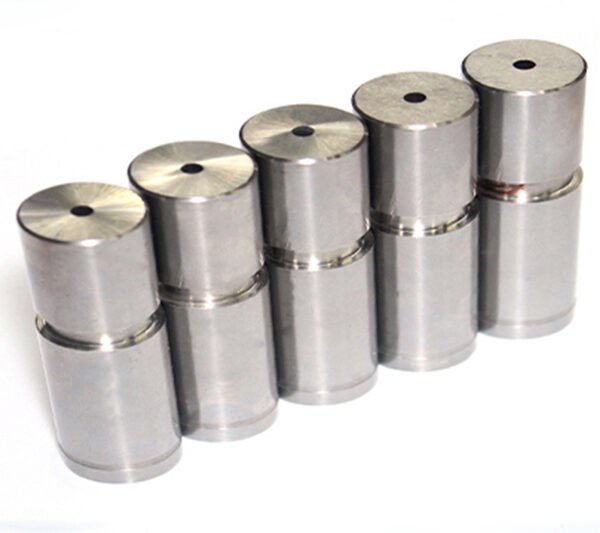
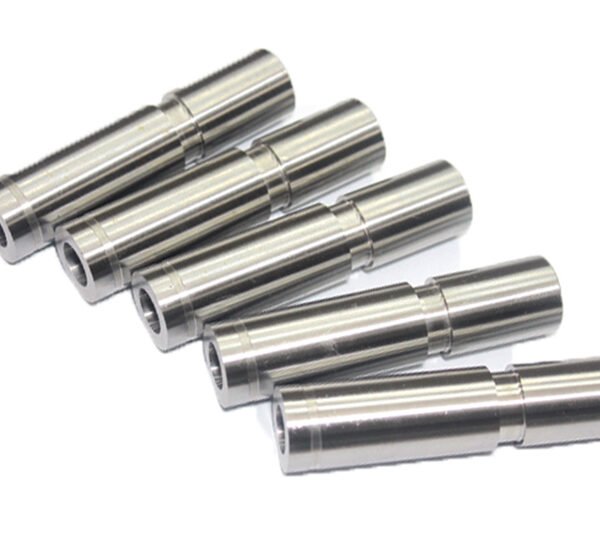
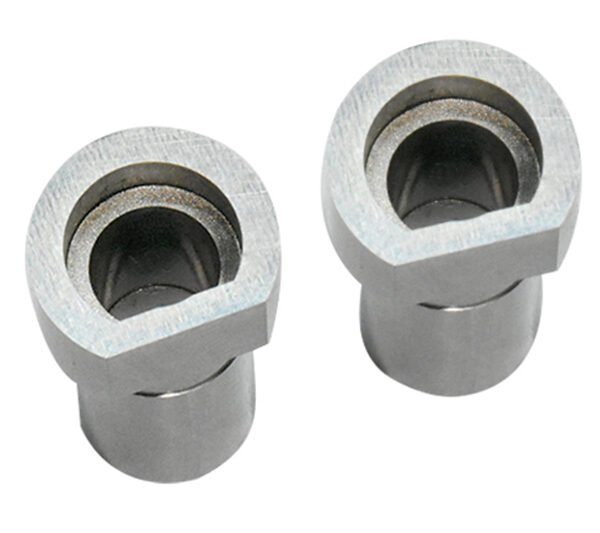
Same drawing, predictable results—next batch
Share revision, quantity ramp, and inspection level. We quote process route, ship date, and documentation in one structured response.