
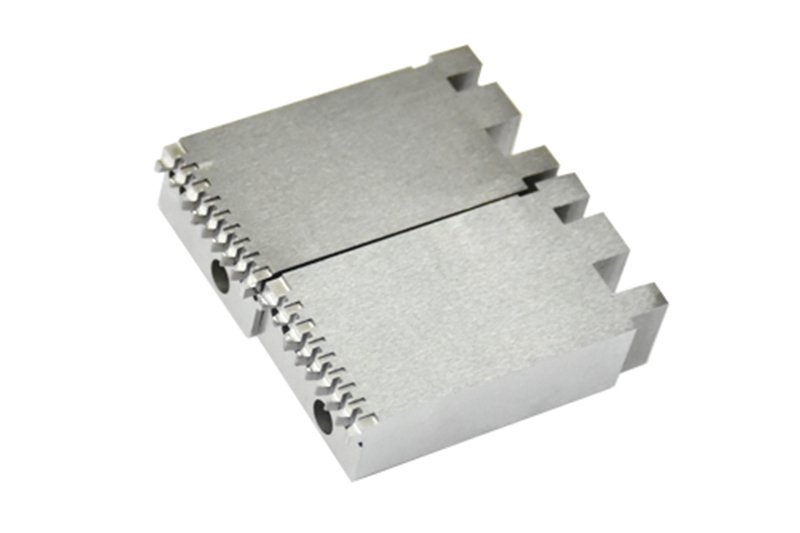
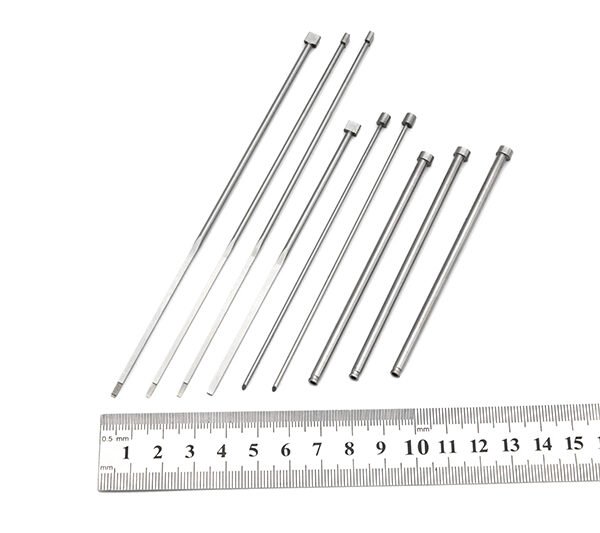
Plastic film parts · Precision mold insert
Automotive Connector Parts Assortment Kit – Electrical Plug & Terminal Components
Brand Xuxiang Mold
Availability Made to drawing
RFQ pricing
Quote from STEP / PDF & quantity
Keep every electrical repair under control with this comprehensive set of automotive connector parts designed for modern 12V and 24V vehicle systems. From sensor leads to lighting circuits, you can quickly replace damaged plugs, terminals, and seals without hunting for individual pieces. The organized kit layout saves time in the workshop, on the track, or in the driveway so you spend more time driving and less time troubleshooting. Robust housings and corrosion-resistant contacts help ensure reliable connections in heat, vibration, and moisture. Ideal for professional technicians, DIY enthusiasts, and motorsport builders who want dependable Automotive connector parts ready at hand.
- ISO 9001:2015–oriented process & documented inspection paths
- Zeiss / Nikon class metrology available for critical dimensions
- DFM feedback from 10+ senior tooling engineers
- Dongguan HQ + Quanzhou capacity for volume programs
Professional-Grade Automotive Connector Parts for Reliable Vehicle Wiring
This assortment of automotive connector parts is engineered to make electrical work on cars, trucks, off‑road vehicles, boats, and equipment faster, cleaner, and more reliable. Whether you are repairing a damaged harness, adding auxiliary lighting, installing aftermarket electronics, or building a custom loom from scratch, having the right connectors, terminals, and seals on hand is essential.
Instead of reusing brittle plugs or improvising with non‑automotive hardware, you get purpose‑built components designed for 12V and 24V systems. The kit focuses on widely used connector styles and practical accessories, giving you a versatile foundation for both OEM‑style repairs and custom projects.
Key Features & Benefits
This connector kit is designed around real‑world workshop needs, combining durability, versatility, and ease of use.
- Comprehensive mix of components – Includes a curated range of housings, male and female terminals, wire seals, and locking tabs suited to common automotive wiring tasks, from low‑current signal lines to higher‑load circuits.
- Automotive‑grade materials – Housings are made from heat‑resistant, impact‑resistant plastics commonly used in vehicle harnesses, helping them withstand under‑hood temperatures and vibration. Contacts use conductive, corrosion‑resistant metals for stable performance over time.
- Secure locking mechanisms – Many connectors incorporate positive‑lock latches or secondary locks to resist backing out under vibration, ensuring a solid mechanical and electrical connection in harsh environments.
- Weather‑resistant sealing – Selected connectors use rubber or silicone‑style seals to help protect against splash water, dust, and road contaminants when used with correctly sized automotive wire.
- Organized storage – Components are supplied in a compartmentalized case, making it easy to identify and access the parts you need and to keep small terminals from getting lost at the bottom of a toolbox.
- Compatible with common tools – Terminals are designed to crimp with standard open‑barrel and closed‑barrel crimp tools used in automotive work, so you can integrate the kit into your existing tooling.
- Ideal for upgrades and diagnostics – Quickly create jumper leads, test pigtails, or replacement plugs to track down intermittent faults or integrate aftermarket devices without cutting corners.
Specifications & Included Components
The table below summarizes typical characteristics and contents for this type of automotive connector parts kit. Exact selection may vary slightly between batches, but the overall mix is chosen to cover the most common repair and installation scenarios.
| Attribute | Description |
|---|---|
| Product type | Automotive connector parts assortment (housings, terminals, seals, accessories) |
| Typical connector styles | Multi‑pin plug and socket housings, in‑line connectors, sensor/lighting‑style connectors |
| Contact type | Male and female crimp terminals for automotive wire |
| Supported wire ranges | Designed for common automotive wire sizes used in low to medium current circuits |
| Housing material | Durable, heat‑resistant engineering plastic suitable for under‑hood and cabin use |
| Terminal material | Copper‑alloy or similar conductive metal with protective plating for corrosion resistance |
| Sealing components | Assorted rubber or silicone‑style wire seals and cavity plugs for selected connectors |
| Color coding | Mixed housing colors where applicable to aid identification and polarity |
| Typical applications | Repair and installation of lighting, sensors, accessories, power distribution, and control circuits |
| Packaging | Reusable compartmentalized storage case for workshop and mobile use |
Use Cases & Who This Kit Is For
These automotive connector parts are suitable for a wide range of users, from home mechanics to professional harness builders. If you frequently work with vehicle wiring, having a dedicated connector kit can dramatically improve the quality and reliability of your work.
- Workshop repairs – Replace cracked or melted connectors on headlights, cooling fans, fuel pumps, ignition coils, and sensors without waiting for dealer‑only pigtails.
- Aftermarket installations – Add driving lights, winches, sound systems, cameras, power inverters, and other accessories with connectors that can be disconnected or serviced later, instead of hard‑wiring everything.
- Custom and motorsport builds – Build tailored harnesses for project cars, track cars, off‑road rigs, or kit vehicles where you want clean routing, labeled connectors, and serviceability.
- Fleet and equipment maintenance – Keep downtime low on service vans, agricultural equipment, construction machinery, and utility vehicles by stocking common connector styles in one organized kit.
- Diagnostic and testing – Assemble breakout leads or test harnesses that let you probe signals or temporarily bypass sections of the loom without cutting factory wiring.
By standardizing on a quality set of automotive connectors, you reduce the temptation to use mismatched parts or quick fixes that can lead to intermittent faults later. Proper connectors also simplify future troubleshooting because circuits can be disconnected, isolated, and reconnected without fumbling with butt splices or tape.
Buying Guidance & Usage Tips
Choosing the right automotive connector parts comes down to understanding your environment, current requirements, and serviceability needs. The assortment in this kit is selected to cover most common 12V and 24V systems, but a few practical guidelines will help you get the best results.
- Match the connector to the location – Use weather‑sealed connectors for areas exposed to spray, dirt, or under‑body debris, and non‑sealed connectors for dry, protected interior or dash locations where sealing is less critical.
- Use the correct wire size – Always pair terminals and seals with the wire size they are designed for. Undersized wire may not crimp securely; oversized wire can damage the terminal or compromise sealing.
- Invest in a proper crimp tool – A quality open‑barrel or multi‑cavity crimp tool ensures that terminals are formed correctly around both the conductor and insulation, reducing resistance and preventing pull‑out.
- Plan your circuits – Before you cut or terminate any wires, plan connector locations, pin assignments, and harness routing. Label both sides of each connector so future service is straightforward.
- Inspect and test – After crimping, give each wire a moderate pull to confirm mechanical security, then test continuity and, where possible, verify operation under load before final wrapping or reassembly.
If you regularly perform electrical repairs, consider pairing this kit with heat‑shrink tubing, loom or braid, and additional mounting hardware such as cable clamps and grommets. Together, these accessories help you build professional‑grade harnesses that look neat and stand up to real‑world use.
FAQ
Are these automotive connector parts compatible with my vehicle?
The parts are designed around common automotive connector styles and wire sizes used in many cars, trucks, and light commercial vehicles. Because manufacturers use different plug shapes and keying, you should always compare the connector design and pin count with your original part to confirm compatibility before installation.
Do I need a special tool to use these connectors?
Yes, you should use an appropriate automotive crimp tool that matches the style of terminals included in the kit. A proper tool forms a secure crimp on both the conductor and insulation, ensuring reliable electrical contact and mechanical strength.
Can these connectors be used in engine bay or under‑chassis locations?
Many of the components are suitable for under‑hood environments when correctly assembled and used with matching seals. For under‑chassis, off‑road, or marine applications, prioritize sealed connectors and ensure that all seals are fully seated to help protect against moisture and debris.
What wire sizes work best with this kit?
The terminals are intended for common automotive wire sizes used in low‑ to medium‑current circuits. Check the fit of the conductor in the terminal barrel before crimping; the strands should fill the barrel without bunching or leaving large gaps.
How should I store and organize the small connector parts?
The kit includes a compartmentalized case to keep terminals, seals, and housings separated and easy to find. Keep the lid closed when not in use and return unused components to their compartments to prevent mixing similar‑looking parts.
Are the connectors reusable if I need to change a circuit later?
Housings can often be reused if you carefully depin the terminals using an appropriate removal tool and avoid damaging the latch features. Crimp terminals themselves are generally intended for one‑time use and should be replaced if removed from a wire.
What is the best way to maintain reliable connections over time?
Ensure every crimp is properly formed, avoid bending wires sharply at the connector, and route harnesses so they are supported and not pulled tight. In harsh environments, you may also apply a small amount of dielectric grease to sealed connectors to help resist moisture.
Can I return the kit if the automotive connector parts do not suit my project?
Return and warranty policies depend on the retailer or distributor from whom you purchase the kit. In most cases, returns are accepted within a defined period if the product is unused and in its original packaging. Check the specific terms at the point of sale before ordering.
Do these parts come pre‑assembled as pigtails?
No, this kit focuses on loose connectors, terminals, and seals so you can build custom lengths and configurations. This gives you more flexibility than fixed pigtails and lets you tailor each harness to your particular installation.
Is any instruction included for beginners?
Basic guidance is usually provided on the packaging or product page, but if you are new to automotive wiring, consider reviewing tutorials on safe crimping, wire sizing, and circuit protection. Practicing on a few spare terminals before working on a vehicle is highly recommended.
Same drawing, predictable results—next batch
Share revision, quantity ramp, and inspection level. We quote process route, ship date, and documentation in one structured response.