
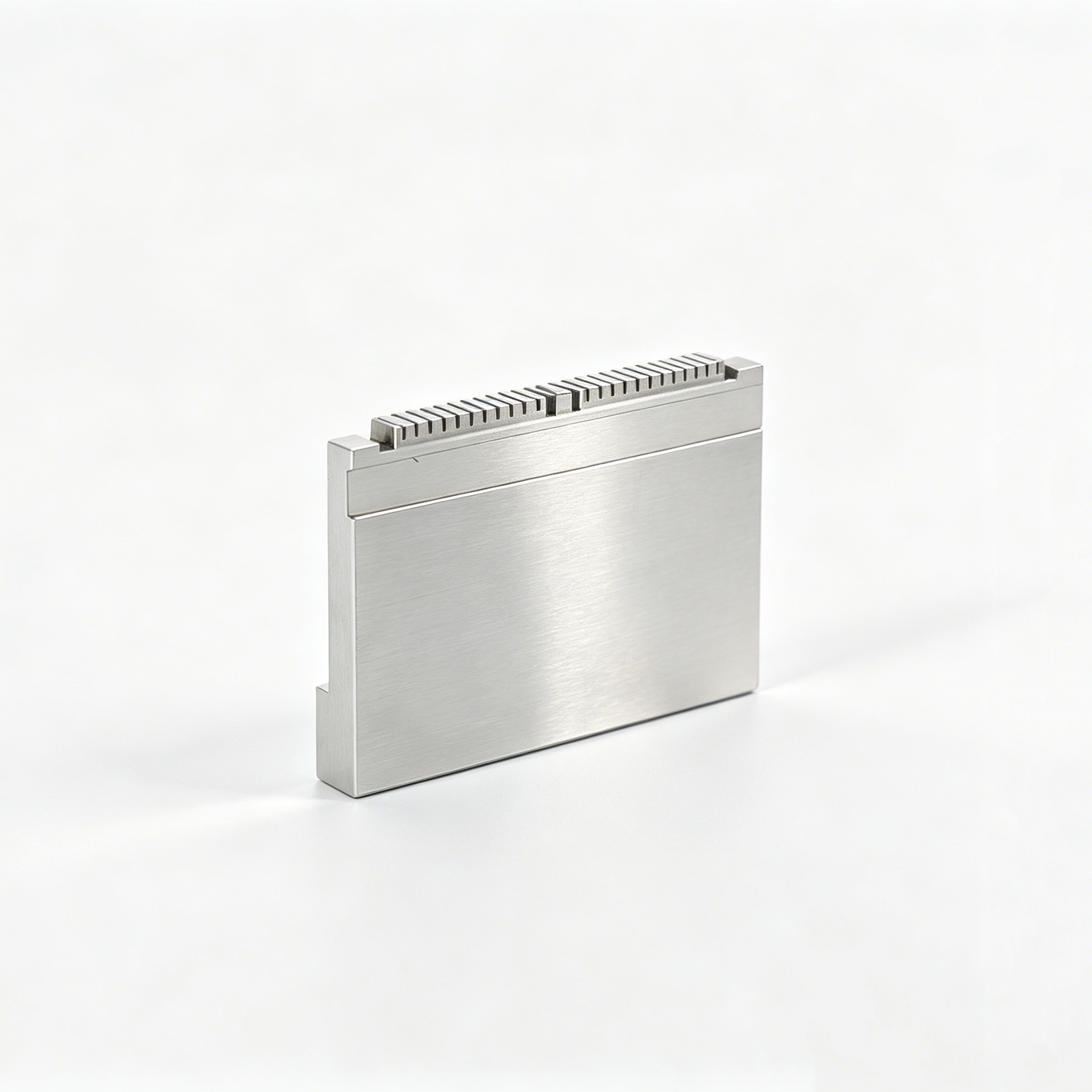
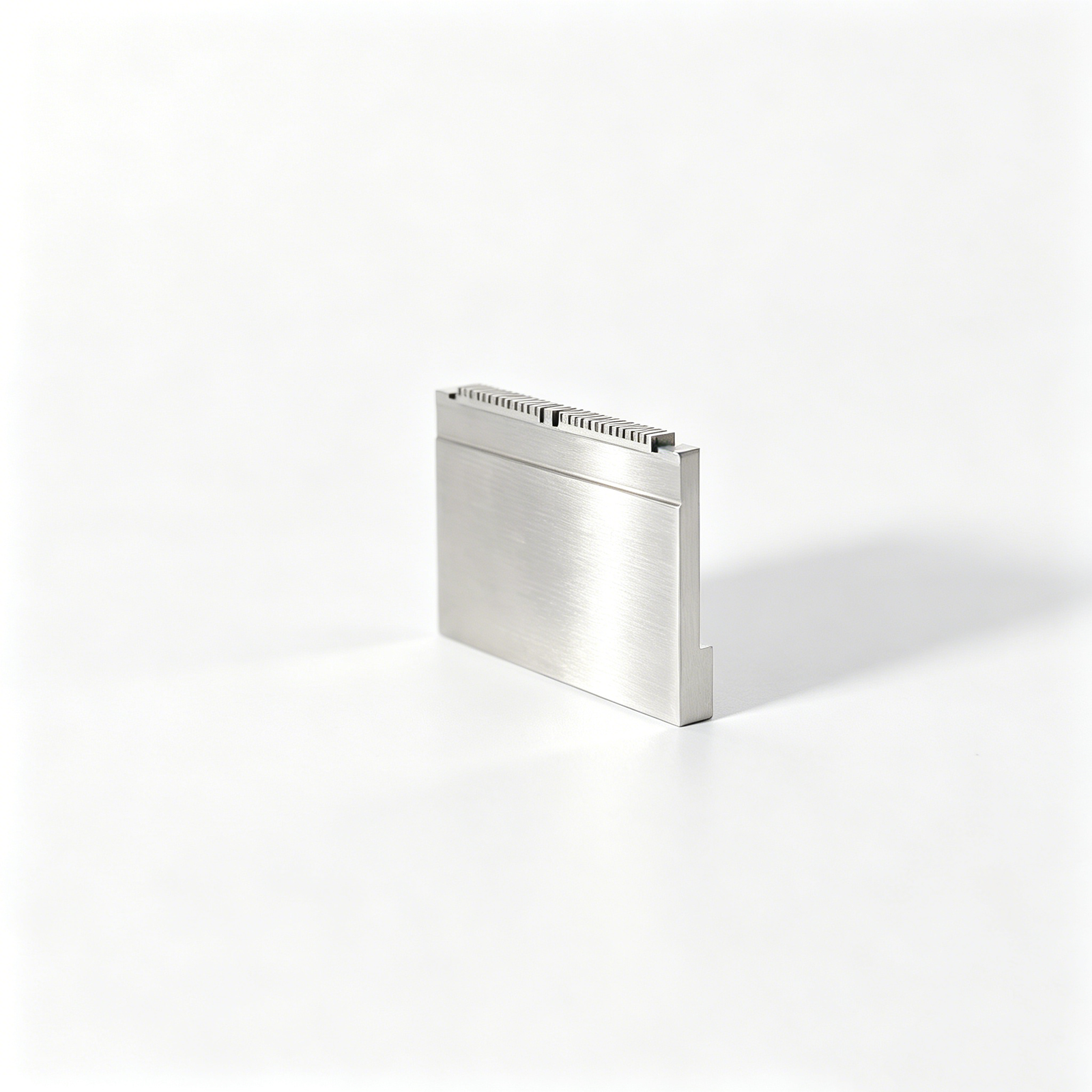
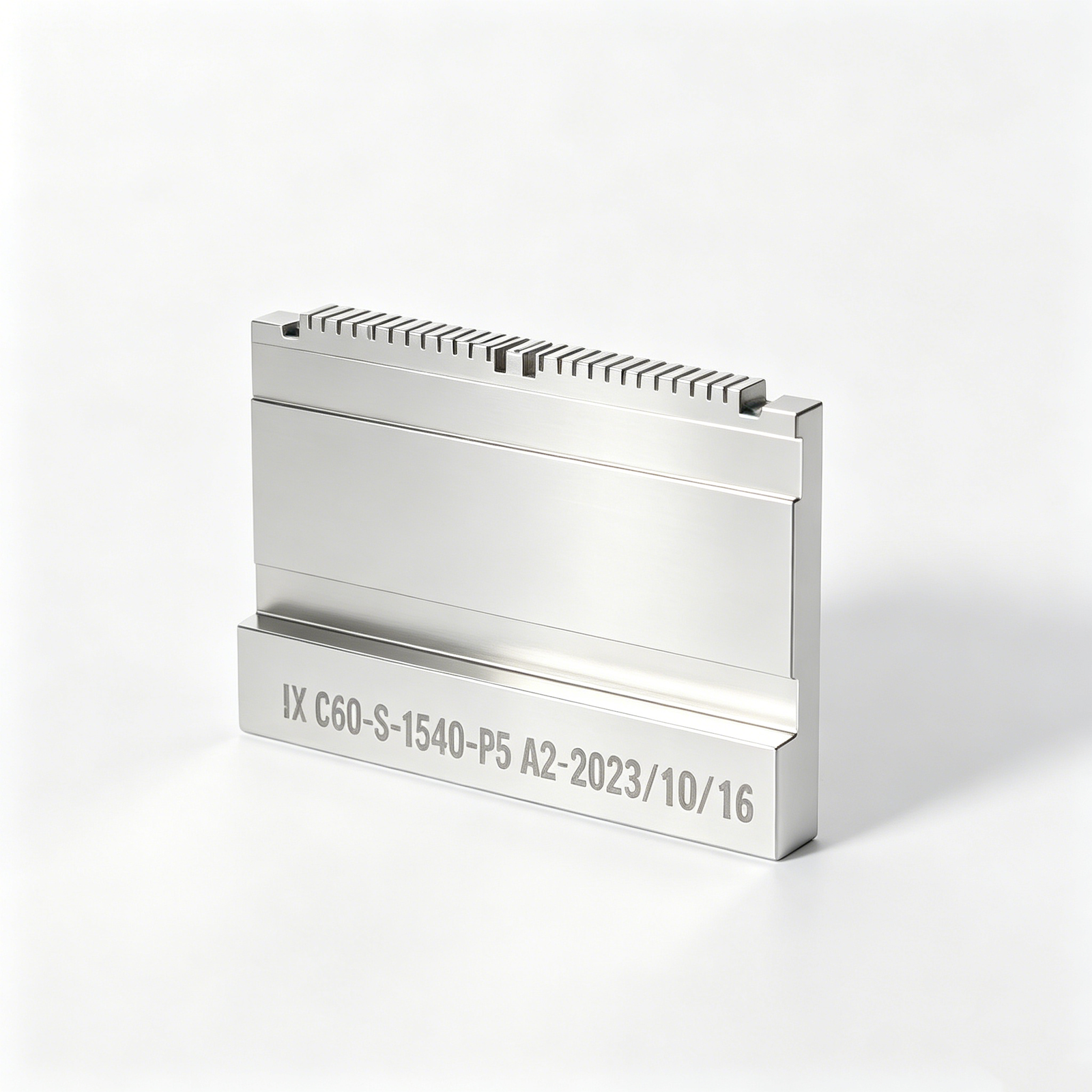
Plastic film parts · Precision mold insert
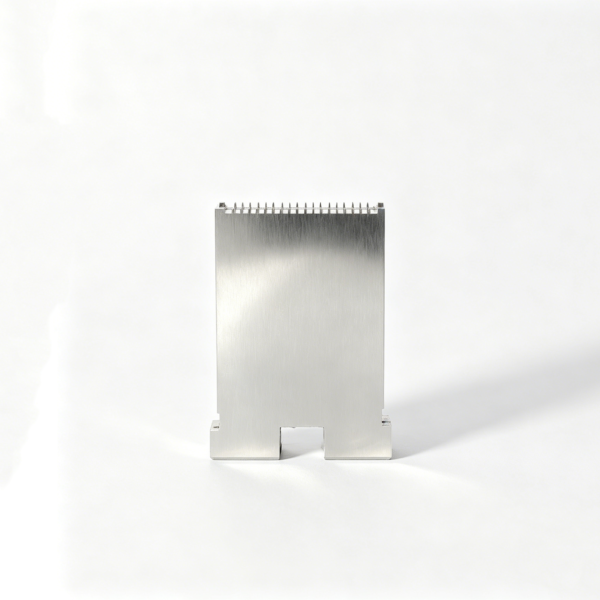
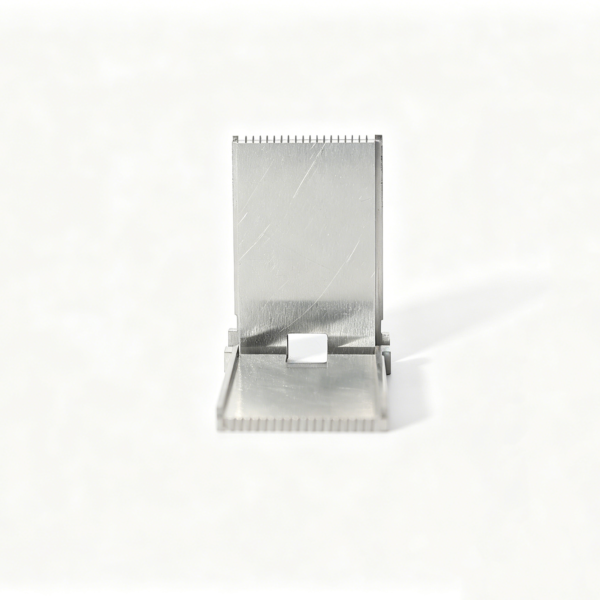
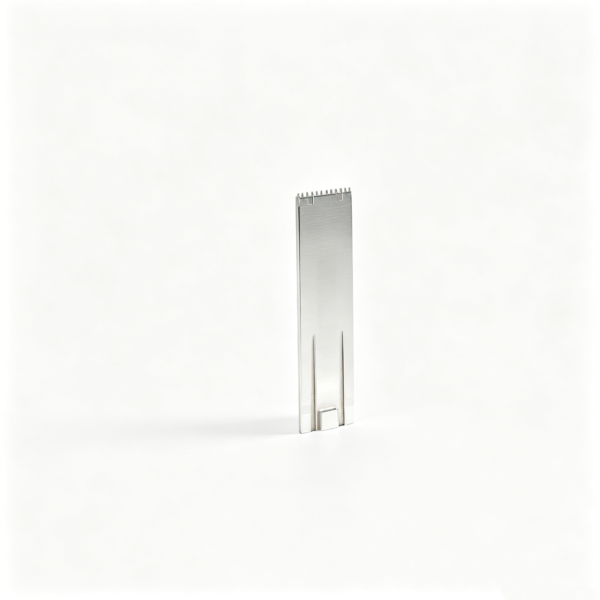
Industrial Connector Precision Mold Components for Connector Tooling
Brand Xuxiang Mold
Availability Made to drawing
RFQ pricing
Quote from STEP / PDF & quantity
Built for demanding connector production, Industrial Connector Precision Mold Components help you maintain consistent fit, clean release, and dependable part quality across repeated cycles. They are a strong choice when your tooling must support accurate electrical interfaces, stable molding behavior, and smooth assembly downstream. If you are producing industrial housings, wire-to-wire parts, or connector inserts, these components are designed to support precision where it matters most. The result is a more controlled molding process with fewer surprises on the shop floor.
- ISO 9001:2015–oriented process & documented inspection paths
- Zeiss / Nikon class metrology available for critical dimensions
- DFM feedback from 10+ senior tooling engineers
- Dongguan HQ + Quanzhou capacity for volume programs
Precision tooling support for industrial connector production
Industrial Connector Precision Mold Components are specialized mold parts used in connector tooling to help form accurate cavities, guide moving elements, and preserve repeatable alignment during injection molding. In this category, precision matters because connector parts often need tight dimensional control, reliable mating performance, and consistent surface quality. Based on common industry applications, industrial connectors are used to create electrical connections between modules and systems in industrial equipment, with expectations that often include dust resistance, water or oil resistance, and impact durability[1].
These components are intended for mold builders, tooling engineers, and manufacturers who need dependable parts for connector molds rather than generic mold hardware. They are especially relevant when the final product must support stable electrical assembly, precise fit, and high-volume production. In practice, well-made connector mold components can help improve cavity accuracy, reduce wear-related variation, and support cleaner demolding over long runs[4][7].
Why precision matters in connector molds
Connector parts are unforgiving. Even small deviations can affect alignment, retention, sealing, or electrical performance. Industry references for connector mold design emphasize dimensional accuracy, uniform wall thickness, draft angles for easy ejection, careful gate and flow control, and material choices suited to heat resistance and durability[8]. Precision mold components help translate those design goals into production reality by supporting stable geometry and consistent tooling movement.
For buyers, the value is practical: less variation, smoother tooling operation, and a better chance of producing connectors that meet fit and function requirements. In connector manufacturing, that can mean fewer rejected parts, less time spent on manual adjustment, and more predictable production outcomes. For complex connector families, precision parts may also support insert molding, multi-material molding, and fine-feature cavity work used in advanced electronic and industrial applications[1][7].
Key features and benefits
- Accurate fit support for tooling that must maintain tight tolerances and repeatable alignment.
- Better part consistency through stable cavity and core behavior during molding cycles.
- Durability-oriented use for molds exposed to repeated wear, heat, and production stress.
- Cleaner demolding when precision surfaces and guided movement help reduce sticking or deformation.
- Application versatility across industrial connectors, wire-to-wire assemblies, and related electronic hardware tooling[1][4].
In connector-focused production, these benefits are especially important because tooling quality directly influences final part quality. Precision mold components can also support more efficient maintenance, since well-finished parts are generally easier to inspect, clean, and service when the mold is in operation or storage[4].
Key attributes
| Attribute | Details |
|---|---|
| Product category | Precision mold components for industrial connector tooling |
| Primary function | Support cavity formation, alignment, guidance, and repeatable molding accuracy |
| Typical applications | Industrial connectors, connector housings, insert molding, electronic hardware molds[1][7][14] |
| Performance focus | Dimensional stability, wear resistance, process consistency, and clean part release |
| Material selection | Chosen according to mold design, wear demands, heat exposure, and production environment |
| Customization | Commonly specified by drawings, fit requirements, surface needs, and tooling architecture |
| Maintenance considerations | Regular inspection, lubrication where appropriate, cleaning, and dry storage[4] |
Who this is for
This product category is a fit for mold manufacturers, connector OEMs, precision parts distributors, and engineering teams building tooling for industrial electrical components. It is also useful for factories producing connector housings, high-accuracy inserts, and related plastic parts where small errors can affect assembly or electrical contact performance. References in the connector mold industry show demand across industrial equipment, communication connectors, and electronic hardware applications[1][7][11].
If your project involves repeatable production, demanding fit conditions, or tooling that needs to hold up under continuous operation, precision mold components are a sensible choice. They are particularly relevant when you want to standardize mold performance across multiple cavities or reduce variation during long production runs. That makes them valuable not only for new mold builds, but also for maintenance, retrofit, and replacement planning.
Buying and care guidance
When selecting connector mold components, start with the drawing requirements and the part function. Confirm the intended fit, tolerances, surface finish needs, and whether the tool will be used for standard injection molding, insert molding, or another specialized process. For connector tooling, it is also important to think about material behavior, cooling, shrinkage control, and how the mold will release parts without distortion[4][8].
For ongoing care, keep components clean, inspect them for wear or corrosion, and store them in a dry environment when not in use. Industry guidance for connector molds recommends lubricating moving parts where appropriate, checking for cracks or surface degradation, and protecting tooling with moisture control measures during storage[4]. These simple habits can extend service life and help preserve the precision that connector production depends on.
FAQ
How is shipping handled for industrial connector mold components?
Shipping is typically arranged based on order size, part complexity, and destination. Precision components are commonly packed to help protect finished surfaces, alignment features, and edges during transit.
How do I know if these components will fit my connector mold?
Fit depends on your mold drawing, cavity layout, and required tolerances. The safest approach is to match the component to your existing specifications, including dimensions, mounting style, and intended use in the tool.
Can these parts be used for wire-to-wire connector tooling?
Yes, this category is relevant to industrial connector molds, including wire-to-wire applications. The exact suitability depends on the connector geometry, production method, and tooling design.
What kind of maintenance do these components need?
Routine cleaning, inspection, and proper storage are important. For moving or contact surfaces, use lubrication only where the tooling design calls for it, and keep parts dry and protected from corrosion when stored.
Are these components suitable for high-volume production?
They are commonly selected for repeat production environments where consistency matters. Final suitability depends on the mold design, operating conditions, and the wear demands of your application.
Can I use these for insert molding projects?
Yes, connector tooling often includes insert molding workflows. You should confirm compatibility with your insert placement method, gate design, and the precision required for the final assembly.
What should I check before placing an order?
Review drawings, tolerance targets, material expectations, surface finish needs, and any special requirements such as heat treatment or wear resistance. If possible, verify how the part integrates with the rest of the mold stack.
Do you offer returns or warranty support?
Warranty and return terms usually depend on the seller’s policy and whether the item was made to drawing. For custom precision parts, approvals and inspection steps are especially important before production.
Related products
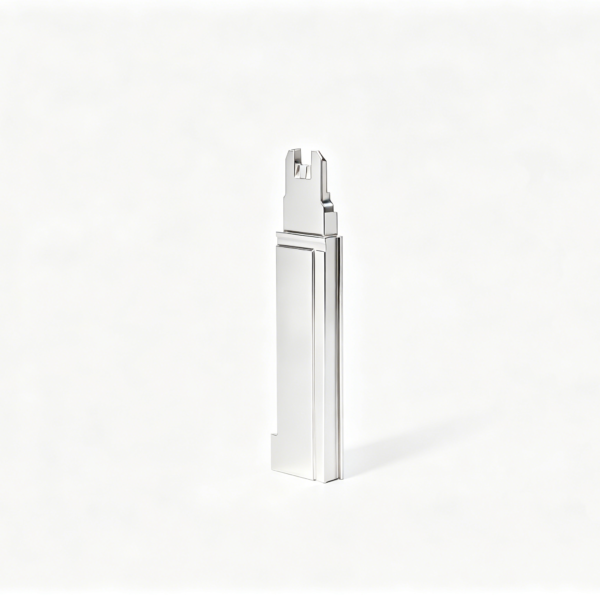
Same drawing, predictable results—next batch
Share revision, quantity ramp, and inspection level. We quote process route, ship date, and documentation in one structured response.