
Plastic film parts · Precision mold insert
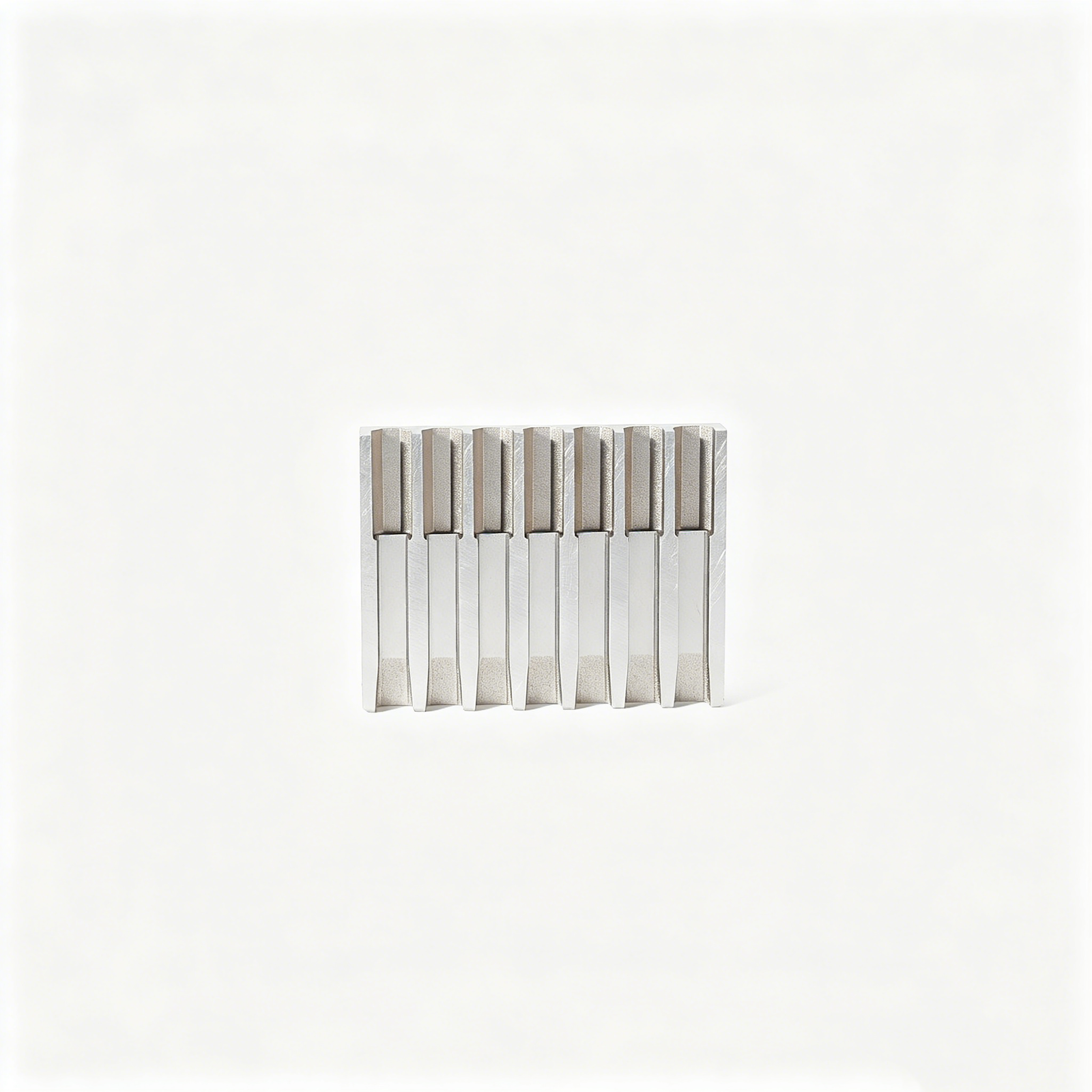
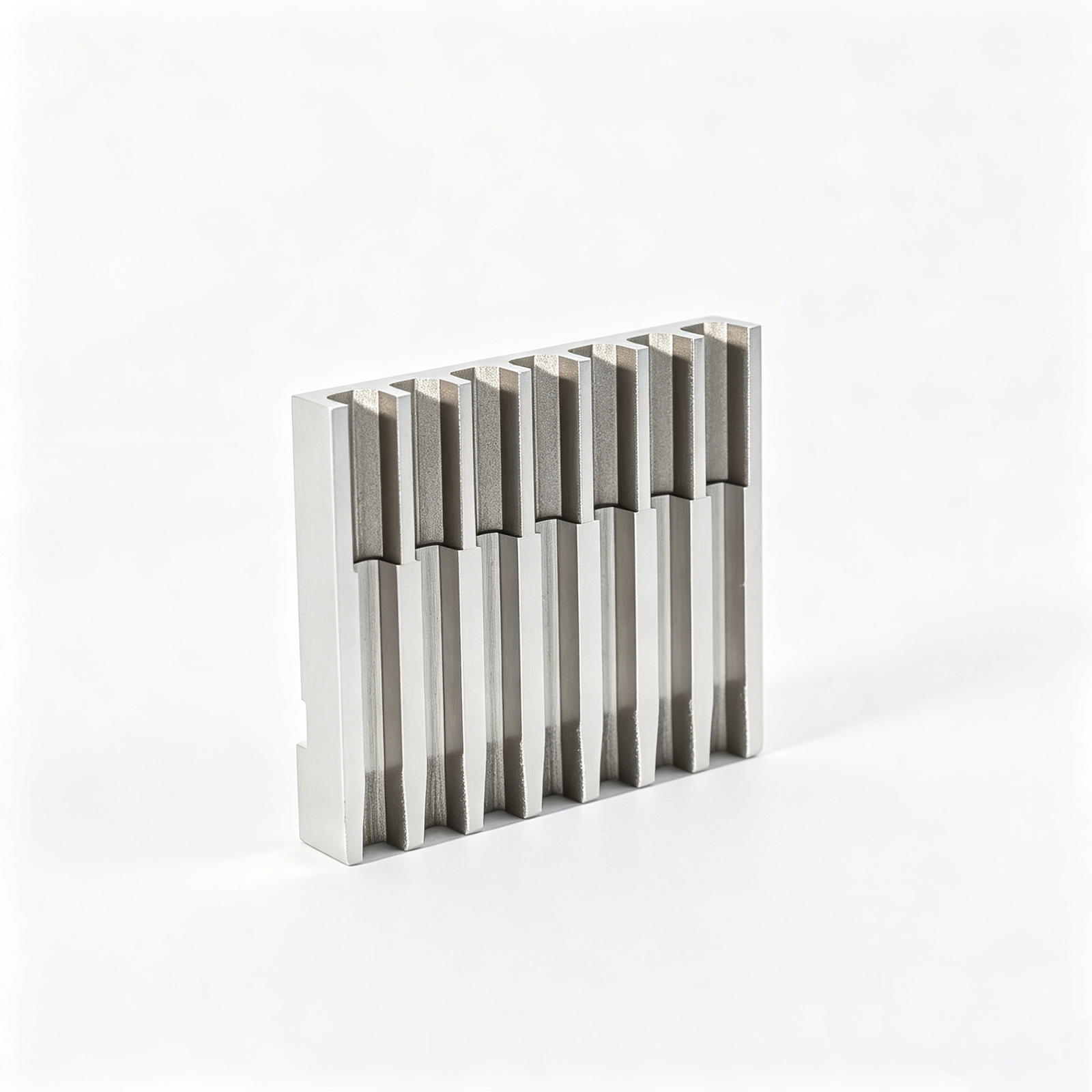
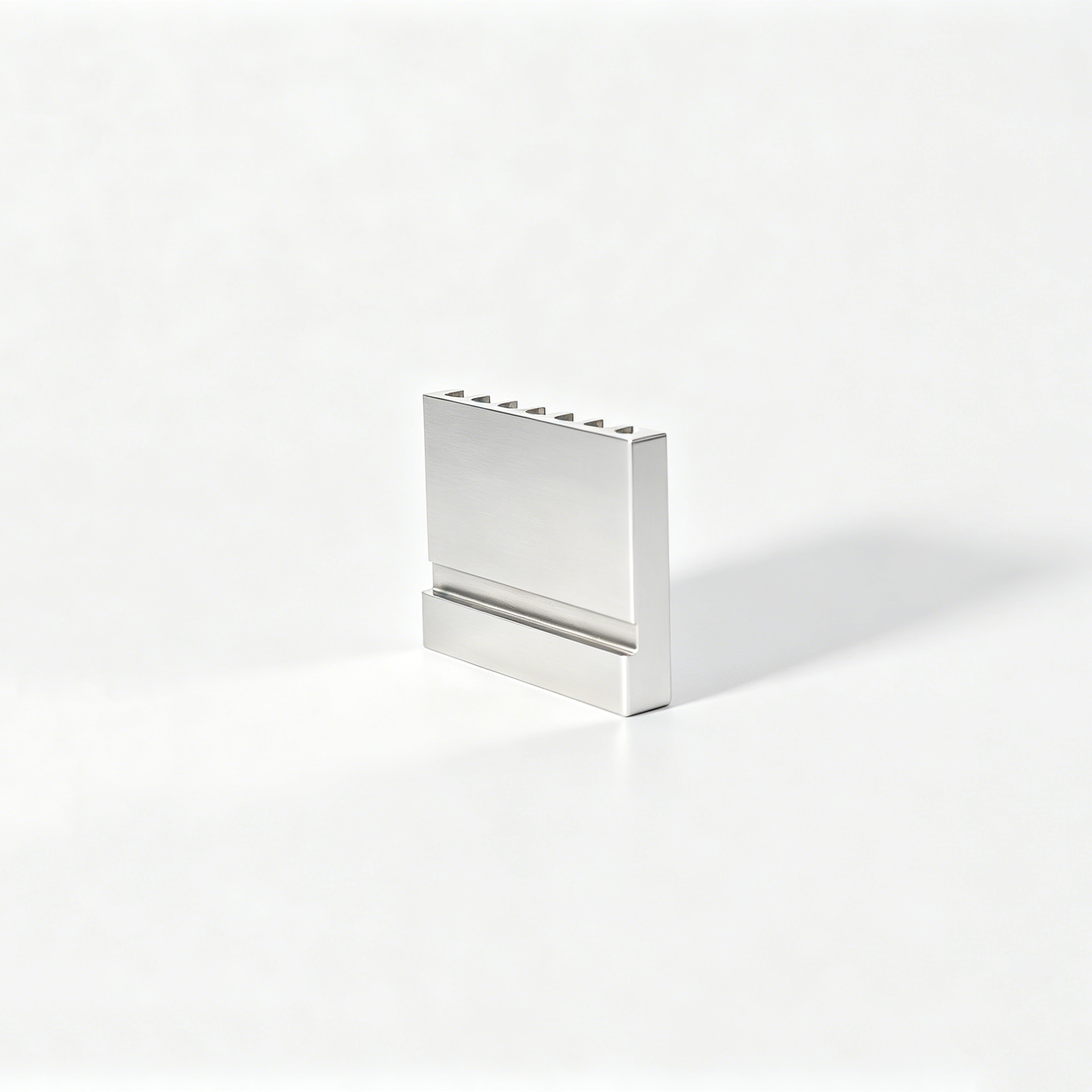
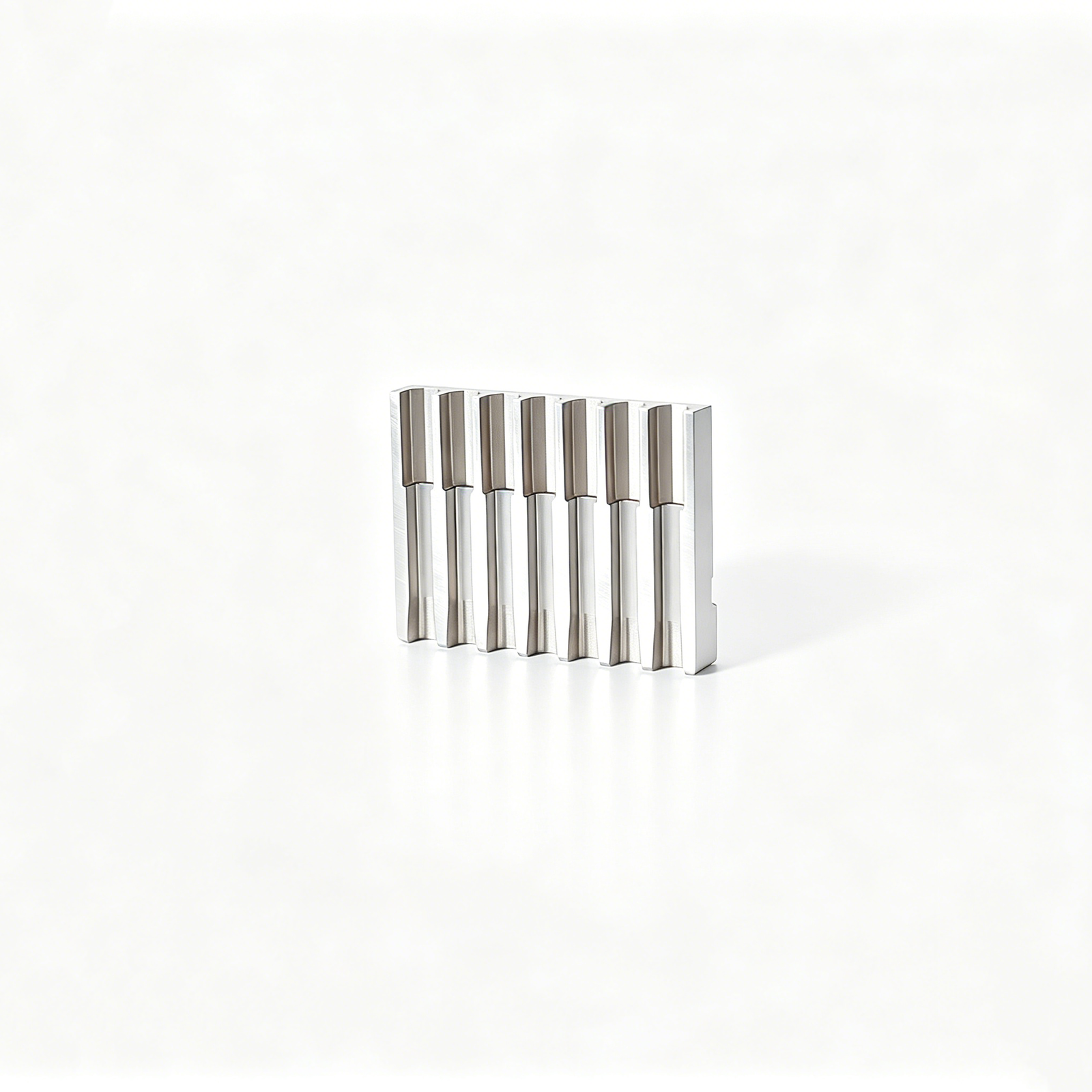
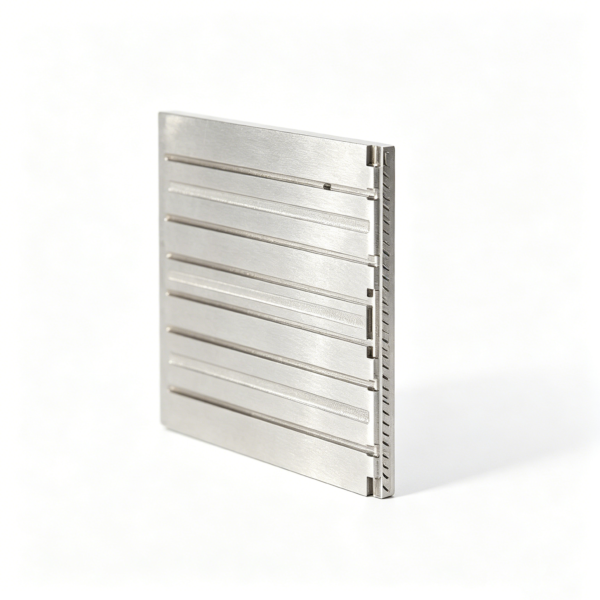
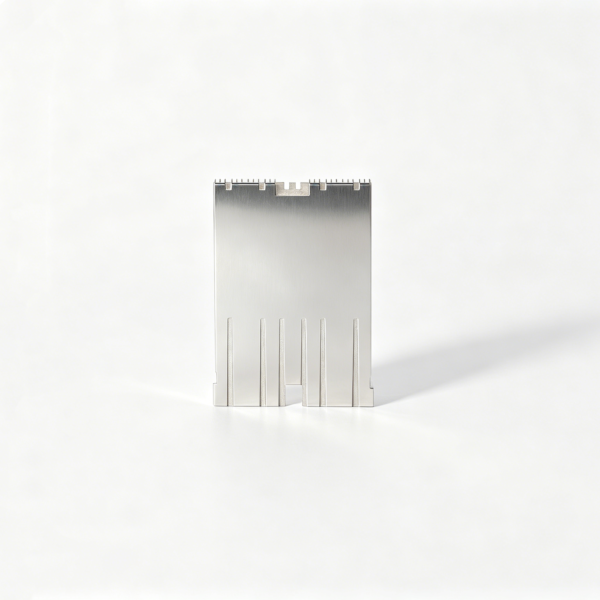
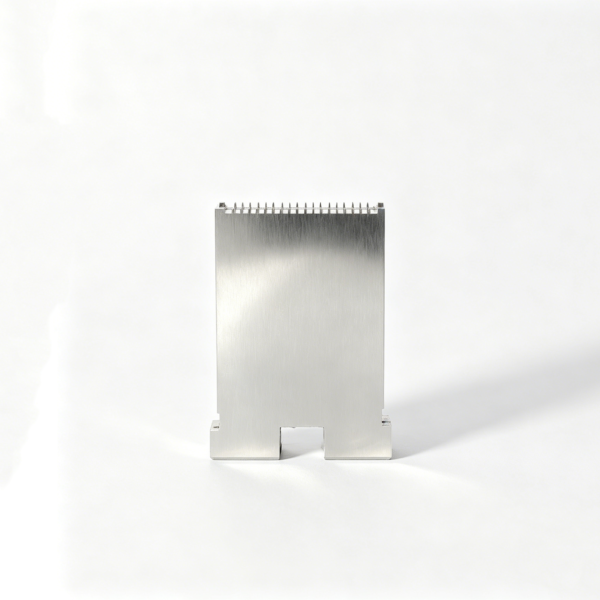
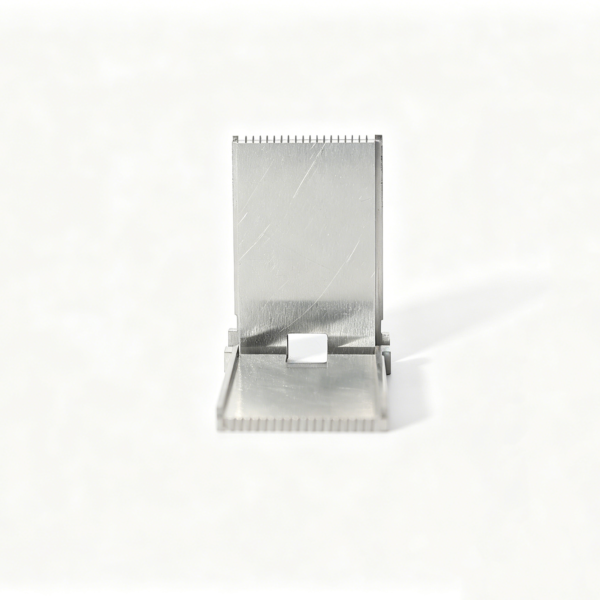
Industrial Connector Precision Mold Components for Complex Geometry Tooling
Brand Xuxiang Mold
Availability Made to drawing
RFQ pricing
Quote from STEP / PDF & quantity
Engineer reliable, tight-tolerance connector tooling with Industrial Connector Precision Mold Components designed specifically for complex geometries and demanding production environments. These premium cavity and core inserts help you maintain stable dimensions across multi-pin layouts, stepped partitions, and deep ribs. Consistent surface finishes reduce secondary rework while supporting high-speed automatic molding lines. From pilot runs to long-life production tools, they offer a balanced solution for precision, durability, and ease of maintenance.
- ISO 9001:2015–oriented process & documented inspection paths
- Zeiss / Nikon class metrology available for critical dimensions
- DFM feedback from 10+ senior tooling engineers
- Dongguan HQ + Quanzhou capacity for volume programs
Industrial Connector Precision Mold Components for Complex Geometry Tooling
Industrial connectors often incorporate dense pin arrays, stepped partitions, undercuts, and intricate locking features that push injection molds to their limits. Industrial Connector Precision Mold Components for complex geometry tooling are engineered to help mold makers and OEMs translate these challenging designs into stable, repeatable production molds.
These components act as the critical building blocks inside your connector mold set, including precision cores, cavities, inserts, slide elements, and guided ejector features used to define every detail of the plastic connector housing and terminals.[5] By combining high-quality tool steel materials with tight machining tolerances, they support the production of connectors for industrial automation, power distribution, data communication, transportation, and many other sectors where dimensional accuracy and electrical performance are non-negotiable.[1][5]
With a focus on complex geometry, this component range is particularly suitable for connector designs with fine-pitch terminals, thin walls, multi-level parting lines, and demanding cosmetic or sealing surfaces. The result is a connector mold that fills consistently, cools uniformly, and releases parts cleanly, even when running high-cavitation tools and high-performance resins such as engineering plastics and LCP blends.[1][5][8]
Key Features & Benefits
These Industrial Connector Precision Mold Components are designed to address the real-world challenges of connector tooling, from maintaining small dimension stacks to managing wear and thermal load.
- Optimized for intricate connector designs
Machined to capture fine details like locking latches, polarization keys, cable strain reliefs, and thin-walled features without sacrificing mold strength or service life.[5][9] - Stable, repeatable dimensions
Tight machining tolerances and controlled surface treatments help you hit connector dimensional specs and fit requirements, supporting reliable mating with counterpart connectors and harnesses.[5][8][9] - Material options for harsh industrial environments
Tool steels and engineered alloys can be selected for wear resistance, corrosion resistance, and thermal stability when molding abrasive, glass-filled, or high-temperature plastics, as often used in industrial and communication connectors.[1][5][8] - Thermal management support
Component designs allow integration of cooling channels and temperature control features to help mitigate warpage, shrinkage variation, and cycle time issues that are especially common in dense, complex connector molds.[5][9] - Serviceability and modular replacement
Individual inserts and wear elements are configured to be replaceable, so high-wear areas like gate landings or thin core pins can be serviced without scrapping the full mold base, improving uptime and lowering lifecycle costs.[5] - Compatibility with modern CNC and EDM processes
Carefully considered geometries, reference features, and setup strategies provide predictable behavior on high-precision CNC milling, turning, and EDM machines, supporting efficient, repeatable manufacturing of spare components and design iterations.[8][13]
Specifications & Technical Highlights
Each project is unique, but buyers consistently look for certain technical attributes when selecting connector mold components. Instead of fixed values, the table below summarizes the configurable characteristics and what they mean for your tooling.
| Attribute | Description |
|---|---|
| Product type | Industrial connector precision mold components for complex geometry tooling (cores, cavities, inserts, slides, ejector elements) |
| Typical application | Injection molds for industrial, power, data, and automation connectors, including fine-pitch and multi-level designs[1][5][14] |
| Material options | Tool steel and engineered alloys selected for wear resistance, heat resistance, and dimensional stability during injection molding[5][8] |
| Geometry complexity support | Suited for thin walls, deep ribs, multiple parting lines, undercuts, locking latches, and polarizing features common in industrial connectors[5][9] |
| Surface finish capability | Precision-machined and polished surfaces to support smooth plastic flow, minimized weld lines, and required cosmetic or sealing surfaces[5][9] |
| Thermal management | Compatible with integrated cooling channels and temperature sensors to control cycle time and reduce warpage in dense connector tools[5][8] |
| Production environment | Designed for use in high-volume, automatic injection molding cells manufacturing connector housings and inserts[1][14] |
| Customization level | Dimensions, interfaces, and features tailored to customer-specific mold designs and connector models |
| Typical maintenance approach | Modular replacement of wear-prone inserts, regular cleaning, lubrication of moving components, and preventive inspection for wear or corrosion[5] |
| Target users | Mold makers, connector manufacturers, OEMs, and contract molders working with industrial connector tooling |
Use Cases & Ideal Users
Industrial Connector Precision Mold Components for complex geometry tooling are suitable for a wide range of connector programs where intricate features and reliable performance are required.
- Industrial automation connectors
Power and signal connectors in factory automation, PLC systems, robotics, and sensor networks often require rugged housings, sealing features, and precise interface geometry. These components help create molds that deliver consistent connector dimensions and robust mechanical features for these applications.[1][14] - Power distribution and control connectors
For high-current connectors and terminal blocks, mold components must define thick and thin sections without causing sink marks or deformation. Properly engineered cores and cavities support uniform wall thickness and controlled shrinkage, allowing the molded parts to meet safety and fit requirements.[5][9] - Data and communication connectors
Industrial Ethernet, fieldbus, and communication connectors demand fine-pitch features and tight positional accuracy. Precision mold inserts help maintain consistent spacing and alignment so that mating connectors achieve reliable electrical contact and strain relief.[1][9][14] - Transportation and heavy equipment
Connectors used in rail, construction machinery, and commercial vehicles must withstand vibration, temperature extremes, and contamination. Tooling built with durable, corrosion-resistant mold components supports the use of robust engineering plastics and sealing geometries for these demanding environments.[1][5] - Custom and niche connector platforms
For specialized connectors in medical, renewable energy, or test equipment, design iterations are common. Modular component strategies allow individual inserts or features to be revised without completely rebuilding the mold, reducing development cost and lead time.[8][12]
Care, Maintenance & Buying Guidance
To maximize the performance and service life of your Industrial Connector Precision Mold Components, it is important to combine correct selection with disciplined maintenance practices.
- Choose materials for the resin and cycle
Match component material to your molding resin, temperature profile, and expected cycle volume. For abrasive or glass-filled materials, prioritize wear-resistant steels and appropriate surface treatments to protect fine details and thin core features.[5][8] - Design for cooling and venting
When specifying custom components, ensure adequate provision for cooling channels, vents, and gate locations. Proper thermal management is especially critical in complex connector molds where uneven cooling can lead to warpage, pin misalignment, or dimensional drift.[5][9] - Implement a preventive maintenance plan
Periodic inspection for wear, micro-cracks, corrosion, or buildup around gates and parting lines will help you identify issues early. Lubricate moving elements such as sliders, lifters, and ejectors to reduce friction and extend the life of the components.[5] - Clean and store correctly between runs
Thoroughly clean the mold cavities, runners, and vent areas after production. Store precision components in a dry, controlled environment with rust inhibitors or protective coatings to prevent corrosion and maintain surface quality.[5] - Collaborate closely with your mold supplier
Share connector drawings, tolerance stacks, resin data, and expected shot counts with your component provider. This collaboration ensures that the selected mold components support your processing window and quality requirements, especially for long-life industrial connector programs.[8][13]
FAQ
Are these components compatible with my existing connector mold base?
Yes, the Industrial Connector Precision Mold Components are typically customized to match your existing or planned mold base. By providing 3D models and drawings of your tool, you can specify the interfaces, mounting features, and critical dimensions to ensure direct compatibility.
What types of connectors are best suited to these complex geometry components?
They are ideal for industrial, power, and data connectors with fine-pitch terminals, deep ribs, multiple parting lines, integrated locking features, and thin sealing walls. Complex geometries that demand tight tolerances and stable molding benefit the most from this component range.
How do I know if the components will handle my resin and processing conditions?
When ordering, share details about your resin (such as whether it is filled, high-temperature, or flame-retardant) and your typical molding temperatures. Your supplier can then recommend suitable tool steels, surface treatments, and cooling strategies that match these conditions.
What maintenance is required to keep the components performing well over time?
Routine maintenance includes cleaning cavities and runners, checking for wear or corrosion, lubricating moving components, and replacing heavily worn inserts. Establishing a preventive maintenance schedule tied to shot counts helps ensure consistent connector quality over long production runs.
Can I replace only individual inserts or do I need to rework the whole mold?
One of the main advantages of these precision mold components is their modular nature. In many cases you can replace only the worn or damaged insert, core pin, or slide component, keeping the rest of the mold base and components in service.
What is the typical lead time for customized connector mold components?
Lead time depends on component complexity, quantity, and current production schedule. Simple replacement inserts can often be produced relatively quickly, while highly complex or multi-cavity sets will require more time. Consult your supplier with drawings for a specific estimate.
How are the components packaged and shipped to protect precision surfaces?
Components are usually cleaned, coated with rust inhibitor if needed, and individually protected with caps or wraps for critical surfaces. They are then packaged in shock-absorbing materials and boxes to prevent damage during shipping and handling.
Is there any warranty or return policy for these mold components?
Most suppliers offer a warranty against manufacturing defects in materials and workmanship for a defined period. If components do not meet agreed specifications, you can typically arrange repair, replacement, or return according to the supplier’s quality policy.
Do I need any special training to install or use these components in my tooling?
No special certification is required, but installation should be carried out by experienced mold makers or toolroom technicians. Accurate alignment, correct torque settings, and careful handling of precision surfaces are important to achieve optimal performance.
Can these components support future design changes to my connector?
Yes. By using a modular insert strategy, you can update specific features—such as pin count, locking details, or keying—by replacing only the affected inserts. This makes it easier to manage different connector variants without building entirely new tools.
Related products
Same drawing, predictable results—next batch
Share revision, quantity ramp, and inspection level. We quote process route, ship date, and documentation in one structured response.