
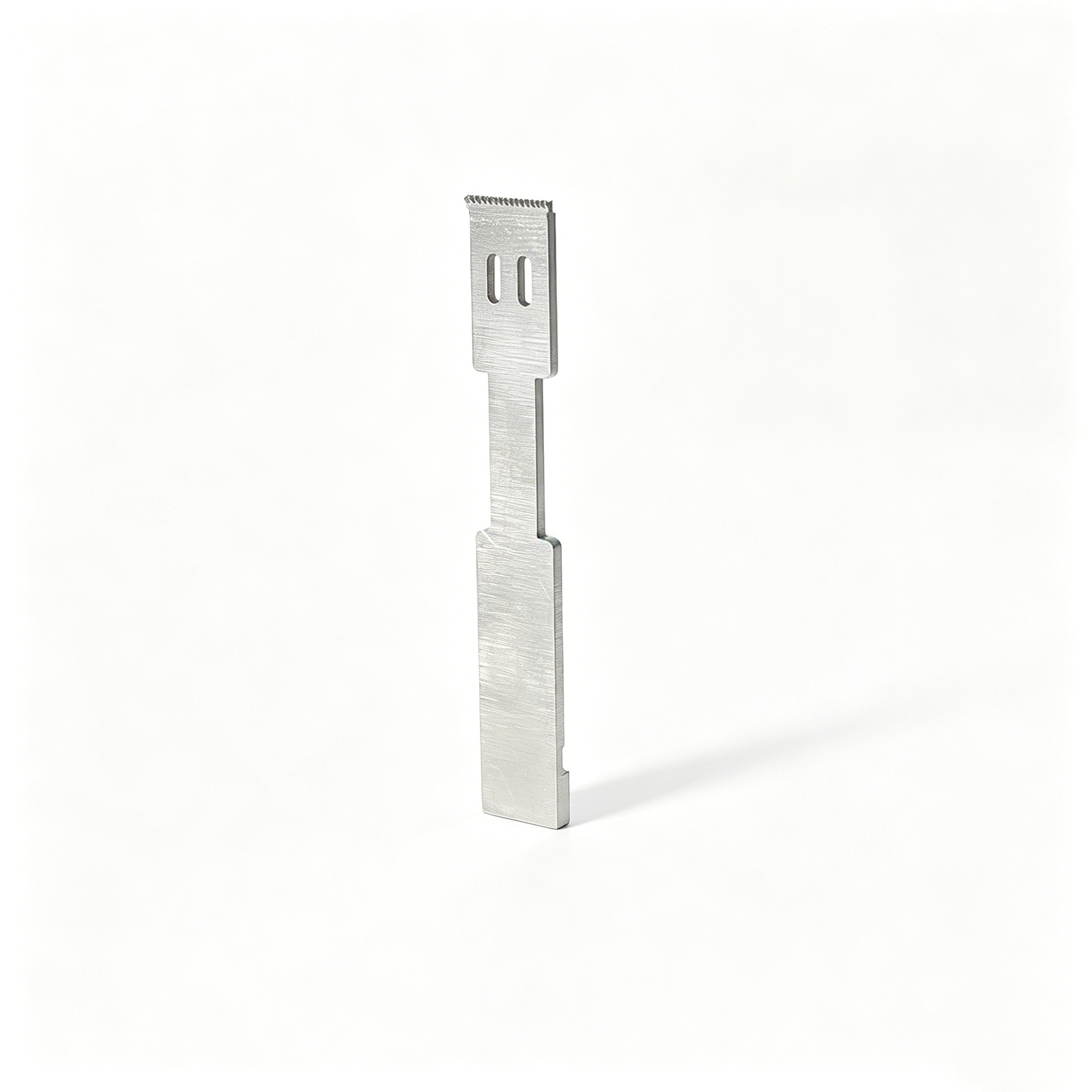
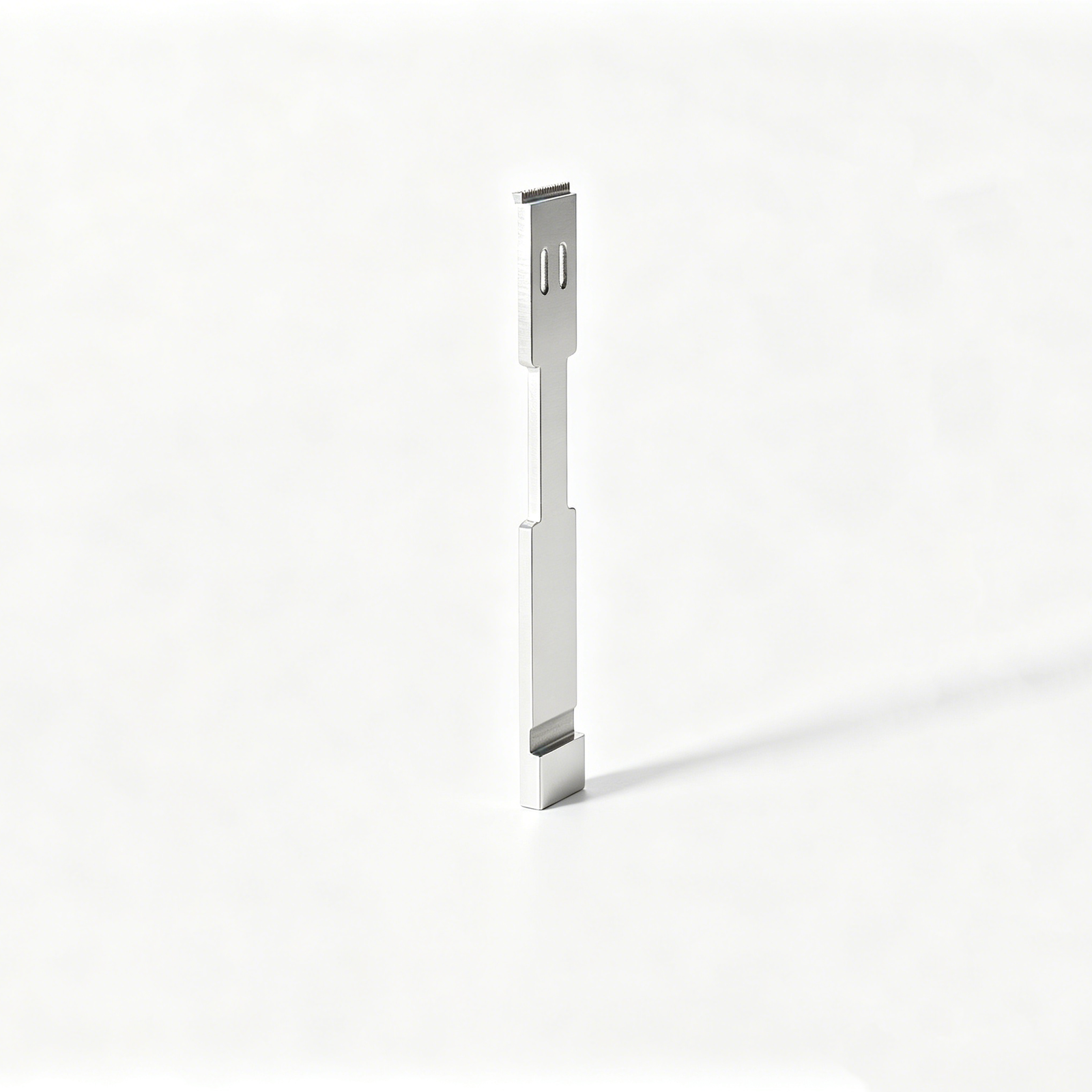
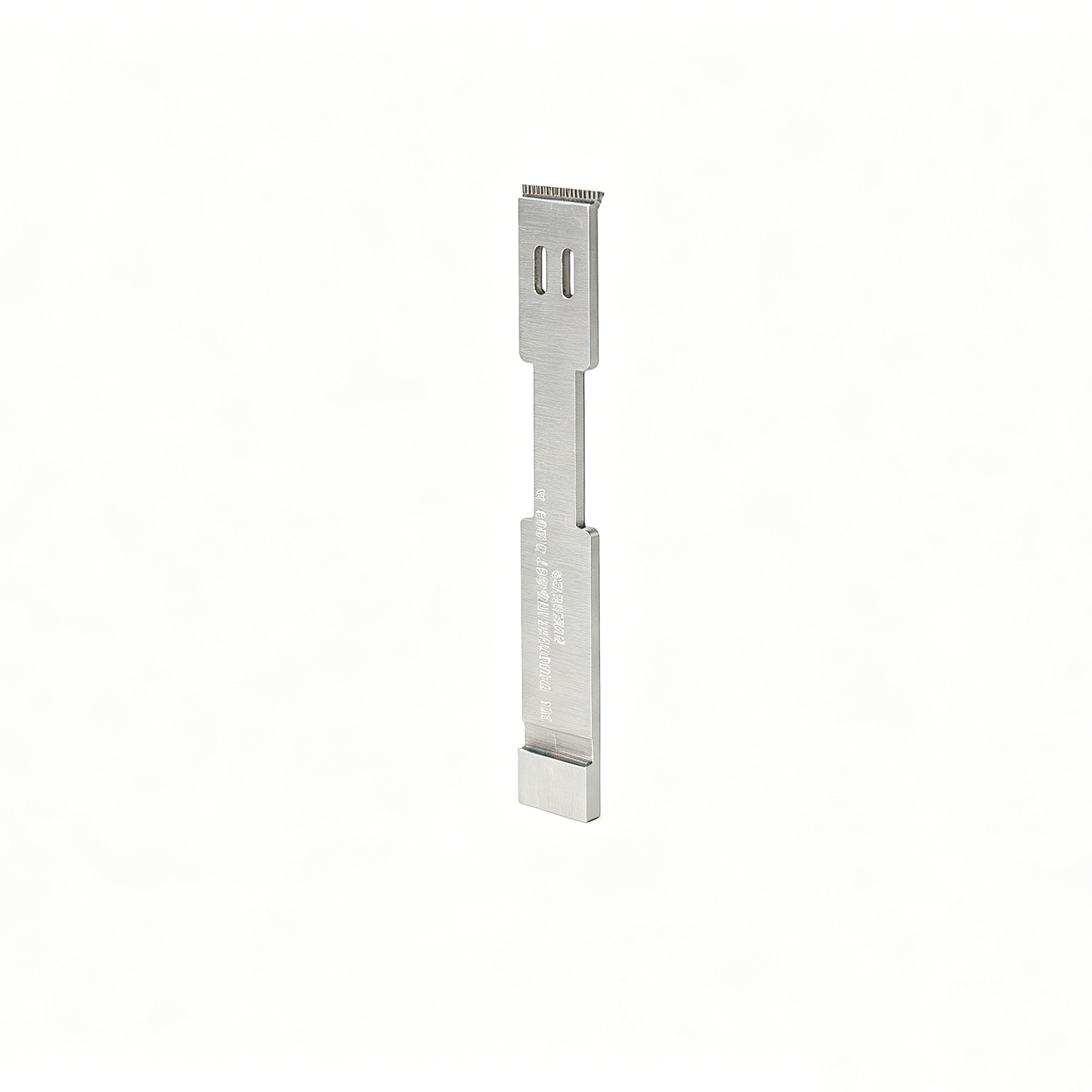
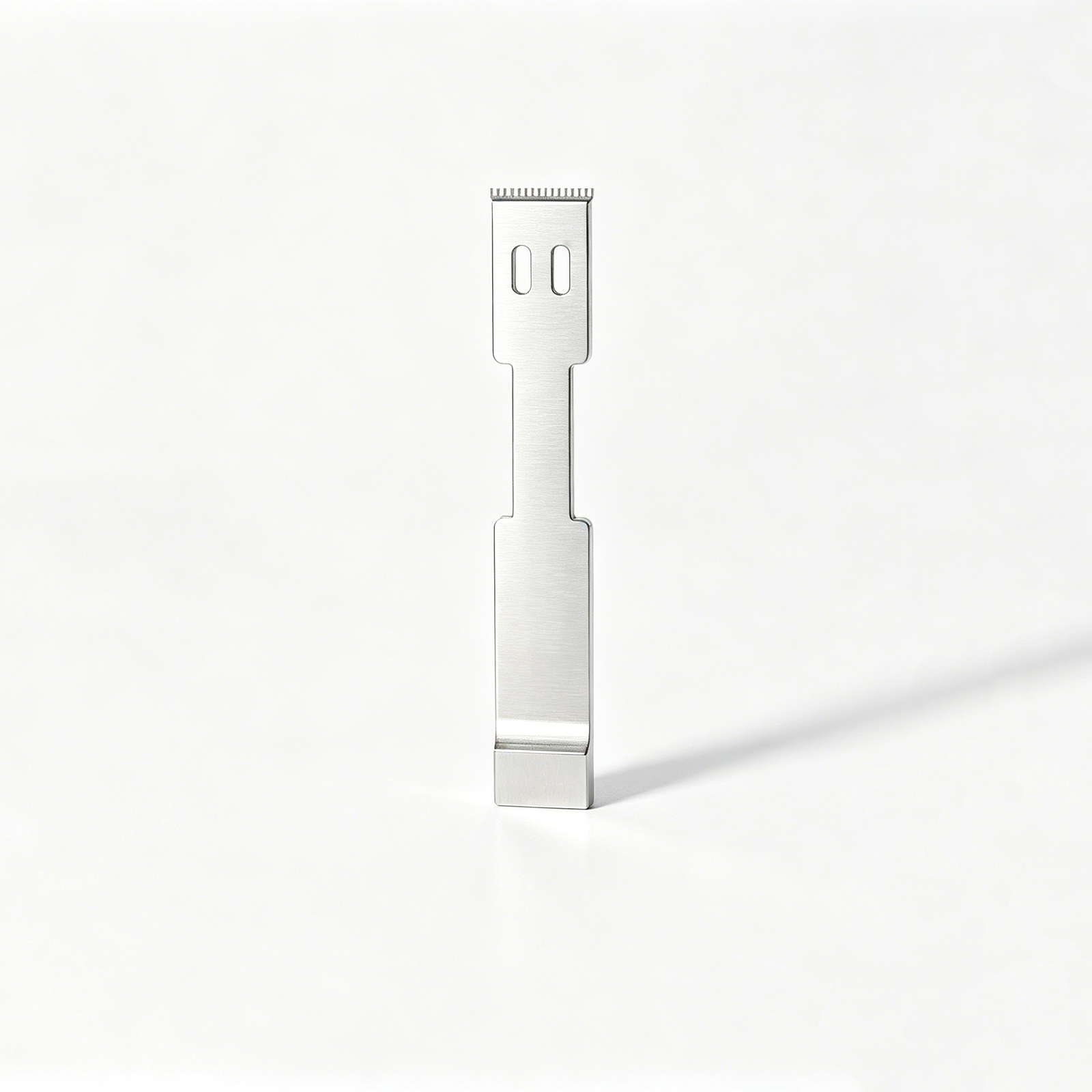
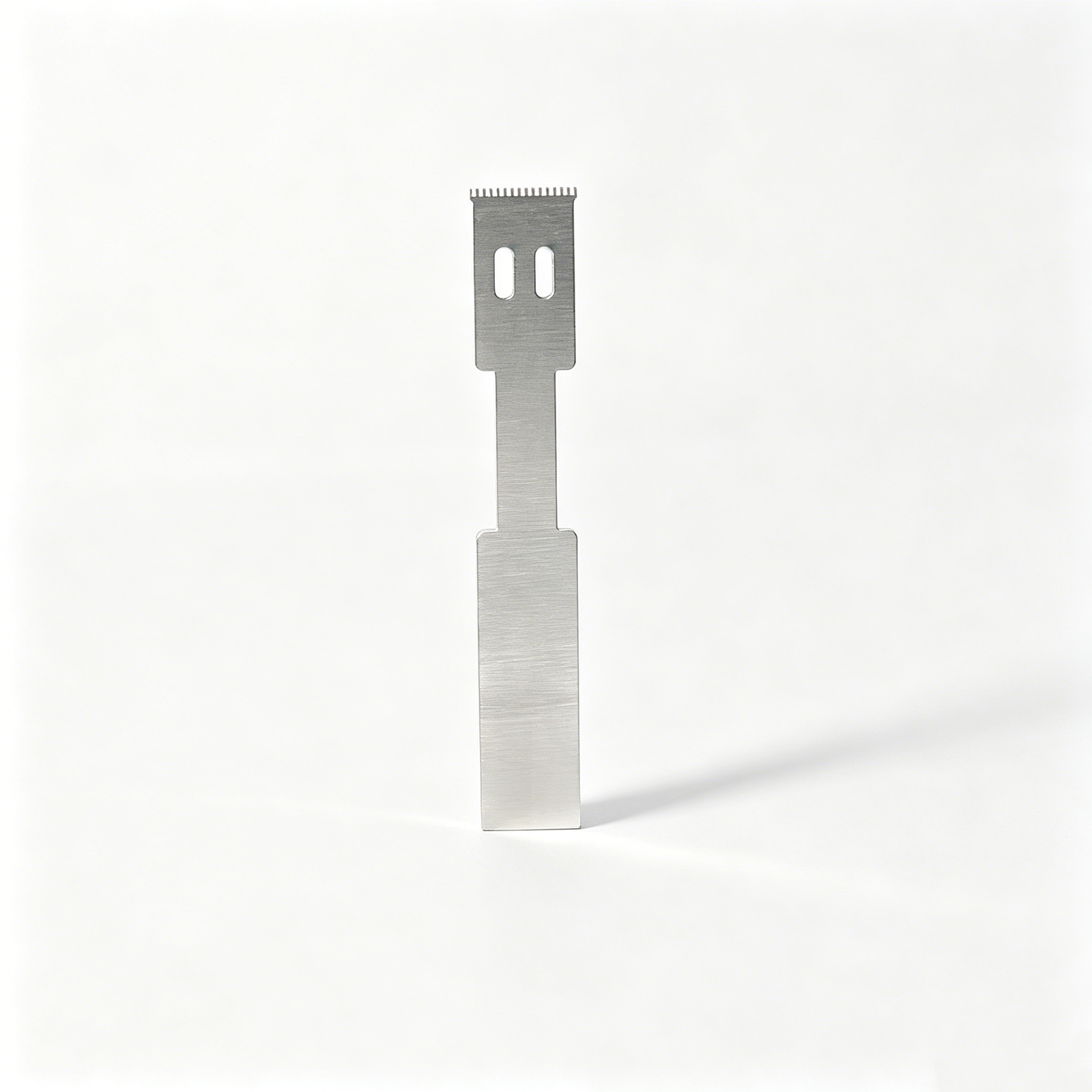
Plastic film parts · Precision mold insert
Mobile Connector Precision Mold Components for High-Repeatability Production Cells
Brand Xuxiang Mold
Availability Made to drawing
RFQ pricing
Quote from STEP / PDF & quantity
Engineered for demanding connector tooling environments, these Mobile Connector Precision Mold Components deliver stable performance across long production runs. Each insert, core, and cavity detail is manufactured to tight tolerances to help you maintain consistent contact pitch and housing geometry. Optimized steel selection and surface finishing reduce wear, shorten setup time, and improve part release. Whether you are ramping a new project or tuning an existing tool, these components support reliable cycle-to-cycle repeatability in automated molding cells.
- ISO 9001:2015–oriented process & documented inspection paths
- Zeiss / Nikon class metrology available for critical dimensions
- DFM feedback from 10+ senior tooling engineers
- Dongguan HQ + Quanzhou capacity for volume programs
High-Repeatability Mold Components for Mobile Connector Tooling
Mobile devices, automotive harnesses, smart appliances, industrial sensors, and countless other electronic products all rely on compact connectors that must be molded with exceptional precision. To achieve that level of dimensional stability at production volumes, the tooling inside your injection molds has to be engineered for repeatable performance, not just initial accuracy.
These Mobile Connector Precision Mold Components are purpose-designed for connector tooling engineers, mold makers, and injection molders who need consistent quality over hundreds of thousands or even millions of shots. From finely machined cores and cavities to micro-scale insert details, each component is produced with advanced CNC machining, EDM, grinding, and polishing methods to support high-repeatability molding of terminal blocks, housings, and overmolded cable interfaces.[1][3]
By combining robust steel grades, optimized heat treatment, and carefully controlled surface finishes, these components help you reduce variation, extend tool life, and maintain stable fit between mating connector halves. They are especially suited for applications where fine-pitch contacts, thin walls, and complex venting or gating would normally magnify even small tooling deviations.
Key Features & Benefits
To keep your production cells running smoothly and your connector parts within tolerance, these precision mold components focus on the factors that matter most in day-to-day molding.
- High repeatability across long runs – Carefully controlled dimensions, parallelism, and concentricity support consistent part geometry over extended molding campaigns, reducing scrap and rework.
- Optimized materials and heat treatment – Hardened tool steels and other suitable mold materials are selected according to connector size, resin type, and required wear resistance, then heat treated for hardness and stability.[1][3]
- Advanced machining for micro-features – CNC milling, wire-cut EDM, sinker EDM, and fine grinding are used to create clean parting lines, fine slots, and deep ribs that match complex mobile connector designs.[1][3]
- Superior surface quality – Polished and lapped surfaces in critical areas promote smooth filling, clean part release, and improved cosmetic appearance of visible connector housings.
- Stable fit in multi-cavity tools – Tight control of insert dimensions ensures consistent alignment in multi-cavity or family molds, supporting uniform filling behavior across cavities.
- Designed for automation – Component geometry is chosen to work reliably with robotic demolding, automated inspection, and high-speed handling equipment in modern production cells.
Technical Specifications & Construction
Every tooling program is unique, but the construction approach follows accepted best practices in precision connector mold manufacturing.[1][3]
- Design integration – Components are modeled from the connector 3D data, ensuring that the final molded contacts, latch details, and sealing features match the device’s performance requirements.
- Mold structure compatibility – Parts can be configured for two-plate, three-plate, or hot-runner connector molds, including inserts that interface with complex filling and cooling layouts.[3]
- Critical tolerances – Fine control over pitch, wall thickness areas, and shut-off geometries helps keep creep, flash, and warpage to a minimum when molding technical plastics.
- Post-processing – After primary machining, grinding and polishing remove tool marks and correct minor deviations, resulting in a high-precision, stable tool surface before assembly and mold trials.[1]
| Attribute | Description |
|---|---|
| Product type | Precision mold inserts, cores, cavities, and related components for mobile connector molds |
| Typical applications | Mobile device connectors, automotive electrical connectors, signal and power plug housings, sensor connectors |
| Compatible molding processes | Injection molding for thermoplastic connector housings and overmolded cable interfaces[3] |
| Typical materials | Hardened tool steel, pre-hardened steel, and other suitable mold alloys selected per project requirements[1][3] |
| Manufacturing methods | CNC machining, EDM, grinding, polishing, and heat treatment to achieve precision and wear resistance[1][3] |
| Design basis | CAD/CAM models derived from customer connector designs and mold layout requirements[1][3] |
| Mold configurations | Single-cavity and multi-cavity connector molds, with options for hot runner or cold runner systems |
| Repeatability focus | Dimensional stability, tight tolerances, and surface finish tuned for long runs and automated cells |
| Quality verification | Trial molding, dimensional inspection, and functional checks of sample connectors before full production[1][3] |
Use Cases & Ideal Users
These precision mold components are suitable wherever connector tooling must deliver consistent results across many cycles, particularly in demanding mobile and automotive environments.
- Mobile device and consumer electronics – For USB, charging, audio, and board-to-board connectors where even slight pitch variation can affect assembly and signal integrity.
- Automotive electrical systems – For multi-pin housings in engine compartments, interiors, and body electronics that must meet strict quality and reliability standards.[1][3]
- Industrial and IoT equipment – For ruggedized connectors used in sensors, gateways, and controllers that operate in harsh environments.
- Custom connector projects – For design houses and OEMs developing new form factors that require iterative mold trials and stable component geometry.
- High-volume manufacturing plants – For molding facilities focused on automation and OEE, where repeatable tooling reduces downtime and corrective adjustments.
Care, Maintenance & Buying Guidance
To get the most from these Mobile Connector Precision Mold Components, it is important to match them correctly to your project and maintain them properly throughout their service life.
- Project review – Share connector drawings, resin choice, and expected annual volume so that component materials and tolerances can be tailored to your actual use case.
- Compatibility check – Confirm that insert dimensions, mounting features, and gate/runner interfaces align with your existing mold base or new tool design before ordering.
- Maintenance schedule – Implement regular cleaning, visual inspection, and light polishing in non-critical areas to control buildup and wear without altering key dimensions.[1][3]
- Spare strategy – For high-output tools, consider keeping spare cores, cavities, and lifters on hand to minimize downtime in the event of accidental damage.
- Process stability – Pair the components with well-controlled injection parameters (temperature, pressure, speed) to fully benefit from their precision and extend their usable life.[3]
When evaluating options, focus on the level of dimensional control, surface finish quality, and material selection rather than only initial price. Over the lifetime of a connector program, stable, repeatable tooling often delivers significantly lower per-part cost through reduced scrap, faster startups, and fewer unplanned stoppages.
FAQ
Are these components compatible with my existing connector mold base?
Yes, the components can be designed to fit most standard and custom mold bases. Provide your existing base drawings and connector models so that mounting surfaces, alignment features, and runner interfaces can be matched precisely.
Which resins can be molded with these Mobile Connector Precision Mold Components?
The components are suitable for common connector-grade thermoplastics such as engineering plastics used in mobile, automotive, and industrial connectors. During the project review, material selection and heat treatment are aligned with your chosen resin and required wear resistance.
How do I determine if these components will maintain repeatability at my target volume?
Share your estimated annual shots, cavity count, and cycle time so that the design team can recommend material and surface options matched to that workload. Trial runs and dimensional checks on first articles are then used to verify stability before full release.
What kind of maintenance do these mold components require?
Routine cleaning, inspection for wear, and controlled lubrication of moving areas are recommended. Avoid aggressive polishing in critical shut-off or fine-pitch areas to preserve tolerances; instead, focus on gentle cleaning and preventative care between production campaigns.
Can I use these components in fully automated production cells?
Yes. The parts are designed with dimensional stability and surface quality that support automated demolding, robotic handling, and inline inspection. Consistent cavity geometry helps your automation run with fewer adjustments and alarms.
What is the typical lead time for customized connector mold components?
Lead time depends on component complexity and project scope. After reviewing your 3D data and requirements, an estimated schedule is provided that includes design confirmation, machining, finishing, and any required trial molding.
How are the components inspected before shipment?
Critical dimensions are measured against the approved drawings, and surfaces are checked for finish quality. For connector tooling, particular attention is paid to pitch, cavity depth, and key shut-off areas that directly affect part quality.
What happens if a component wears or is damaged during production?
If wear or damage occurs, the affected components can typically be remade or reworked according to the original CAD data. Keeping reference models and drawings on file enables efficient replacement and helps return the mold to stable operation quickly.
Is there any support available during mold trials and start-up?
Technical support can assist with interpreting trial results, recommending minor tooling or process adjustments, and confirming that the components are performing as intended before you move into full-volume molding.
Can these mold components be adapted for new connector designs in the future?
Yes. The same manufacturing approach can be applied to future connector geometries. Once your preferences for materials, tolerances, and surface finishes are established, they can be reused on later projects to speed development and keep performance consistent.
Related products
Same drawing, predictable results—next batch
Share revision, quantity ramp, and inspection level. We quote process route, ship date, and documentation in one structured response.