
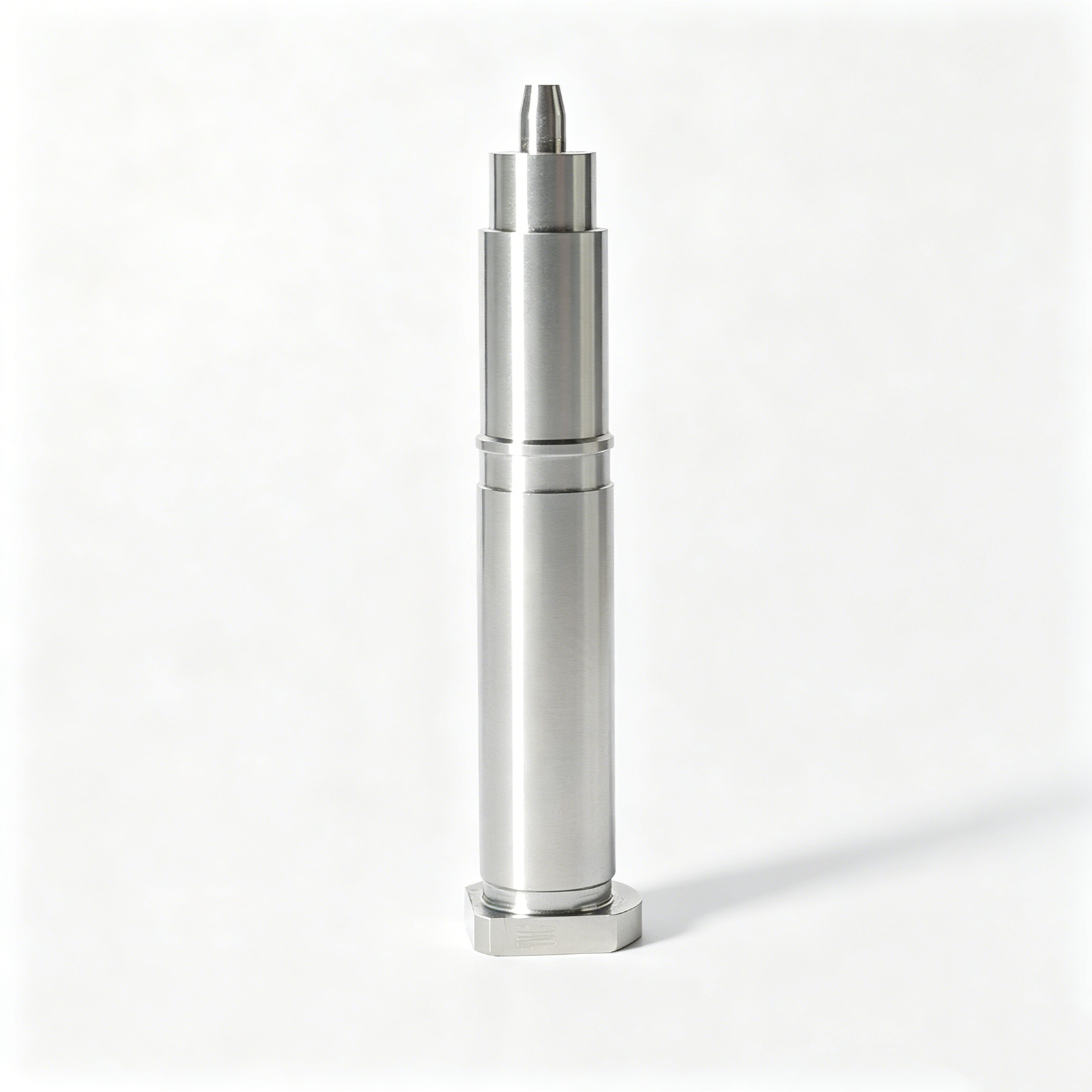
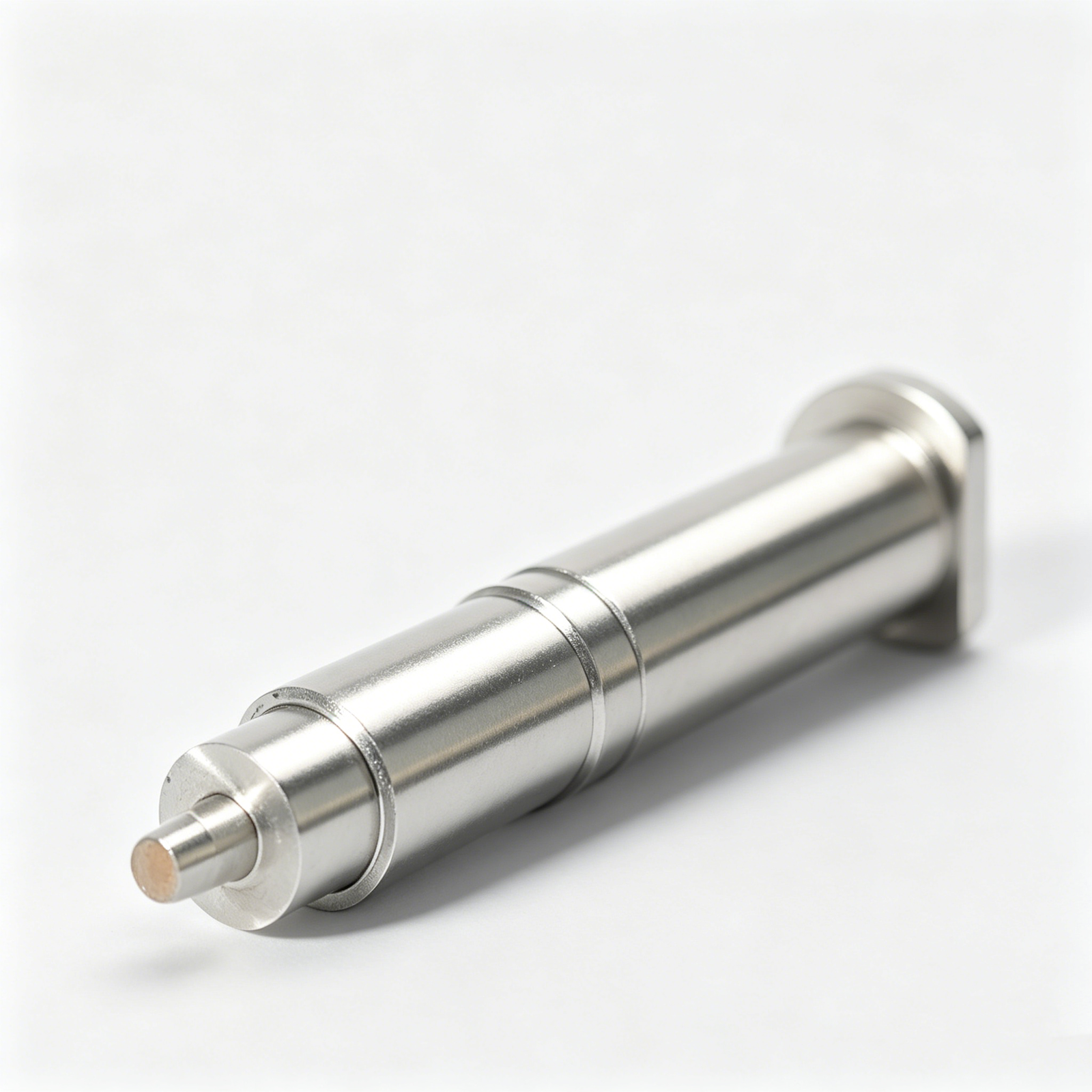
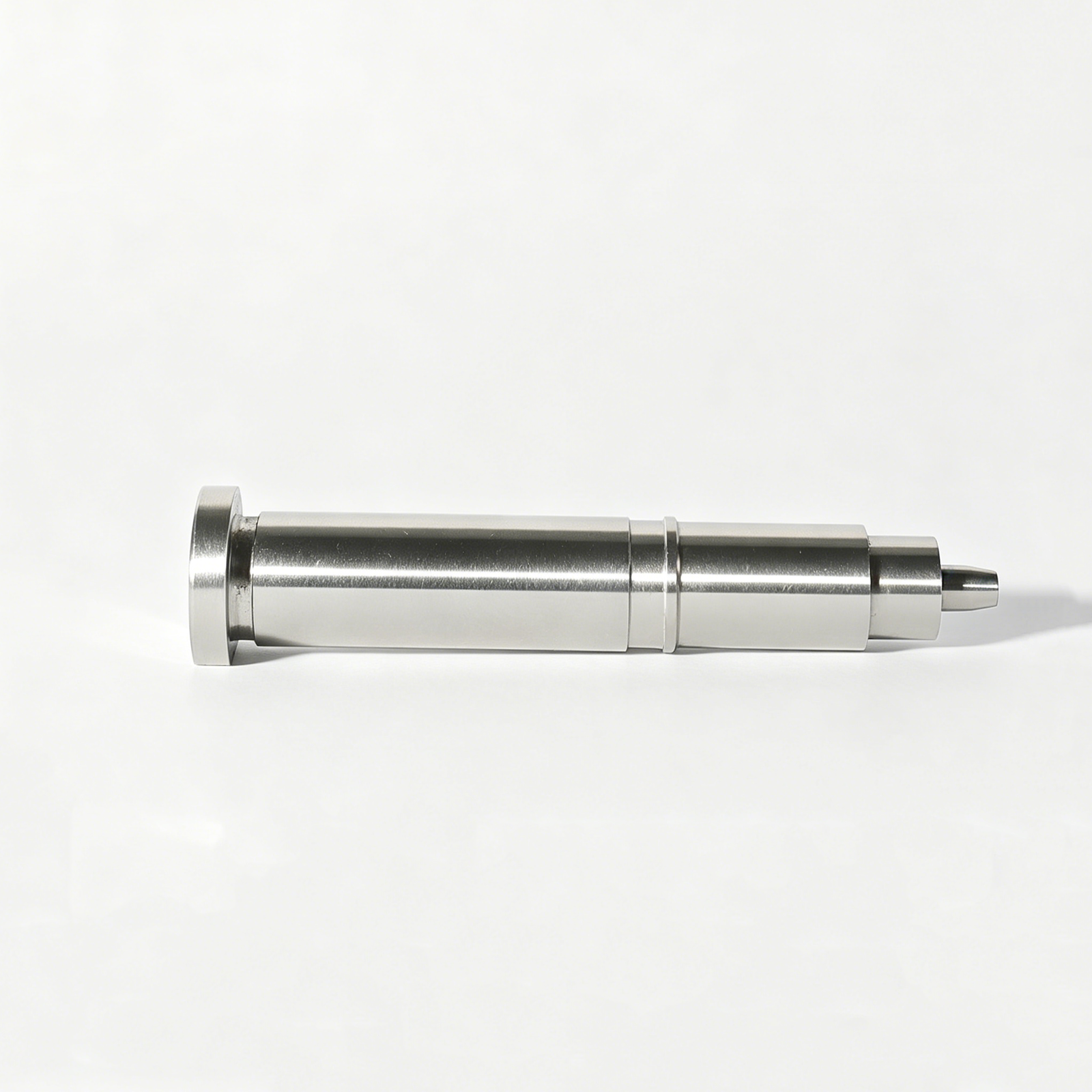
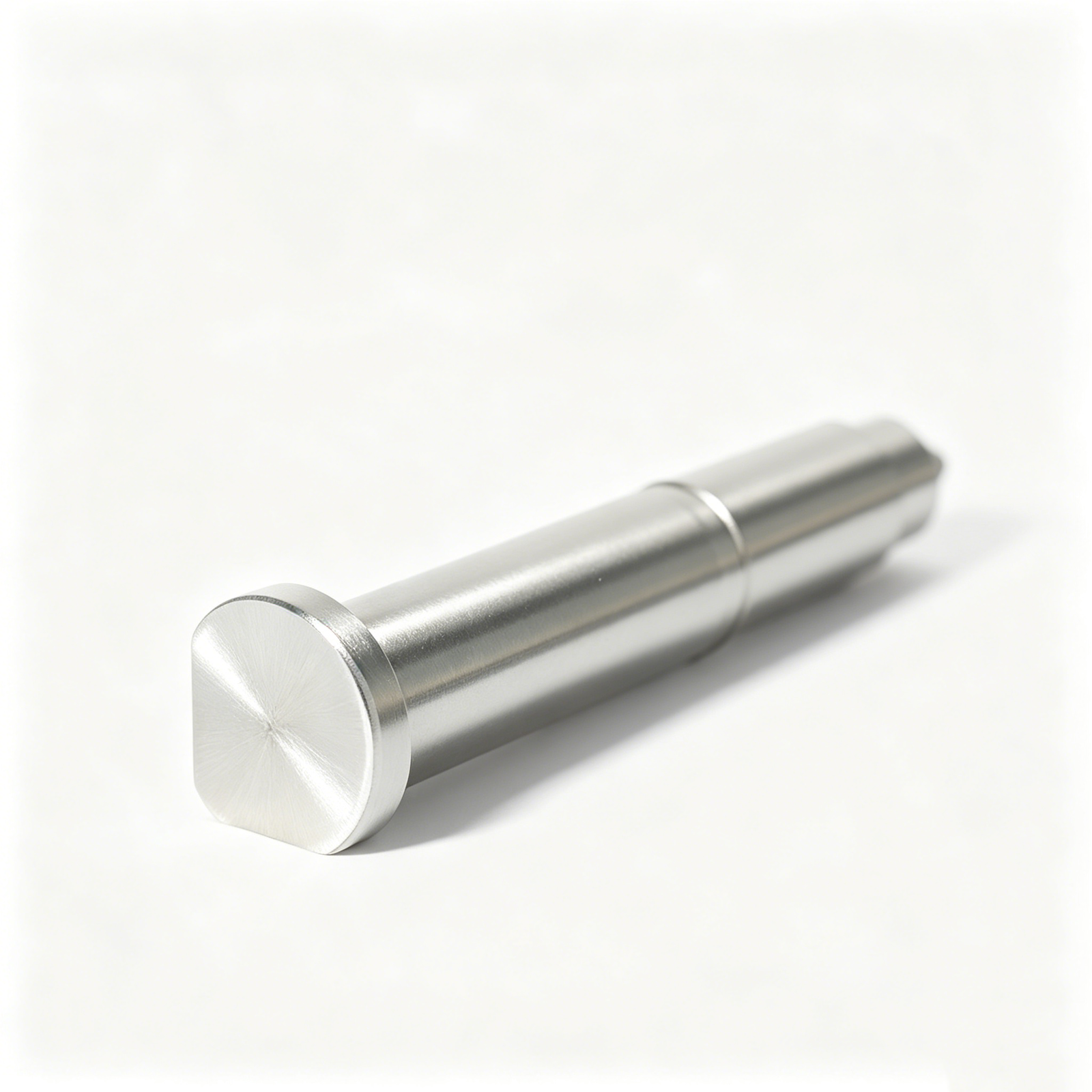
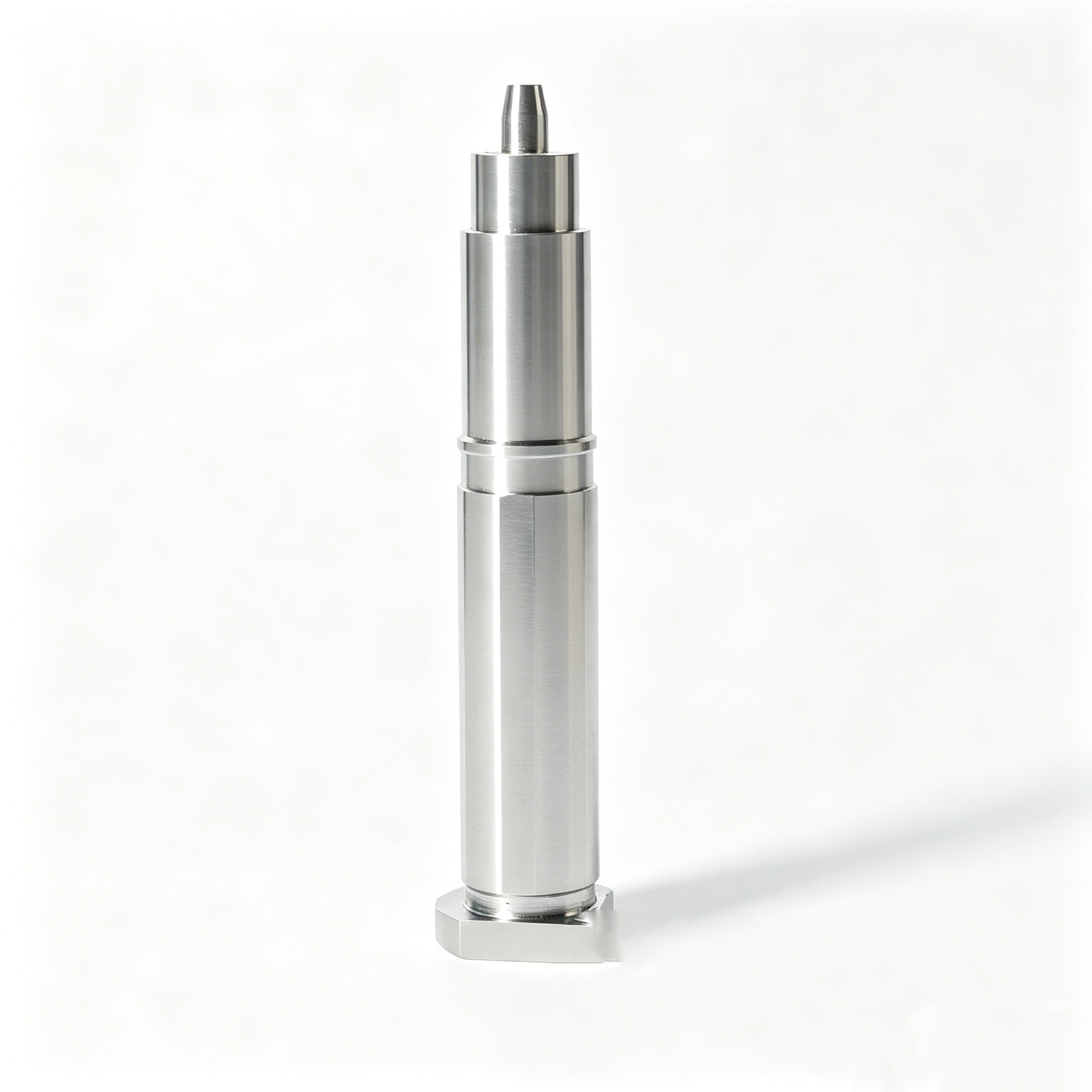
Plastic film parts · Precision mold insert
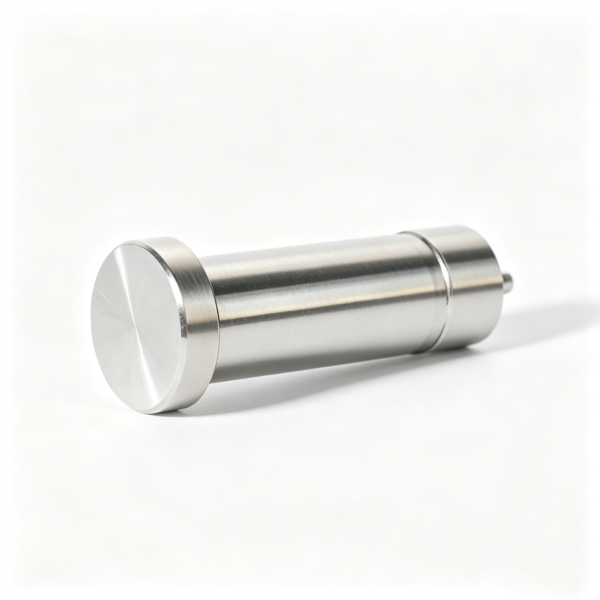
Precision Round Parts for CNC-Turned Cylindrical Components
Brand Xuxiang Mold
Availability Made to drawing
RFQ pricing
Quote from STEP / PDF & quantity
When your build depends on concentricity, smooth rotation, and dependable fit, Precision Round Parts help keep every assembly aligned and repeatable. These components are ideal for shafts, bushings, spacers, sleeves, pins, and other circular features that need clean geometry and reliable performance. Designed for machine shops, OEMs, and product developers, they support tight-fitting assemblies without unnecessary complexity. Choose a round-part solution that looks right, fits right, and performs consistently in real production use.
- ISO 9001:2015–oriented process & documented inspection paths
- Zeiss / Nikon class metrology available for critical dimensions
- DFM feedback from 10+ senior tooling engineers
- Dongguan HQ + Quanzhou capacity for volume programs
Precision Round Parts Built for Accurate Circular Geometry
Precision Round Parts are engineered for applications where cylindrical shape, roundness, and consistent diameter matter as much as overall size. In practical manufacturing terms, that usually means parts such as shafts, collars, bushings, rollers, sleeves, spacers, and standoffs that must run true, assemble cleanly, or interface with mating bores and bearings. Precision machining is commonly used for these parts because CNC processes can produce repeatable dimensions, controlled tolerances, and reliable finishes across small runs or larger production quantities.[2][4][5]
Round components are often the foundation of a larger mechanism. If a diameter is off, a shoulder is uneven, or a surface is rough, the issue can show up later as vibration, excess wear, binding, or poor alignment. That is why buyers typically look for a machining partner that can review drawings, material choices, tolerances, and finishing requirements before production begins.[1][3] For parts with cylindrical symmetry, turning is often the primary process, while milling, grinding, or secondary operations may be added when the geometry demands holes, flats, keyways, or tighter final finishing.[6]
Why Buyers Choose Precision Round Components
Precision round components are valued because they combine efficient manufacturability with dependable mechanical behavior. Their shape is inherently well suited to rotating systems, guide mechanisms, and assemblies that depend on coaxial alignment. CNC turning is especially effective for shafts, bushings, and other rotational forms, while milling can handle cross-holes, flats, and non-round features when the design requires them.[6]
Another advantage is consistency. CNC precision machining uses programmed tool paths to help reproduce the same part geometry from one order to the next, which is useful when you need interchangeable pieces or phased production over time.[2][8] In many projects, standard machining tolerances may be sufficient for general fit, while tighter tolerances are reserved for critical interfaces such as bearing seats, locating diameters, and sealing surfaces.[1][4][5] Surface quality also matters, because smoother finishes can support better wear behavior and easier assembly, especially on moving or closely fitted parts.[3][5]
For many buyers, the real benefit is reduced risk. Instead of adapting an off-the-shelf part to fit a design, precision round parts can be made to match the drawing, the material requirements, and the intended operating environment. That makes them useful in prototypes, replacement parts, production hardware, and custom mechanisms where dependable geometry is essential.[7][9]
Key Attributes and Typical Buyer Expectations
Because the exact build varies by application, the table below summarizes common characteristics buyers review when sourcing precision round parts. These are practical planning fields rather than fixed specifications, since the final values depend on the drawing and the manufacturing method.[1][3][5]
| Attribute | Typical Buyer Consideration |
|---|---|
| Geometry | Round, cylindrical, or rotationally symmetric profiles with optional shoulders, grooves, threads, bores, or flats |
| Primary process | CNC turning for circular forms; milling or grinding may be added for secondary features or final refinement |
| Tolerances | Defined by the drawing and fit requirements; tighter control is often needed for bearing seats, shafts, and locating diameters |
| Materials | Commonly selected based on strength, corrosion resistance, machinability, wear resistance, and thermal behavior |
| Surface finish | May range from standard machined finish to smoother polished, ground, or deburred surfaces depending on use |
| Order type | Prototype, low-volume, repeat production, replacement parts, or OEM assembly components |
| Documentation | PDF drawing, hand sketch, CAD file, or STEP model with dimensions, tolerances, quantity, and finish notes |
Where These Parts Fit Best
Precision round parts are widely used in assemblies that need rotational symmetry, guided movement, or stable mating surfaces. Common use cases include drive systems, fixture hardware, tooling components, instrumentation, automated equipment, and general mechanical assemblies.[6][7] They are also a natural fit for shafts and bushings because these shapes benefit from concentric machining and controlled diameter consistency.[6]
These parts are also popular in custom manufacturing because round geometry can simplify workholding and production planning while still supporting a wide range of functional details. A part may begin as a simple turned cylinder and later incorporate threads, undercuts, cross holes, knurling, or reliefs to meet the final design intent. When round parts need extra precision, post-processing such as deburring or grinding may be used to refine edges, improve fit, or bring the final dimensions closer to the requirement.[3][5]
If you are sourcing for a new product, it helps to define the real function of the part before requesting a quote. Ask whether the part carries load, rotates, slides, seals, aligns, spaces, or locates another component. That single detail often determines the best material, tolerances, and finishing method.[1][3]
Buying and Care Guidance
When ordering precision round parts, the most efficient quote requests usually include dimensions, tolerance notes, material preference, quantity, and finish requirements. Suppliers often ask for a drawing or model so they can check manufacturability, identify critical features, and confirm whether the part can be produced with the requested accuracy.[1][3] For round parts, it is especially helpful to identify the critical diameter, concentricity concerns, and any mating surface that must fit another component.
Material selection should reflect the part’s job. A wear-prone rotating part may need a different material than a lightweight spacer or a corrosion-resistant sleeve. Machining guidance also matters: deep pockets, thin walls, and very small radii can increase complexity, so designs that respect tool access often produce better results and more predictable pricing.[3][8] If a part will see repeated motion, heat, or moisture, include those conditions early so the right finish or alloy can be chosen.
For care and handling, keep machined surfaces clean and protected during storage and shipping. Individual wrapping can help prevent nicks on precision surfaces, especially for parts with tightly controlled fits.[3] For ongoing use, inspect mating areas periodically for wear, burrs, or contamination, and keep the part within the conditions for which it was designed.
FAQ
How are precision round parts shipped?
They are typically packed to protect critical surfaces and edges during transit. For parts with tight tolerances or polished finishes, individual wrapping or separated packaging helps reduce damage risk.[3]
What file types should I send for a quote?
A PDF drawing, hand sketch with dimensions, or a CAD/STEP file is commonly used for quoting. Clear tolerance notes, material preference, quantity, and finish instructions help speed up review.[1]
Can these parts be made to tight fit requirements?
Yes. Precision machining is often used when parts must meet controlled diameter, concentricity, or surface requirements. The final capability depends on the design, material, and process plan.[4][5]
Are round parts only made by turning?
No. Turning is the main method for cylindrical forms, but milling, grinding, and deburring may also be used when the design includes flats, holes, or a finer final surface.[6][3]
What materials are commonly used?
Common choices include metals selected for strength, corrosion resistance, machinability, or wear performance. The best option depends on the load, environment, and the role of the part in the assembly.[3]
How do I choose the right size or fit?
Start with the mating component and define the function: locating, rotating, spacing, sealing, or supporting load. Then confirm the critical diameter, tolerance, and any finish requirements with your drawing.[1][3]
What should I do if my design has thin walls or deep features?
Share the full model early so the machining team can evaluate tool access and suggest practical adjustments. Designs with thin walls or deep holes may need special tooling or tolerance review.[3][8]
Do these parts need special maintenance?
Usually only routine cleaning, inspection, and protection from impact or contamination are needed. If the part is part of a rotating or wear-prone assembly, check mating surfaces regularly for burrs or wear.[3][5]
Can I order prototypes before full production?
Yes. Precision machining is commonly used for prototypes and low-volume production, making it a practical way to validate fit and function before scaling up.[9][7]
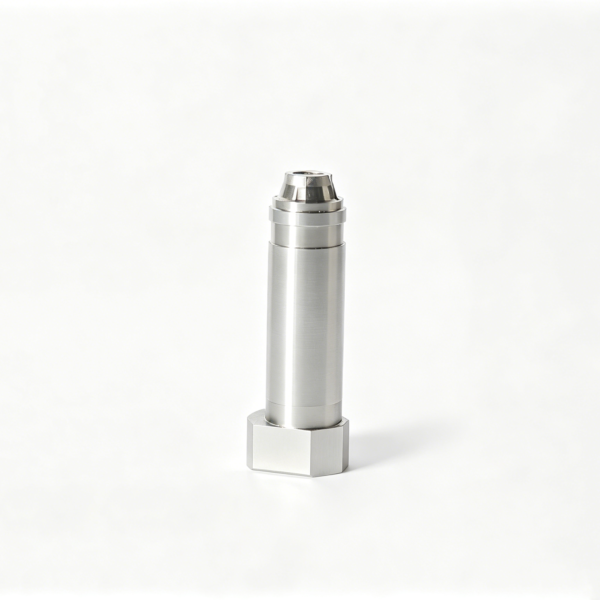
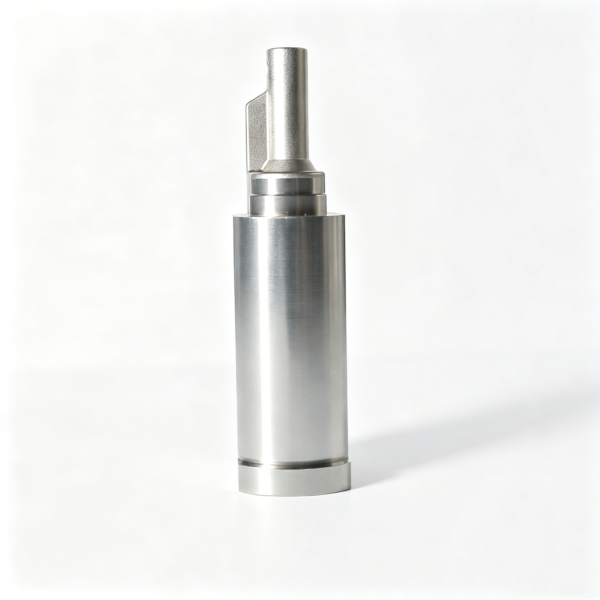
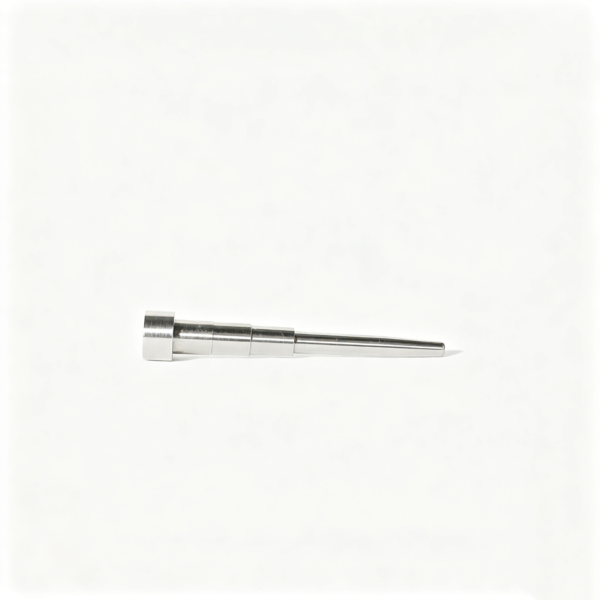
Same drawing, predictable results—next batch
Share revision, quantity ramp, and inspection level. We quote process route, ship date, and documentation in one structured response.