
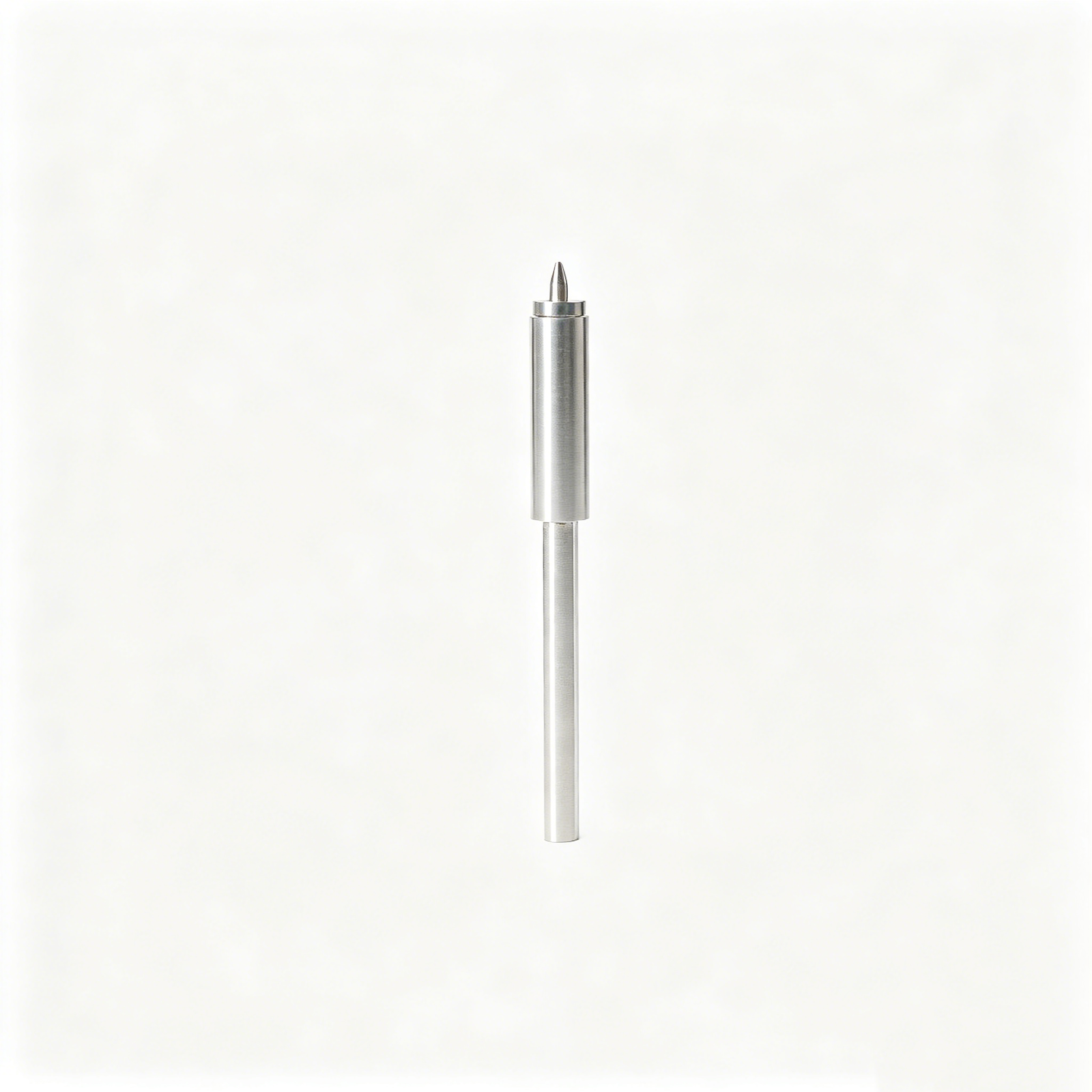
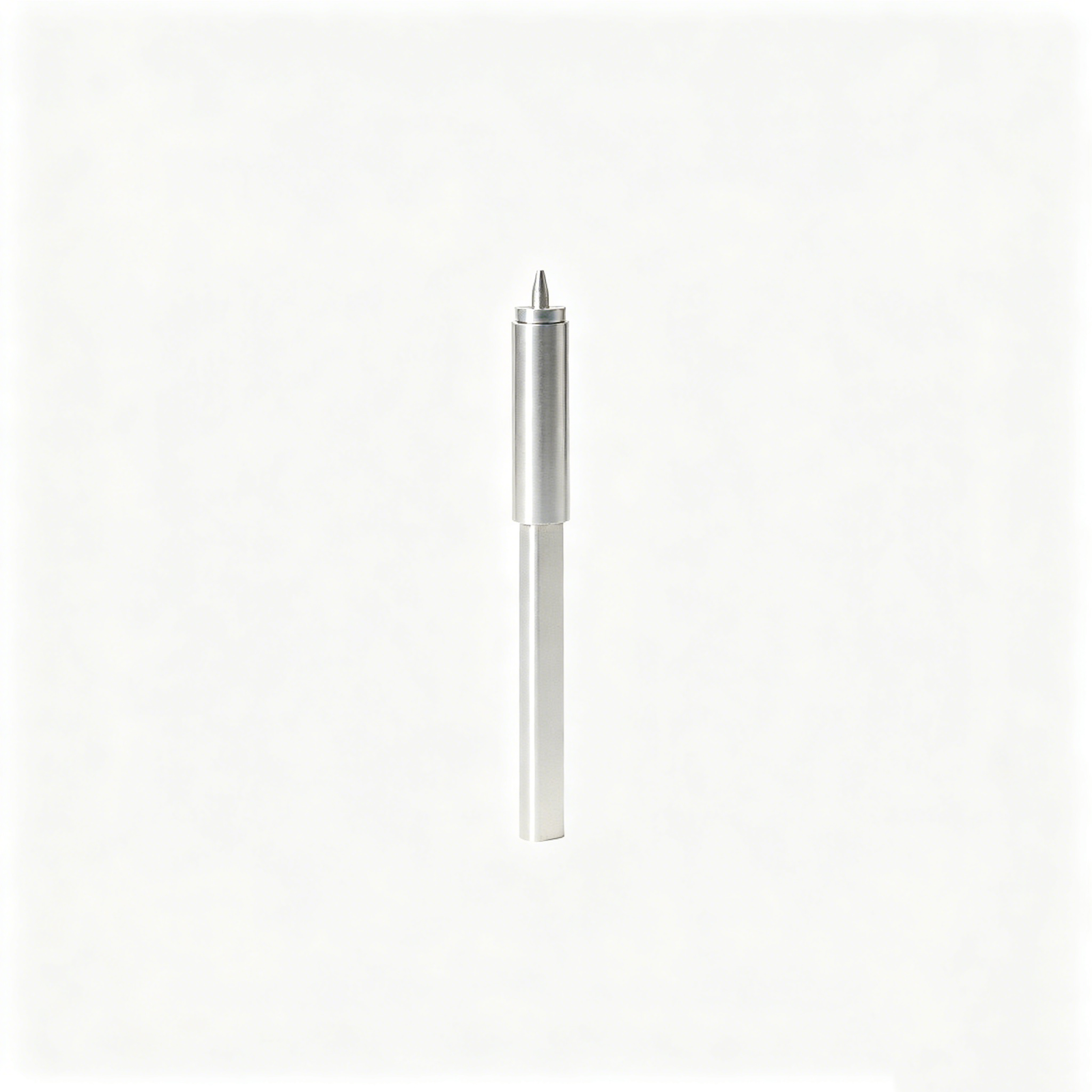
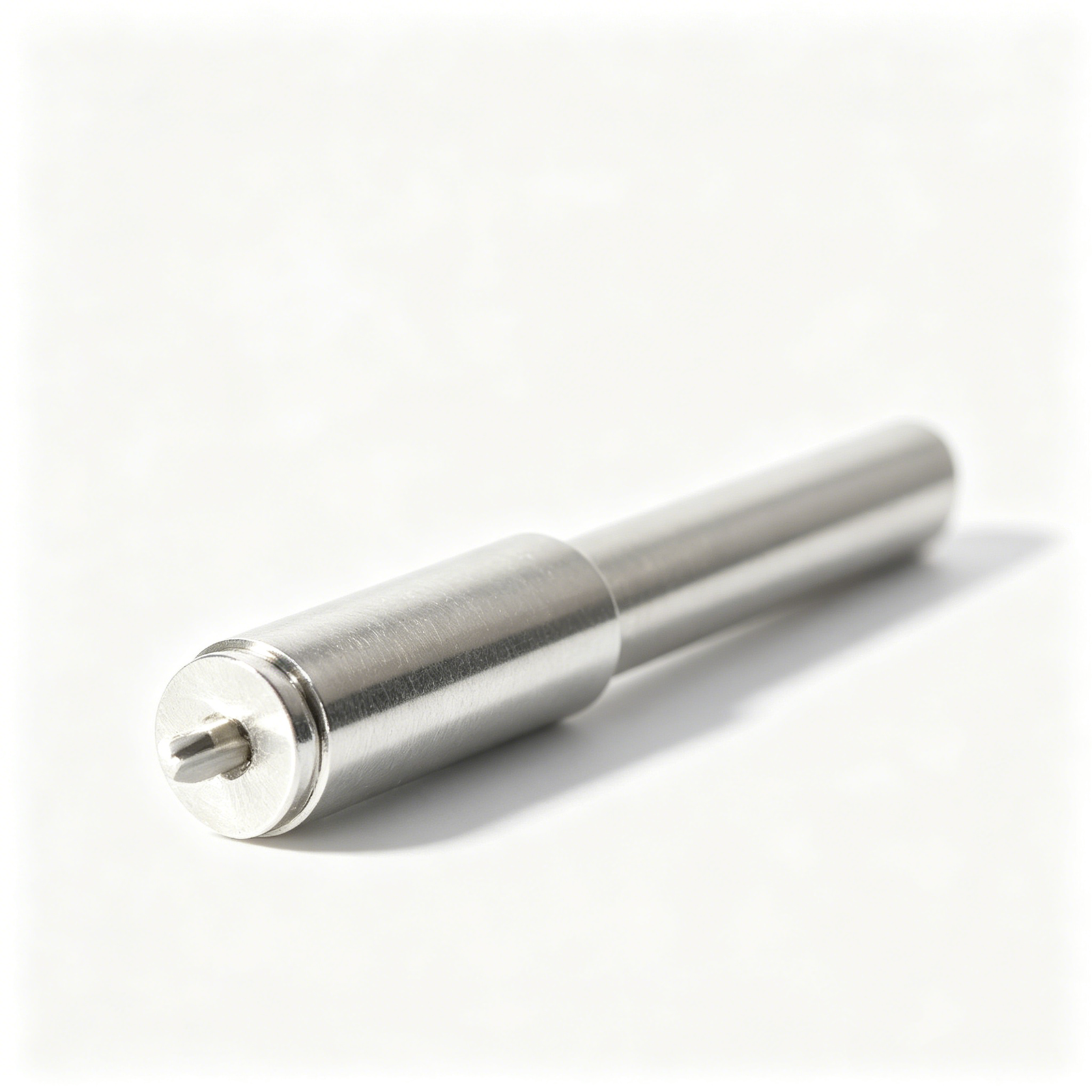
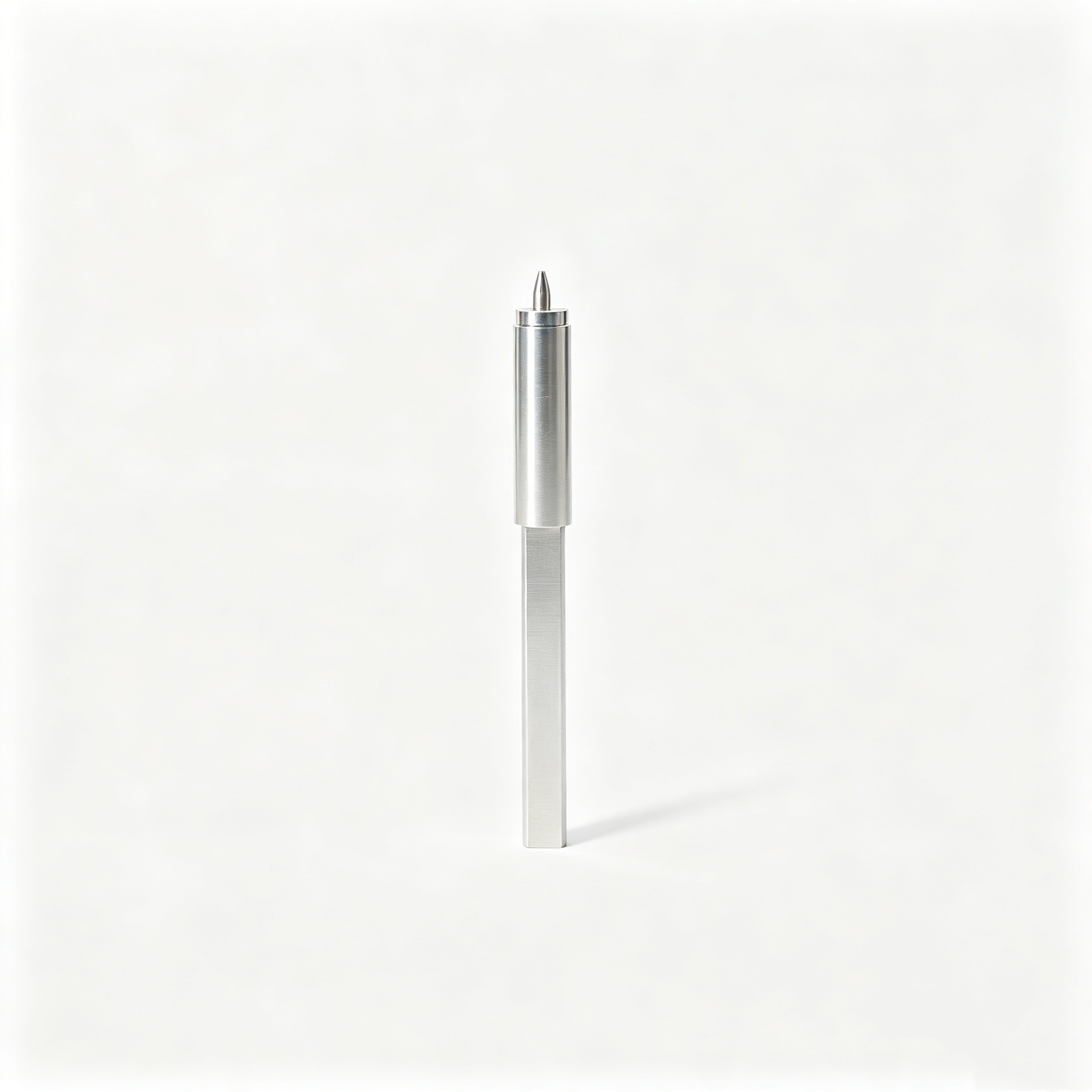
Plastic film parts · Precision mold insert
Custom Precision Round Parts for Industrial Assemblies
Brand Xuxiang Mold
Availability Made to drawing
RFQ pricing
Quote from STEP / PDF & quantity
Built for clean fit, smooth rotation, and dependable repeatability, Precision Round Parts are a smart choice for assemblies that need consistent cylindrical geometry. They are commonly used where alignment, spacing, sealing, or controlled movement matters. Whether you are sourcing parts for machinery, equipment, or a replacement component, these round parts help support stable performance and easier assembly. Their value comes from the combination of accurate form, practical material choices, and a finish that suits the job.
- ISO 9001:2015–oriented process & documented inspection paths
- Zeiss / Nikon class metrology available for critical dimensions
- DFM feedback from 10+ senior tooling engineers
- Dongguan HQ + Quanzhou capacity for volume programs
What Precision Round Parts Are
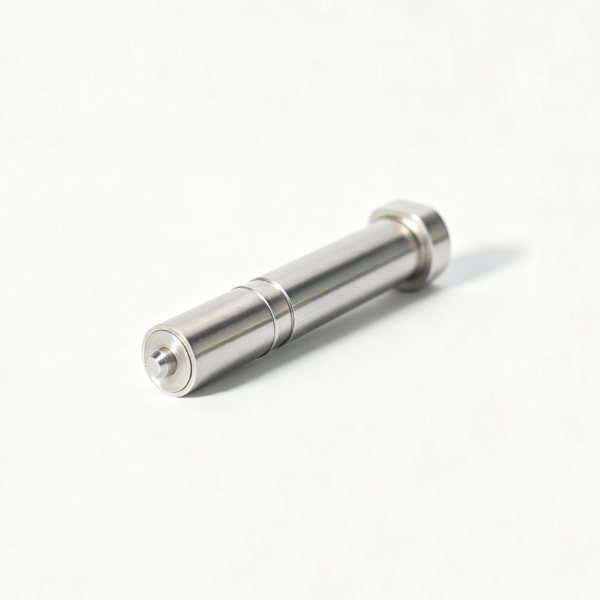
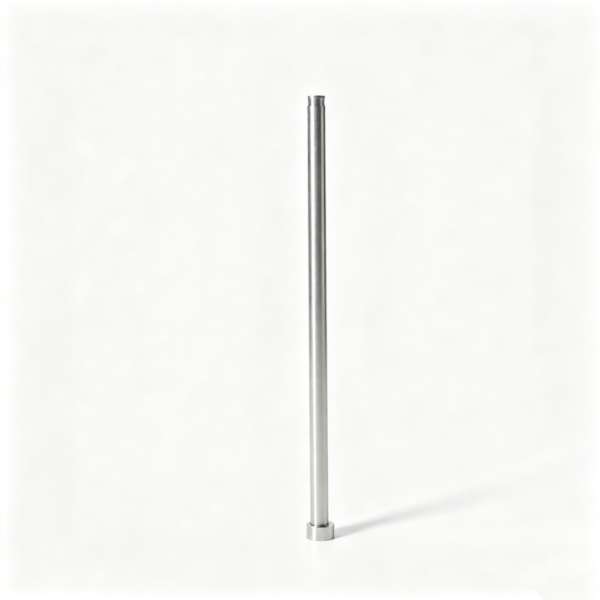
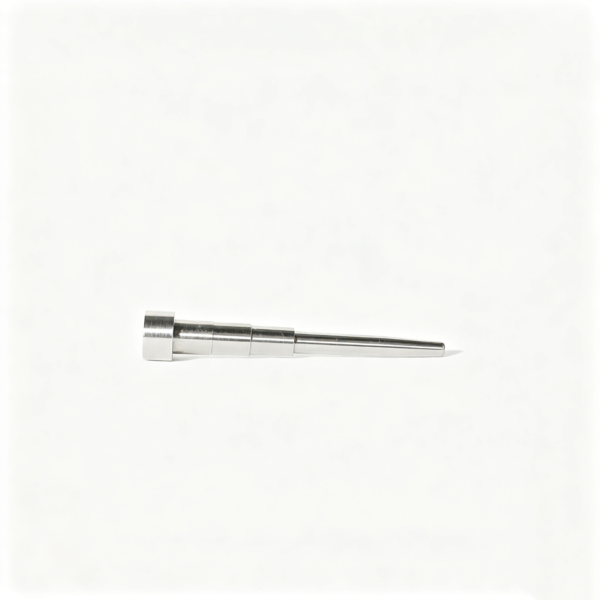
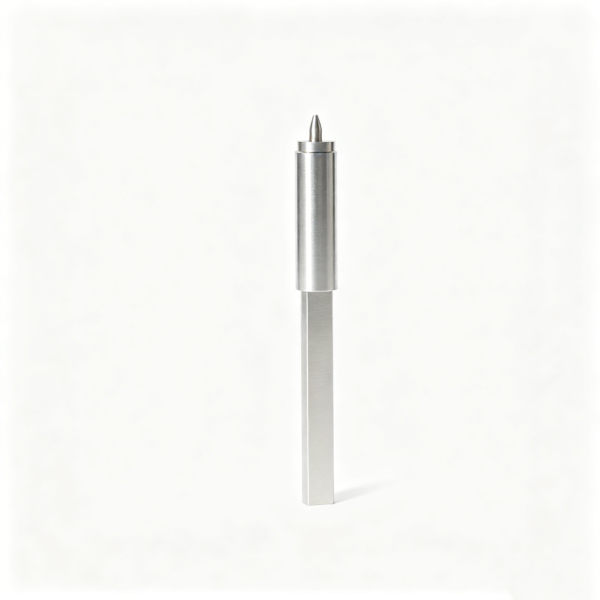
Precision Round Parts are cylindrical or near-cylindrical components made to support accurate fit and repeatable performance in mechanical assemblies. In practice, this category can include turned parts, spacers, sleeves, pins, bushings, collars, adapters, hubs, and similar round forms used across industrial equipment. The key idea is not just that the part is round, but that the part is made with controlled dimensions, consistent concentricity, and a finish appropriate for the application.
Buyers often choose this type of component when standard off-the-shelf hardware is close, but not quite right. A tighter fit may be needed for shaft support, a cleaner surface for sealing, or a more consistent outer diameter for automatic assembly. Because round parts are used in so many systems, they can be tailored for prototypes, replacement needs, or larger production runs depending on the project.
Why These Parts Matter in Real Assemblies
Round parts are often small, but they influence how well a machine feels and performs. A well-made part can reduce wobble, improve alignment, and help neighboring components last longer. That is especially important in assemblies where motion, rotation, pressure, or vibration is involved. In many cases, the difference between a generic part and a precision-made round part is the difference between a system that merely functions and one that runs smoothly under daily use.
These parts are also valued for their adaptability. They can be produced in a wide range of metals and engineering materials depending on strength, wear resistance, corrosion exposure, or weight requirements. For some buyers, the priority is durability. For others, it is machinability, visual consistency, or compatibility with a specific mating feature. That flexibility makes precision round components useful in manufacturing, maintenance, and OEM product development.
Key Features and Benefits
Precision round components are typically selected for a mix of dimensional reliability and application fit. Depending on the design, they may be made to support close tolerances, smooth surface behavior, or simple and efficient installation.
- Accurate cylindrical form for improved fit and alignment
- Repeatable dimensions for consistent assembly performance
- Material flexibility to match load, wear, and environment needs
- Functional surface finish for sliding, sealing, or appearance requirements
- Production scalability from prototyping through repeat orders
For procurement teams, this category is also attractive because the part description is broad enough to cover many applications while still supporting a custom design approach. That means the final part can be built around the actual use case instead of forcing the design to fit a generic catalog option.
Typical Specifications and Ordering Factors
Because “precision round parts” is a broad product category, the best buying decisions come from understanding the application first. The table below outlines the most common attributes buyers review before requesting a quote or approving production.
| Attribute | What Buyers Typically Specify |
|---|---|
| Part form | Round, turned, cylindrical, stepped, grooved, threaded, or custom hybrid shapes |
| Material | Commonly metal or engineering-grade material selected for strength, wear, corrosion, or weight needs |
| Dimensional control | Critical diameters, length, concentricity, roundness, and mating fit requirements |
| Surface finish | Functional, cosmetic, or low-friction finish depending on use |
| Quantity | Prototype, small batch, or recurring production order |
| Application | Shaft support, spacing, indexing, sealing, guiding, fastening, or rotational assembly |
When requesting a quote, it helps to provide a drawing, sketch, CAD file, or sample part if available. Clear notes about fit, mating components, and the part’s working environment can reduce revisions and improve first-pass success.
Where Precision Round Parts Are Used
These components are common in machinery, automation, equipment repair, and OEM assemblies. They may appear in motion-control systems, pumps, motors, instruments, fixtures, and general industrial hardware. In product design, they are also widely used when a part needs to guide another component, support axial load, or maintain a stable interface between moving surfaces.
They are a practical choice for engineers and buyers who need a part that looks simple but performs a critical job. For example, a round spacer may keep stack-up dimensions in check, while a bushing may help reduce wear on a moving shaft. A collar or sleeve may help lock position or protect a mating surface. The same family of parts can serve very different functions, which is why this product category is so versatile.
Buying and Care Guidance
To get the best result, define the function before selecting the material or finish. If the part will rotate, slide, or contact another component repeatedly, prioritize surface quality and wear behavior. If it will be exposed to moisture, chemicals, or outdoor use, consider corrosion resistance early in the process. If the part must match an existing assembly, verify dimensions against the actual mating feature rather than relying only on a drawing title.
After installation, keep the part clean and inspect it periodically if it operates in a high-friction or high-vibration environment. In many assemblies, a small amount of wear can affect alignment over time, so maintenance checks are worthwhile. If replacement is needed, matching the original geometry and function is usually more important than simply matching the visible shape.
FAQ
How are Precision Round Parts shipped?
They are typically packed to protect surfaces and dimensional accuracy during transit. For delicate finishes or close-fit components, protective wrapping and secure boxing help prevent scratches, dents, and contamination.
What information is needed to confirm fit or compatibility?
A dimensioned drawing is best, along with material preference, finish requirements, and notes about the mating part. If the component must fit a shaft, bore, or housing, include the relevant interface dimensions and tolerance expectations.
Can these parts be used in both prototypes and production?
Yes. Precision round parts are commonly ordered for development samples, pilot builds, and repeat production runs. The key is to match the order quantity and process approach to the stage of the project.
What is the best way to maintain round components?
Keep them clean, inspect wear surfaces regularly, and avoid contamination from debris or excessive moisture. If the part moves against another surface, periodic lubrication or replacement may be appropriate depending on the application.
Are custom materials and finishes available?
In many cases, yes. Buyers often choose the material and finish based on strength, corrosion resistance, appearance, or friction needs. The right combination depends on the operating environment and the part’s job in the assembly.
What should I do if I need a replacement part?
Compare the original part carefully and verify all critical dimensions before reordering. If the old part is worn, measure against the mating assembly or the original design data when possible.
Is there a warranty or return option?
That depends on the seller’s policy and whether the part is standard or made to order. Custom parts often have different return rules than stock items, so it is best to confirm terms before placing the order.
How do I choose the right quantity?
Choose a quantity based on testing needs, expected wear, and production demand. For new designs, a small initial batch can help confirm fit and function before larger release orders.
Same drawing, predictable results—next batch
Share revision, quantity ramp, and inspection level. We quote process route, ship date, and documentation in one structured response.