
Plastic film parts · Precision mold insert
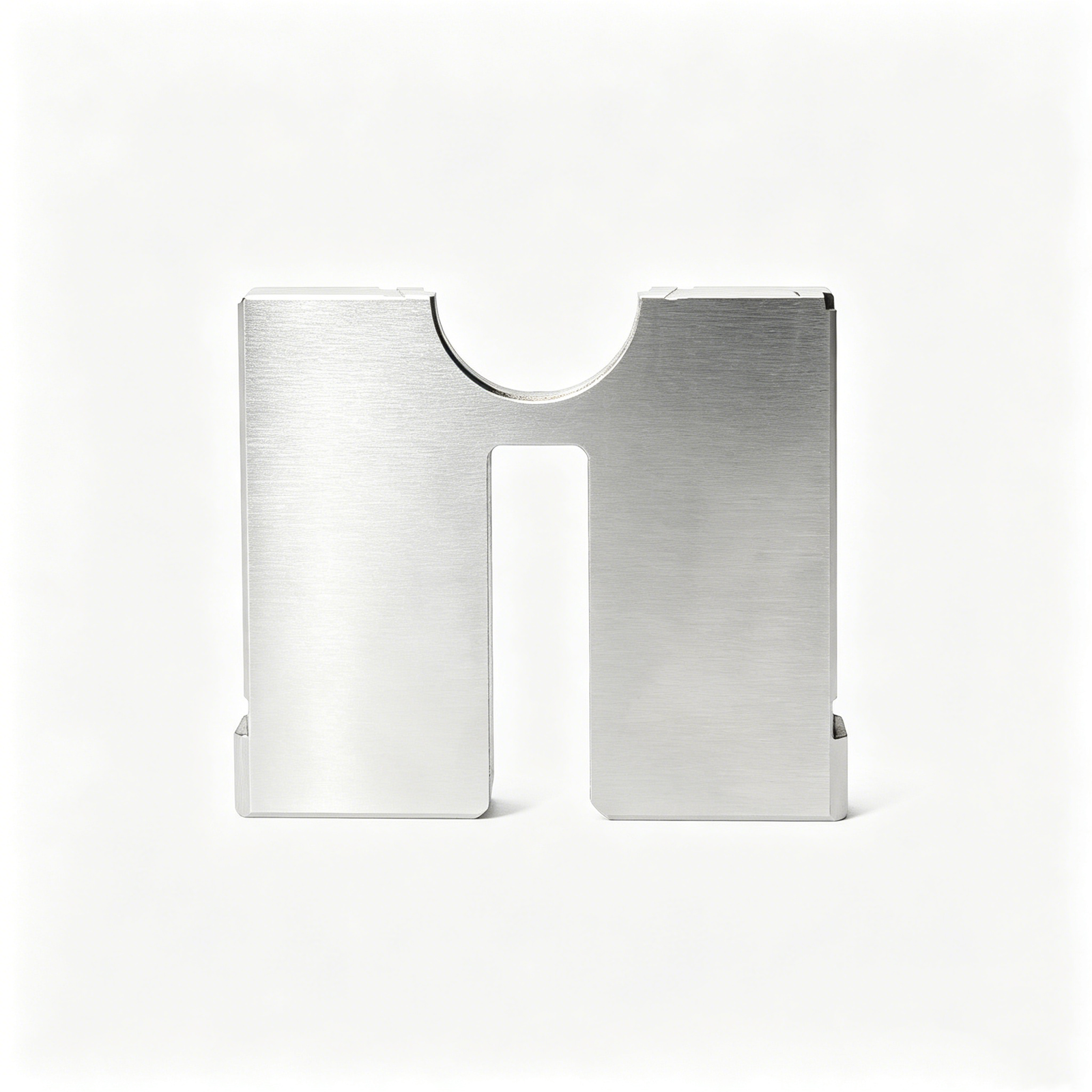
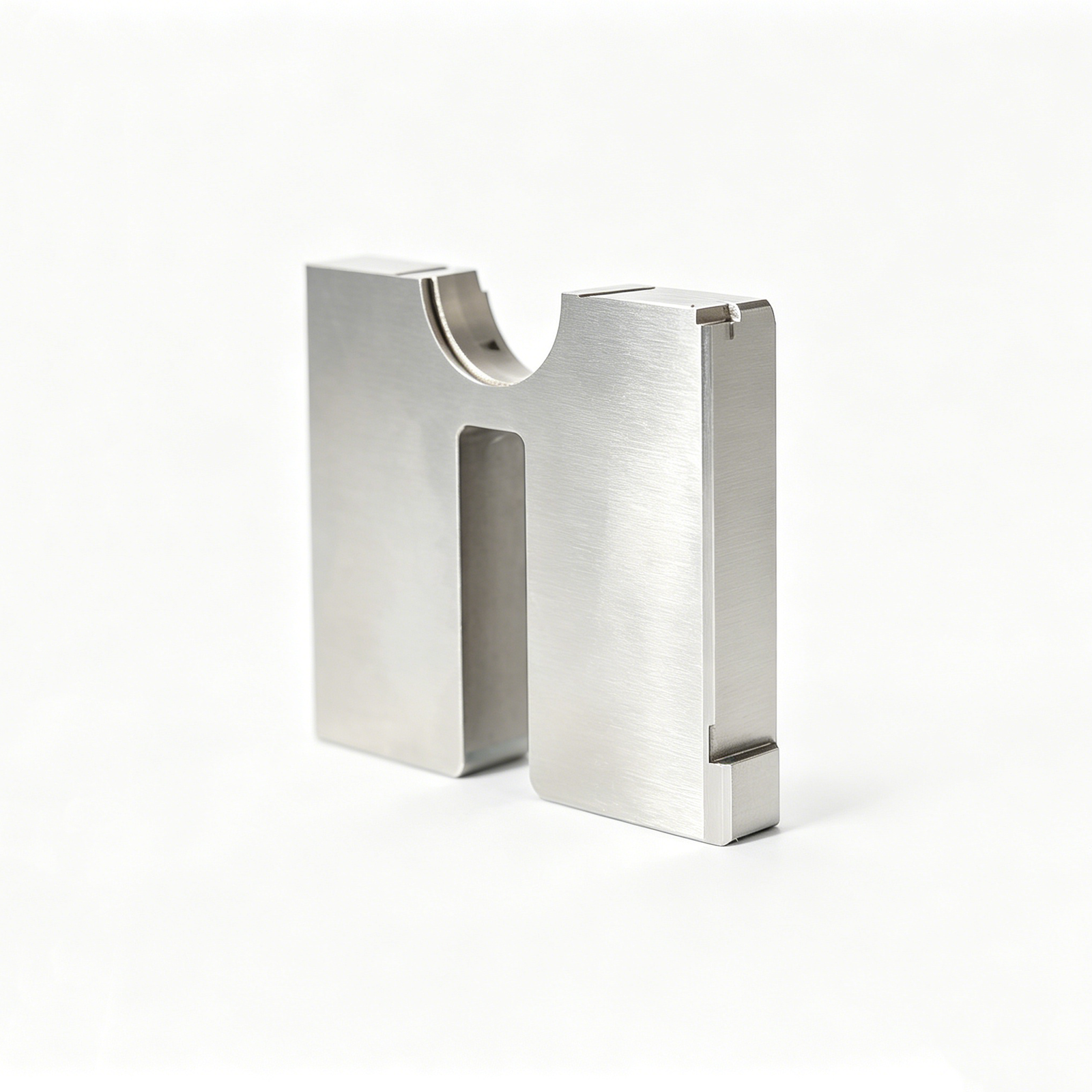
E Cigarette Precision Mold Components for Plastic Housing Production E Cigarette Precision Mold Components (1)
Brand Xuxiang Mold
Availability Made to drawing
RFQ pricing
Quote from STEP / PDF & quantity
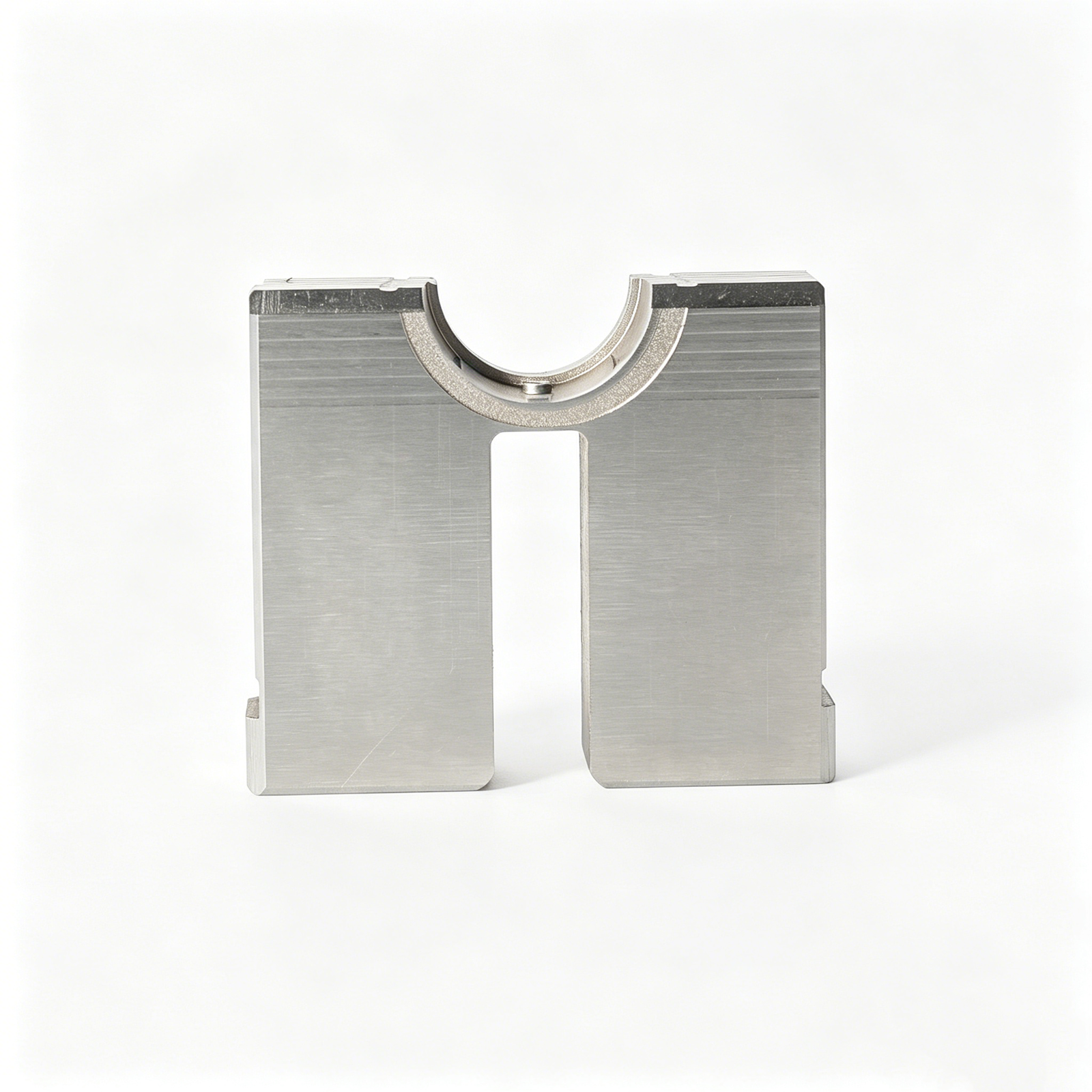
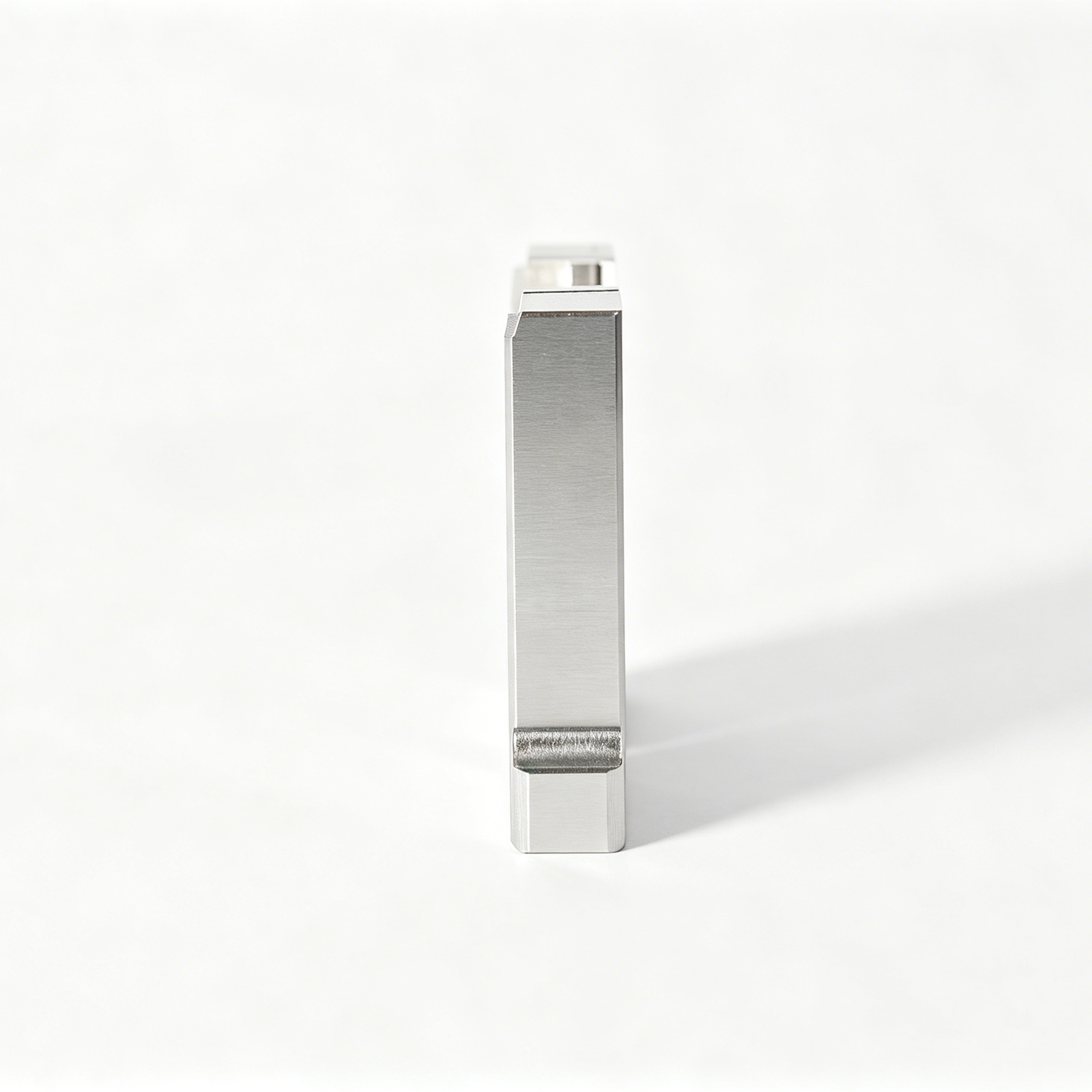
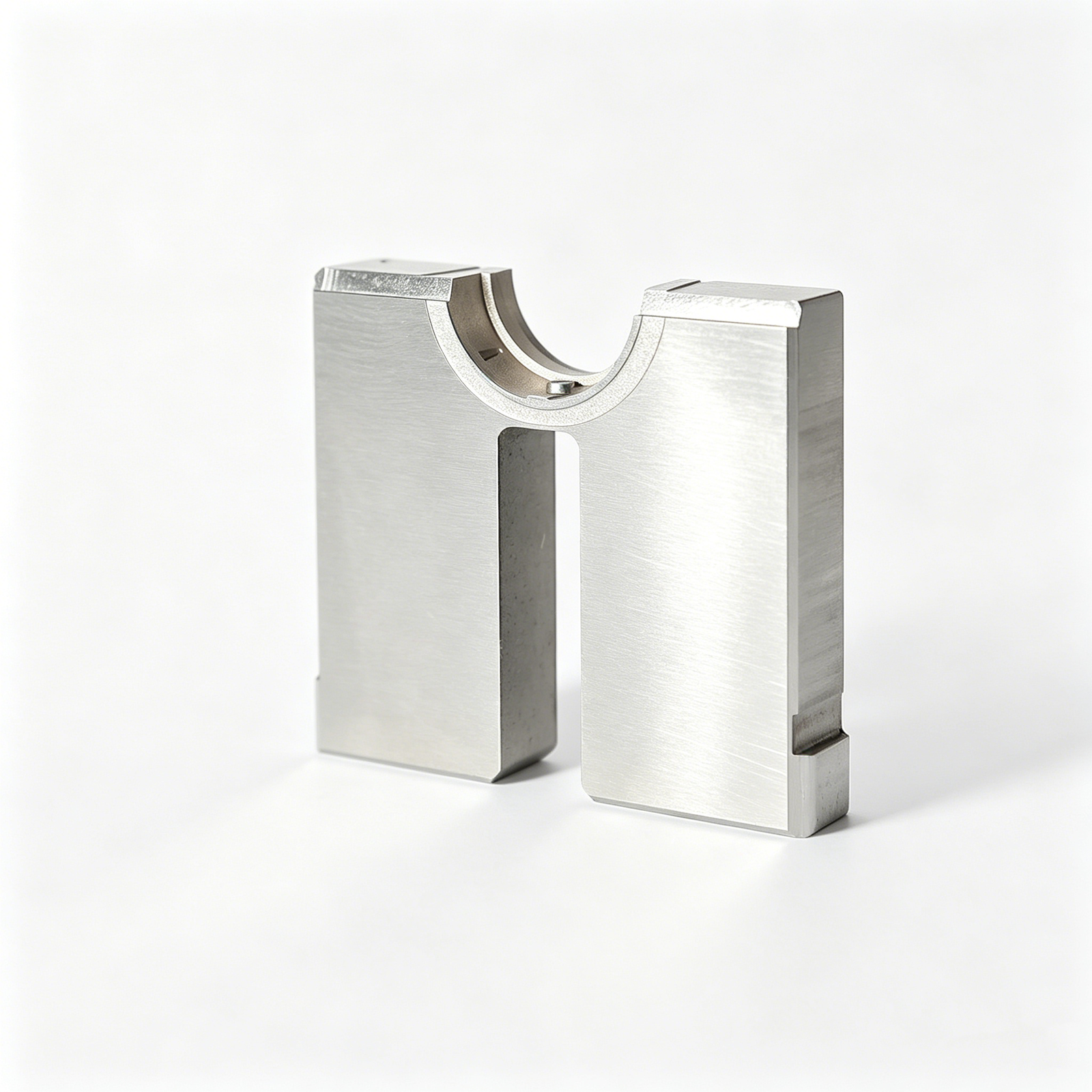
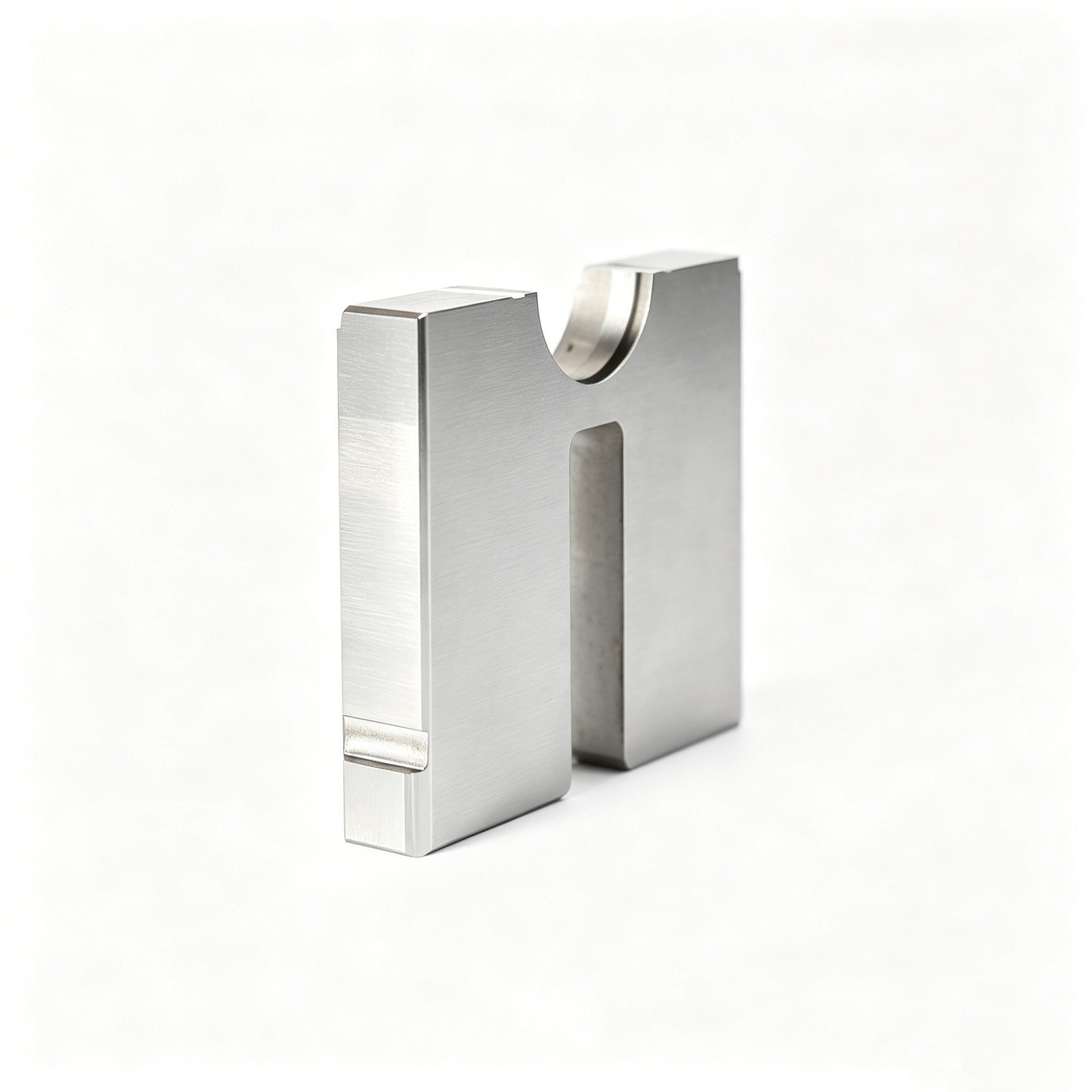
Build consistent, high-fit vape parts with E Cigarette Precision Mold Components designed to support clean forming, stable assembly, and repeatable output. These components help mold makers produce detailed housings and related parts with the accuracy needed for modern electronic cigarette designs. They are a practical choice for projects that prioritize surface quality, dimensional control, and dependable manufacturing flow. Whether you are launching a new enclosure or improving an existing mold, they support efficient production from prototype to volume runs.
(E Cigarette Precision Mold Components (1))
- ISO 9001:2015–oriented process & documented inspection paths
- Zeiss / Nikon class metrology available for critical dimensions
- DFM feedback from 10+ senior tooling engineers
- Dongguan HQ + Quanzhou capacity for volume programs
E Cigarette Precision Mold Components (1)
Precision Mold Components for E-Cigarette Housing Production
E Cigarette Precision Mold Components are designed for manufacturers working on electronic cigarette housings, structural plastic parts, and other compact vape-device elements that demand close dimensional control. In this category, the mold itself often determines whether the finished part fits properly, looks clean, and assembles smoothly. Precision components support that process by helping the mold maintain alignment, consistency, and reliable repeatability across production cycles.
Because e-cigarette products typically combine tight internal space with visible exterior surfaces, mold quality matters at both the functional and cosmetic level. Precision components are commonly used in tooling for housing shells, covers, small internal supports, and fitted plastic features where a minor mismatch can affect the final product. For that reason, buyers often look for components that improve stability during injection molding while also supporting polished part appearance and efficient maintenance.
Industry references for electronic cigarette construction show that these products can include multiple integrated parts such as a mouthpiece, cartridge section, atomizer area, battery housing, and indicator elements, which makes mold accuracy especially important.[2] Related manufacturing listings also highlight precision e-cigarette plastic housing molds and component tooling for this product type.[1][7][10]
Key Features and Benefits
These mold components are valued for their role in producing repeatable, production-ready parts. Instead of focusing on one single end-use shape, they support the broader tooling system that shapes the final plastic piece. That makes them useful for factories, mold builders, and OEM/ODM development teams that need dependable results across many cycles.
Accuracy and fit are central benefits. Precision components help reduce variation in cavity alignment, parting consistency, and ejection behavior, which can improve the fit of finished plastic parts. This is especially important for compact consumer electronics, where the tolerance window is often narrow.
Production stability is another major advantage. Better component quality can support smoother mold operation, fewer interruptions, and less rework during long production runs. For buyers managing high-volume orders, that can translate into more predictable output and better overall process control.
Surface quality support is also important in this industry. E-cigarette enclosures are often consumer-facing parts, so the mold system needs to help deliver clean edges, sharp detail, and an attractive finished surface. Precision tooling components contribute to the mold’s ability to hold shape and reproduce design detail consistently.
Maintenance-friendly design can be valuable as well. Mold components that are easier to inspect, replace, or service help reduce downtime and keep production schedules moving. For buyers evaluating tooling investments, this can be a practical factor alongside fit and finish.
| Attribute | What to Expect |
|---|---|
| Product type | Precision mold components for e-cigarette-related plastic tooling |
| Main use | Supporting injection molds for housings, shells, and fitted plastic parts |
| Compatibility | Best matched to custom mold designs for electronic cigarette production |
| Performance goal | Stable alignment, repeatable molding, and clean part reproduction |
| Finish support | Helps maintain cosmetic quality for visible consumer product parts |
| Customization | Often selected according to mold structure, cavity layout, and production requirements |
| Maintenance | Designed for inspection, replacement, and ongoing tooling upkeep |
Where These Components Fit in the Manufacturing Process
E-cigarette products are typically produced through precision plastic injection molding, especially for outer housings and structural parts.[5][6][8] In that workflow, mold components play a behind-the-scenes role: they help the tool open, close, guide, support, eject, and maintain alignment during repeated cycles. When those elements perform well, the resulting parts are more likely to meet both functional and visual expectations.
These components are especially useful for:
- Electronic cigarette housing molds
- Plastic shell and enclosure tooling
- Compact consumer electronics molds
- Prototype-to-production mold development
- High-volume injection molding programs
Manufacturers often choose precision components when they need a better balance of speed, durability, and consistency. In smaller devices, even modest tooling imperfections can become visible in the final assembly, so accurate mold support parts can make a meaningful difference in output quality.
Buying and Care Guidance
When selecting mold components for e-cigarette projects, it is important to match the part to the mold design rather than choosing by description alone. Compatibility with the cavity layout, ejection method, and overall tool architecture should be confirmed before production. Buyers should also consider the expected run length, because higher-volume programs often place greater demands on wear resistance and maintenance planning.
For care, keep mold components clean, inspect them regularly for wear or buildup, and replace parts before damage spreads to the wider tool. Routine maintenance helps preserve part consistency and can reduce unexpected downtime. If you are sourcing for a custom project, ask about material selection, tolerances, surface treatment options, and replacement availability so the tooling can be supported over time.
Because this product category is linked to regulated consumer goods, many buyers also review local compliance and product-development requirements during sourcing. The most effective purchasing process is one that combines tooling precision, practical maintainability, and clear production planning.
FAQ
How are these mold components shipped?
Shipping methods usually depend on order size, destination, and whether the components are standard or custom-made. For tooling projects, suppliers commonly package parts for protection against impact, moisture, and surface damage during transit.
Are these components compatible with all e-cigarette molds?
No. Compatibility depends on the mold structure, cavity design, and the specific function of each component. Buyers should confirm dimensions, mounting style, and tooling requirements before ordering.
What are these components used for in production?
They support the injection mold that forms e-cigarette housings and related plastic parts. Their role is to help maintain alignment, control movement, and support repeatable part quality.
How should mold components be maintained?
Clean them regularly, inspect for wear, and monitor any signs of misalignment or buildup. Preventive maintenance helps extend tooling life and improves consistency across production runs.
Can they be used for prototype molds?
Yes, precision components can be used in both prototype and mass-production tooling, depending on the mold design and project requirements. Prototype work often benefits from components that are easy to adjust and service.
What should I check before buying?
Confirm fit, function, expected production volume, material expectations, and replacement support. It is also helpful to review whether the supplier can work from drawings, samples, or an existing mold specification.
Do suppliers usually offer custom options?
Many mold suppliers provide custom-made tooling components for specialized e-cigarette projects. Customization is often based on the mold layout, target part geometry, and production goals.
What is the return or warranty process?
Warranty and returns vary by supplier and contract terms. Before purchase, ask what is covered, how defects are evaluated, and whether replacement parts or remanufacturing are available.
Same drawing, predictable results—next batch
Share revision, quantity ramp, and inspection level. We quote process route, ship date, and documentation in one structured response.