
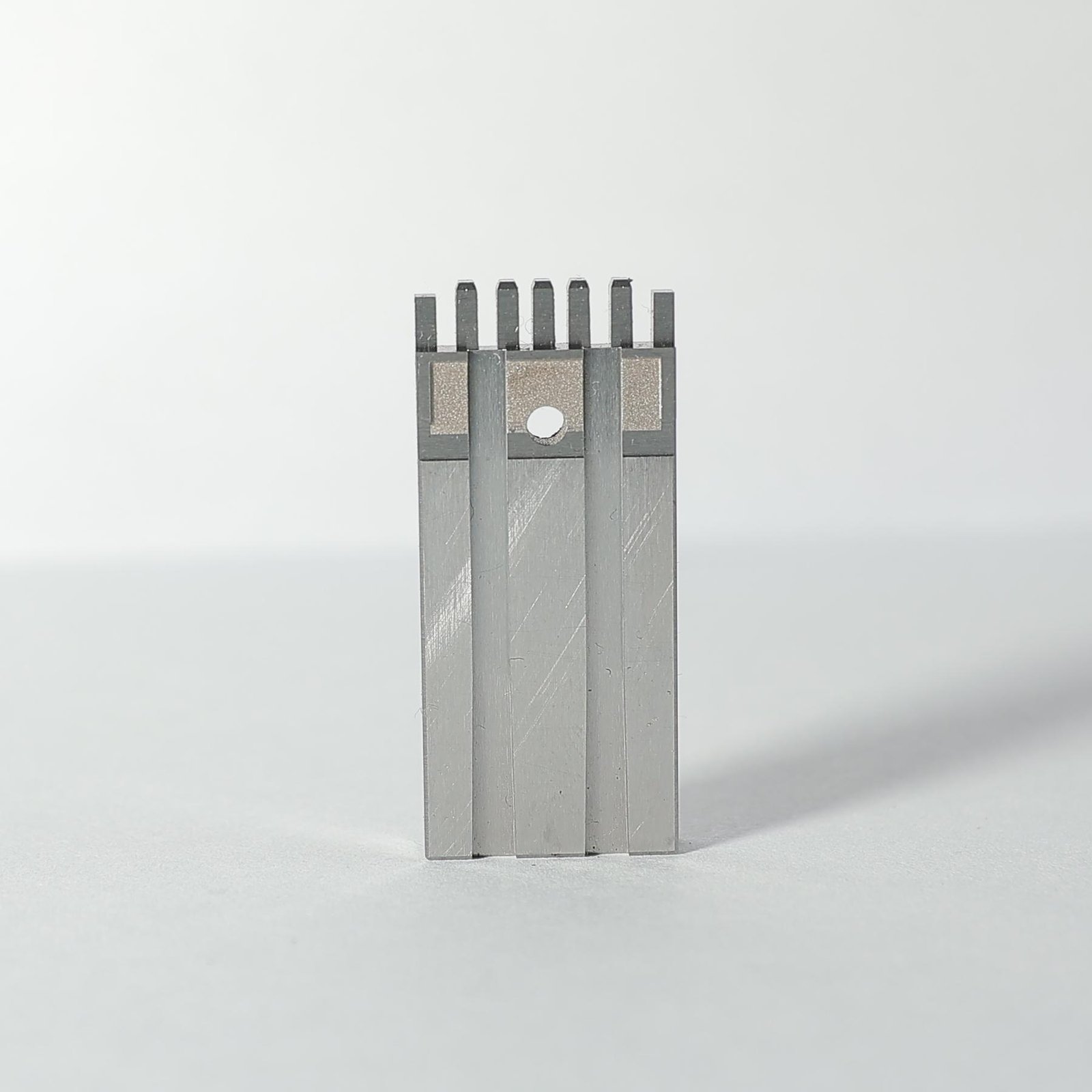
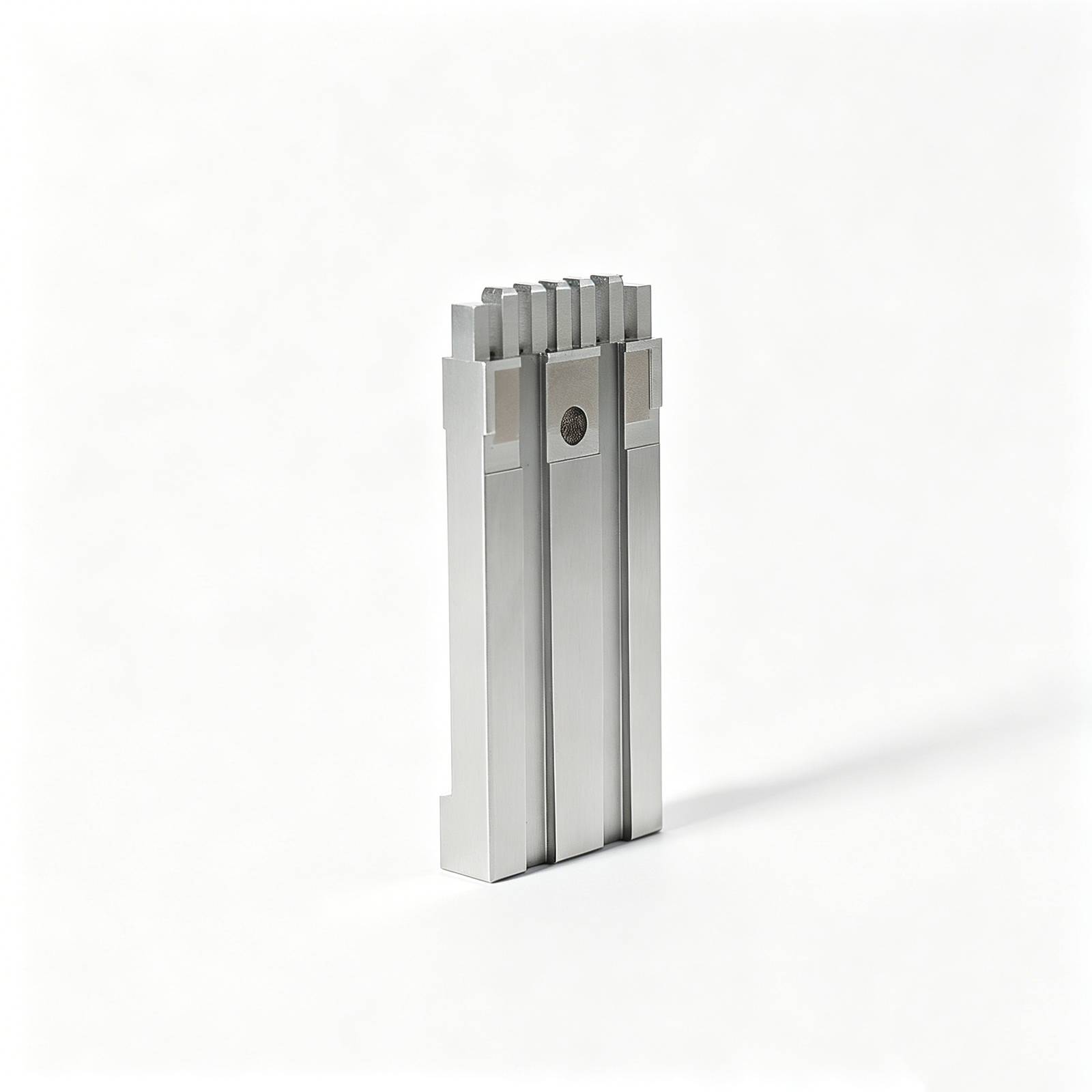
Plastic film parts · Precision mold insert
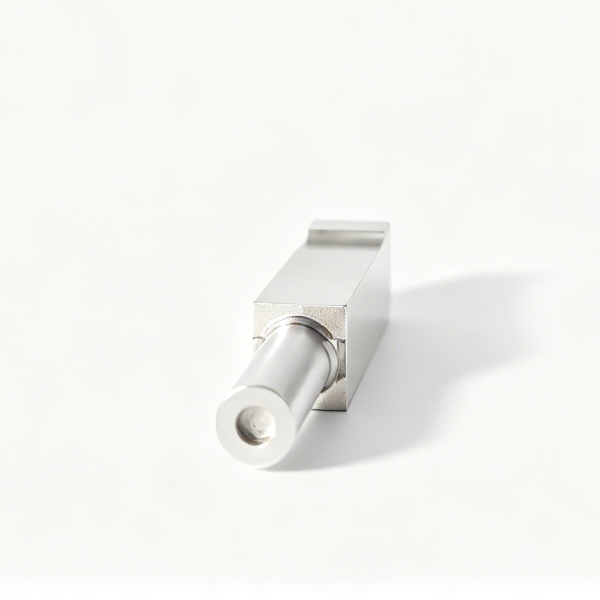
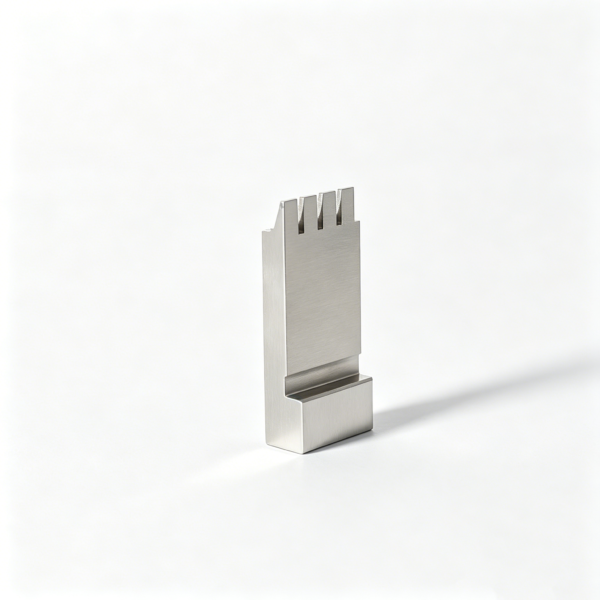
Precision Mold Components for Automotive Connectors
Brand Xuxiang Mold
Availability Made to drawing
RFQ pricing
Quote from STEP / PDF & quantity
Build cleaner, more reliable connector tooling with Precision mold components for automotive connectors designed for repeatable fit and stable production. These parts help support tight alignment, smoother molding, and consistent output where automotive electrical connectors demand accuracy. Ideal for manufacturers looking to reduce trial-and-error in tooling and improve the quality of molded connector parts. A strong choice when precision, durability, and dependable assembly matter most.
- ISO 9001:2015–oriented process & documented inspection paths
- Zeiss / Nikon class metrology available for critical dimensions
- DFM feedback from 10+ senior tooling engineers
- Dongguan HQ + Quanzhou capacity for volume programs
Precision tooling built for automotive connector production
Precision mold components for automotive connectors are the critical working parts inside connector molds that help shape, support, and release high-accuracy plastic connector bodies and related features. In automotive applications, connector geometry must stay consistent from cavity to cavity so the finished parts mate correctly, maintain electrical integrity, and perform under vibration, heat, and long service cycles. These components are typically used in mold structures for automotive-grade electrical connectors, where stable processing and tight dimensional control are essential.
Because automotive connectors often include fine walls, latch features, terminal slots, sealing zones, and intricate alignment details, the mold parts that create those features must be carefully engineered. That is why buyers of connector tooling usually look for high-precision inserts, cavity blocks, core parts, and other customized mold elements that can support clean molding and efficient maintenance. The focus is not only on shape accuracy, but also on wear resistance, polish quality, and repeatable performance over many production cycles.
Key features and production benefits
These mold components are selected to help manufacturers achieve consistent part quality while keeping tooling stable and serviceable. They are commonly produced through a controlled process involving CAD-based design, material selection, CNC machining, EDM, grinding, polishing, assembly, and testing. That workflow is important because connector molds often demand fine details and smooth surfaces that reduce flash, improve ejection, and support reliable mold trials.
For buyers, the main benefits are better dimensional consistency, improved surface finish, and more predictable molding behavior. In production terms, that can mean fewer defects, less rework, and smoother fitting of connector housings and mating features. When the mold parts are engineered well, they also make maintenance easier, because wear-prone sections can often be serviced or replaced without rebuilding the entire tool.
Material selection is another major advantage area. Depending on the design and working conditions, mold components may be built from hardened steel, pre-hardened steel, aluminum, or beryllium copper alloy. The right choice depends on expected wear, thermal behavior, production volume, and the level of detail required in the connector design.
Typical attributes
| Attribute | Details |
|---|---|
| Product type | Precision mold components for automotive connector tooling |
| Primary use | Support the manufacture of automotive electrical connector parts |
| Common component forms | Cavity inserts, core inserts, cavity blocks, mold base elements, custom tooling parts |
| Manufacturing methods | CNC machining, EDM, grinding, polishing, assembly, testing |
| Material options | Hardened steel, pre-hardened steel, aluminum, beryllium copper alloy |
| Performance focus | Dimensional accuracy, surface finish, wear resistance, repeatability |
| Customization | Typically customized to connector design, mold structure, and process needs |
Where these components are used
These parts are suited for automotive connector mold projects involving electrical housings, terminal-support structures, sealing-related features, and other precision plastic parts. They are especially relevant for suppliers serving automotive electronics, wire harness systems, sensor connectors, control modules, and other assemblies where connector fit is mission-critical. They are also useful for mold makers who need dependable inserts and tooling elements for repeat production, tool repair, or cavity replacement.
For engineering teams, these components are valuable when a connector design includes thin ribs, small locking details, or tight mating tolerances. For procurement teams, they are a practical choice when the priority is not just the mold itself, but the long-term performance of the tooling inside that mold. In short, they are built for projects where precision directly affects product function.
Buying and maintenance guidance
When selecting precision mold components for automotive connectors, start with the connector drawing, material requirements, mold layout, and expected production volume. Clear communication about dimensions, tolerances, surface finish, and gate or cooling requirements helps reduce rework during mold build and trial runs. If the connector is sensitive to shrinkage or warpage, it is especially important to discuss filling behavior, demolding, and cooling design with the toolmaker.
For care and maintenance, keep the mold surfaces clean, dry, and properly lubricated when appropriate. Inspect wear areas regularly, especially on inserts and high-contact surfaces, and address polishing or repair needs before they affect part quality. Good maintenance extends tool life and helps preserve the precision that connector production depends on.
Because these are customized tooling parts, buyers should also confirm compatibility with the existing mold design, steel grade preferences, and any replacement or service expectations. A well-matched component can improve not only the first trial, but also the long-term stability of the entire production process.
FAQ
How are these components usually shipped?
They are typically packed for industrial transport with protection against corrosion, impact, and surface damage. Shipping method and packaging often depend on size, finishing requirements, and destination.
Are these mold components compatible with all automotive connector molds?
No, compatibility depends on the connector drawing, mold structure, cavity layout, and dimensional requirements. These parts are usually made to match a specific tooling design rather than sold as universal fit items.
What information should I provide before ordering?
Provide drawings, tolerance targets, material preferences, connector application details, and any surface finish or heat treatment requirements. The more complete the data, the better the fit and performance of the finished component.
What is the best way to use these parts in production?
Use them as precision elements within the mold assembly for forming automotive connector parts. They work best when the mold design, cooling plan, and ejection system are all aligned with the connector geometry.
How should I maintain them?
Clean them regularly, protect polished surfaces, and inspect for wear or buildup after production runs. Routine maintenance helps preserve precision and reduces the risk of flash, sticking, or surface defects.
Can worn parts be replaced individually?
In many mold designs, yes. Replaceable inserts and modular tooling layouts can make service faster and more cost-effective than rebuilding the entire mold.
Do these components come with a warranty or return option?
Warranty and return terms depend on the supplier and the customization level of the part. For made-to-order tooling, buyers usually confirm acceptance criteria, inspection standards, and after-sales support before purchase.
What should I consider for sizing and fit?
Check the connector’s mating dimensions, wall thickness, draft angles, and any undercut or latch features. Fit accuracy is critical because small deviations can affect assembly, sealing, and electrical performance.
Related products
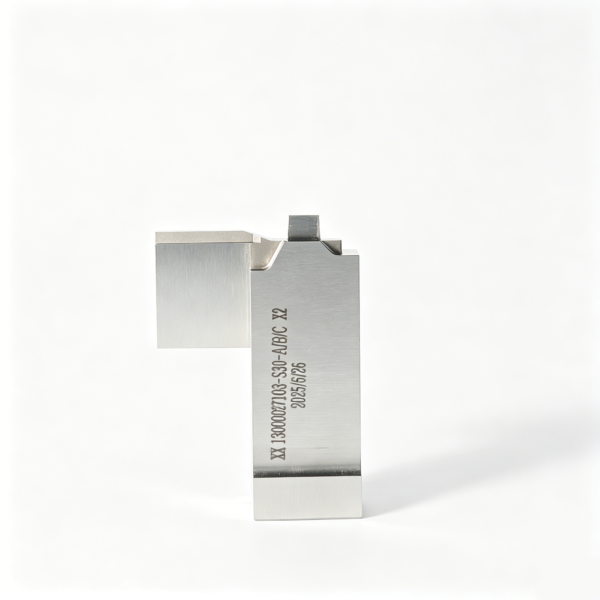
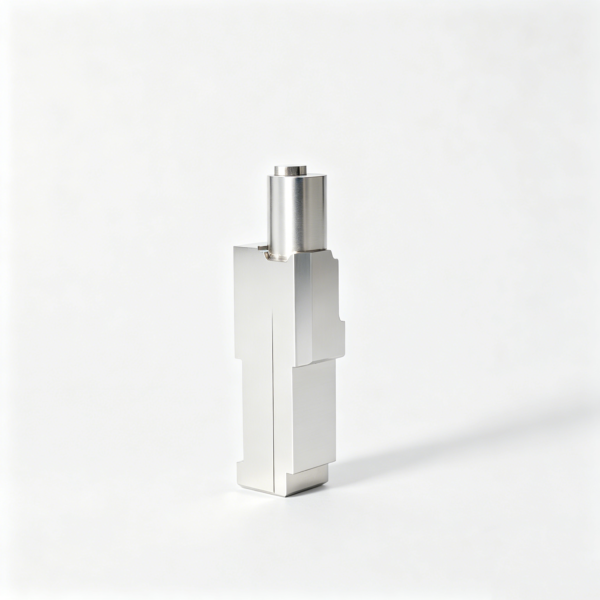
Same drawing, predictable results—next batch
Share revision, quantity ramp, and inspection level. We quote process route, ship date, and documentation in one structured response.