
Plastic film parts · Precision mold insert
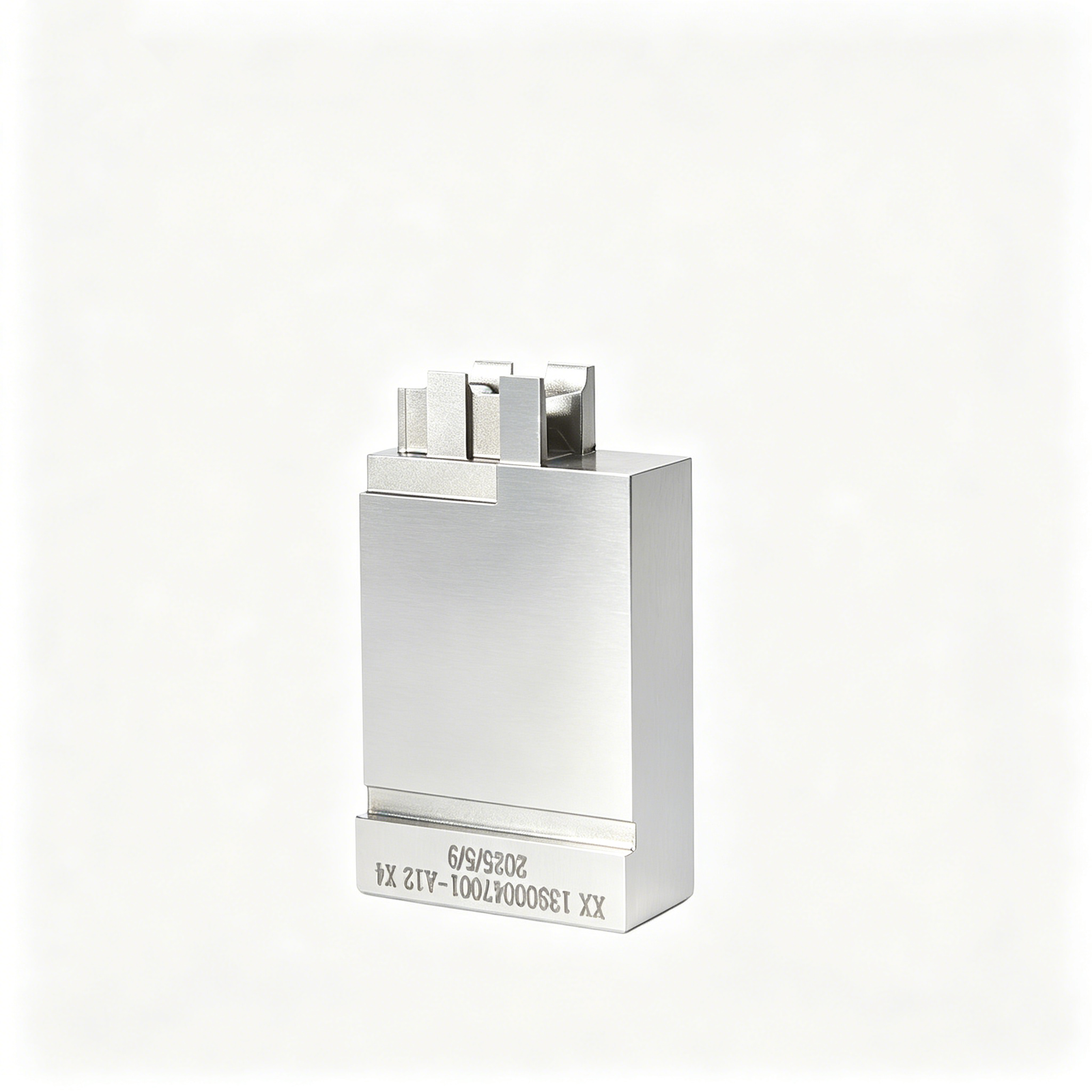
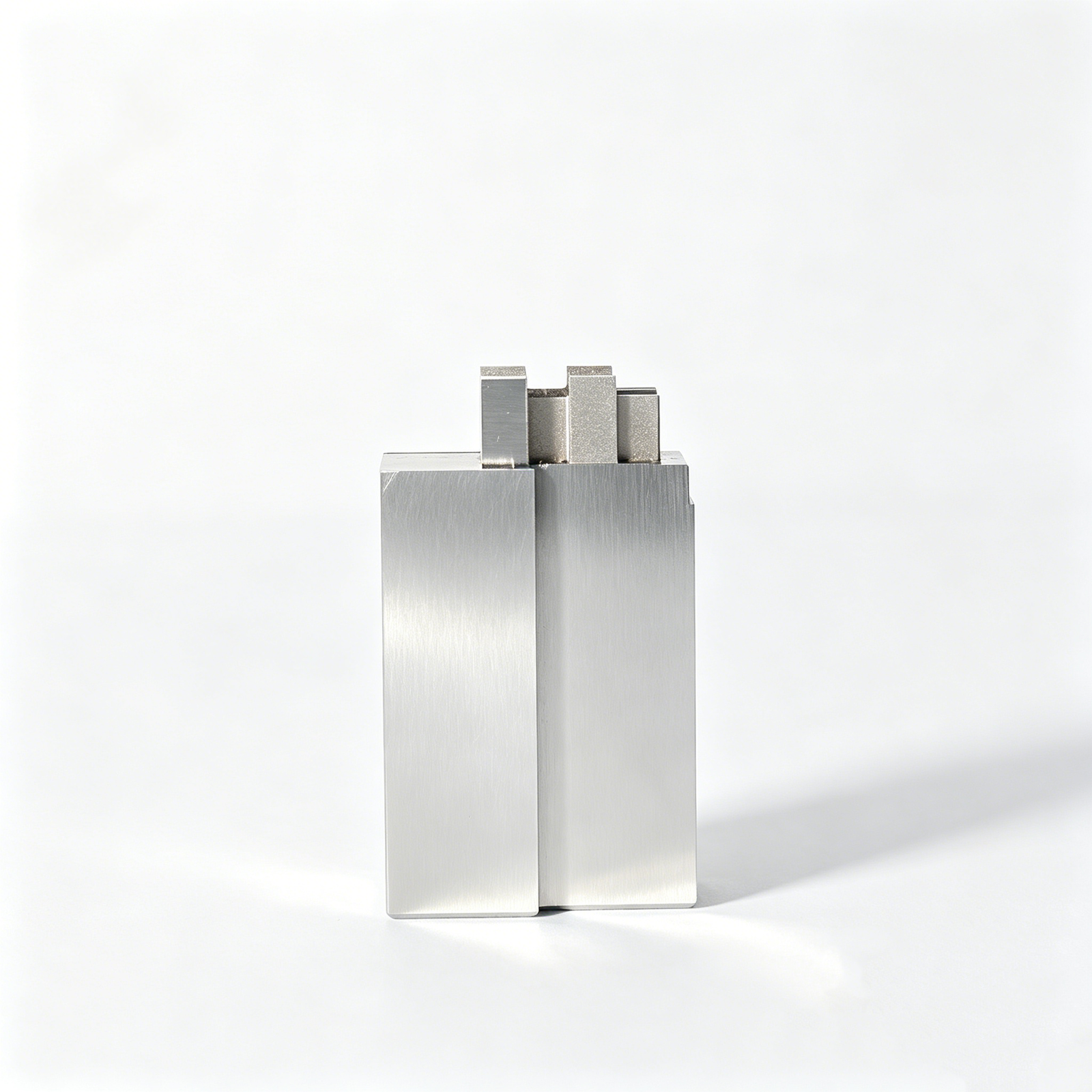
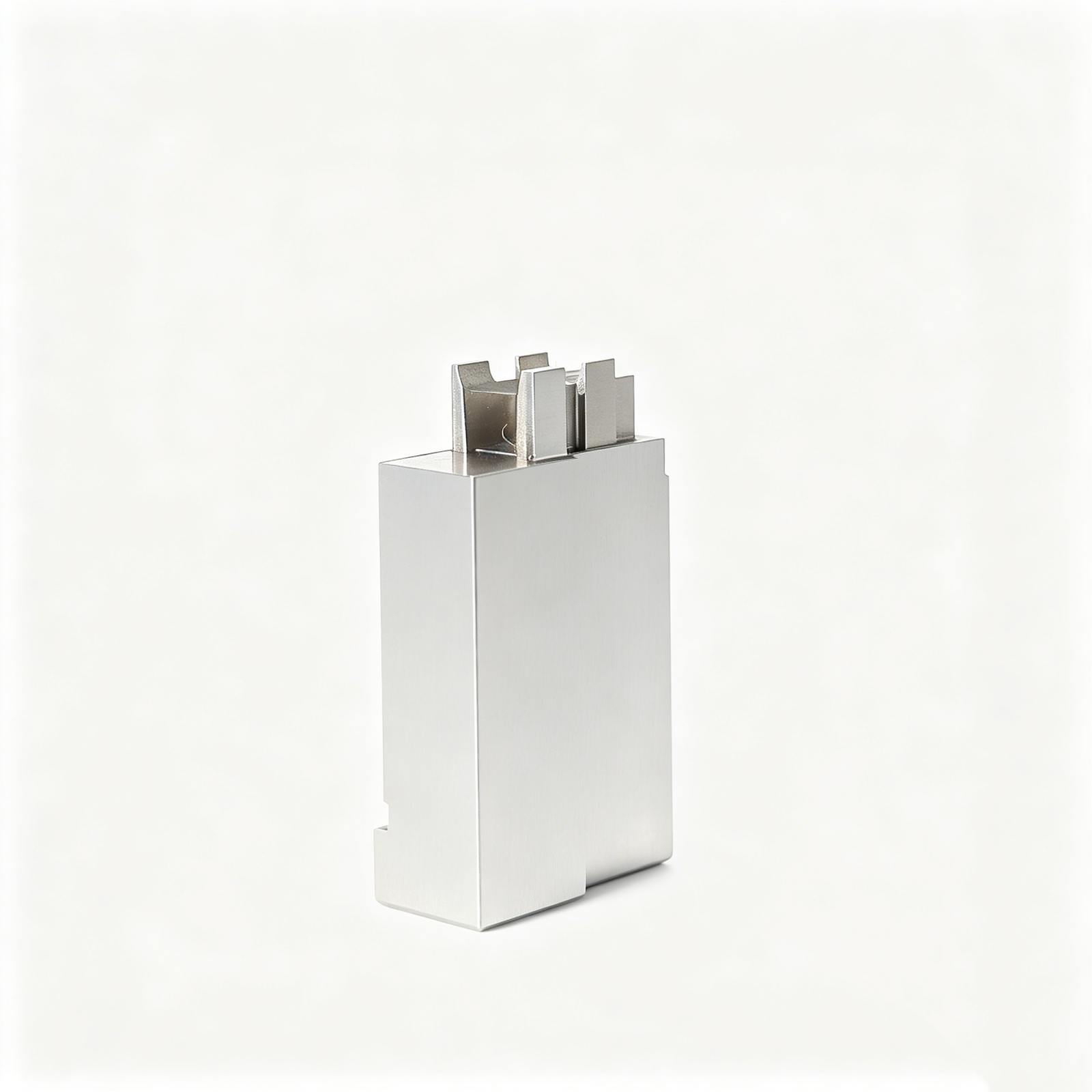
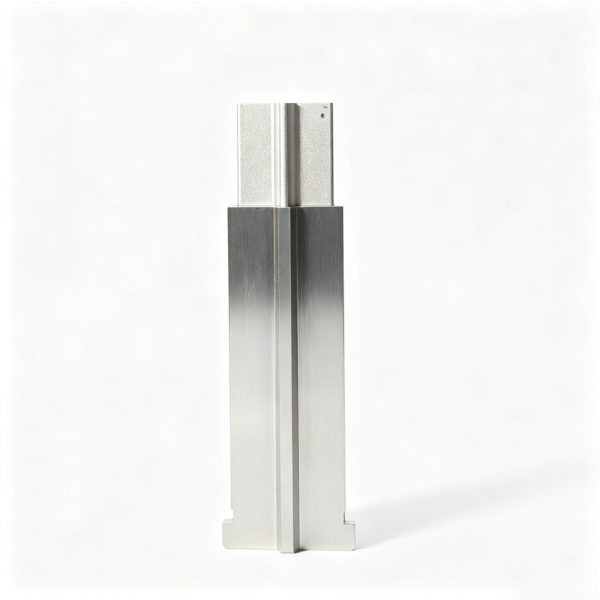
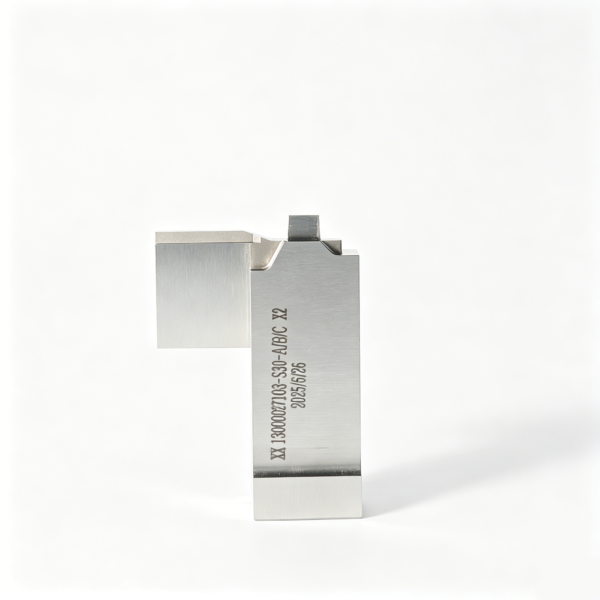
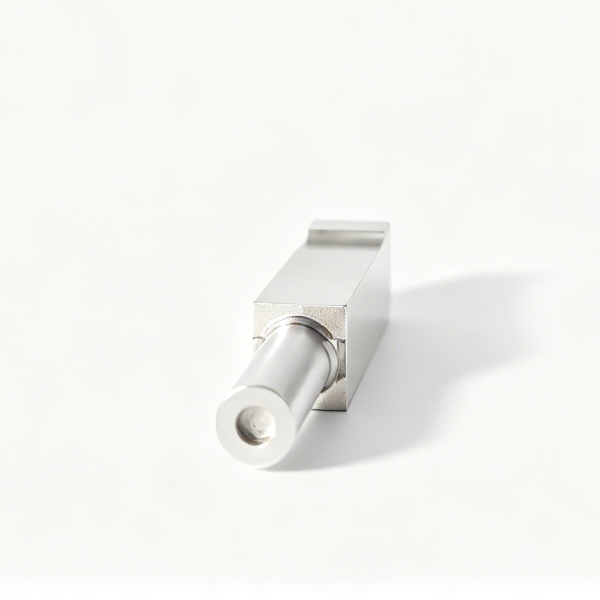
Precision Mold Components for Automotive Connectors – Micron-Level Insert & Core Set
Brand Xuxiang Mold
Availability Made to drawing
RFQ pricing
Quote from STEP / PDF & quantity
Engineered for demanding connector tooling, these precision mold components for automotive connectors help you achieve repeatable, micron-level part accuracy across long production runs. Optimized core pins, inserts, sleeves and ejector elements support fine-pitch terminal spacing and complex housing geometries without flash. High-stability tool steels and polished molding surfaces improve fill, reduce sticking and minimize downtime for adjustment. Whether you are building a new connector mold or refurbishing an existing tool, this set enables consistent cycle-to-cycle performance for OEM and Tier 1 projects.
- ISO 9001:2015–oriented process & documented inspection paths
- Zeiss / Nikon class metrology available for critical dimensions
- DFM feedback from 10+ senior tooling engineers
- Dongguan HQ + Quanzhou capacity for volume programs
Precision Mold Components for Automotive Connectors – Built for Stable, Micron-Level Connector Tooling
Automotive electrical connectors demand extremely tight dimensional control, clean parting lines and reliable engagement with mating terminals. To achieve this level of performance, the quality of the precision mold components for automotive connectors inside your tool is critical. This specialized component set is designed specifically for connector molds, helping you produce housings, plugs, headers and sockets that meet modern vehicle electrical and safety standards.
Used by OEM and Tier 1 suppliers, these components are tailored for high-cavitation, multi-row connector tools where even a small deviation can lead to misfit, poor sealing or assembly issues. By combining fine-tolerance cores, cavities, sleeves and ejector elements with optimized surface finishes and robust materials, the set supports high-speed injection molding while maintaining stable dimensions over long production campaigns.
Key Features & Performance Advantages
Every element in this component set is developed around the specific challenges of automotive connector molding, from fine-pitch terminal windows to complex locking and latch structures.
- Micron-range tolerances on critical features such as terminal slots, sealing interfaces and alignment bosses support reliable mating performance and electrical contact positioning.
- Optimized for fine-pitch connectors, enabling stable molding of small terminal spacing, narrow ribs and thin walls often used in modern compact connector designs.
- High-hardness tool steel construction (commonly used grades for connector molds) for resistance to wear, galling and deformation in high-cavity, high-shot environments.
- Polished and textured working surfaces in critical areas to improve resin flow, reduce shear-induced stress and lower the risk of part sticking or whitening.
- Precision alignment and location features help maintain cavity-to-core registration across the full mold base, reducing flash and mismatch that can compromise sealing performance.
- Support for complex demolding concepts, including slender ejector pins, sleeves and lifter-ready areas to release undercuts, latch features and secondary locking details.
- Consistent dimensional stability over long runs, helping you reduce in-process adjustments, cavity tuning and unplanned stoppages.
By focusing on the geometry of connector housings and their functional interfaces, these components help your tooling produce parts that assemble smoothly, pass leak and vibration testing, and maintain performance in harsh automotive environments.
Specifications & Typical Configuration
This set can be configured for new tool builds, mold refurbishments or partial upgrades. Actual dimensions and material grades are selected to match your connector drawings, mold base concept and resin choice.
| Attribute | Description |
|---|---|
| Product type | Precision mold components set for automotive connector injection molds |
| Typical components | Core pins, cavity inserts, sleeves, ejector pins, guide elements and related precision tooling parts |
| Application focus | Automotive electrical connectors, plugs, sockets, headers and multi-pin housings |
| Dimensional control | Fine-tolerance geometries suitable for tight connector terminal spacing and sealing interfaces |
| Material category | High-quality mold steels selected for wear resistance, toughness and dimensional stability under thermal cycling |
| Surface finishing | Precision grinding and polishing; local texturing or microfinishing where required for resin flow and venting |
| Mold compatibility | Designed for use in multi-cavity, high-cavitation and family molds for injection-molded connector parts |
| Resin compatibility | Suitable for common connector resins such as engineering thermoplastics used in automotive electrical systems |
| Customization | Dimensions, geometries and component mix can be tailored to customer connector drawings and tool concepts |
| Typical use | New mold build, cavity/core refurbishment, connector family expansion or performance upgrade projects |
Typical Use Cases & Who This Set Is For
These precision mold components are intended for professional toolrooms, mold makers and manufacturers working with automotive electrical systems. They provide particular value in the following scenarios:
- New connector platform molds where you need to validate new housing designs, multi-row pin layouts or more compact connector families without compromising on dimensional accuracy.
- SOP-critical tooling where connector molds must reach target cavitation and cycle time quickly while maintaining extremely low scrap rates.
- Refurbishment of existing tools that suffer from wear-induced flash, dimensional drift or recurring quality issues in fine connector features.
- Platform carry-over projects where adapting existing connectors to new modules or harness layouts requires limited but precise core and cavity changes.
- High-mix production environments where interchangeable inserts and pins allow quick changeovers between connector variants, pin counts or keying options.
Designers, project engineers and process technicians who are responsible for connector performance, leak tests and end-of-line electrical checks will benefit from the stable, repeatable performance these components bring to the mold.
Selection, Care & Buying Guidance
Choosing the right mold components for connector tooling requires balancing geometric complexity, expected production volume and resin behavior. When specifying your set, consider the following aspects:
- Connector family and pin count: Share full CAD data showing terminal windows, sealing features, latch details and strain relief structures so that the component geometry can be matched precisely.
- Mold layout and cavitation: Information about the number of cavities, gating concept, runner layout and demolding system helps determine which core pins, sleeves and ejector elements are most suitable.
- Resin and operating temperatures: Different engineering plastics have specific shrinkage, abrasion and chemical behavior; this influences the recommended material grades and surface finishes.
- Target cycle time and life expectancy: High-speed, high-volume programs may justify enhanced wear-resistant materials and coatings in high-stress areas.
To maintain accurate connector dimensions over the life of the tool, basic care practices are essential:
- Inspect critical inserts, cores and pins at planned intervals to identify wear before it affects part quality.
- Keep molding surfaces clean, avoiding build-up of resin deposits that can cause sticking or burn marks.
- Use suitable rust-prevention and lubrication products during storage or extended production stops.
- Replace worn pins or inserts as matched sets in multi-cavity molds to keep cavity balance and symmetry.
By pairing appropriate component selection with consistent maintenance, you can preserve connector performance and reduce downtime for rework or emergency repairs.
FAQ
Are these mold components compatible with my existing automotive connector mold?
In most cases, components can be adapted to existing connector molds as long as accurate drawings or CAD data are available. The geometry and dimensions will be matched to your current mold base, cavity layout and demolding concept to ensure proper fit and function.
What information do I need to provide when ordering for a new connector project?
For new projects, share connector housing drawings or 3D models, expected resin type, cavitation, gating direction and any special requirements such as sealing interfaces or secondary locking features. This allows the component set to be configured around your exact tooling concept.
Can these components handle high-volume automotive production?
Yes, the components are intended for high-volume connector production where stability, low scrap and long service life are critical. Material choices and surface finishes are selected to withstand repeated cycles and the abrasion associated with engineering resins.
How should I maintain the precision of core pins and cavities over time?
Regularly inspect high-stress areas, clean molding surfaces, and monitor dimensional trends in your molded connectors. When wear is detected, replace individual pins or inserts before they affect sealing, terminal alignment or latch function.
Do you support different connector families and pin counts?
Yes, components can be configured for a wide range of connector families, including low-pin-count harness connectors and high-density multi-row designs. Interchangeable inserts can also be used where the mold design allows for variant changes.
What if I change resin or add a new connector variant later?
If you change resin or introduce new variants, additional or modified cores and inserts can be supplied to match the updated design. Sharing the new material data and connector models helps ensure that dimensional and flow behavior are fully considered.
How are the components packaged and shipped?
Components are individually protected to avoid damage to critical surfaces and are typically supplied in organized sets for each cavity or mold section. Packaging is designed to facilitate easy identification and assembly in your toolroom.
What is the typical lead time and can urgent projects be accommodated?
Lead time depends on component complexity and quantity, but urgent projects are often prioritized where possible. Providing complete technical information at the start of the project helps shorten the overall delivery time.
What happens if a component arrives damaged or does not fit as expected?
If any component is damaged in transit or does not match agreed specifications, it can be reviewed and replaced according to the supplier’s quality and return policies. Detailed documentation and inspection help resolve such issues quickly.
Is there guidance available for installing the components in my mold base?
Installation guidance, including suggested fits, positioning and torque recommendations where relevant, can be provided. Clear identification of each component helps toolmakers assemble and align the mold accurately.
Related products
Same drawing, predictable results—next batch
Share revision, quantity ramp, and inspection level. We quote process route, ship date, and documentation in one structured response.