
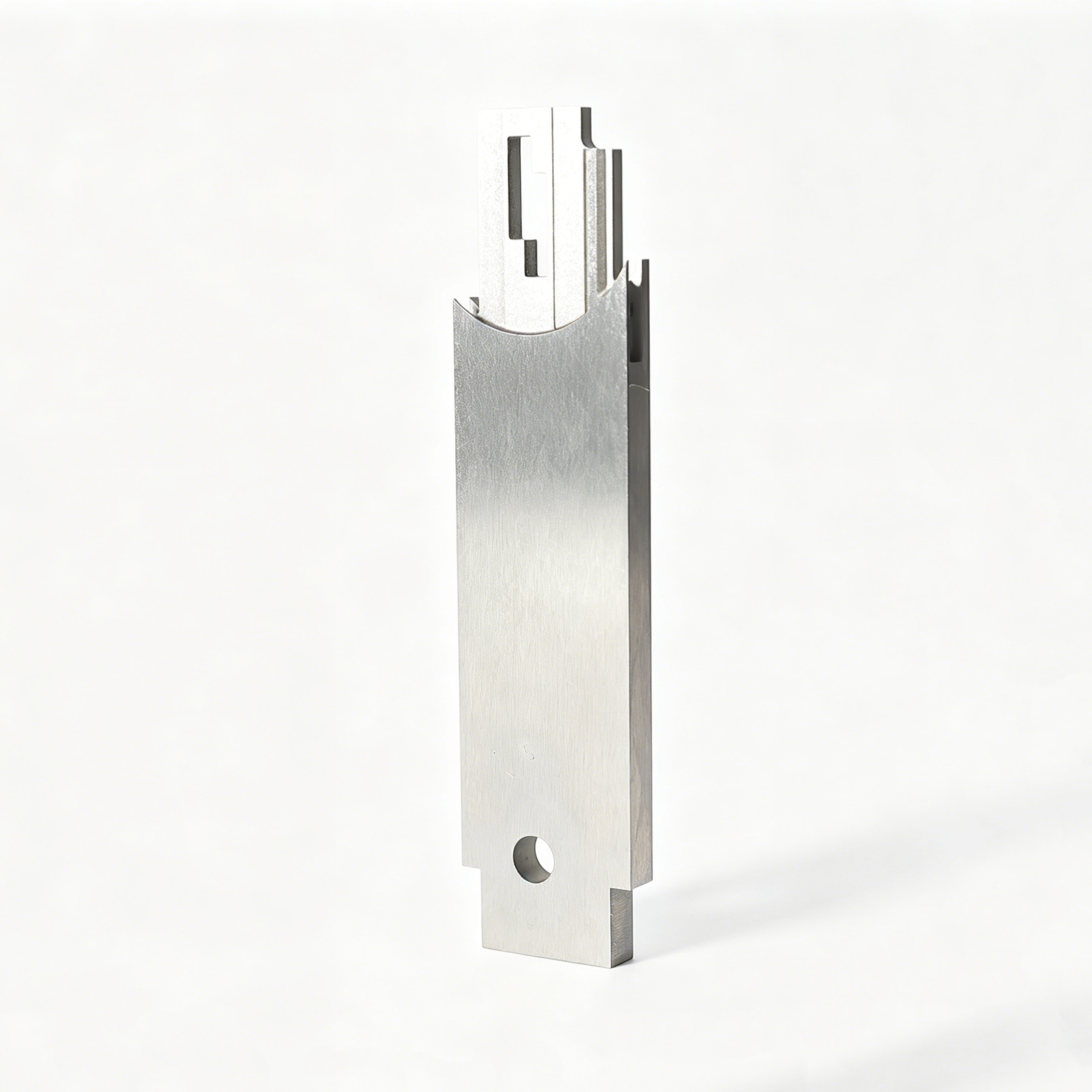
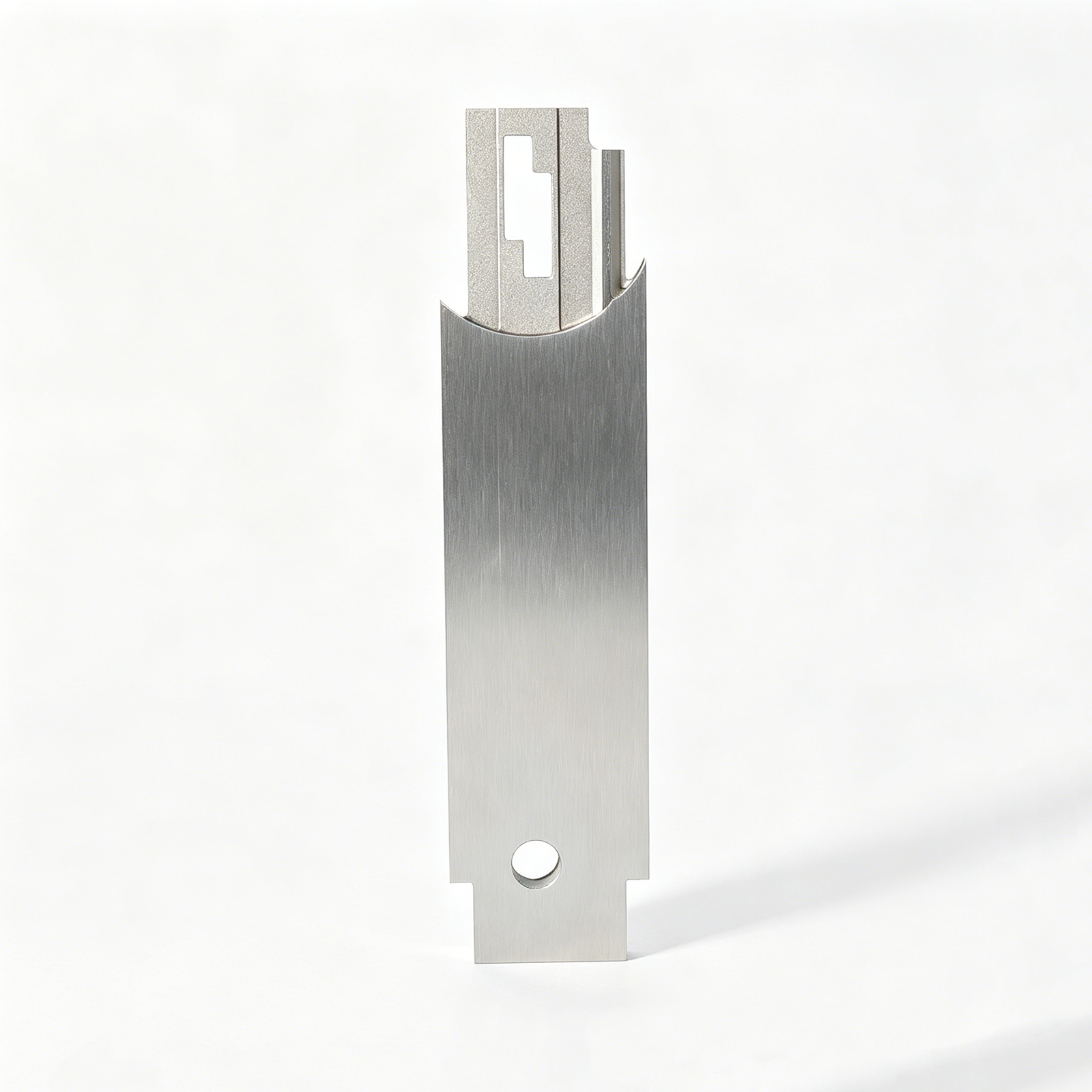
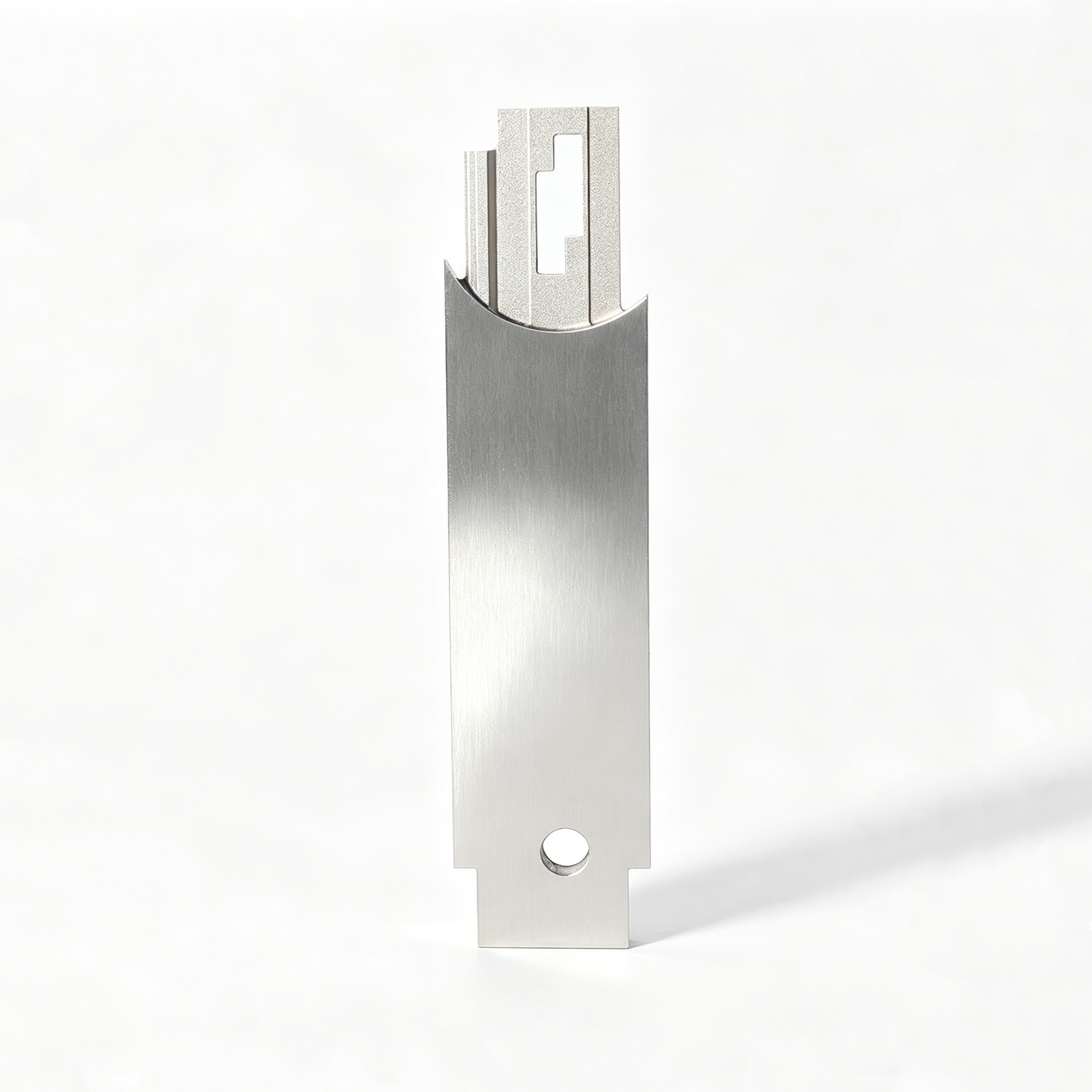
Plastic film parts · Precision mold insert
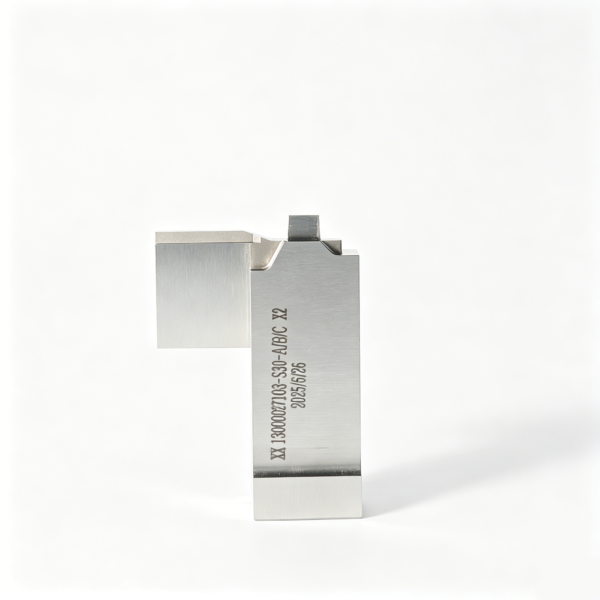
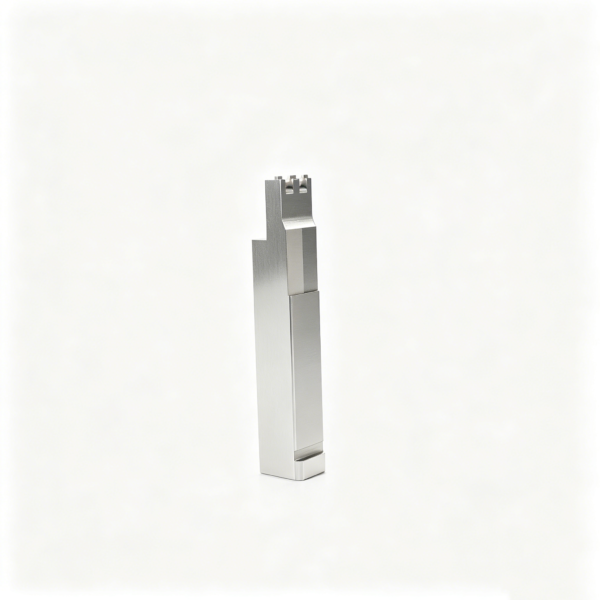
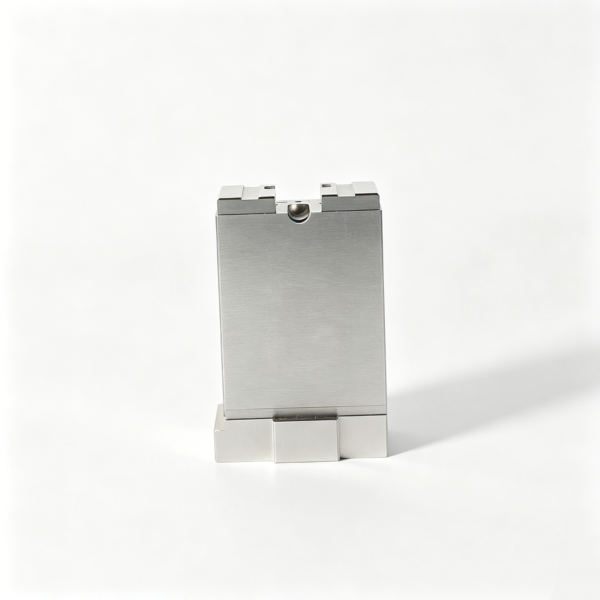
Precision Mold Components for Automotive Connectors – Connector Cavity & Core Solutions
Brand Xuxiang Mold
Availability Made to drawing
RFQ pricing
Quote from STEP / PDF & quantity
Achieve consistent, zero-compromise quality in your connector tooling with these precision mold components for automotive connectors. Engineered for demanding high-cavity molds, they help you maintain stable dimensions, clean parting lines, and reliable pin alignment over long production runs. Optimized steel grades and heat treatment options support high-temperature engineering plastics used in modern vehicle wiring systems. From prototype tools to fully automated multi-cavity molds, these components help reduce setup time, scrap, and unplanned maintenance.
- ISO 9001:2015–oriented process & documented inspection paths
- Zeiss / Nikon class metrology available for critical dimensions
- DFM feedback from 10+ senior tooling engineers
- Dongguan HQ + Quanzhou capacity for volume programs
High-Precision Tooling Components for Modern Automotive Connector Molds
Automotive electrical connectors demand extreme dimensional accuracy so that each housing mates perfectly with terminals, seals, and harness assemblies, even after years in harsh under‑hood conditions. Precision mold components for automotive connectors are the core building blocks of such tooling: carefully machined cores, cavities, sleeves, ejector elements, and alignment components that create every detail of the connector housing geometry.
These components are specially developed for plastic injection molds used to manufacture automotive plug and socket housings, sensor connectors, ECU connectors, and other critical signal and power interfaces. By choosing robust, high-precision mold parts, toolmakers and Tier‑1 suppliers can significantly improve process capability, reduce downtime, and maintain tight tolerances on fine-pitch features such as terminal slots, latch windows, and seal grooves.
In modern automotive connector mold design, mold bases, cavities, cores, inserts, ejector systems, and cooling channels must all work together to achieve reliable molding with minimal warpage and flash. Carefully specified mold components support uniform filling, controlled cooling, and smooth demolding, resulting in stable part dimensions over long production campaigns.
Key Features & Benefits
These precision components are tailored to the challenges of automotive connector molding and support both new mold builds and refurbishment of existing tools.
- Connector-Optimized Core and Cavity Geometry: Components are designed to reproduce intricate connector details such as thin walls, small ribs, keying features, and terminal windows with consistent repeatability, supporting stable electrical interface performance.
- High-Stability Steel Selection: Tool steels and corrosion-resistant grades commonly preferred in connector tooling are used to provide a balance of hardness, toughness, and polishability, suitable for engineering resins such as PA, PBT, PPS, and high‑temperature blends.
- Tight Dimensional Tolerances: Fine machining and grinding processes help maintain strict positional and dimensional control for delicate features like pin bores, terminal slots, and seal lips, reducing variation in insertion force and mating performance.
- Surface Finish Tailored to Resin Flow: Critical flow and sealing areas can be finished to the required roughness range, supporting balanced filling, reduced weld lines, and clean sealing surfaces for grommets and secondary locking devices.
- Support for High-Cavity and Family Molds: Designed with multi-cavity automotive connector tools in mind, components help maintain cavity-to-cavity consistency, enabling efficient high-volume production for harness and module manufacturers.
- Serviceable Insert Concept: Many connector molds rely on replaceable inserts for high-wear areas such as pin gates, latch details, or terminal ribs. Using standardized precision mold components simplifies repair, reduces downtime, and enables quick design revisions.
Specifications & Typical Configuration
Each tooling package is configured to the connector design and the injection molding cell. Instead of a single fixed specification, the components are engineered within common industry ranges to align with the application and resin system.
| Attribute | Description |
|---|---|
| Application Focus | Plastic injection molds for automotive electrical connectors (housings, plugs, sockets, sensor and ECU connectors). |
| Component Types | Core inserts, cavity inserts, sleeves, lifter tips, ejector-related components, locating and alignment elements. |
| Material Options | Common tool steel grades and corrosion-resistant steels selected for wear resistance and dimensional stability under repeated thermal cycling. |
| Surface Treatment | Options such as hardening, nitriding, or coating on high-wear or sliding areas, depending on resin abrasiveness and mold maintenance strategy. |
| Connector Geometry Support | Fine-pitch terminal slots, seal grooves, locking ramps, polarization keys, multi-row cavities, and small latch features. |
| Mold Type Compatibility | Suitable for single-cavity and multi-cavity connector molds, as well as family tools combining multiple connector variants. |
| Process Compatibility | Designed for use in standard and high-speed injection molding machines, with cold or hot runner systems used in connector production. |
| Customization Level | Components are typically produced according to customer drawings or 3D models, matched to OEM connector standards and mold base designs. |
| Typical Resin Families | Developed for glass-filled and unfilled engineering thermoplastics commonly used in automotive connectors. |
Use Cases & Who These Components Are For
These precision mold components are intended for professionals involved in the design, manufacture, and maintenance of automotive connector tooling. Typical users include:
- Injection Mold Makers building new tools for OEM and Tier‑1 connector programs, where fast sampling and reliable PPAP require stable, repeatable components.
- Automotive Connector Manufacturers running high-cavity tools on multi-shift production schedules, who need robust, long-life inserts and cores to minimize unscheduled downtime.
- Engineering and Tooling Departments in harness and module plants that must adapt connector designs to new vehicle platforms while reusing existing mold bases whenever possible.
- Maintenance and Repair Shops responsible for refurbishing legacy connector molds, replacing worn cores, cavity details, and ejector elements to extend tool life and restore dimension capability.
Typical applications covered by such components include miniaturized signal connectors for ADAS and infotainment systems, power connectors for engine and drivetrain modules, and sealed connectors for under‑hood and underbody harness routes. In each case, the mold components must maintain alignment of terminal features and sealing interfaces so that electrical performance and environmental protection are preserved.
Selection, Care & Buying Guidance
Choosing the right configuration of precision mold components for automotive connectors requires balancing tool life, part quality, and overall project cost. Consider these guidelines when specifying or purchasing components:
- Match Components to the Resin and Environment: High glass content or flame-retardant additives can be abrasive; in such cases, prioritize higher surface hardness and suitable coatings on gate and flow areas to reduce wear.
- Plan for Maintenance: Select component designs that allow replacement of high-wear details without removing the entire mold from the press. Modular inserts and standardized locating geometries simplify service work.
- Check Compatibility with Existing Mold Bases: When retrofitting or upgrading, verify that new cores, cavities, and sleeves align with current ejector patterns, cooling circuits, and guide systems to avoid extensive rework.
- Prioritize Critical Dimensions: Connector performance is particularly sensitive to terminal positioning, seal compression, and latch engagement. Allocate the tightest tolerances and best materials to the components controlling these areas.
- Implement Regular Inspection: Integrate periodic measurement and visual inspection of gate areas, locking features, and fine ribs into your maintenance routine to detect wear before it impacts functional fit or causes flash.
For long-term performance, keep the mold and its precision components clean and correctly lubricated. Use compatible mold-release and anti-rust agents, avoiding residues that could build up in seal grooves or terminal slots. For storage, ensure molds are dried, lightly oiled on uncoated surfaces, and closed to protect critical core and cavity details from damage.
FAQ
Are these mold components compatible with my existing automotive connector molds?
Most precision mold components for automotive connectors are manufactured to customer drawings or 3D models, so they can be matched to your existing mold base and layout. When retrofitting, provide accurate reference data and confirm all critical interfaces such as locating shoulders, ejector patterns, and cooling connections.
What connector sizes or types can these components support?
The components can be configured for a wide range of connector designs, from compact multi-pin signal connectors to larger power housings. As long as the connector geometry and material requirements are defined, the cores and cavities can be engineered to match.
How should I maintain these mold components to extend tool life?
Regular cleaning, proper lubrication of sliding surfaces, and timely removal of resin deposits around gates and vents are essential. During scheduled maintenance, inspect fine details such as terminal slots, latch areas, and seal grooves for wear or micro-chipping, and replace insert elements before part quality is affected.
Can I use these components with different engineering plastics?
Yes, the components are suitable for common automotive connector resins, including various engineering thermoplastics. When ordering, specify the resin family and any special additives so that suitable materials and surface treatments can be selected for the cores and cavities.
What information do I need to provide when ordering custom components?
Typically you should supply connector part drawings, 3D CAD data, mold layout or section drawings, target resin information, expected production volume, and any OEM-specific standards. This allows the components to be tailored to your tooling concept and quality requirements.
How are these mold components shipped and protected in transit?
Components are usually individually wrapped or packed in protective trays, with rust-inhibiting paper or oil applied to uncoated surfaces. For larger sets, custom foam or compartmented packaging is often used to prevent damage to delicate edges and corners.
What is the typical lead time for custom connector mold components?
Lead time depends on complexity, quantity, and current production load. Standardized inserts or simple components can often be produced more quickly, while intricate multi-feature cores require additional machining and inspection steps. Confirm the schedule at the quotation stage for accurate project planning.
Is there any warranty or support if components wear prematurely?
Many suppliers provide a quality warranty covering material and manufacturing defects, along with technical support to investigate unusual wear patterns. Keep records of resin type, processing parameters, and maintenance history to assist with any review.
Can I make design changes to the connector using the same mold base?
Often, yes. By reworking or replacing only the precision mold components—such as selected cores, cavities, and insert blocks—you can adapt an existing mold base to revised connector geometries, saving time and investment compared to a fully new tool.
Related products
Same drawing, predictable results—next batch
Share revision, quantity ramp, and inspection level. We quote process route, ship date, and documentation in one structured response.