
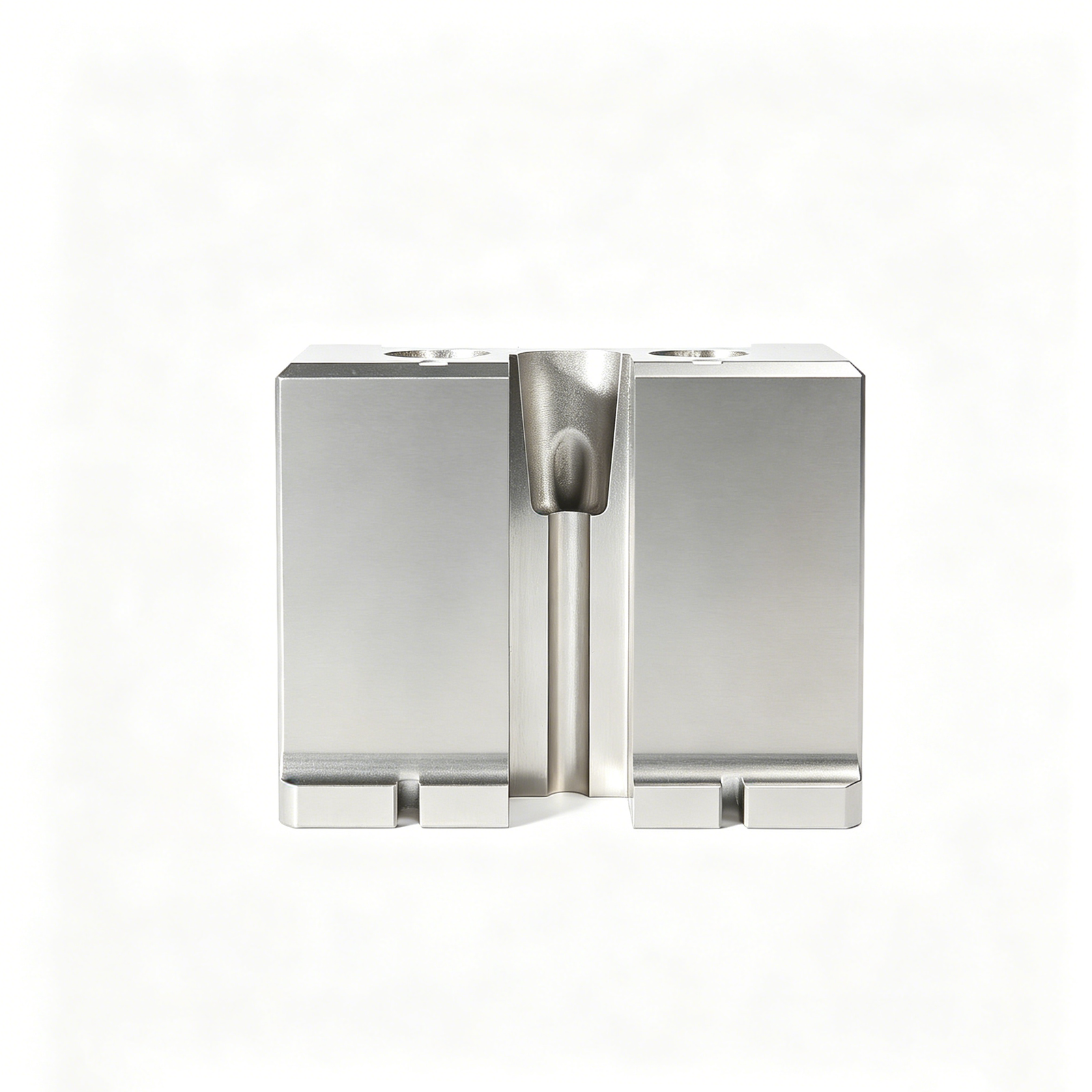
Plastic film parts · Precision mold insert
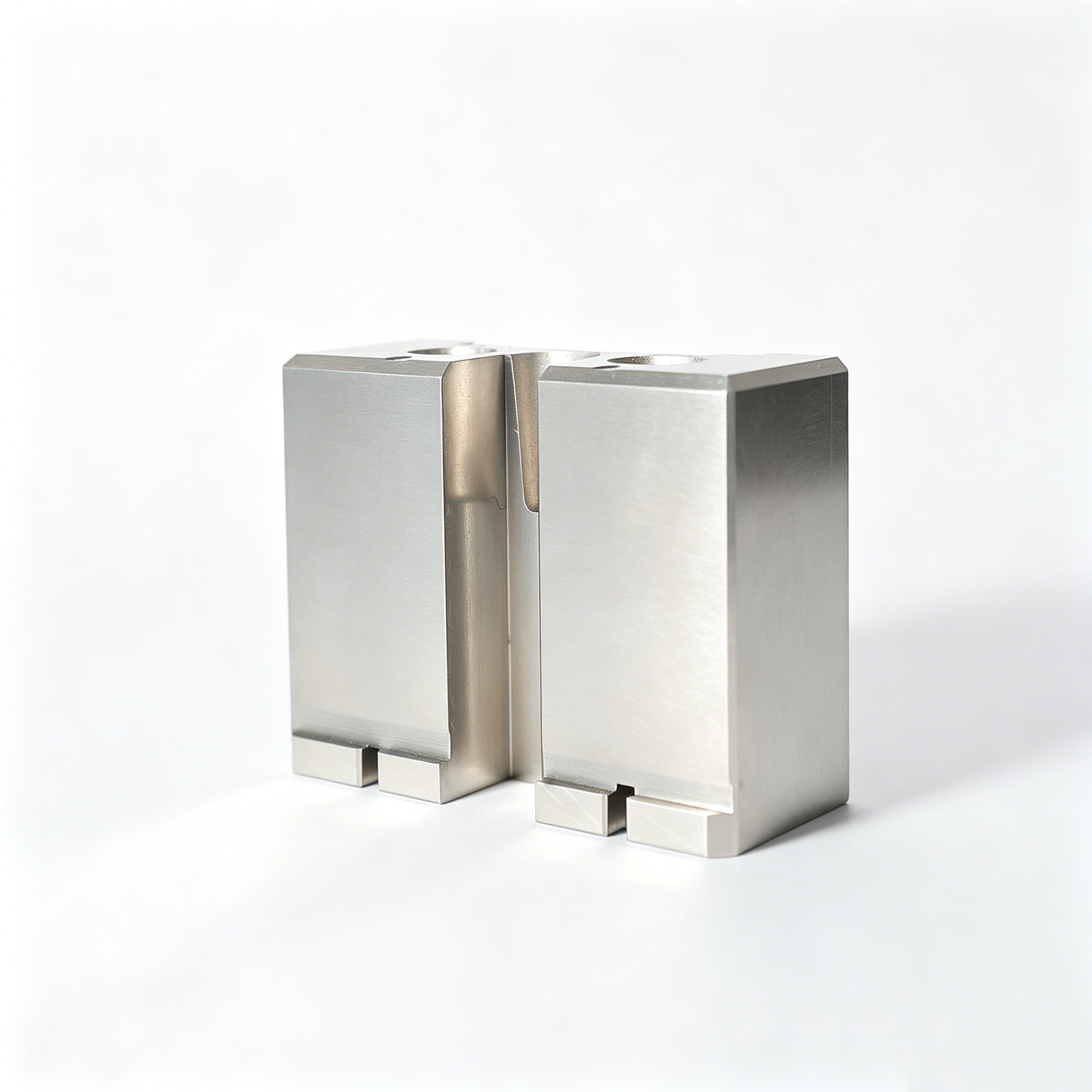
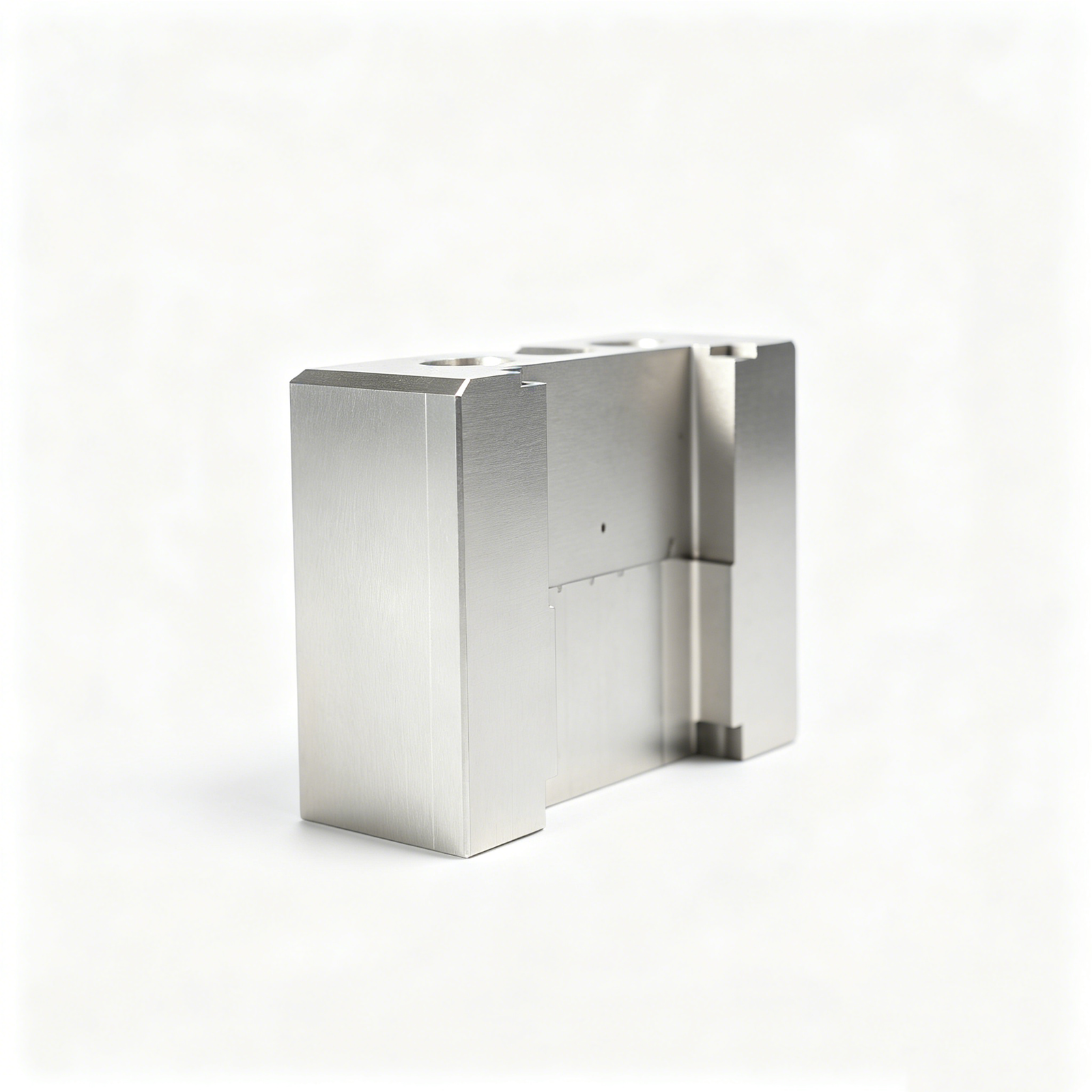
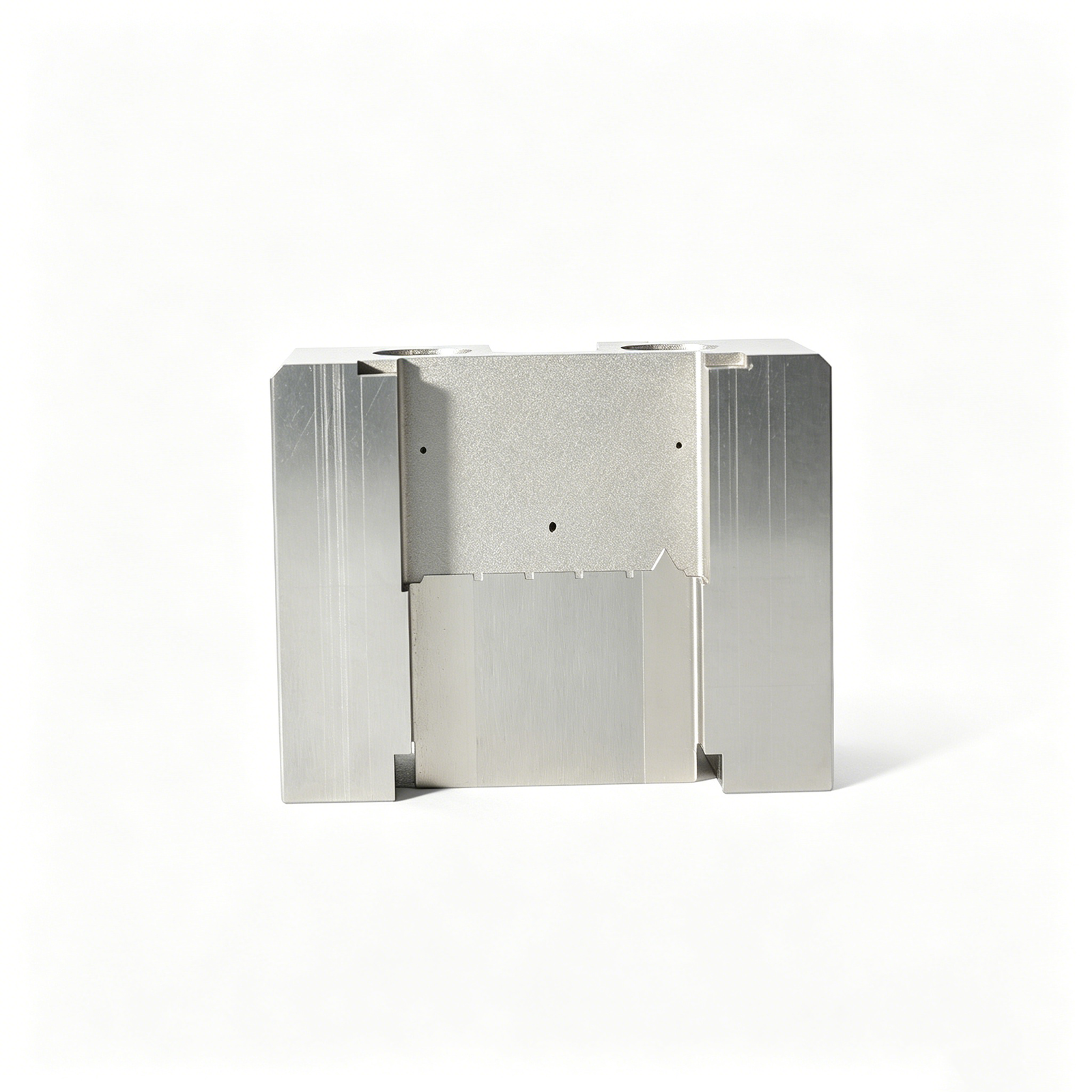
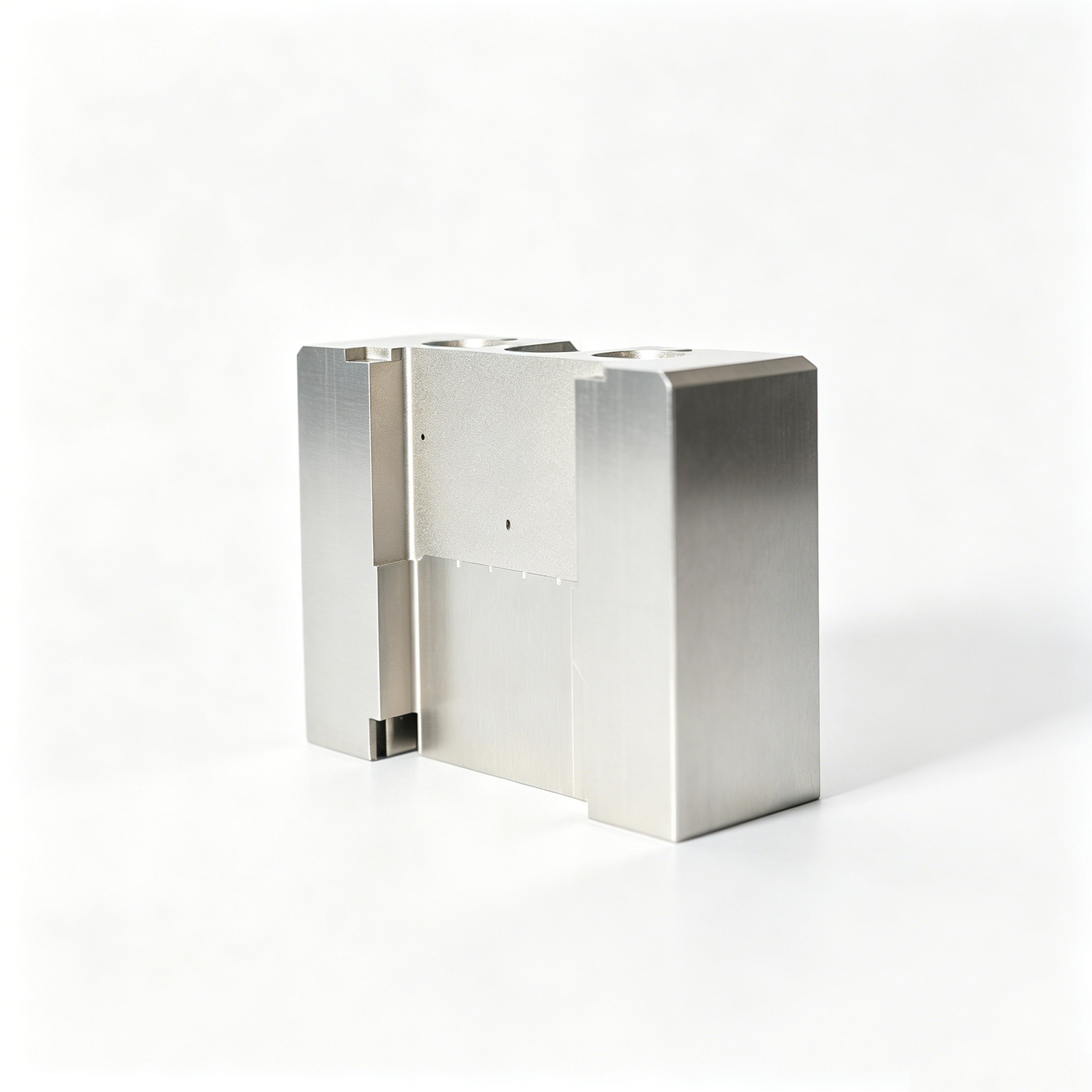
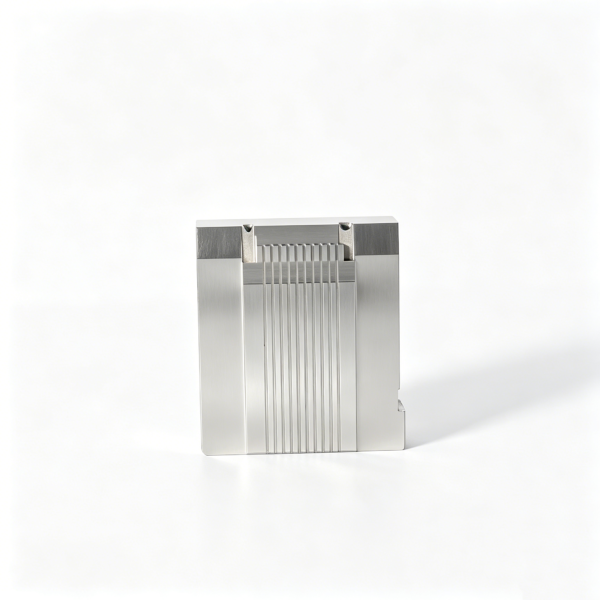
Precision Mold Components for Automotive Connectors – Guided Core Pins & Locator Bushings Kit
Brand Xuxiang Mold
Availability Made to drawing
RFQ pricing
Quote from STEP / PDF & quantity
Engineer more stable connector tooling with this precision mold components for automotive connectors kit focused on guided core pins and locator bushings. Designed for tight-tolerance connector cavities, it helps you maintain concentricity, reduce flash and stabilize high-cavity tools in demanding automotive environments. Toolmakers gain smoother mold alignment, more consistent pin entry and fewer dimensional issues on fine-pitch housings. Ideal for new connector projects or refurbishing existing injection molds where repeatable positioning and long-term accuracy are critical.
- ISO 9001:2015–oriented process & documented inspection paths
- Zeiss / Nikon class metrology available for critical dimensions
- DFM feedback from 10+ senior tooling engineers
- Dongguan HQ + Quanzhou capacity for volume programs
Precision Mold Components for Automotive Connectors – Guided Core Pins & Locator Bushings Kit
This specialized kit of precision mold components for automotive connectors is engineered around guided core pins and locator bushings, giving connector mold designers a robust solution for high-accuracy alignment and reliable pin support. In automotive electrical systems, connector housings must mate flawlessly with terminals and harnesses, which demands exceptionally stable and repeatable tooling geometry throughout long production runs.[1][9]
By combining high-precision core pins, guide bushings, alignment elements and related support components, this kit helps you achieve consistent cavity positioning, improved concentricity and reduced wear in critical areas of the connector mold. It is suitable for new multi-cavity automotive connector molds as well as retrofits on existing tools where tighter positional control and better support of fine pins are needed.[1][4]
Key Features & Benefits
Automotive connector molds are subject to high cavitation, long service life, and stringent dimensional requirements, especially for miniaturized and high-pin-count connectors.[4][9] This guided core pin and locator bushing kit is tailored to those realities with a focus on stability and accuracy.
- Guided core pin support – Core pins are supported by precision locator bushings or sleeves to minimize deflection, helping maintain accurate pin positions and reducing risk of pin bending or breakage in high-pressure injection cycles.
- Enhanced mold alignment – Precision-ground bushings and matching leader elements help align core and cavity halves, supporting the mold base structure and improving repeatability for every shot.[4]
- Fine-pitch connector capability – Designed for dense terminal layouts and thin-wall connector housings, where even slight misalignment can cause flash, short shots or poor terminal fit.[7][9]
- Wear- and corrosion-conscious material selection – Typically produced from tool steels or stainless steels chosen for their hardness, polishability and resistance to wear and corrosion in aggressive molding environments.[4]
- Service life and maintenance efficiency – Components are intended for easy replacement during routine mold maintenance, helping you manage tool uptime while sustaining connector dimensional accuracy over the life of the mold.[4]
- Support for demanding automotive standards – Automotive connectors often operate under vibration, temperature cycling and harsh environmental exposure; consistent molding quality is essential to ensure stable electrical performance in use.[9][11]
Specifications & Typical Attributes
The exact configuration of each kit can be customized to your connector design, mold layout and press capability. Instead of fixed numerical data, the table below summarizes common specification aspects and options used for automotive connector mold components such as cores, sleeves, inserts and locator parts.[1][2][6][12]
| Attribute | Description |
|---|---|
| Component types | Guided core pins, locator bushings/sleeves, core inserts, cavity inserts, alignment elements and supporting hardware for connector molds. |
| Intended application | Injection molds for automotive electrical connectors, including multi-pin housings, headers, plugs and receptacles.[1][9] |
| Tolerance concept | Fine machining tolerances designed to support high dimensional accuracy and repeatable connector geometry across cavities.[6][8][12] |
| Material options | Tool steel or stainless steel grades selected for hardness, wear resistance, dimensional stability and polishability.[4] |
| Surface condition | Precision-ground and/or polished surfaces on functional areas to aid guidance, reduce friction and improve part appearance.[6][8] |
| Mold compatibility | Designed for integration into custom automotive connector molds with standard or custom mold base dimensions. |
| Connector styles | Supports a wide range of connector housing designs, from micro connectors to larger multi-way automotive plug bodies.[1][9][11] |
| Production environment | Suitable for high-volume injection molding with frequent cycling and demanding uptime targets. |
| Customization | Dimensions, step features, reliefs, radii and draft details can be tailored to the specific connector design and mold layout.[4] |
| Maintenance approach | Components designed for periodic inspection, cleaning and replacement to extend overall mold life and preserve quality.[4] |
Use Cases & Who This Kit Is For
These guided core pins and locator bushings are intended for professionals working on injection molds for automotive connectors, where high dimensional consistency and long-term durability are essential.[1][9][11]
- Automotive connector mold makers – Tool shops designing and building new multi-cavity connector molds who need reliable guidance for small-diameter pins and tight cavity features.
- Tier 1 and Tier 2 automotive suppliers – Connector manufacturers seeking to upgrade existing tools to improve yield, reduce scrap, and meet evolving connector miniaturization requirements.[9][11]
- Engineering and tooling departments – In-house teams responsible for maintaining connector molds, who want interchangeable, readily available wear parts for faster refurbishment cycles.[4]
- Projects with fine-pitch or high-density layouts – Ideal where connectors have many terminals in a compact footprint and where slight misalignment or pin runout can affect mating and sealing performance.[7][9]
- Harsh-environment automotive applications – Useful for connectors in under-hood, powertrain or chassis locations where the integrity of plastic housings is critical to electrical reliability.[9][11]
In all these scenarios, guided core pins and accurate locator bushings ensure that critical connector features remain within tolerance, contributing to secure terminal retention, consistent seal compression and reliable assembly in downstream processes.[7][9]
Selection, Care & Buying Guidance
Choosing the right configuration of precision mold components for your automotive connector project involves balancing connector geometry, mold structure and production targets.[4][9] Collaboration between product designers, mold designers and process engineers is strongly recommended to optimize component selection.
- Define connector requirements – Start from the connector’s functional needs: pin count, pitch, latch features, sealing elements and target environment. These aspects govern the structure and complexity of the mold, as well as the required guidance strategy for pins and cores.[4][9]
- Coordinate with mold structure design – Ensure that guide bushings and core supports are positioned in a way that complements the mold base, cooling system and demolding layout, preventing interference and simplifying maintenance.[4]
- Consider material compatibility – Match component materials to the molded resin’s abrasiveness and to the plant’s cleaning practices, choosing suitable hardness and corrosion resistance for long-term stability.[4]
- Plan for maintenance – Incorporate access points and service-friendly designs so that core pins, sleeves and bushings can be inspected, cleaned and replaced without excessive downtime.[4]
- Validate with sampling – After installation, use early sampling runs to check connector dimensions, pin concentricity and mating performance, and fine-tune setup or component selection as required.[7][11]
Routine care includes cleaning deposits from guiding surfaces, verifying alignment during scheduled mold overhauls and inspecting for signs of wear on contact zones. By keeping a documented maintenance schedule aligned with production volume and mold cycles, manufacturers can extend the mold’s effective service life while maintaining consistent connector quality.[4]
FAQ
Are these mold components compatible with my existing automotive connector mold?
In most cases, the guided core pins and locator bushings can be tailored to fit existing mold bases and connector layouts. Provide your current mold drawings and connector specifications so the component dimensions and interfaces can be matched to your tool design.[4]
What types of automotive connectors are these components suitable for?
The kit is suitable for a wide range of injection-molded automotive connectors, including plug housings, receptacles, headers and multi-way connectors used in body, powertrain and infotainment systems.[1][9][11]
How do I choose the right guidance configuration for fine-pitch connectors?
For fine-pitch connectors, it is important to review pin diameter, cavity spacing and expected injection pressures. Engineering support can help define appropriate guidance lengths, bushing styles and alignment elements to minimize deflection and preserve tight tolerances.[4][7]
What maintenance do these core pins and bushings require?
Typical maintenance includes periodic cleaning of guiding surfaces, inspection for wear or scoring, and timely replacement of components showing damage or excessive clearance. Aligning maintenance intervals with your mold’s production volume helps maintain stable connector quality over time.[4]
Can these components improve yield in high-volume connector production?
Yes. By improving alignment and reducing pin deflection, the guided system can help lower scrap caused by flash, short shots or dimensional out-of-tolerance cavities, which is especially beneficial in high-cavity, high-volume connector molds.[1][6][9]
What should I consider when ordering for a new mold project?
When ordering for a new mold, share 3D connector models, mold layouts, material selections and target cycle times. This information helps ensure the components support your cooling, filling and demolding strategies while delivering the required dimensional performance.[4]
Is there a warranty or return policy on these precision mold components?
Warranty and returns generally follow standard industrial component terms, which may cover manufacturing defects for a defined period. Specific terms depend on the supplier and should be reviewed at the quotation stage.
How are the components packaged and shipped to protect precision surfaces?
Components are typically packed in protective sleeves or trays to safeguard precision-ground and polished surfaces during transport. Robust outer packaging and clear labeling help ensure the parts arrive ready for inspection and installation.
Can I mix standard and custom sizes within one order?
Yes, many projects combine standard-dimension elements with fully custom parts. Discuss your cavity layout and mold standardization strategy so standard items can be used where possible, with custom elements reserved for unique connector features.
Do I need any special tooling to install these components in my mold?
Installation normally uses familiar moldmaking tools such as presses, alignment fixtures and precision measurement equipment. No unusual tooling is required beyond what is typically used to fit and verify high-precision mold parts.
Related products
Same drawing, predictable results—next batch
Share revision, quantity ramp, and inspection level. We quote process route, ship date, and documentation in one structured response.