
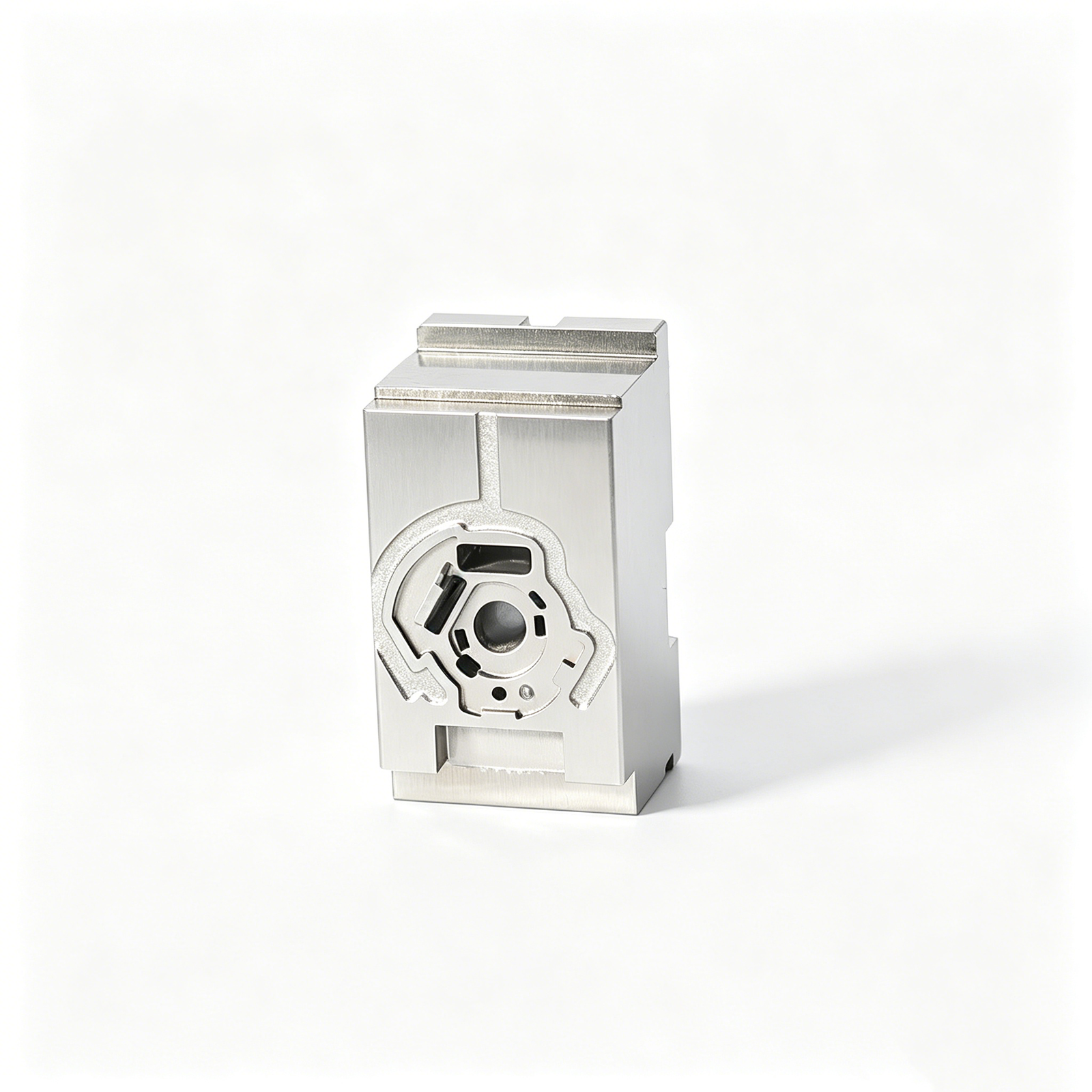
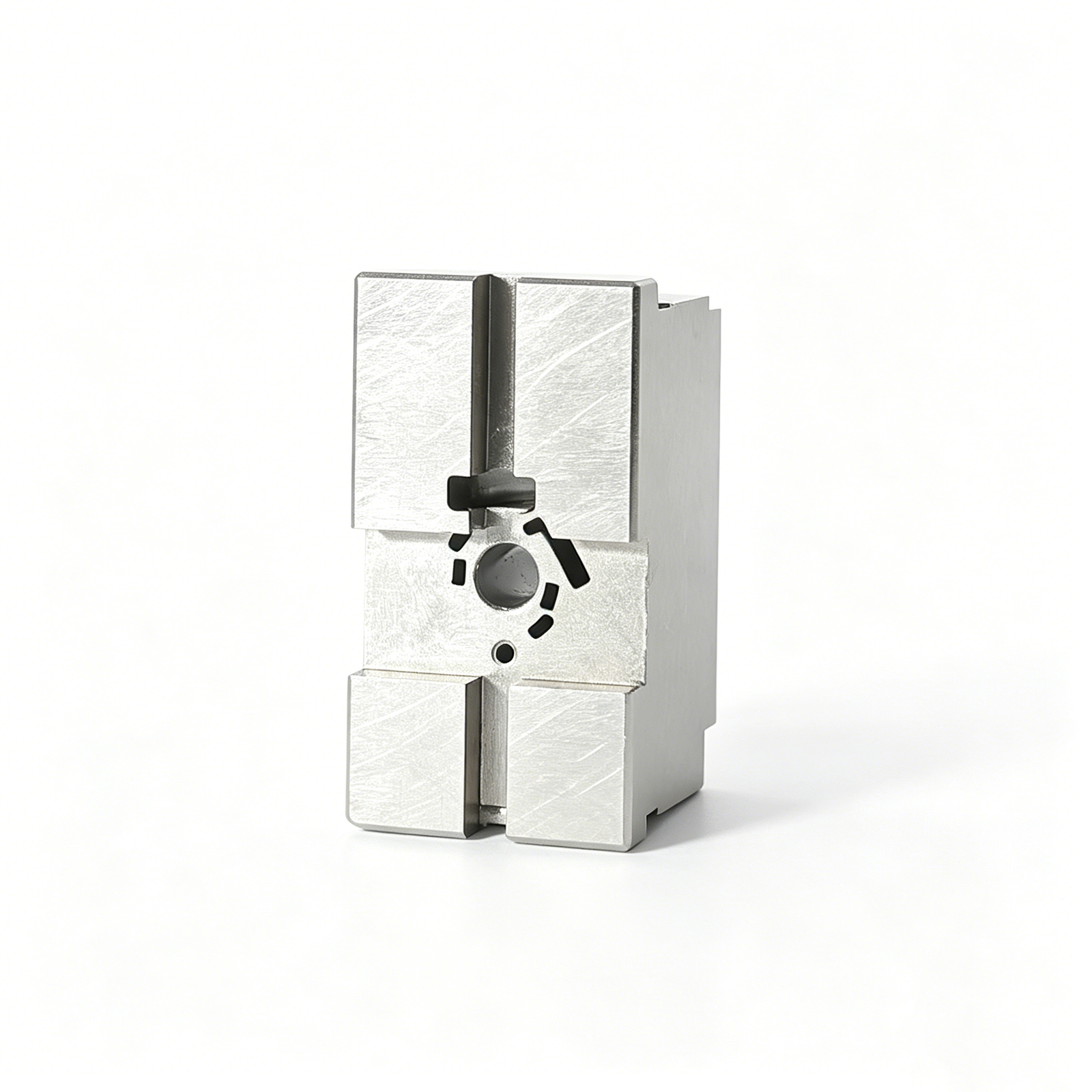
Plastic film parts · Precision mold insert
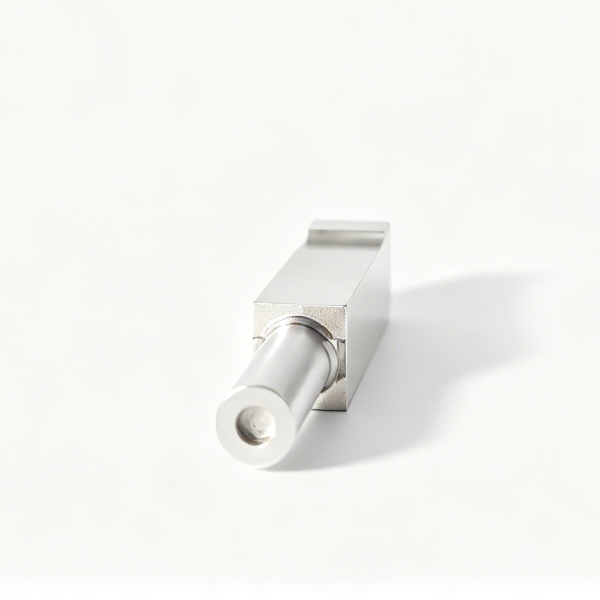
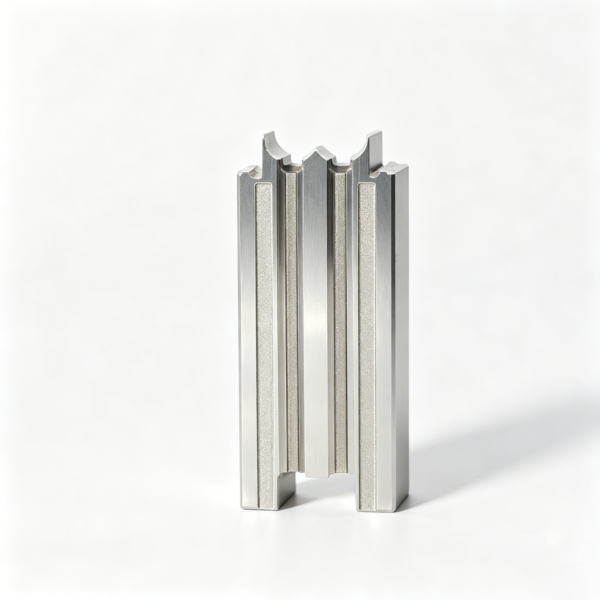
Automotive Connector Mold Inserts and Core Parts for Precision Tooling Precision mold components for automotive connectors
Brand Xuxiang Mold
Availability Made to drawing
RFQ pricing
Quote from STEP / PDF & quantity
Built for demanding connector tooling, Precision mold components for automotive connectors help produce stable, repeatable parts with clean release and consistent geometry. They are a smart fit for injection molds that need dependable alignment, fine detail, and efficient cycle performance. Use them to support high-volume connector production where accuracy matters at every shot.
Designed for automotive electrical connector applications, these components are intended to improve mold consistency and reduce finishing work after molding.
- ISO 9001:2015–oriented process & documented inspection paths
- Zeiss / Nikon class metrology available for critical dimensions
- DFM feedback from 10+ senior tooling engineers
- Dongguan HQ + Quanzhou capacity for volume programs
Precision tooling built for automotive connector production
Precision mold components for automotive connectors are the working elements inside injection molds that shape, guide, support, and release connector parts. In this category, the emphasis is on repeatability: the mold must form small features accurately, maintain stable mating dimensions, and withstand long production runs without drifting out of tolerance. Automotive connectors often combine compact geometry with strict fit requirements, so the tooling needs to be engineered with more attention than a standard plastic part mold.
These components are commonly used in molds for electrical connectors, terminal housings, housings with latch features, and other small functional plastic parts used throughout vehicle wiring systems. Because connector parts must assemble correctly with terminals, seals, and mating housings, the mold inserts, cores, cavities, and related precision pieces play a direct role in final product quality. Well-made tooling can help reduce flash, improve part release, and support stable output across repeated cycles.
Key benefits for connector mold makers
One of the main advantages of precision tooling is dimensional consistency. Automotive connector parts often include fine walls, pins, ribs, locking details, and polarizing features that must stay accurate from cavity to cavity. Precision components help the mold hold its form under heat and pressure, which supports uniform part size and dependable assembly fit.
Another advantage is process stability. When core and cavity elements are made to a high standard, the mold usually runs with fewer interruptions for adjustment. That can help reduce trial-and-error during setup and may shorten the path from first sample to production approval. Better fit between mold parts can also support smoother venting, more predictable filling, and cleaner demolding, which matters in high-speed automotive manufacturing environments.
Durability is also important. Connector molds are often used in demanding production schedules, and repeated cycles can wear down detailed features over time. Precision mold components are typically selected with wear resistance and service life in mind, especially in areas exposed to high friction, frequent ejection, or close contact with molten polymer.
Typical attributes buyers evaluate
Because the exact configuration varies by connector design, buyers usually compare these components by function rather than by a single universal specification. A tooling engineer may look at the insert geometry, the core profile, the cavity finish, the mating accuracy, the steel or alloy selection, and whether the part is intended for replacement, customization, or a full new mold build.
| Attribute | Typical buying consideration | Why it matters |
|---|---|---|
| Component type | Core, cavity, insert, pin, sleeve, or support element | Defines the molding function and the area of the connector it forms |
| Accuracy requirement | Fine-tolerance or application-specific fit | Supports proper mating, terminal retention, and assembly consistency |
| Surface finish | Polished, ground, or application-matched finish | Helps release parts cleanly and can improve cosmetic quality |
| Wear resistance | Selected for repeated production cycles | Helps preserve dimensional stability over time |
| Compatibility | Built to match the connector platform and mold design | Reduces rework and installation issues |
| Maintenance approach | Replaceable or serviceable insert style | Simplifies upkeep and may extend tool life |
Where these components are used
These tooling parts are a strong match for manufacturers and mold shops producing automotive wiring connectors, sensor housings, terminal interfaces, and related electrical components. They are also relevant for prototype tooling, pilot runs, and production molds where sample-to-production consistency is critical. For teams building new connector programs, precision inserts and cores can be especially useful when designs are still being refined and the tooling must allow for controlled adjustment.
They suit buyers who need a reliable mold part supply for:
- Automotive electrical connector production
- High-cavity or repetitive injection molding programs
- Replacement of worn mold inserts or core sections
- Tool refinement during part qualification
- Connector molds that demand clean release and stable fit
Buying and maintenance guidance
When selecting precision mold components, start with the connector drawing and the mold structure. Confirm how the part interacts with gate location, ejection, cooling, and any undercut or latch details. If the connector has very small alignment features, request a tooling solution that matches the exact mating geometry rather than a general-purpose part. In many cases, a well-fitted insert design is easier to maintain than an oversized monolithic tool section because it allows targeted replacement of the wear area.
For maintenance, keep the working surfaces clean, protect precision areas from corrosion, and inspect for wear at regular intervals. If a cavity edge, core tip, or locating feature begins to lose sharpness, early repair can help avoid part drift and reduce scrap. Buyers should also confirm packaging and handling practices for shipment, since detailed mold parts can be damaged by poor protection in transit.
From a sourcing standpoint, ask whether the supplier can support drawing-based customization, replacement matching, and the level of finish your connector program needs. For automotive projects, consistent communication about fit, material, and expected cycle life is often as important as the part itself.
FAQ
Do you ship precision mold components for automotive connectors internationally?
International shipping is commonly available for custom mold parts, but packaging, lead time, and carrier options depend on order size and destination. For export projects, it is best to confirm the delivery address, required documents, and protective packing method before production begins.
How do I know if these components will fit my connector mold?
Fit depends on the connector drawing, mold layout, and interface dimensions. Share the relevant 2D or 3D files, target tolerances, and any wear concerns so the supplier can match the insert, core, or cavity geometry to your tooling.
Can these parts be used for prototype and production molds?
Yes, precision connector mold parts are used in both prototype and production settings. Prototype tools may prioritize adjustability, while production tools usually emphasize wear life, stability, and repeatable output.
What materials or finishes are usually preferred?
Material and finish should be chosen based on cycle volume, resin type, and release behavior. Automotive connector tooling often benefits from durable tooling materials and a finish that supports clean ejection and stable surface quality.
How should I clean and store these mold parts?
Clean parts with non-abrasive methods, remove resin residue carefully, and store them in a dry, protected environment. Light corrosion prevention and careful handling help preserve precision surfaces between runs.
What if a worn insert needs replacement later?
Many buyers prefer replaceable insert-style designs because they make service faster and more economical. If replacement is likely, keep the original drawing, dimensional records, and installation notes so a matching part can be produced later.
Are custom dimensions available for special connector programs?
Custom sizing is often available for automotive connector tooling. This is especially useful when the connector has unique latch details, tight mating features, or a platform-specific profile that does not fit standard components.
What should I check before approving an order?
Review the drawing revision, tolerance requirements, surface finish, material request, and installation direction. It is also wise to confirm inspection criteria and any post-processing needs before the part is manufactured.
Related products
Same drawing, predictable results—next batch
Share revision, quantity ramp, and inspection level. We quote process route, ship date, and documentation in one structured response.