
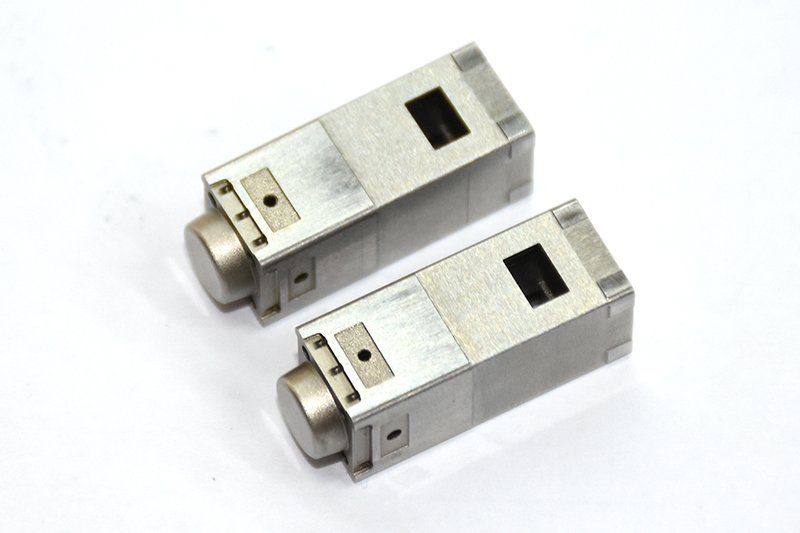
Plastic film parts · Precision mold insert
Automotive Connector Parts – Universal Electrical Connectors & Terminals
Brand Xuxiang Mold
Availability Made to drawing
RFQ pricing
Quote from STEP / PDF & quantity
Keep every circuit in your vehicle reliable with high‑quality automotive connector parts designed for modern 12V and 24V electrical systems. From multi‑pin plugs and sockets to terminals, seals, and housings, this range helps you build, repair, or upgrade wiring looms with confidence. Resistant to vibration, heat, and moisture, these components support secure, low‑resistance connections in harsh automotive environments. Ideal for professional auto electricians and DIY enthusiasts alike, they make troubleshooting and custom wiring projects faster and more organized. Choose the configurations you need to match OEM harnesses or power your next electrical upgrade.
- ISO 9001:2015–oriented process & documented inspection paths
- Zeiss / Nikon class metrology available for critical dimensions
- DFM feedback from 10+ senior tooling engineers
- Dongguan HQ + Quanzhou capacity for volume programs
Professional-Grade Automotive Connector Parts for Reliable Vehicle Wiring
Automotive electrical systems rely on secure, low-resistance connections to keep critical components powered and communication signals stable. Our range of automotive connector parts is designed to help you build, repair, or upgrade wiring looms with the same attention to detail found in OEM harnesses. Whether you are working on a daily-driver, commercial fleet, off-road rig, motorsport build, or specialty equipment, quality connectors are the foundation of safe and dependable performance.
These parts include housings, terminals, seals, locks, and accessories that work together as complete connector systems. By pairing the right components, you can create plug-and-play connections for sensors, lights, ignition, engine management, infotainment, and more. Durable construction, smart design, and compatibility with common automotive wire gauges make them an essential choice for professionals and serious enthusiasts.
Key Features & Benefits
- Wide compatibility – Suitable for many 12V/24V automotive and light industrial applications, including passenger cars, trucks, motorcycles, marine, and powersports wiring.
- Secure mechanical locking – Connector housings feature positive locking tabs or latches that help prevent accidental disconnection from vibration or cable movement.
- Stable electrical performance – Matching terminals and housings maintain consistent contact pressure, supporting low contact resistance and reliable signal transmission when properly assembled.
- Moisture and dust protection – Many connector systems are designed to accept environmental seals and grommets to help resist moisture, road spray, and contaminants in harsh under-hood or under-body locations.
- Heat and chemical resistance – Automotive-grade plastics and metals are chosen to tolerate typical engine-bay temperatures and exposure to oils, fuels, and cleaning agents when used correctly.
- Serviceability – Separate housings and terminals make it easier to repair damaged plugs or re-pin circuits instead of replacing entire wiring looms.
- Organized installations – Using standardized connector parts simplifies future diagnostics, upgrades, and accessory additions by clearly separating circuits into dedicated plug-in points.
Specifications & Key Attributes
The table below summarizes typical attributes you can expect from a professional selection of automotive connector parts. Exact details vary by specific connector series and application, so always confirm compatibility with your vehicle and wiring requirements.
| Attribute | Description |
|---|---|
| Connector Type | Single-pin and multi-pin plug & socket housings, inline connectors, bulkhead connectors, sensor and lighting connectors |
| Typical Applications | Engine sensors, ignition, fuel systems, lighting, fans, pumps, infotainment, accessories, chassis wiring |
| Compatible Wire Gauges | Common automotive wire sizes used in low-voltage vehicle harnesses (refer to each connector system’s recommended range) |
| Contact Material | Automotive-grade metal terminals designed for crimping; often tin- or similar plated for corrosion resistance |
| Insulating Material | Durable thermoplastic housings engineered for automotive environments |
| Environmental Protection | Options to use seals, grommets, and backshells for resistance to moisture, dust, and road contaminants |
| Locking Mechanism | Latches, tabs, or secondary locks to help secure terminal retention and prevent unintentional unplugging |
| Mounting Style | Inline, panel-mount, or bracket-supported connectors depending on series and application |
| Tooling Requirements | Crimping tools and terminal extraction tools recommended for professional-grade assembly and service |
| Typical Voltage Range | Designed for low-voltage automotive electrical systems such as 12V and 24V (check individual series ratings) |
Use Cases & Who These Connector Parts Are For
Automotive connector parts are a flexible solution for many wiring projects. They are especially useful when you need repeatable, serviceable connections rather than permanent splices.
- Professional auto electricians and workshops – Build custom harnesses for engine swaps, retrofits, and accessory installations, or replace broken OEM connectors on modern vehicles.
- Motorsport and performance builders – Create tidy, robust harnesses for engine management, data logging, and power distribution in track, rally, and racing applications.
- Fleet and commercial vehicle maintenance – Standardize connectors across vehicles to simplify repairs and reduce downtime for trucks, vans, buses, and construction equipment.
- DIY enthusiasts – Upgrade lighting, install auxiliary power, add gauges, or reroute wiring on classic cars, 4×4 builds, motorcycles, or project cars with professional-looking results.
- Specialty and off-road equipment – Wire light bars, winches, compressors, and auxiliary systems where vibration and weather exposure demand robust connector solutions.
By choosing connector parts specifically designed for automotive use, you reduce the risk of intermittent faults, corrosion, or overheating that can occur when inappropriate connectors are used in demanding environments.
Selection & Buying Guidance
Choosing the right automotive connector parts for your project involves checking compatibility with the wire size, current load, and environment. It also helps to consider future serviceability and potential upgrades.
- Match wire gauge and current – Confirm that the terminals and housings you select are suitable for the wire size and expected current in each circuit. Using the correct wire range supports proper crimp quality and contact performance.
- Consider pin count and layout – Decide how many circuits you need in each connector. Multi-pin connectors help keep related circuits grouped, while single-pin connectors are ideal for simple or high-current runs.
- Check environmental needs – For under-hood, under-car, or exterior locations, look for connector series that accept seals and offer improved moisture and dust resistance. In more protected interior locations, unsealed connectors may be acceptable.
- Plan for serviceability – Use connectors in locations where diagnostic access is important, such as between the main harness and removable components. This makes replacing parts or testing circuits faster.
- Use proper tools – Invest in an appropriate crimping tool and, where needed, extraction tools. Correct crimping technique is essential for both mechanical strength and low electrical resistance.
- Label and document – When building or modifying harnesses, clearly label connectors and keep a simple diagram or pin-out reference to streamline future troubleshooting.
With thoughtful planning and the right automotive connector parts, you can create wiring solutions that are safe, tidy, and easy to maintain over the long term.
FAQ
Are these automotive connector parts compatible with my specific vehicle?
Most automotive connector parts are designed around common wire sizes and low-voltage systems, but exact fit depends on the connector series and your vehicle’s harness. Always compare the shape, pin count, locking style, and wire size to your original connector, or consult your wiring diagram before ordering.
Do I need special tools to install these connectors?
For best results you should use a quality automotive crimping tool that matches the terminal style. Some connectors also benefit from dedicated extraction tools to remove or re-pin terminals without damage. Using the correct tools improves reliability and reduces the chance of loose or overheated connections.
How do I know which connector size and pin count to choose?
Start by determining how many individual circuits need to pass through the connector and the wire gauge for each. Then select a connector family that supports that pin count and wire range. It is often helpful to group related circuits (for example, all headlamp functions) into one multi-pin connector for easier servicing.
Are these connector parts suitable for engine bay or under-car use?
Many automotive connector systems are designed to handle heat, vibration, and exposure found in engine bays and under-body locations when assembled correctly with the appropriate seals. For harsh or wet environments, choose sealed connector types and ensure all seals, grommets, and locks are properly installed.
What is the best way to protect connectors from moisture and corrosion?
Use connector systems that accept environmental seals where required, route wiring away from direct spray when possible, and make sure terminals are fully seated and locked in the housings. In some cases, a light application of suitable dielectric grease on seals (not on signal contacts unless recommended) can help keep moisture out.
Can I replace a damaged OEM connector with these parts?
In many cases you can replace a damaged OEM connector with a compatible aftermarket connector system, provided the pin count, layout, and locking style are appropriate for the component. Carefully document the original pin-out, transfer each wire one at a time, and verify operation after installation.
How are these parts shipped and how are small pieces packaged?
Small connector components such as terminals, seals, and housings are typically supplied in protective packaging to keep sets organized and prevent loss during transit. Orders are consolidated where possible, and multiple items may be bagged or boxed together with clear labeling for easier identification.
What is your return policy if a connector does not fit?
If an item is unused, unmodified, and in resellable condition, most retailers will accept returns or exchanges within a defined window. Always keep original packaging and verify fitment before altering or installing connectors, as modified parts are usually not eligible for return. Check the specific store’s terms before purchasing.
How should I maintain connectors after installation?
Periodically inspect exposed connectors for damage, loose locking tabs, or signs of corrosion, especially on vehicles used in harsh climates or off-road. Repair damaged boots or housings promptly and avoid pulling on the wires when disconnecting; always use the connector body to unplug components.
Can these connector parts be used for non-automotive projects?
Yes, many people use automotive connector systems for low-voltage projects such as custom machinery, trailers, powersports, or hobby electronics where robust, serviceable connections are needed. Ensure the electrical ratings and environmental performance meet the requirements of your specific application.
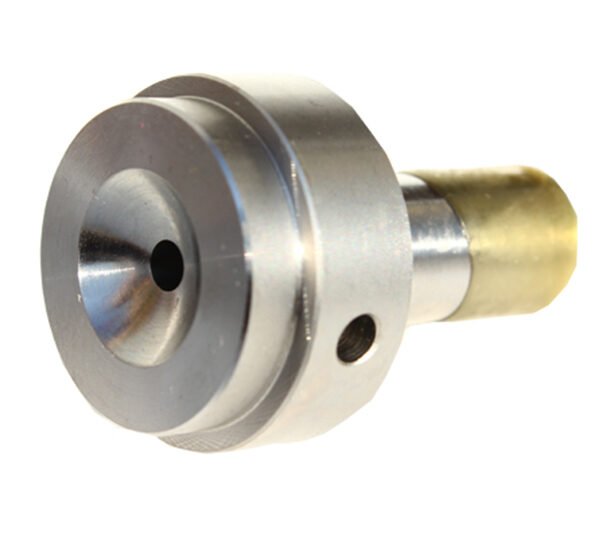
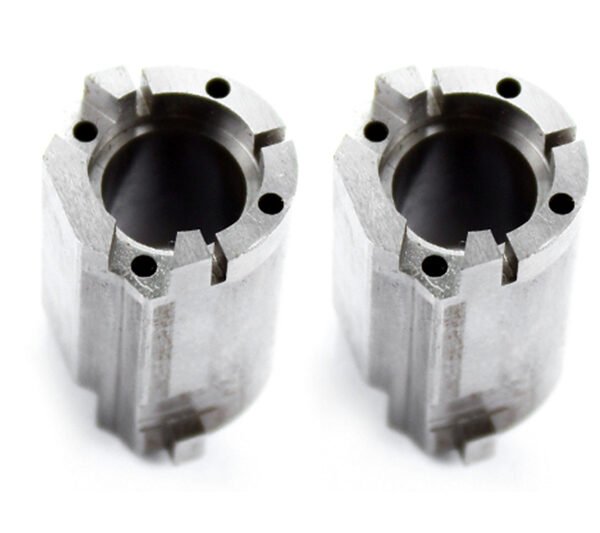
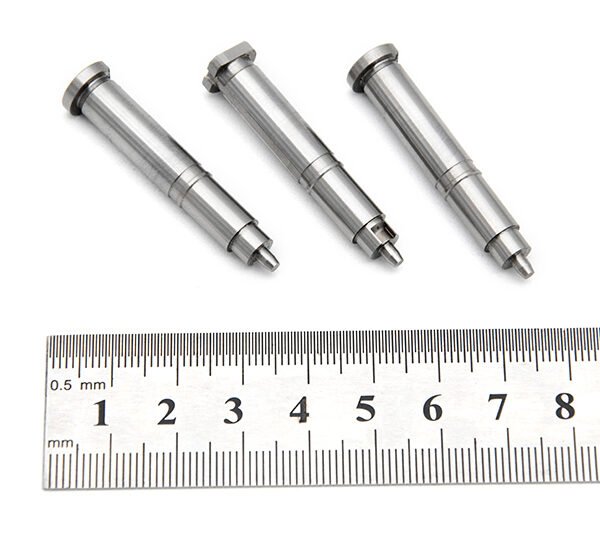
Same drawing, predictable results—next batch
Share revision, quantity ramp, and inspection level. We quote process route, ship date, and documentation in one structured response.