
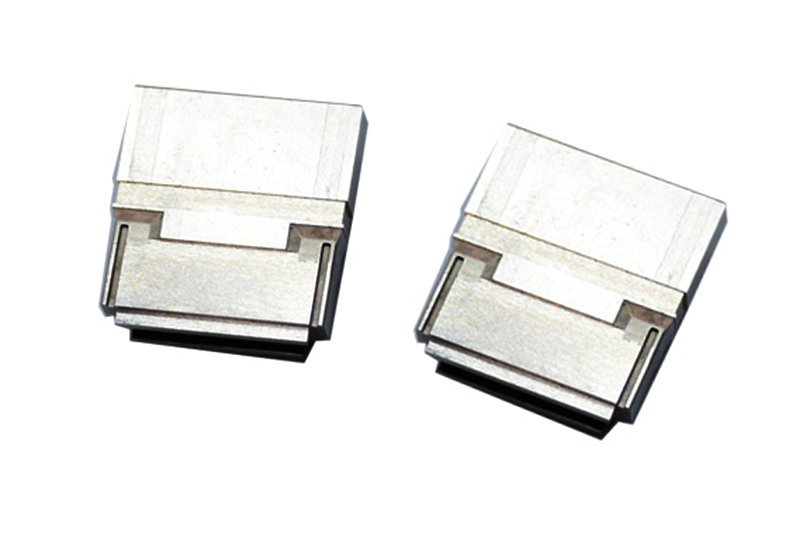
Plastic film parts · Precision mold insert
Automotive Connector Parts – Electrical Plugs, Terminals & Seals for Vehicle Wiring
Brand Xuxiang Mold
Availability Made to drawing
RFQ pricing
Quote from STEP / PDF & quantity
Keep your vehicle wiring projects clean, reliable and professional with our high‑quality automotive connector parts. Designed for modern 12V and 24V systems, these components help you build, repair or upgrade harnesses with confidence. From housings and terminals to seals and locks, you can configure exactly what you need for your application. Enjoy secure connections that resist vibration, moisture and heat in demanding automotive environments. Ideal for DIY enthusiasts, repair shops and custom builders who demand dependable electrical performance.
- ISO 9001:2015–oriented process & documented inspection paths
- Zeiss / Nikon class metrology available for critical dimensions
- DFM feedback from 10+ senior tooling engineers
- Dongguan HQ + Quanzhou capacity for volume programs
Professional-Grade Automotive Connector Parts for Reliable Vehicle Wiring
Automotive electrical systems rely on thousands of individual connections to keep engines starting, lights burning and electronics communicating. When just one connection fails, it can lead to frustrating intermittent faults, dashboard errors or complete system failure. Our range of automotive connector parts is designed to help you create safe, durable and serviceable wiring harnesses for cars, trucks, off‑road vehicles, motorsport builds and specialty equipment.
Whether you are repairing a single damaged plug, extending a factory harness or designing a bespoke loom from scratch, having the right combination of housings, terminals, seals and accessories is critical. Quality connector parts ensure low contact resistance, proper strain relief and long‑term protection against vibration, moisture and heat — all of which are constant challenges in the automotive environment.
These connector components are commonly used alongside OEM‑style systems from major brands such as TE Connectivity, Delphi / Aptiv, Deutsch and other industry-standard manufacturers, allowing you to achieve factory‑level results in your own workshop or garage.
Key Features & Benefits
Every vehicle and project is different, but there are core qualities you should always expect from good automotive connector hardware. Our automotive connector parts collection has been curated to support dependable connections across a wide range of applications.
- Modular system of components – Mix and match housings, male and female terminals, wire seals, cavity plugs and locking accessories to build exactly the connector you need for each circuit.
- Automotive-grade materials – Typical housings use robust engineering plastics designed to handle engine bay temperatures, chemical exposure and mechanical stress, while terminals use conductive copper alloys with protective plating.
- Secure locking mechanisms – Many housings include built‑in locking tabs or secondary locks that help prevent accidental unplugging when exposed to vibration on the road or track.
- Weather-resistant options – Where environmental protection is essential, compatible wire seals and cavity plugs help guard against moisture, dust and road debris when used with appropriate housings.
- Serviceable and repeatable – With correct crimp tools, you can consistently reproduce factory‑quality terminations and easily depin and repin connectors during diagnostics or upgrades.
- Versatile compatibility – Suitable for use on many 12V and 24V systems in passenger cars, commercial vehicles, agricultural machinery, marine power and motorsport applications (always verify fit and ratings for your specific project).
Specifications & Component Overview
The exact specifications of any given connector assembly depend on the parts you choose. The table below summarises typical characteristics and options you will encounter when selecting automotive connector parts for your wiring project.
| Attribute | Description |
|---|---|
| Connector Type | Multi-pin plug and receptacle housings, single-wire inline connectors, sensor plugs, power connectors and fuse/relay block terminals. |
| Typical Applications | Lighting, sensors, ignition, ECU connections, fuel systems, cooling fans, audio, accessories and auxiliary power circuits. |
| Housing Material | Automotive-grade plastic (engineering thermoplastics) designed for mechanical strength, temperature stability and resistance to common automotive fluids. |
| Terminal Material | Copper or copper alloy with protective surface treatments (e.g. tin or similar) for improved conductivity and corrosion resistance. |
| Wire Size Compatibility | Commonly used with standard automotive wire gauges in low-voltage vehicle systems; select terminals matched to your specific cable diameter. |
| Environmental Protection | Options for unsealed (interior use) and sealed (with wire seals and cavity plugs, suitable for exposed or under‑hood locations). |
| Locking Features | Primary latch on housing, plus optional secondary terminal locks or TPA (terminal position assurance) devices depending on connector series. |
| Typical Voltage Range | Designed for low‑voltage DC automotive systems such as 12V and 24V; always check component ratings if used outside standard vehicle ranges. |
| Mounting Style | In-line harness connectors, panel-mount plug options, bulkhead pass‑throughs or bracket‑secured connectors depending on housing style. |
| Tooling Requirements | Dedicated crimp tools for open‑barrel or closed‑barrel terminals; depinning tools may be used for service and rework. |
Typical Use Cases & Who These Parts Are For
Automotive connector parts are used anywhere a reliable removable connection is required in a wiring harness. They are essential for both routine repairs and complex custom builds.
- DIY vehicle enthusiasts – Repair broken headlight plugs, relocate components or clean up older wiring with fresh connectors, terminals and seals.
- Professional workshops – Dealerships, independent garages and auto electricians can stock a range of connector parts to quickly resolve wiring issues without waiting for complete harnesses.
- Motorsport and performance builders – Create lightweight, serviceable looms for race cars, track bikes, off‑road buggies and performance street builds, with connectors suited to harsh vibration and frequent servicing.
- Custom and restoration projects – When retrofitting modern electronics into classic vehicles or restoring brittle factory plugs, modular connector parts enable a clean, reliable result while maintaining service access.
- Special vehicles and equipment – Agricultural machinery, construction equipment, trailers, campers and marine craft all use automotive‑style low‑voltage connectors that benefit from robust parts and correct assembly.
Because connector series and pin layouts vary between manufacturers and vehicle platforms, it is important to visually match existing connectors or work from technical drawings when selecting parts. In many cases, you will purchase housings, terminals and seals separately and assemble them to suit your specific wire size and circuit layout.
Buying Guide & Installation Tips
To get the best from your automotive connector parts, take a methodical approach to specification and installation. Not all connectors are interchangeable, so invest a little time in planning before you crimp the first terminal.
- Identify the connector style – Compare your existing plug to reference photos and note the number of cavities, keying shape and any unique locking features.
- Match the environment – Use sealed connectors with appropriate wire seals for under‑hood, under‑vehicle or exterior locations; unsealed connectors may be sufficient for dry interior harnesses.
- Choose the right terminals – Ensure the terminal type matches both the housing series and your wire gauge for a secure mechanical and electrical fit.
- Use proper crimp tools – A quality crimping tool designed for the correct terminal profile is essential for consistent crimps and long‑term reliability.
- Plan strain relief – Route wires so that connectors are not supporting the full weight of the harness, and allow slack where components move or vibrate.
- Test before final assembly – After crimping and assembling the connector, perform continuity checks and, where possible, a functional test before reassembling trim or engine components.
By selecting reputable automotive connector parts and following best practices during assembly, you can dramatically reduce the risk of intermittent electrical faults and ensure your wiring harness is easy to service in the future.
FAQ
Are these automotive connector parts compatible with my vehicle?
Compatibility depends on the connector series, pin layout and wire size used in your specific vehicle. Always compare the shape, locking features and number of cavities to your existing connector, or consult wiring diagrams and part references where available.
Can I use these connectors in the engine bay or exposed areas?
Yes, provided you choose sealed connectors and matching wire seals designed for harsh environments. For engine bay, under‑vehicle or exterior installations, select housings and terminals rated for temperature extremes, moisture and vibration, and ensure all seals are correctly installed.
Do I need special tools to crimp the terminals?
For best results you should use a crimp tool designed for the specific style of automotive open‑barrel or closed‑barrel terminals you are using. Generic pliers can lead to poor crimps, higher resistance and unreliable connections.
How do I know which wire size each terminal supports?
Each terminal family is designed for a particular range of wire diameters. Check the product information for the supported wire size range, and ensure your chosen cable falls within that range before crimping.
Can these automotive connector parts be used on 24V systems?
Most automotive-grade connectors and terminals are suitable for low-voltage DC systems such as 12V and 24V, as long as current ratings and insulation requirements are respected. Always verify the ratings of the specific components being used.
What is the best way to protect connectors from corrosion?
Use sealed connectors where exposure to moisture or road salt is expected, ensure all seals are properly seated, and route harnesses away from water traps. In some cases, a light application of suitable dielectric grease on seals can help further resist moisture ingress.
How are these parts shipped and how are small pieces packaged?
Connector housings, terminals and seals are typically supplied in protective packaging, with small components bagged to prevent loss in transit. Orders are packed securely so that delicate terminals are not crushed during shipping.
What is your policy on returns for incorrect connector parts?
If you order the wrong style or size, unused and undamaged parts can usually be returned within the stated return period, subject to the store’s returns policy. It is recommended to check compatibility before crimping or installing any terminals.
How should I store unused automotive connector parts?
Store connector housings, terminals and seals in a dry, clean container away from direct sunlight and corrosive chemicals. Keeping different series and sizes separated in labelled compartments makes future projects much easier.
Can I reuse old terminals or should I always install new ones?
In most cases, terminals that have been previously crimped or exposed to corrosion should be replaced rather than reused. New, correctly crimped terminals provide a more reliable and long-lasting electrical connection.
Same drawing, predictable results—next batch
Share revision, quantity ramp, and inspection level. We quote process route, ship date, and documentation in one structured response.