
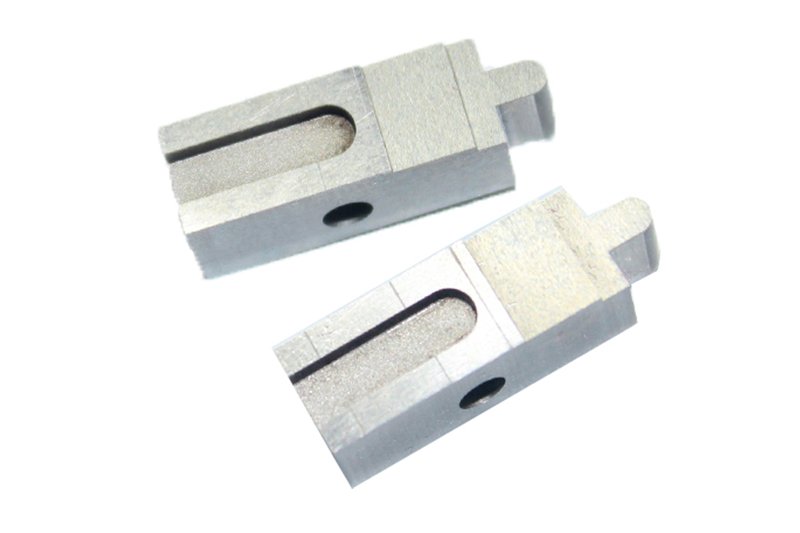
Plastic film parts · Precision mold insert
Automotive Connector Parts – Durable Electrical Connectors & Terminals for Vehicles
Brand Xuxiang Mold
Availability Made to drawing
RFQ pricing
Quote from STEP / PDF & quantity
Keep every critical circuit in your vehicle secure and reliable with high‑quality automotive connector parts designed for modern wiring systems. From engine bay harnesses to in‑cabin accessories, these components help you build, repair, or upgrade electrical connections with confidence. Moisture‑resistant housings, precision terminals, and positive‑locking tabs ensure a stable connection even in harsh under‑hood conditions. Whether you are a professional technician or a DIY enthusiast, you can assemble neat, serviceable looms that are easy to troubleshoot later. Choose the right automotive connector parts once, and enjoy long‑lasting performance on the road.
- ISO 9001:2015–oriented process & documented inspection paths
- Zeiss / Nikon class metrology available for critical dimensions
- DFM feedback from 10+ senior tooling engineers
- Dongguan HQ + Quanzhou capacity for volume programs
Professional-Grade Automotive Connector Parts for Reliable Vehicle Wiring
Automotive electrical systems depend on thousands of individual connections working perfectly together. When a single plug is loose, corroded, or mis‑matched, it can cause intermittent faults that are difficult to diagnose and expensive to repair. Our automotive connector parts give you a robust foundation for building and maintaining dependable wiring looms in cars, trucks, buses, off‑road vehicles, powersports machines, and custom projects.
These parts are designed specifically for the demands of the automotive environment, where vibration, heat cycles, road spray, and engine fluids are part of daily life. Compared with generic electronics connectors, automotive‑grade components typically offer better sealing, more secure locking mechanisms, and housings shaped to fit OEM harness layouts. By choosing purpose‑built connectors, you reduce the risk of voltage drops, signal noise, and unexpected failures.
Whether you are replacing a damaged plug on a headlight, adding auxiliary lighting, repairing a fuel injector harness, or building a complete custom loom, having the right connector housings, terminals, and seals on hand lets you complete the job cleanly and safely. Proper connectors also make future service easier, since circuits can be unplugged and re‑connected without cutting and re‑splicing wires.
Key Features & Benefits
Our automotive connector parts range is curated to support both OEM‑style repairs and custom wiring projects, with options that address the most common needs in the workshop or garage.
- Automotive‑grade materials – Housings molded from durable plastics selected for heat, chemical, and impact resistance, suitable for under‑hood and chassis locations.
- Secure locking mechanisms – Positive‑locking tabs and secondary locks help prevent connectors from working loose due to vibration, ensuring a stable electrical path even on rough roads.
- Weather‑resistant sealing – Many connector families include rubber cable seals and interface seals to help protect contacts from moisture, dust, and corrosion in exposed areas.
- Precision‑formed terminals – Tin‑plated or equivalent automotive terminals are designed for consistent crimp quality and low‑resistance contact with the mating pin or socket.
- Wide compatibility – Common connector styles used by major OEMs and aftermarket harness suppliers, allowing you to match or adapt existing vehicle plugs confidently.
- Serviceable design – With the correct crimping and extraction tools, you can depin, re‑terminate, and reuse housings, making future modifications or repairs cleaner and faster.
- Support for multiple wire sizes – Terminal options to suit low‑current signal circuits through to heavier‑gauge feeds for relays, fans, pumps, and other loads.
Using high‑quality connectors helps prevent arcing, heat build‑up, and intermittent signal loss. This is especially important for safety‑critical systems like airbags, ABS, engine management, and lighting, where a reliable electrical connection directly affects vehicle performance and occupant safety.
Specifications & Key Attributes
The table below summarizes typical characteristics and considerations for selecting the right automotive connector parts for your application. Since vehicle platforms and connector families vary widely, treat these as general guidelines rather than rigid specifications.
| Attribute | Description |
|---|---|
| Connector Types | Single‑way to multi‑way housings for power, signal, sensor, lighting, injector, and accessory circuits. |
| Typical Applications | Engine bay harnesses, interior looms, chassis wiring, lighting, audio, aftermarket accessories, motors, pumps, and control modules. |
| Housing Material | Automotive‑grade plastic formulated for heat, chemical, and impact resistance suitable for vehicle environments. |
| Contact Type | Male pins and female sockets designed for crimp termination; some families support tab/blade or flat contacts. |
| Wire Termination | Crimp‑style terminations for stranded automotive wire; compatible with dedicated crimp tools for consistent results. |
| Sealing Options | Available in sealed (with cable and interface seals) and unsealed versions depending on location and exposure. |
| Temperature Exposure | Designed for typical automotive temperature ranges found in interior, engine bay, and under‑body locations. |
| Current & Voltage Use | Suitable for low‑voltage DC vehicle systems; individual connector families support specific current capabilities. |
| Locking & Polarization | Keyed housings and locking tabs help prevent incorrect mating and accidental disconnection. |
| Serviceability | Compatible with depinning tools for maintenance, repairs, and loom modifications without cutting wires. |
Use Cases & Who These Parts Are For
Automotive connector parts are used across a wide range of vehicles and industries. They are particularly valuable when you need reliable, repeatable results and clean, professional‑looking installations.
- Automotive technicians & workshops – Replace damaged OEM connectors on sensors, coils, injectors, lights, and modules without resorting to temporary fixes or universal spade terminals.
- Auto electricians – Build or repair complete harness sections, create interface looms for aftermarket ECUs, or adapt new components to older vehicles while maintaining proper sealing and strain relief.
- Motorsport & track enthusiasts – Upgrade wiring for reliability under high vibration and heat, tidy up engine bays, and prepare harnesses for quick service during events.
- Custom builders & restorers – Integrate modern electronics into classic cars, add auxiliary lighting and power distribution, and keep wiring discreet and easy to trace.
- Off‑road, agricultural & industrial equipment users – Use sealed connectors to protect circuits from mud, dust, and moisture in harsh environments.
- DIY enthusiasts – Tackle common jobs like fog light installs, stereo upgrades, reversing cameras, and additional 12V sockets with connectors that make future changes straightforward.
In each case, using the correct connector style helps you avoid future troubleshooting headaches. Good connectors make looms more modular, so individual components can be unplugged and tested in isolation. It also makes it easier to swap components without cutting into the harness every time.
Care, Installation Tips & Buying Guidance
To get the most from your automotive connector parts, installation quality matters as much as the components themselves. A well‑chosen connector can still fail if it is poorly crimped, routed, or sealed.
- Match connector style to environment – Use sealed connectors in areas exposed to water, road spray, or engine bay conditions, and unsealed connectors in protected interiors where frequent servicing is expected.
- Use the correct crimp tool – Dedicated crimp tools designed for the terminal family help you achieve consistent crimp compression, improving conductivity and mechanical strength.
- Verify wire gauge compatibility – Select terminals rated for the wire size used in your loom to avoid loose crimps or damaged conductors.
- Plan routing and strain relief – Route wires away from sharp edges, moving parts, and hot surfaces. Use conduit, loom tape, and clips to relieve strain at the connector body.
- Maintain sealing integrity – Ensure cable seals are fully seated and not pinched. Do not over‑strip insulation, as this can compromise the seal’s grip on the wire.
- Document your work – Label connectors and keep a basic wiring diagram for future troubleshooting or upgrades.
When buying automotive connector parts, it helps to identify your priorities: Are you replicating an original connector, or is a universal solution acceptable? Do you need high‑density multi‑way plugs, or will simple two‑way and three‑way connectors suffice? Consider stocking a mix of commonly used housings, terminals, and seals so you are ready for both quick repairs and more involved projects.
If you are unsure which connector family suits your application, start by examining the location (interior vs. exterior), the number of circuits, the current draw, and how often the connection will be unplugged. With these details, it is easier to choose a connector set that will perform reliably over the life of the vehicle.
FAQ
How do I know which automotive connector parts are compatible with my vehicle?
Check the shape, locking style, and number of pins on your existing connector and compare it to the replacement parts. When possible, match connector families commonly used by your vehicle manufacturer or consult your service manual and wiring diagrams.
Are these connectors suitable for engine bay use?
Many automotive connector parts are designed specifically for engine bay and chassis environments, with materials and seals that handle heat, vibration, and moisture. For exposed locations, choose sealed versions and ensure correct installation of cable seals and grommets.
Do I need a special tool to crimp the terminals?
Yes, a dedicated automotive crimp tool is strongly recommended. It provides the correct compression on both the conductor and insulation, producing a reliable, low‑resistance connection that resists pull‑out and corrosion better than improvised methods.
Can I reuse housings and terminals when repairing a harness?
Housings can often be reused if they are not heat‑damaged or cracked, especially when you have the correct depinning tools. Terminals may be reused only if they are undamaged and free of corrosion, but for critical circuits it is usually safer to install new terminals.
How should I protect connectors from water and dirt under the vehicle?
Use sealed connectors rated for exposed environments, ensure all seals are properly seated, and route the harness away from direct spray when possible. Additional loom tubing, conduit, and mounting clips can further reduce exposure to debris and impact.
What is your policy on returns if the connector parts do not fit?
If the parts are unused and in resalable condition, they can typically be returned or exchanged within the stated return period according to our store policy. Always verify pin count, style, and basic measurements before installing to minimize the need for returns.
Do these connectors come with seals and terminals included?
Some connector sets include housings, terminals, and seals together, while others are supplied as separate components so you can tailor them to your wire sizes and harness design. Check the product listing details to see exactly what is included.
How are the automotive connector parts packaged and shipped?
Parts are typically supplied in protective packaging to keep terminals and housings clean and organized. Orders are shipped using standard tracked services, with options for expedited delivery at checkout depending on your location.
How should I maintain connectors over time?
Inspect exposed connectors periodically for signs of corrosion, damage, or loose locking tabs. Where appropriate, clean contacts carefully and ensure seals remain flexible and intact. Correct any strain or rubbing on the harness to prevent future issues.
Same drawing, predictable results—next batch
Share revision, quantity ramp, and inspection level. We quote process route, ship date, and documentation in one structured response.