
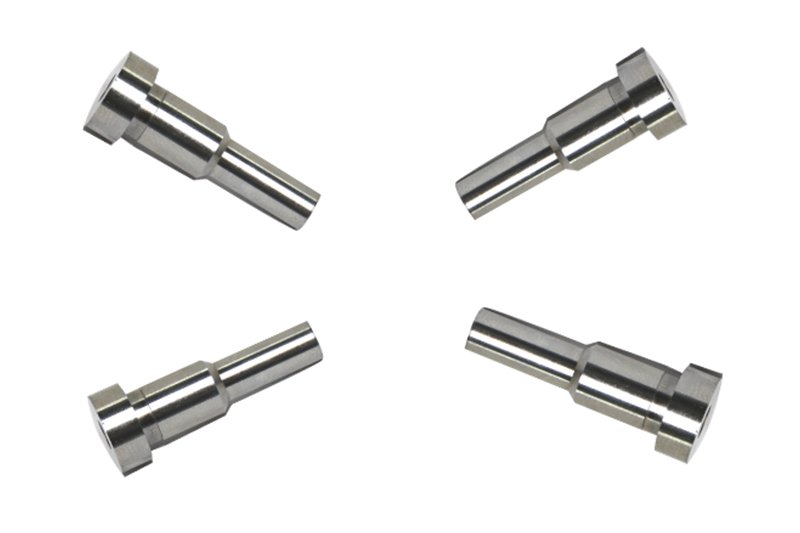
Plastic film parts · Precision mold insert
Automotive Connector Parts – Universal Electrical Connectors & Terminals for Vehicles
Brand Xuxiang Mold
Availability Made to drawing
RFQ pricing
Quote from STEP / PDF & quantity
Keep every circuit in your vehicle reliable, safe, and easy to service with high‑quality automotive connector parts. Designed for modern cars, trucks, marine, off‑road, and motorsport applications, these components help you build and repair wiring looms with confidence. Enjoy secure locking mechanisms, corrosion‑resistant contacts, and housings that stand up to vibration and heat. Whether you are replacing a broken plug or custom‑building a harness, these parts make clean, professional installs simple. Upgrade your next project with durable automotive connector parts that are made to last in real‑world driving conditions.
- ISO 9001:2015–oriented process & documented inspection paths
- Zeiss / Nikon class metrology available for critical dimensions
- DFM feedback from 10+ senior tooling engineers
- Dongguan HQ + Quanzhou capacity for volume programs
Professional Automotive Connector Parts for Reliable Vehicle Wiring
Automotive electrical systems rely on thousands of individual connections to deliver power and data throughout the vehicle. From engine sensors and fuel injectors to lighting and infotainment, every signal depends on stable, low‑resistance connections that withstand vibration, temperature swings, moisture, and contaminants. Our range of automotive connector parts is designed to meet these demanding conditions, giving technicians, DIY enthusiasts, and harness builders a dependable foundation for any wiring project.
These components cover the full spectrum of automotive connection needs, including sealed and unsealed plugs, terminals, housings, seals, and accessories. Whether you are maintaining OEM systems, building a custom harness, or upgrading an existing installation, these parts help you create neat, serviceable, and long‑lasting connections.
What Are Automotive Connector Parts?
Automotive connector parts are the individual components that make up a complete automotive electrical connector. Instead of purchasing only pre‑assembled plugs, these parts allow you to configure connections to suit your exact wire size, environment, and layout requirements. Typical systems include a plastic or composite housing, male and female metal terminals, rubber seals, and secondary locks or clips to keep everything in place.
In modern vehicles, connectors are used in critical locations such as ECUs, ABS modules, engine bay harnesses, lighting systems, transmission control, and interior looms. Quality connector parts help prevent intermittent faults, shorts, and corrosion that can cause hard‑to‑diagnose electrical issues. Using the correct connector style for each application ensures reliable performance and reduces the chance of breakdowns or warning lights caused by poor contacts.
Key Features & Benefits
Choosing the right automotive connector parts delivers tangible benefits for both professional workshops and serious DIY users.
- Secure mechanical locking: Most connector housings feature positive locking tabs or latches that resist vibration and accidental disconnection, ideal for engine bay and chassis mounting.
- Corrosion‑resistant terminals: Tin‑ or nickel‑plated copper alloy terminals (depending on style) offer excellent conductivity and enhanced resistance to oxidation in demanding environments.
- Environmental sealing options: Sealed connector systems use individual wire seals and perimeter gaskets to keep out water, dust, and road salt, making them suitable for under‑hood, under‑body, and off‑road use.
- Wide wire gauge compatibility: Different terminal sizes are available for common automotive wire sizes, from thin signal wires through to heavier power feeds, allowing consistent crimp quality.
- Modular and serviceable: Because these are individual parts, damaged housings, broken locks, or corroded terminals can be replaced without cutting and re‑splicing the entire harness.
- Clean, OEM‑style appearance: Using matching housings, correct terminals, and proper seals ensures a professional, factory‑like finish that is easier to troubleshoot and upgrade later.
- Compatibility with common families: Many parts follow familiar connector families used by OEMs and popular aftermarket brands, simplifying replacement and repair of existing systems.
Specifications & Key Attributes
The table below summarises typical attributes you should consider when selecting automotive connector parts for your project. Exact specifications vary by connector family and part type; always match the part to your vehicle’s requirements and wiring standards.
| Attribute | Description |
|---|---|
| Connector Type | Inline, bulkhead, sensor, lighting, ECU, multi‑pin and single‑pin styles depending on application |
| Number of Positions | Single, 2‑pin, 3‑pin, 4‑pin, and various multi‑pin configurations for power and signal circuits |
| Sealing | Sealed (with wire seals and gaskets) for harsh environments, or unsealed for interior/dry locations |
| Terminal Style | Crimp‑type male and female terminals designed for automotive crimp tools and consistent contact pressure |
| Compatible Wire Sizes | Selected to suit common automotive wire gauges used for sensors, control circuits, and power distribution |
| Housing Material | Automotive‑grade plastic or composite materials engineered for heat, chemical, and impact resistance |
| Locking Mechanism | Integrated tabs, secondary locks, or slide locks to prevent accidental disconnection under vibration |
| Typical Applications | Engine bay harnesses, lighting looms, fuel system, ABS, transmission, interior electronics, accessories |
| Installation Method | Crimp terminals onto stripped wires, insert into housing until latched, then engage any secondary locks |
| Serviceability | Terminals can usually be depinned using appropriate tools to repair, re‑terminate, or reconfigure circuits |
Use Cases & Who These Parts Are For
Automotive connector parts are suitable for a wide range of users and vehicles, from daily drivers to specialised builds. They are ideal for:
- Professional auto electricians: Build or repair harnesses with connectors that match OEM fit and performance, improving reliability and customer satisfaction.
- Performance and motorsport builders: Create robust custom looms for engine swaps, standalone ECUs, data logging, and additional gauges, with connectors that can withstand high heat and vibration.
- 4×4, off‑road, and marine installers: Use sealed connectors for auxiliary lighting, winches, air compressors, pumps, and navigation electronics exposed to water, dust, and mud.
- Restoration projects: Replace brittle, discoloured, or broken factory connectors while maintaining an original‑looking installation on classic cars and bikes.
- DIY enthusiasts and hobbyists: Upgrade aftermarket accessories such as LED light bars, audio systems, cameras, and sensors with proper connectors instead of temporary or makeshift joins.
Because these parts are modular, you can stock a small selection of popular housings, terminals, and seals and cover a wide variety of repair situations. This reduces downtime, prevents unnecessary harness replacement, and keeps vehicles on the road longer.
Installation, Care & Buying Guidance
To get the best performance and reliability from your automotive connector parts, correct selection and installation practices are essential.
Choosing the Right Parts
- Match the pin count: Choose a connector with the same number of ways (positions) as your existing plug or the number of circuits you plan to run.
- Check sealing requirements: For engine bay, under‑body, or exterior locations, select sealed connectors. For interior or protected areas, unsealed connectors may be sufficient.
- Confirm wire size compatibility: Ensure the terminals are suited to the wire gauge you are using to maintain a strong mechanical and electrical crimp.
- Consider service access: Use connectors in places where future diagnostics or component replacement may be needed, rather than hard‑splicing wires.
Best Practices for Installation
- Use a proper automotive‑grade crimping tool matched to the terminal style for consistent, gas‑tight crimps.
- Strip only the recommended length of insulation to avoid exposed strands and ensure the insulation crimp section grips firmly.
- Insert each terminal into the housing until you feel or hear it click; gently tug to confirm it is locked in place.
- Fit secondary locks or terminal position assurance (TPA) devices where provided before installing the connector in the vehicle.
- Route wiring looms away from sharp edges, moving components, and extreme heat sources, securing them with proper clips and sleeving.
Care, Maintenance & Troubleshooting
- Periodically inspect connectors in harsh locations for signs of damage, corrosion, or loose pins, especially after off‑road use or winter driving.
- When disconnecting, always release the locking tab rather than pulling on the wires, to avoid stressing the crimps.
- If contamination is present, clean with appropriate electrical contact cleaners and allow to dry fully before reconnection.
- Replace damaged housings, seals, or terminals promptly to prevent further issues down the line.
By investing in the right automotive connector parts and following good installation practices, you greatly reduce the risk of intermittent faults, improve safety, and make future servicing easier. Whether you are working on a single repair or building a complete harness from scratch, these components are a key part of any reliable electrical system.
FAQ
Are these automotive connector parts compatible with my vehicle?
Compatibility depends on the connector style, pin count, and wire size. In many cases you can match the shape and locking features of your existing connector, or choose a universal sealed or unsealed style for custom wiring. When in doubt, compare the housing design and measure the wire gauge before ordering.
Do I need special tools to install these connectors?
For best results you should use an automotive‑grade ratcheting crimp tool suited to the specific terminal type. This ensures a secure, repeatable crimp that meets automotive standards. Basic hand tools may work for temporary repairs, but are not recommended for critical circuits.
Can these connector parts be used in the engine bay or exposed areas?
Yes, many of the available connector families are designed for under‑hood and exterior use. For exposed locations, always choose sealed connectors with appropriate wire seals and gaskets, and route cables away from direct heat and moving parts.
How should I choose the correct size for my wires?
Select terminals that list compatibility with the wire gauge you are using. The insulation should sit snugly in the rear crimp area, and the conductor crimp should firmly grip the copper strands without cutting them. If the wire feels loose or cannot be inserted fully, choose a different terminal size.
What is the best way to maintain and clean automotive connectors?
Disconnect the connector, inspect for dirt, moisture, or corrosion, and use a suitable electrical contact cleaner if needed. Allow everything to dry thoroughly before reconnecting. Avoid abrasive tools that could damage plating or seals, and replace any worn or torn seals promptly.
Do these connector parts come with a warranty or return option?
Warranty and return terms depend on the specific supplier and product line. In general, unused parts in their original condition can be returned within the stated returns period, and manufacturing defects are covered under a limited warranty. Check the detailed policy at checkout before purchasing.
How long does shipping usually take for automotive connector parts?
Shipping times vary by region and shipping method. Standard shipping typically takes a few business days within the same country, while international orders may require additional transit time and customs clearance. Expedited options are often available at checkout for urgent projects.
Can I reuse old terminals and housings, or should I replace them?
Where possible, it is recommended to replace old or corroded terminals and damaged housings. Reusing worn components can lead to poor contact pressure, intermittent faults, and moisture ingress. If a connector has visible damage, discolouration, or cracked plastic, replace it with new parts.
Are these parts suitable for high‑vibration or motorsport applications?
Many automotive connector families are specifically engineered to withstand vibration and harsh conditions. Look for connectors with robust locking mechanisms, secondary locks, and sealed designs. When installed correctly with proper strain relief, they are well suited to motorsport and off‑road use.
Can I use these connectors for 12V and 24V systems?
Yes, most automotive connector parts are suitable for both 12V and 24V vehicle systems, provided current levels and wire sizes are matched correctly to the terminals. Always ensure that the connector and wire gauge are appropriate for the load to avoid overheating or voltage drop.
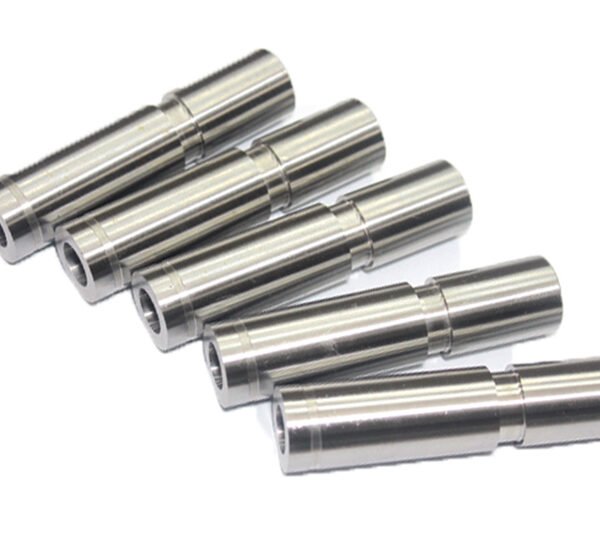
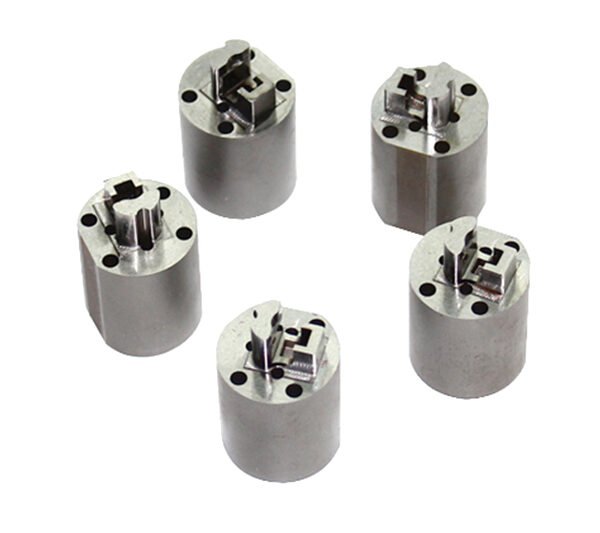
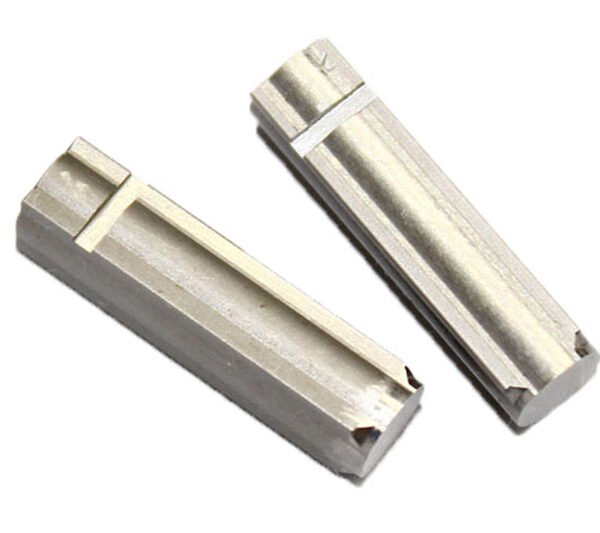
Same drawing, predictable results—next batch
Share revision, quantity ramp, and inspection level. We quote process route, ship date, and documentation in one structured response.