
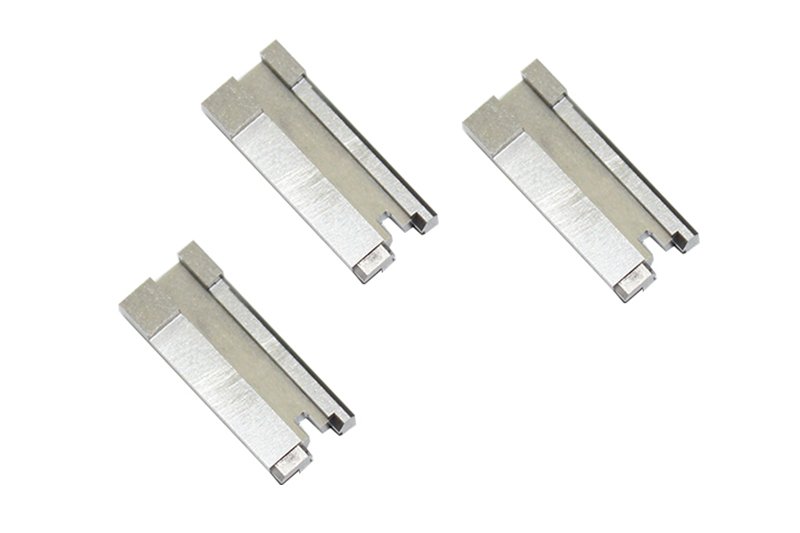
Plastic film parts · Precision mold insert
Automotive Connector Parts – Versatile Electrical Connectors & Terminals for Vehicles
Brand Xuxiang Mold
Availability Made to drawing
RFQ pricing
Quote from STEP / PDF & quantity
Keep every circuit in your vehicle reliable and secure with high‑quality automotive connector parts designed for modern 12V and 24V systems. From sealed multi‑pin plugs under the hood to compact terminals behind dashboards, this selection helps you build, repair, or upgrade wiring with confidence. Durable housings, precision contacts, and weather‑resistant seals support long service life in harsh environments. Ideal for professional technicians and DIY enthusiasts working on cars, trucks, powersports, marine, and off‑road applications. Choose the right combination of shells, pins, and seals to match your harness layout and avoid intermittent electrical problems.
- ISO 9001:2015–oriented process & documented inspection paths
- Zeiss / Nikon class metrology available for critical dimensions
- DFM feedback from 10+ senior tooling engineers
- Dongguan HQ + Quanzhou capacity for volume programs
Professional-Grade Automotive Connector Parts for Reliable Vehicle Wiring
Automotive electrical systems depend on thousands of individual connections to deliver stable power and clean signals to every sensor, control unit, and accessory. Automotive connector parts are the building blocks that make those circuits safe, serviceable, and long‑lasting. This category includes connector housings, terminals, seals, backshells, and related accessories used to join wires throughout passenger cars, commercial trucks, buses, off‑road machinery, powersports vehicles, and more.
Unlike generic household connectors, automotive components are engineered to withstand vibration, temperature extremes, road salt, fluids, and constant movement common in engine bays and chassis harnesses. By choosing purpose‑designed automotive connector parts, you reduce the risk of voltage drops, intermittent faults, and corrosion that can trigger warning lights, no‑start conditions, or performance issues.
Whether you are building a custom harness, repairing a damaged plug on a sensor, or upgrading lighting and accessories, a well‑matched combination of connector shells, crimp terminals, and seals ensures a secure, professional result. These parts are compatible with typical low‑voltage DC wiring used for power distribution, CAN/LIN communication, audio, and control circuits in modern vehicles.
Key Features & Benefits
Automotive connector parts are available in a wide range of formats so you can closely match OEM fit and performance while still allowing flexibility for custom projects. Key benefits include:
- Wide compatibility with vehicle systems – Use suitable connectors for sensors, actuators, fuel systems, lighting, infotainment, engine management, and transmission control.
- Secure mechanical locking – Many housings feature positive locking tabs, secondary locks, or latch mechanisms that prevent accidental disconnection under vibration.
- Environmental protection – Options with grommets and cavity seals help protect the mating interface against moisture, dust, and chemicals, making them suitable for engine bays, underbody, and exterior locations.
- Serviceable and replaceable – Terminals can typically be de‑pinned with appropriate tools, allowing you to repair a single wire or reuse housings instead of replacing entire harness sections.
- Support for different wire sizes – Various terminal designs accommodate common automotive wire gauges used for low‑current signal lines as well as higher‑current power feeds to relays, fans, and pumps.
- OEM-style appearance – Using dedicated automotive connector parts helps maintain a clean, factory‑like look, which is particularly important for restorations, motorsport builds, and professional fleet service.
- Improved diagnostic reliability – Solid electrical contacts with consistent crimp quality and appropriate sealing reduce contact resistance and intermittent faults, making scan tool diagnostics more reliable.
Specifications & Key Attributes
Because automotive connector parts cover many formats and series, specifications vary by individual product. The table below outlines typical attributes to consider when selecting components for your application.
| Attribute | Description |
|---|---|
| Connector type | Options may include inline connectors, bulkhead connectors, header/fusebox connectors, sensor plugs, and multi‑pin module interfaces. |
| Number of positions | Single‑pin to high‑pin‑count multi‑row connectors used for engine control units, body control modules, and instrument clusters. |
| Contact style | Crimp terminals, tab/blade contacts, round pins, and receptacles designed for low‑voltage DC automotive wiring. |
| Wire size compatibility | Terminals are generally offered for common automotive wire sizes used for both signal and power circuits; always match to the conductor cross‑section specified by the connector series. |
| Sealing level | Unsealed connectors for interior/dry locations or sealed designs with cavity seals and grommets for engine bay, exterior, and underbody use. |
| Housing material | Automotive‑grade plastics formulated for heat, chemical, and impact resistance suitable for vehicle environments. |
| Terminal material & finish | Copper‑alloy terminals with surface finishes selected for conductivity and corrosion resistance. |
| Temperature suitability | Designed for typical automotive temperature ranges found inside passenger cabins, engine compartments, and exterior mounting points. |
| Locking & secondary retention | Primary latching features and optional secondary locks or terminal position assurance (TPA) devices to keep contacts seated. |
| Typical applications | Lighting, engine management, transmission, ABS/ESP, HVAC, audio and infotainment, safety systems, accessories, and custom harnesses. |
Use Cases & Who These Parts Are For
Automotive connector parts are suitable for a wide audience, from individual enthusiasts to professional engineers. Common use cases include:
- Repairing damaged connectors – Replace broken locking tabs, melted housings, or corroded terminals on sensors, coils, injectors, lights, and more instead of swapping entire harness assemblies.
- Retrofitting and upgrades – Add auxiliary lighting, winches, audio equipment, cameras, or data loggers using connectors that can be disconnected for service and maintain a clean wiring layout.
- Custom motorsport and performance harnesses – Build dedicated engine or chassis looms for race cars, off‑road rigs, or track projects with high‑reliability connectors that withstand vibration and frequent servicing.
- Fleet and commercial vehicle service – Keep trucks, buses, and heavy equipment in service by stocking common connector parts for quick on‑site repair of critical systems.
- Restoration and classic vehicles – Replace brittle, oxidized original plugs with modern equivalents while preserving the factory wiring layout and serviceability.
- Prototype and low‑volume manufacturing – Integrate proven automotive‑grade connectors into new vehicle systems or specialty equipment without committing to custom tooling.
These parts are particularly valuable for anyone who wants to avoid temporary fixes such as twisted wires or household connectors that may not withstand automotive conditions. Using the right connector parts from the start saves time, reduces comebacks, and increases long‑term reliability.
Selection & Buying Guidance
Selecting the right automotive connector parts involves matching both the mechanical and electrical requirements of your circuit. Consider the following when choosing components:
- Identify the mounting environment – Decide whether you need sealed connectors for engine bay, exterior, or under‑vehicle locations, or unsealed types for dry interior spaces behind dashboards or under seats.
- Determine pin count and layout – Count the number of circuits you need to connect and choose a matching or slightly larger connector to allow for future expansion.
- Check wire size and current – Make sure terminals support the conductor size and current level of each circuit, including starting surges for motors and high‑draw accessories.
- Consider serviceability – For components that may be removed frequently, such as lighting assemblies or replaceable modules, choose connectors with easy‑to‑operate locks and clear indexing.
- Plan for polarity and keying – Use keyed or color‑coded connectors where possible to prevent mis‑mating similar plugs during maintenance or repairs.
- Use proper tooling – Many automotive terminals require dedicated crimp tools to form correct conductor and insulation crimps, ensuring mechanical strength and low resistance.
For complex projects, it is often helpful to map out your harness on paper or in CAD, then select connector housings and terminals for each junction before ordering. This approach minimizes mismatches and ensures you have all required seals, plugs, and accessories on hand during installation.
FAQ
How do I know which automotive connector parts are compatible with my vehicle?
The best approach is to identify the location and function of the existing connector, then match the shape, locking style, and number of pins. When possible, reference the original part number, service manual, or wiring diagram to confirm connector series and pinout before ordering replacement parts.
Are these connector parts suitable for engine bay and exterior use?
Many automotive connector parts are designed for harsh environments, but not all. For engine bay, exterior, or under‑vehicle locations, choose sealed connectors with appropriate grommets and cavity seals, and verify that the materials are intended for temperature, moisture, and chemical exposure typical of those areas.
Do I need special tools to crimp the terminals?
Most automotive terminals require a quality crimp tool that matches the terminal style and wire size. Using dedicated tools helps form correct conductor and insulation crimps, providing both mechanical strength and low electrical resistance. Poor crimps made with generic pliers can lead to loose connections and intermittent faults.
Can I reuse old housings with new terminals?
In many cases, you can depin worn or corroded terminals from a housing and install new contacts, provided the housing is undamaged and the new terminals are from the same connector family. Inspect locking tabs and seals before reuse, and make sure the terminal design matches the original specification.
What is the best way to protect connectors from corrosion?
Choose sealed connectors for exposed locations, route wiring away from direct spray where possible, and ensure grommets and seals are correctly seated. Some technicians also use dielectric grease at the seal interface to help exclude moisture; always follow manufacturer recommendations for your connector series.
How are these parts shipped and packaged?
Automotive connector parts are typically shipped in protective bags or compartment boxes to keep housings, terminals, and seals organized. Small components may be grouped by type or clearly labeled to make assembly easier on arrival. Packaging is designed to prevent bent terminals or lost seals in transit.
Can I return connector parts if I order the wrong type?
Returns generally follow standard parts return policies, which usually require items to be unused and in their original packaging. Because connectors and terminals are precision components, avoid crimping, modifying, or installing them until you are sure they match your application to maintain return eligibility.
How should I store unused connectors and terminals?
Store automotive connector parts in a dry, clean environment away from direct sunlight and extreme temperatures. Use labeled organizers or compartment boxes to keep different connector families, terminals, and seals separated. This prevents mix‑ups and helps protect delicate locking features and contact surfaces.
What if I’m building a custom harness and I’m not sure what I need?
Start by listing all devices and modules you plan to connect, then note their locations, current draw, and required pin counts. From there, select connector families that match your environmental and service needs, and plan your harness layout. When in doubt, consult an auto electrician or harness designer to confirm your component list before purchasing.
Same drawing, predictable results—next batch
Share revision, quantity ramp, and inspection level. We quote process route, ship date, and documentation in one structured response.