
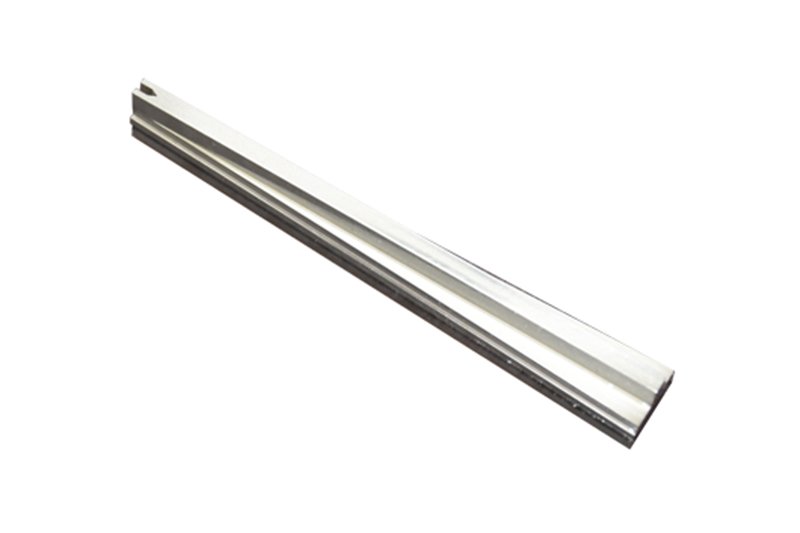
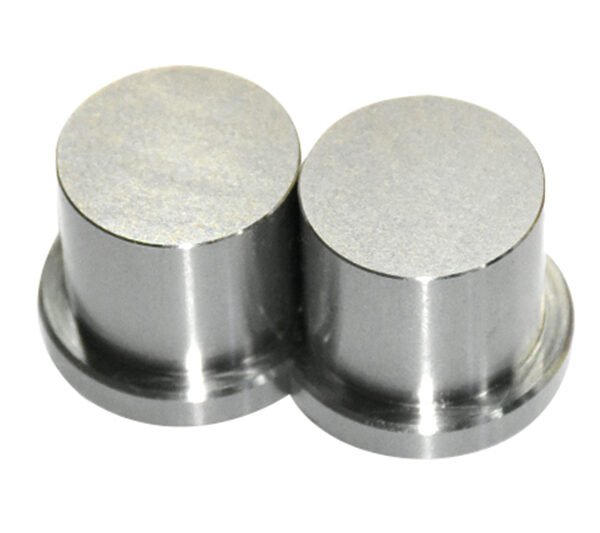
Plastic film parts · Precision mold insert
Automotive Connector Parts – Universal Electrical Harness & Plug Components
Brand Xuxiang Mold
Availability Made to drawing
RFQ pricing
Quote from STEP / PDF & quantity
Build, repair, or upgrade vehicle wiring harnesses with confidence using these durable automotive connector parts. Designed for a wide range of 12V and 24V systems, they help you create clean, reliable connections for lighting, sensors, power distribution and more. Corrosion‑resistant materials and positive locking mechanisms reduce the risk of intermittent faults and shorts in harsh automotive environments. Whether you are an auto technician, motorsport builder, or DIY enthusiast, these components keep your wiring organized, serviceable and safe. Simplify your next repair or custom project with professional‑grade automotive connector parts.
- ISO 9001:2015–oriented process & documented inspection paths
- Zeiss / Nikon class metrology available for critical dimensions
- DFM feedback from 10+ senior tooling engineers
- Dongguan HQ + Quanzhou capacity for volume programs
Professional-Grade Automotive Connector Parts for Reliable Vehicle Wiring
These automotive connector parts are designed to give technicians, builders, and serious DIY enthusiasts a dependable foundation for any vehicle wiring project. From simple stereo installs to complex harness builds for off-road, motorsport, or fleet applications, high-quality connectors are essential to prevent intermittent faults, corrosion, and costly troubleshooting down the line.
Modern vehicles rely on a dense network of electrical connections powering lights, sensors, ECUs, infotainment, safety systems, and accessories. Poor or improvised connections can lead to voltage drops, error codes, and even component failure. By using purpose-built automotive connector parts with secure locking features and automotive-grade materials, you can create neat, serviceable harnesses that stand up to vibration, moisture, and temperature changes.
Key Features & Benefits
These components are selected with real-world automotive environments in mind, where reliability and serviceability matter just as much as ease of installation.
- Automotive-grade materials: Housings are typically made from tough, heat-resistant plastics suitable for engine bay and interior use, helping resist cracking, deformation, and UV exposure.
- Secure locking mechanisms: Many connectors incorporate latch, tab, or secondary lock systems to prevent accidental disconnection under vibration or movement.
- Versatile configurations: Available in a range of pin counts and styles (single-pin to multi-pin, inline and bulkhead, male and female) to suit sensors, lighting, power feeds, and signal lines.
- Support for common terminal types: Compatible with standard crimp terminals, cable seals, and cavity plugs used throughout OEM and aftermarket harnesses.
- Service-friendly design: Many connectors are designed for easy depinning with the correct tools, making repairs and loom modifications faster and cleaner.
- Neater, safer installations: Using dedicated connector bodies instead of bare splices or generic plugs helps protect contacts from moisture and mechanical strain, reducing the risk of shorts.
- Suitable for 12V and 24V systems: Ideal for passenger cars, light trucks, motorcycles, powersports vehicles, marine, and specialty equipment where automotive-style connectors are used.
Specifications & Key Attributes
The table below summarizes typical characteristics and options you can expect when selecting from this range of automotive connector parts. Exact details vary by specific connector family and application.
| Attribute | Description |
|---|---|
| Connector Type | Inline plug and socket, header, bulkhead, and in-housing module styles commonly used in vehicle wiring |
| Number of Positions | Single-pin through multi-pin configurations suitable for power, ground, and multiple signal lines |
| Typical Applications | Lighting circuits, sensors, ECU connections, fuel systems, ignition components, auxiliary accessories |
| Material (Housing) | Automotive-grade plastic engineered for heat, vibration, and chemical resistance |
| Contact / Terminal Style | Crimp terminals designed for stranded automotive wire, often with options for sealed or unsealed use |
| Environmental Protection | Options ranging from open-style connectors to sealed designs with cable seals and cavity plugs for improved moisture resistance |
| Wire Compatibility | Supports common automotive wire sizes used in low-voltage DC circuits; refer to specific connectors for exact ranges |
| Locking Mechanism | Integrated latch, tab, or secondary lock to prevent unintended disconnection |
| Serviceability | Designed to be assembled and depinned using standard automotive connector tools and techniques |
| System Voltage | Suitable for typical 12V and 24V automotive and light industrial electrical systems |
Typical Use Cases & Who These Parts Are For
Whether you are repairing an OEM harness or building a completely custom loom, these connector parts support a wide variety of projects.
- Automotive repair shops: Replace damaged connectors instead of changing entire harnesses, saving time and cost while restoring OEM-level reliability.
- Motorsport and performance builders: Create modular, easily serviceable harnesses for engine swaps, standalone ECUs, data logging systems, and track electronics.
- Custom installers: Wire auxiliary lighting, winches, air suspension, audio systems, and camper or overland builds with professional-grade connections.
- Fleet and commercial vehicles: Maintain consistent connector standards across vans, trucks, and specialized equipment for easier servicing.
- DIY enthusiasts and restorers: Upgrade older or corroded connectors during restorations, or add modern accessories to classic vehicles without compromising reliability.
- Powersports and marine applications: Use sealed connector options (where available) for motorcycles, ATVs, UTVs, and small craft that see dirt, water, and vibration.
Because these parts are modular, you can mix connector housings, terminals, and seals to match the requirements of each circuit. This makes it easier to standardize your wiring practices across different projects and platforms.
Selection, Installation & Buying Guidance
Choosing the right automotive connector parts involves matching the connector style and rating to your specific circuit and environment. Here are key points to consider when ordering and installing:
- Check pin count and layout: Confirm how many circuits need to pass through each connector and whether you require power, ground, and signal in the same shell.
- Match wire size: Ensure the terminals you select are compatible with the gauge of wire used in your harness, as undersized or oversized crimp areas can lead to failure.
- Consider sealing needs: For engine bays, exterior, or under-vehicle locations, choose connectors that accept seals or are designed as sealed systems if additional moisture protection is required.
- Plan serviceability: Group related circuits in the same connectors and leave enough service loop in the harness so that parts can be unplugged and tested easily.
- Use proper tools: Always use the correct crimping tools and depinning tools recommended for the terminal style to achieve consistent, reliable crimps.
- Label and document: While building or repairing harnesses, label connectors and keep a simple diagram; this saves significant time on future diagnostics and modifications.
For best results, evaluate the environment (heat, vibration, exposure to fluids), current requirements of each circuit, and the accessibility of the connector once installed. Selecting components with a margin of robustness over the minimum requirement often leads to longer service life and fewer electrical issues.
FAQ
Are these automotive connector parts compatible with my vehicle?
Compatibility depends on the connector style, pin layout, and wire size used in your vehicle. Many automotive connectors follow common patterns, but you should always compare the shape, locking features, and pin count to your original connector or wiring diagram before purchase.
Do these connector parts come with terminals and seals included?
Connector housings and terminals are often supplied separately so you can match them to your specific wire gauge and sealing needs. Check the product options or descriptions to see whether you are ordering just the housing, just terminals, or a complete connector set.
How do I know which wire size these connectors support?
The supported wire range is determined by the terminals rather than the plastic housing. Refer to the terminal specifications to confirm they match the gauge of wire used in your harness, and choose the correct size terminals when ordering.
What tools do I need to install these automotive connector parts?
You will typically need a quality ratcheting crimp tool compatible with the terminal style, basic wire strippers, and sometimes a dedicated depinning tool. Using the correct tools helps ensure secure, repeatable crimps and reduces the risk of damaging the connectors.
Can I use these connectors in engine bay or exterior locations?
Many automotive connectors are suitable for under-hood or exterior use when paired with appropriate seals and mounted to minimize direct water and heat exposure. For harsh environments, choose sealed connector styles and route wiring away from exhaust components and sharp edges.
How should I protect the connectors after installation?
After installation, support the harness with clips or loom to reduce strain on the connector, and consider using split conduit or braided sleeving to guard against abrasion. In exposed areas, regular inspection and cleaning can help maintain contact quality over time.
What is your policy on returns if the connectors do not fit?
In most cases, unused connector parts in resellable condition can be returned within a defined return window, subject to the store’s standard returns policy. Always verify part numbers and compare with your original connectors before installation to avoid delays.
How are these automotive connector parts packaged and shipped?
Connector housings and terminals are typically packed in protective bags or compartments to keep parts organized and prevent damage in transit. Orders are shipped using standard trackable services, and multiple part numbers may be combined into a single shipment for convenience.
Do you offer bulk quantities for workshops and builders?
Many ranges are available in multi-packs or bulk quantities that are ideal for workshops, harness builders, and fleet maintenance operations. Buying in larger quantities can help ensure you always have common connector types on hand for urgent repairs.
How can I avoid wiring mistakes when using these connectors?
Before crimping terminals, plan your pinout carefully and label each wire. Double-check orientation and cavity numbers against your wiring diagram, and test continuity once the connector is assembled. Taking a few extra minutes during assembly can prevent time-consuming diagnostics later.
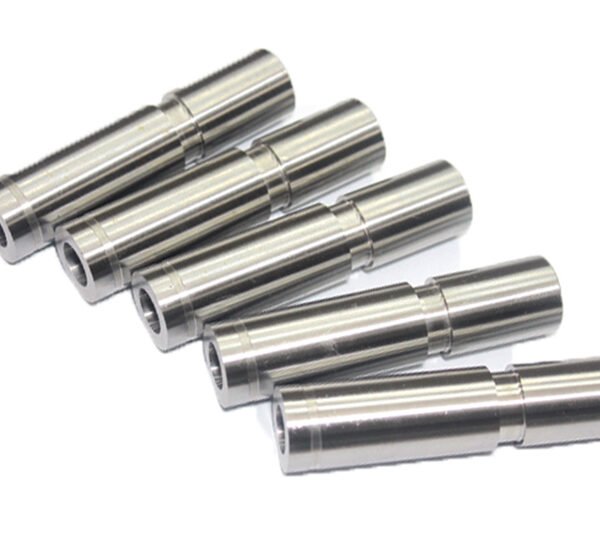
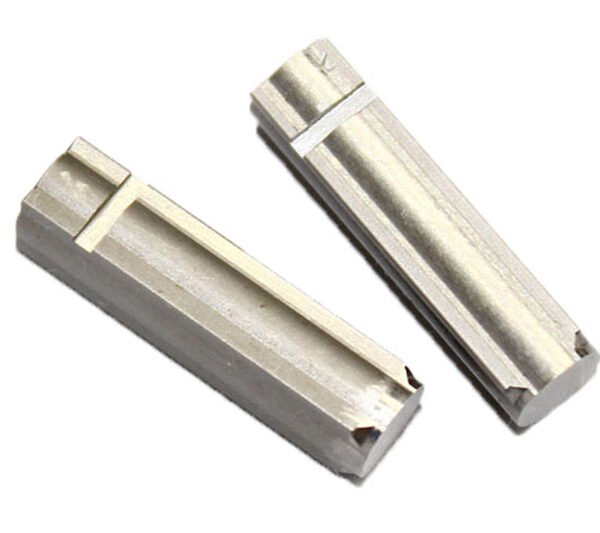
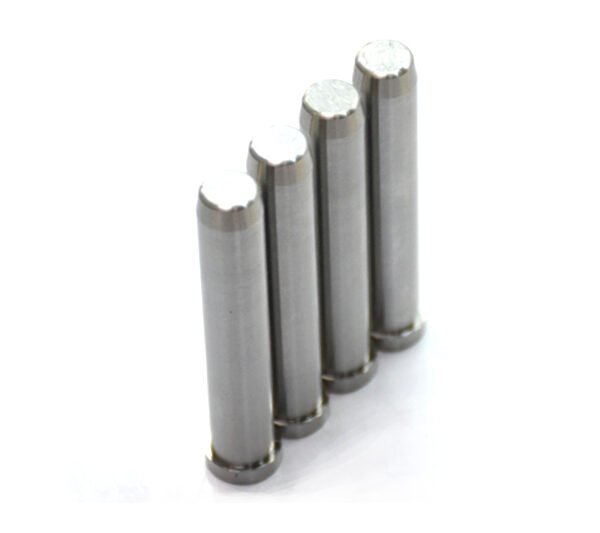
Same drawing, predictable results—next batch
Share revision, quantity ramp, and inspection level. We quote process route, ship date, and documentation in one structured response.