
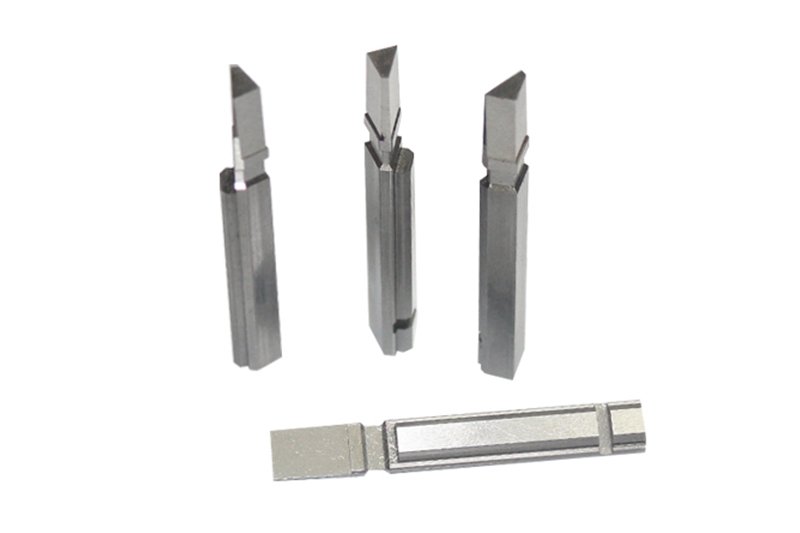
Plastic film parts · Precision mold insert
Automotive Connector Parts – Universal Electrical Plug & Terminal Assortment
Brand Xuxiang Mold
Availability Made to drawing
RFQ pricing
Quote from STEP / PDF & quantity
Keep your vehicle wiring reliable with a versatile selection of automotive connector parts designed for secure power and signal connections. This assortment helps you repair, upgrade, or customize harnesses on cars, trucks, 4x4s, motorcycles, marine equipment, and more. High‑quality housings, terminals, and seals ensure stable connections in harsh under‑hood conditions. Whether you are a professional technician or a DIY enthusiast, you can quickly match, replace, or add circuits without cutting corners. Make every electrical job cleaner, safer, and easier with these durable automotive connector parts.
- ISO 9001:2015–oriented process & documented inspection paths
- Zeiss / Nikon class metrology available for critical dimensions
- DFM feedback from 10+ senior tooling engineers
- Dongguan HQ + Quanzhou capacity for volume programs
Durable Automotive Connector Parts for Reliable Vehicle Wiring
Modern vehicles depend on stable electrical connections for everything from engine management and safety systems to lighting and infotainment. When a connector fails, it can cause intermittent faults that are hard to track down, costly diagnostics, and unexpected downtime. A well-chosen selection of automotive connector parts gives you the components you need to build or repair wiring harnesses correctly the first time.
This product is a curated assortment of commonly used connector housings, matching terminals, and related accessories for 12V and 24V automotive electrical systems. It is designed to cover a wide range of applications, including interior electronics, under‑hood circuits, chassis wiring, and auxiliary accessories. Instead of improvising with mismatched plugs or temporary fixes, you can use purpose-built connectors that lock securely, resist vibration, and protect against moisture and contaminants.
Suitable for professional workshops, motorsport teams, fleet maintenance departments, and serious DIY enthusiasts, these connector parts are compatible with typical automotive cable sizes and installation tools. With organized components and clear groupings by type, you can quickly find a compatible housing or terminal for light repairs or complete custom loom builds.
Key Features & Practical Benefits
This connector parts selection is focused on real-world reliability and ease of installation. The components are chosen to work well in demanding automotive environments where heat, vibration, and exposure to fluids are common.
- Versatile range of connector types – Includes a variety of multi-pin plug housings, single-pin connectors, spade/quick-disconnect styles, and common sensor/lighting plug forms so you can tackle many repair and retrofit tasks with one kit.
- Secure locking mechanisms – Many housings feature integrated locking tabs or latch systems to prevent accidental disconnects from vibration or pulling on the harness.
- Weather-resistant options – Selected connectors include seals/grommets and tight-fitting housings intended for use in engine bays, wheel wells, and external lighting where moisture and dirt are a concern.
- Matched terminals and housings – Terminals are designed to fit their specific connector bodies, reducing the risk of poor engagement, overheating, or fretting corrosion caused by loose pins.
- Support for common automotive wire sizes – Terminals are suitable for typical automotive conductors used in 12V/24V systems, helping ensure proper crimp strength and current-carrying performance.
- Ideal for repairs and custom builds – Whether you are replacing a broken plug, building a custom harness for auxiliary lighting, or tidying a race car loom, you can achieve neat, serviceable results.
- Professional appearance – Using appropriate connectors instead of improvised joins or taped splices gives your work an OEM-like look and makes future service easier.
Specifications & Included Components
The table below summarizes the typical characteristics and scope of this automotive connector parts assortment. Exact contents may vary slightly depending on batch, but the functional coverage remains focused on common automotive wiring needs.
| Attribute | Description |
|---|---|
| Product type | Assortment of automotive electrical connector housings, terminals, and related parts |
| Connector styles | Multi-pin plug housings, single-pin connectors, blade/spade terminals, quick disconnects, and common sensor/lighting connector formats |
| Typical applications | Engine bay wiring, lighting circuits, interior electronics, accessories, trailers, off-road and motorsport harnesses |
| Wire compatibility | Designed for standard low-voltage automotive cable sizes used in 12V and 24V systems |
| Environmental resistance | Selection includes dry-interior and weather-resistant connectors with seals for exposed locations |
| Material (housings) | Automotive-grade plastic materials suitable for typical temperature and chemical exposure in vehicles |
| Material (terminals) | Metal contacts designed for crimping to automotive-grade copper conductors |
| Connection method | Crimp-style terminals for insertion into locking housings; some components may support soldering if preferred |
| Tooling | Compatible with standard automotive crimp tools and depinning tools (tools not necessarily included) |
| Typical user | Automotive electricians, workshop technicians, restorers, hobbyists, and custom wiring specialists |
Use Cases & Who This Is For
Because the selection covers a broad mix of connector types, it is suitable for many different scenarios in passenger vehicles, commercial fleets, and enthusiast projects.
- Workshop & garage repairs – Replace cracked, melted, or corroded connectors on sensors, ignition components, coils, injectors, fans, and other under‑hood devices.
- Lighting upgrades – Add or repair connectors for auxiliary LED bars, fog lights, trailer lighting, or upgraded headlamps, keeping wiring neat and detachable.
- Restoration projects – Refresh the wiring on classic cars or motorcycles by installing new housings and terminals while maintaining a tidy, factory-style appearance.
- Motorsport & off-road – Build custom looms for race cars, track toys, or off-road vehicles where quick serviceability and vibration resistance are critical.
- Fleet and equipment maintenance – Support ongoing repairs to vans, trucks, agricultural machinery, or construction equipment with compatible connector parts on hand.
- DIY customizations – Add accessories such as dash cameras, additional sockets, or inverter power without resorting to permanent splices that complicate future changes.
If you frequently diagnose electrical faults or modify vehicle systems, having a dedicated assortment of connector parts on the shelf greatly speeds up your work. Instead of waiting for individual connectors to arrive or scavenging from old harnesses, you can select a suitable housing and terminals immediately and complete the job in one visit.
Installation, Care & Buying Guidance
To get the best results from these automotive connector parts, correct installation and basic care practices make a big difference in long-term reliability.
- Match connector type and pin count – Choose a connector body with the appropriate number of ways and a mechanical layout that suits your application and available space.
- Select suitable wire gauge – Use automotive cable that fits correctly in the terminal crimp area; undersized or oversized conductors can weaken the connection.
- Use a quality crimp tool – A dedicated open‑barrel or automotive crimp tool will form consistent crimps with proper mechanical strength and electrical contact.
- Check orientation and locking – After inserting terminals into the housing, gently tug each wire to confirm it is fully latched; then close any secondary locks if provided.
- Protect exposed connections – In areas exposed to moisture or debris, use connectors with seals and route wiring to avoid direct spray, sharp edges, and excessive heat sources.
- Periodic inspection – As part of routine vehicle maintenance, visually inspect connectors in high‑stress locations (engine bay, suspension areas) for damage, corrosion, or loose retention.
When choosing between different connector styles or assortments, consider where they will be used and what level of environmental protection is required. Interior connectors can prioritize compact size and ease of service, while engine bay or exterior locations benefit from sealed, weatherproof designs. Also think about future modifications: using a connector with a spare way or two can make it easier to add circuits later without replacing the entire plug.
This selection is particularly suitable if you want a practical balance of coverage and value: it provides commonly used connector forms and terminals without tying you to a single vehicle brand. For highly specialized or OEM-specific plugs, you can complement this kit with manufacturer-specific connectors as needed, while still relying on the assortment for most day-to-day repairs and custom work.
FAQ
Are these automotive connector parts compatible with my vehicle?
The connectors are designed around common automotive wiring standards used on many cars, trucks, and motorcycles. However, specific OEM plugs may differ, so for critical sensors or brand-specific connectors you may still need exact replacements. For general repairs, custom wiring, and accessory installation, this assortment will cover most needs.
Do I need special tools to use these connectors?
A quality automotive crimp tool is strongly recommended for installing the terminals correctly. Basic hand tools such as wire strippers and side cutters are also needed. Depinning tools can make it easier to remove or reposition terminals inside the housings, but are not always essential for simple jobs.
Can these connectors be used in the engine bay or outside the vehicle?
Many of the included connectors are suitable for under‑hood and exterior use when properly installed, especially those supplied with seals or grommets. For exposed areas, ensure you choose a weather-resistant connector from the assortment and route wiring away from extreme heat, moving parts, and direct spray wherever possible.
How should I care for and maintain the connectors after installation?
Inspect high‑stress areas periodically for signs of corrosion, broken locks, or damaged insulation. If a connector is exposed to mud, salt, or fluid spills, gently clean the exterior and, if safe, disconnect and inspect the terminals. Applying a suitable dielectric grease on some exposed connections can help resist moisture, provided it is compatible with your components.
What if I crimp a terminal incorrectly—can it be reused?
Once a terminal has been fully crimped, it is usually best to discard it if the crimp is incorrect. Reusing a distorted terminal can lead to poor contact, overheating, or intermittent faults. It is safer to cut the wire back slightly, strip again, and crimp a fresh terminal using the correct tool settings.
Is there any guidance about current rating or circuit capacity?
The current-carrying capability depends on several factors: wire size, terminal contact area, housing design, and ambient temperature. As a general rule, match the connector size and terminal type to the wire gauge recommended for your circuit, and avoid pushing connectors beyond typical automotive accessory loads unless you have confirmed suitability with additional engineering data.
What are the shipping options and delivery times?
Shipping options typically include standard and express services. Delivery times vary by region and the shipping method selected at checkout. Estimated delivery windows and tracking information are provided once your order is dispatched so you can plan your work accordingly.
Can I return the connector parts if they do not meet my needs?
Most orders are covered by a standard returns or warranty policy, provided items are unused and in resalable condition. If you ordered the wrong type or quantity by mistake, contact customer support within the stated return period for instructions on how to arrange an exchange or refund according to store terms.
How do I choose between different connector assortments?
Consider your typical work: if you mostly repair modern passenger cars, look for assortments with compact sealed connectors and sensor-style plugs. For older vehicles or custom builds, you may prioritize universal multi-pin housings and blade terminals. Also evaluate whether you need predominantly weatherproof connectors, interior low-profile types, or a balanced mix of both.
Can I use these connectors for non-automotive projects?
Yes, many of the connectors are suitable for other low-voltage DC applications such as powersports, marine accessories, or equipment wiring. Always ensure the connector’s design, wire size compatibility, and environmental resistance match the requirements of your specific project before use.
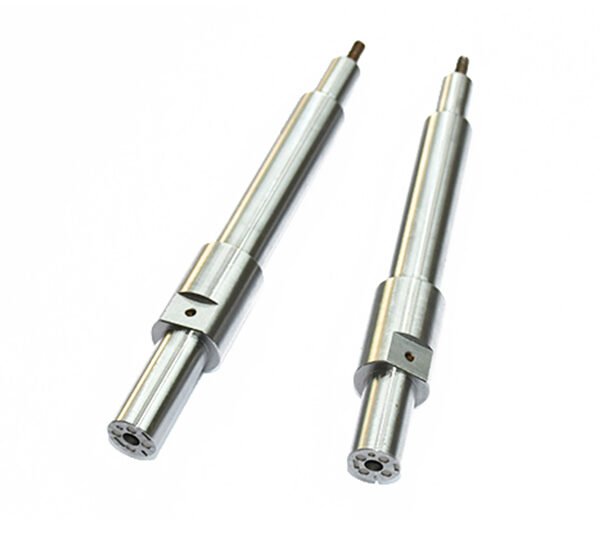
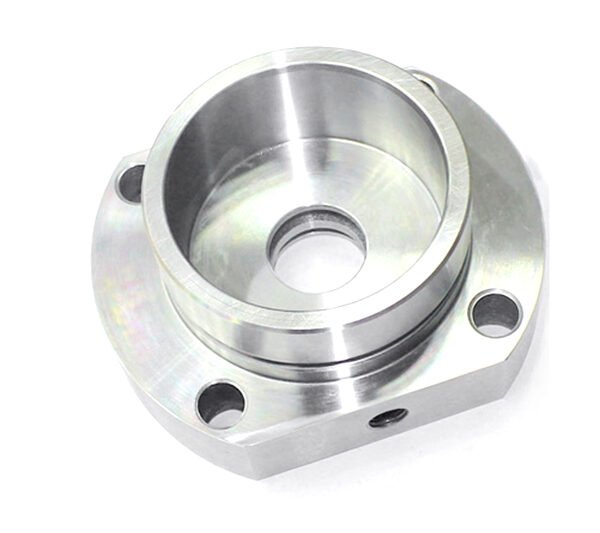
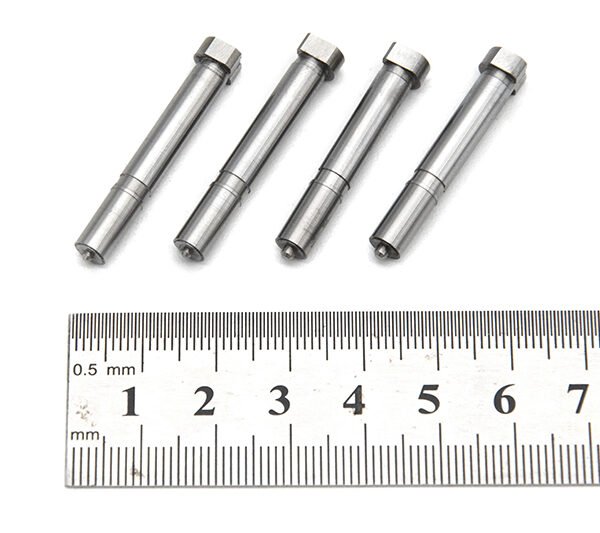
Same drawing, predictable results—next batch
Share revision, quantity ramp, and inspection level. We quote process route, ship date, and documentation in one structured response.