
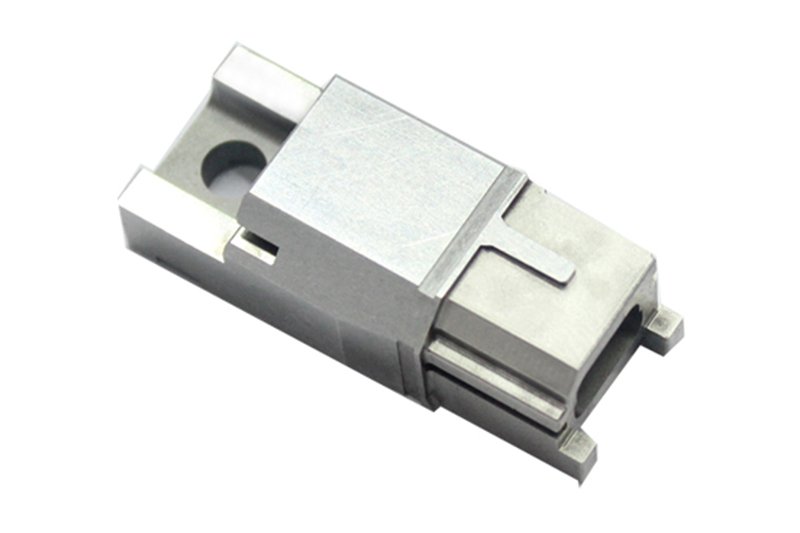
Plastic film parts · Precision mold insert
Automotive Connector Parts – Universal Electrical Connectors & Terminals for Vehicles
Brand Xuxiang Mold
Availability Made to drawing
RFQ pricing
Quote from STEP / PDF & quantity
Keep every electrical system on your vehicle running reliably with this complete range of automotive connector parts. Designed for harsh under-hood conditions, these connectors, terminals and housings help ensure clean signal transmission and secure power delivery. Whether you’re repairing OEM harnesses or building a custom loom, you can achieve factory-grade, plug-and-play connections. Corrosion-resistant materials, positive locking mechanisms and clear polarity reduce troubleshooting time and future faults. Ideal for professional technicians, motorsport fabricators and DIY enthusiasts who want dependable, serviceable wiring.
- ISO 9001:2015–oriented process & documented inspection paths
- Zeiss / Nikon class metrology available for critical dimensions
- DFM feedback from 10+ senior tooling engineers
- Dongguan HQ + Quanzhou capacity for volume programs
Reliable Automotive Connector Parts for Every Wiring Project
Modern vehicles rely on hundreds of individual electrical connections, from engine management and lighting to infotainment and safety systems. High-quality automotive connector parts are essential to keep those circuits protected, serviceable and dependable over the long term. Instead of improvising with household connectors or poorly fitting generic plugs, you can use purpose-built automotive components designed for the heat, vibration and contaminants found in the engine bay and chassis.
This product range focuses on core connector elements – housings, terminals, seals and accessories – that allow you to repair OEM harnesses, add new circuits, or build completely custom looms for cars, trucks, motorcycles, off-road vehicles and more. By using automotive-grade parts, you reduce the risk of intermittent faults, voltage drops, short circuits and costly downtime.
What Are Automotive Connector Parts?
Automotive connector parts are the individual components that make up a complete electrical connector assembly in a vehicle. A typical automotive connector includes a plastic or composite housing, metal contacts or terminals, and often silicone or rubber seals to keep out moisture and contaminants. These parts are engineered to meet automotive standards for temperature, vibration, and chemical exposure.
Common examples of automotive connector parts include:
- Connector housings – male and female plug bodies that hold the terminals in place and provide keying and locking features.
- Terminals/contacts – crimp-on metal pins or sockets that provide the electrical interface with the wire and mating connector.
- Seals and grommets – silicone or rubber components that seal the connector against dust, water and engine fluids.
- Secondary locks and TPA (Terminal Position Assurance) – clips that ensure terminals cannot back out of the housing under vibration.
- Wire dress accessories – boots, clips and strain reliefs that manage and protect the wiring at the connector interface.
These parts are used across OEM, aftermarket and motorsport applications, and are compatible with many common connector families from leading manufacturers when matched by series and size.
Key Features & Benefits
Choosing the right automotive connector parts can dramatically improve long-term reliability and serviceability of any vehicle wiring system. This range is selected with the following priorities in mind:
- Automotive-grade materials – Housings are typically made from high-temperature, impact-resistant plastics suitable for under-hood environments, while terminals use conductive, corrosion-resistant alloys for stable performance over time.
- Secure locking mechanisms – Positive latch designs and optional secondary locks help prevent accidental disconnection from vibration or pulling on the harness during service.
- Environmental protection – Options with integrated seals and boots provide enhanced resistance to water, dust, road debris and under-hood contaminants, helping prevent shorts and corrosion.
- Serviceable & reconfigurable – Proper terminal removal tools allow you to de-pin, repair and reconfigure connectors rather than replacing entire harness sections, saving time and cost.
- Clear keying & polarization – Many connector families use unique shapes, keyways and color options to minimize the risk of mis-mating or incorrect installation.
- Compatibility with OEM and aftermarket systems – By selecting matching series, lock styles and cavity counts, you can integrate these parts into OE-style harnesses or custom looms with a professional finish.
These benefits are especially important in performance applications, off-road vehicles, commercial fleets and any environment where downtime is expensive and reliability is critical.
Specifications & Key Attributes
The table below summarizes typical characteristics you can expect from a quality selection of automotive connector parts. Always refer to the specific series and part-level documentation for exact ratings and dimensions.
| Attribute | Description |
|---|---|
| Product type | Automotive connector housings, terminals, seals and accessories for vehicle wiring |
| Typical applications | Engine bay harnesses, lighting circuits, sensors, actuators, infotainment, chassis wiring, aftermarket accessories |
| Connector styles | Multi-pin plug and receptacle, in-line connectors, header-style, fuse/relay block interfaces (depending on series) |
| Wire size compatibility | Common automotive wire gauges; select terminals and housings based on the specific conductor size in your harness |
| Contact type | Crimp-style male pins and female sockets designed for dedicated crimp tools |
| Insulation & sealing | Options with individual wire seals, perimeter seals and boots for enhanced environmental protection |
| Locking features | Integrated primary latches on housings, optional secondary terminal locks and TPA features |
| Operating environment | Designed for typical automotive temperature ranges and exposure to vibration, moisture and automotive fluids |
| Color & keying | Various body colors and keying patterns to help differentiate circuits and prevent mis-mating |
| Installation method | Crimp terminals onto stripped wire, insert into housings until locked, then mate connectors until latch engages |
Common Use Cases & Who These Parts Are For
Automotive connector parts are suitable for a wide range of users and projects, from quick repairs to complete harness builds. Typical scenarios include:
- OEM-style repairs – Replace damaged connectors on engine sensors, ignition coils, injectors, ABS modules or lighting without cutting corners or hard-wiring components.
- Aftermarket accessory installations – Add auxiliary lighting, audio upgrades, cameras, trailer connectors or power distribution safely, using connectors rather than permanent splices.
- Motorsport and performance builds – Build custom looms for race cars, track cars and off-road rigs, prioritizing reliability, ease of service and fast troubleshooting between events.
- Restoration projects – Refresh aging, brittle connectors on classic cars and trucks while retaining a tidy, factory-style appearance and serviceability.
- Fleet and commercial vehicles – Standardize repairs and upgrades across multiple vehicles using consistent connector families for faster diagnostics and maintenance.
These parts are ideal for automotive electricians, technicians, harness builders, motorsport fabricators, fleet maintenance teams and advanced DIY enthusiasts with basic crimping skills. For best results, pair them with appropriate professional-grade crimp tools and wire management accessories such as loom tubing, tape and labels.
Buying Guidance & Installation Tips
Selecting the right automotive connector parts starts with understanding your application and matching key parameters. Consider the following when ordering:
- Number of circuits – Choose connectors with the correct cavity count (number of pins) for the signals and power lines you need, plus any planned future expansions.
- Wire gauge and insulation – Ensure the terminals are rated for the conductor size and insulation thickness of your chosen automotive wire, so that crimps are mechanically secure and electrically sound.
- Environmental exposure – For engine bay, underbody or exterior locations, prioritize sealed connector families with robust grommets and boots to protect against water and contaminants.
- Current and voltage requirements – Match terminal and connector ratings to the load of the circuit; high-current devices may require larger contacts or dedicated high-power connectors.
- Service access – Use connectors where you expect regular disconnection for service, diagnostics or component replacement; avoid burying non-serviceable joints deep in the harness.
To install automotive connector parts correctly, follow these general tips:
- Use a quality, series-appropriate crimp tool to achieve consistent, gas-tight crimps that will not loosen under vibration.
- Strip only the required length of insulation and avoid nicking conductor strands, which can weaken the joint.
- Insert each terminal until you hear or feel it lock; gently pull back to confirm it is fully seated before closing any secondary locks.
- Route and strain-relieve wiring to minimize tension on connectors, especially near moving parts or high-vibration zones.
- Label connectors or use color coding to simplify troubleshooting and future modifications.
With the right combination of automotive connector parts and good installation practices, you can achieve professional, reliable wiring across any vehicle platform.
FAQ
Are these automotive connector parts compatible with my vehicle?
Compatibility depends on the connector series, pin count, keying and wire size used in your vehicle. For OEM-style repairs, match the connector family, shape and locking features to the original part. For custom projects, choose connectors based on your circuit requirements and environmental conditions.
How do I know which connector size and pin count to choose?
Start by counting the number of wires you need to connect and determining their functions and current draw. Select a connector with the appropriate number of cavities and a current rating that meets or exceeds your highest-load circuit. It is often wise to allow a few extra positions for future expansion or additional sensors.
Do I need special tools to use these connector parts?
Most automotive connector terminals are designed for specific crimp tools that form precise crimps on both the conductor and insulation. While universal crimpers can work in some cases, a dedicated tool for your terminal style produces more reliable results and reduces the risk of loose or damaged connections.
Can these connectors be used in the engine bay and exterior locations?
Yes, many automotive connector parts are designed for harsh environments when used with matching seals and boots. For engine bay, underbody or exterior use, select sealed connector series and follow proper installation practices to maintain the integrity of the sealing system.
What is the best way to protect connectors from corrosion and moisture?
Use sealed connector families with appropriate wire seals and housing gaskets for exposed locations. Ensure wires are stripped and crimped correctly to avoid pathways for moisture ingress. In some cases, adding dielectric grease to the seal area or using protective boots and loom tubing can further improve long-term protection.
How should I maintain or inspect automotive connectors over time?
During routine vehicle service, visually inspect connectors for broken locks, discoloration, corrosion or damaged wiring. If a circuit becomes intermittent, check for loose terminals or signs of heat damage. Replace any compromised components promptly rather than attempting temporary fixes.
What is your policy on returns if a connector part does not fit?
Return and warranty policies vary by retailer, but most allow returns of unused, undamaged connector parts within a defined period when kept in their original packaging. Check the specific terms on your order confirmation and contact customer support if you need assistance arranging an exchange for the correct parts.
How long does shipping usually take for automotive connector parts?
Shipping times depend on your location, selected shipping method and stock availability. Common options include standard delivery for cost-effective shipping and express services for urgent repairs. Lead times for special-order or bulk quantities may be longer, so plan ahead for large harness projects.
Can I mix different connector brands in the same harness?
You can use different brands within a harness, but each mating connector pair should be from the same compatible series to ensure proper fit and reliable electrical contact. Mixing incompatible housings and terminals is not recommended, as it can cause poor engagement and premature failure.
Are these connector parts suitable for high-performance or motorsport use?
Many automotive-grade connector families are widely used in performance and motorsport applications when installed correctly. For extreme conditions, consult the specifications of each connector series and consider using higher-spec sealed or motorsport-rated connectors where required.
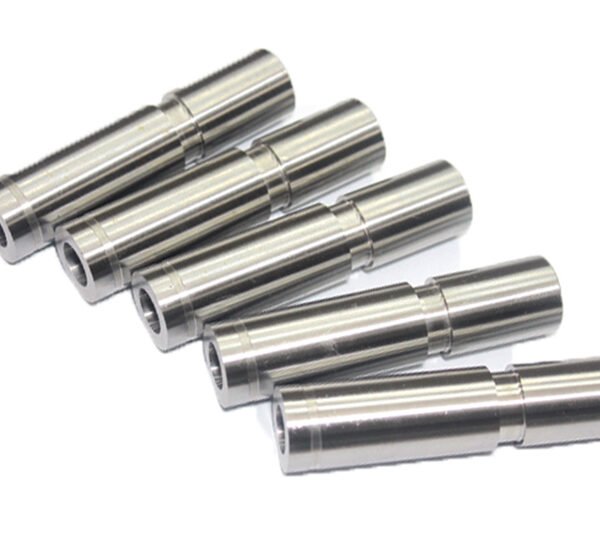
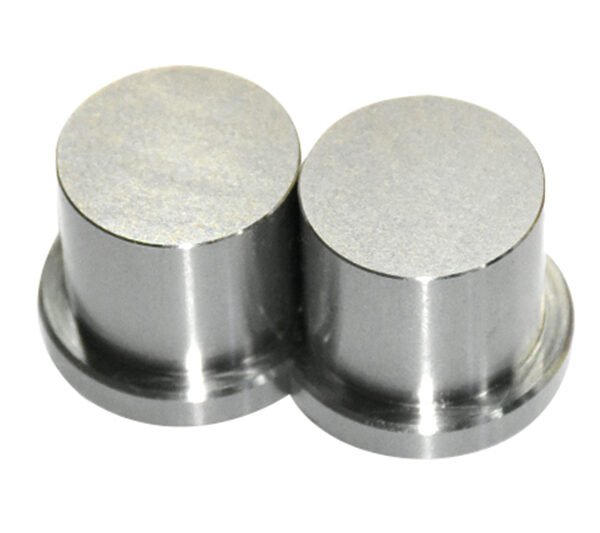
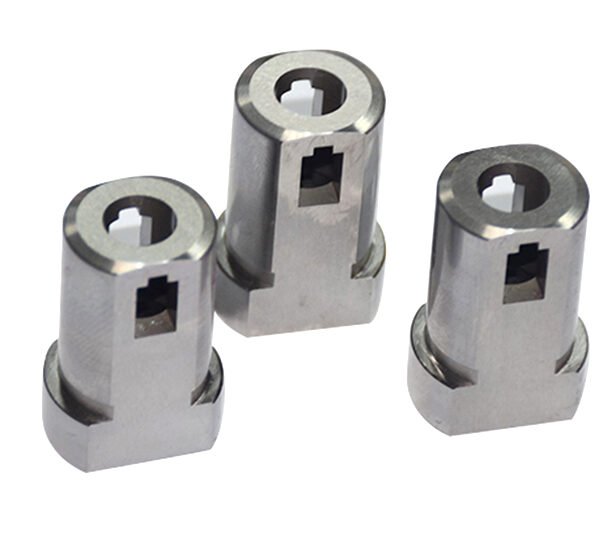
Same drawing, predictable results—next batch
Share revision, quantity ramp, and inspection level. We quote process route, ship date, and documentation in one structured response.