
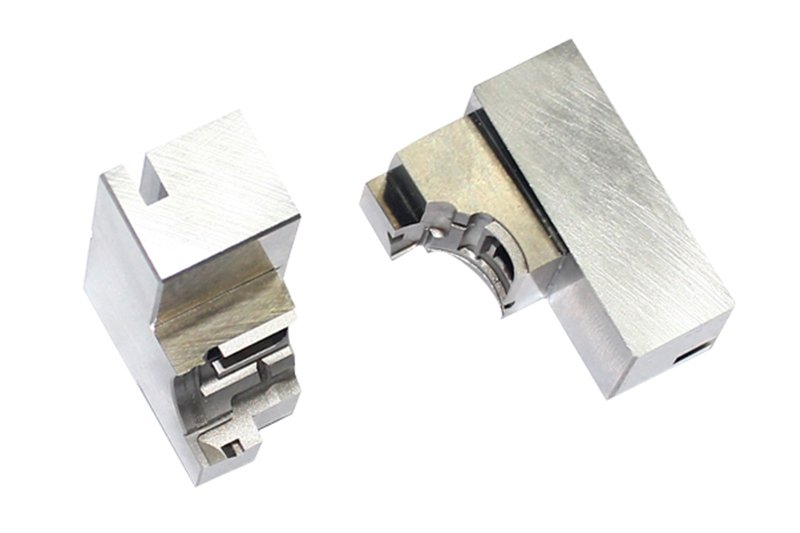
Plastic film parts · Precision mold insert
Automotive Connector Parts – Durable Electrical Connectors for Vehicle Wiring
Brand Xuxiang Mold
Availability Made to drawing
RFQ pricing
Quote from STEP / PDF & quantity
Keep your vehicle’s wiring reliable and easy to service with premium automotive connector parts designed for modern 12V and 24V systems. From multi-pin housings to terminals, seals, and locks, these components help you build clean, professional harnesses that stand up to heat, vibration, and moisture. Ideal for repair, custom builds, and upgrades, they make tracing circuits and replacing sensors or accessories straightforward. Whether you’re an auto electrician, motorsport enthusiast, or DIY mechanic, these parts support secure, low-resistance connections across your entire vehicle. Choose the right automotive connector parts once and enjoy lasting performance mile after mile.
- ISO 9001:2015–oriented process & documented inspection paths
- Zeiss / Nikon class metrology available for critical dimensions
- DFM feedback from 10+ senior tooling engineers
- Dongguan HQ + Quanzhou capacity for volume programs
Reliable Automotive Connector Parts for Every Wiring Project
Modern vehicles rely on complex electrical systems, and the quality of the connectors you use can make the difference between a dependable ride and constant troubleshooting. Our range of automotive connector parts is curated for technicians, builders, and enthusiasts who demand secure, serviceable electrical connections in cars, trucks, vans, powersports vehicles, and off-road equipment.
These components are suitable for OEM-style repairs, custom wiring harnesses, performance upgrades, lighting installs, and sensor integrations. By pairing the right housings, terminals, seals, and locking accessories, you can create robust connections that resist corrosion, moisture, vibration, and thermal cycling—exactly what you need in the harsh automotive environment.
What Are Automotive Connector Parts?
Automotive connector parts are the individual components that come together to form a complete electrical connector assembly in a vehicle wiring system. Instead of buying only pre-assembled plugs, professionals often source the parts separately to match specific wire gauges, pin counts, mounting styles, and environmental requirements.
A typical automotive connector assembly may include:
- Connector housings – Plastic or composite shells that hold the terminals and define the pin layout (2-pin, 3-pin, multi-pin, etc.).
- Male and female terminals – Metal contacts that crimp onto the wire and mate inside the housing to carry current and signals.
- Seals and grommets – Rubber or silicone components that keep out water, dust, and road grime at the wire entry points and mating faces.
- Secondary locks / TPA (Terminal Position Assurance) – Clips that lock terminals in place and prevent them from backing out due to vibration.
- Mounting clips and brackets – Accessories that secure the connector to bodywork, frames, or engine components and reduce strain on the wires.
Using the right combination of these parts ensures that each connection remains electrically stable and mechanically secure throughout the life of the vehicle.
Key Features & Benefits
Our automotive connector parts are selected to meet the demanding conditions found under the hood, under the chassis, and inside vehicle cabins. Here are some of the core benefits you can expect when you build or repair harnesses with these components:
- Secure electrical performance – Precision terminals and matched housings promote low-resistance contact and consistent signal integrity for sensors, actuators, lighting, and power circuits.
- Enhanced environmental protection – Weatherproof designs with seals and grommets help shield critical connections from moisture, dust, road salt, and debris, reducing corrosion-related faults.
- Vibration and impact resistance – Positive locking mechanisms and terminal position assurance features keep contacts seated even in high-vibration environments such as engines, off-road vehicles, and trailers.
- Serviceability and troubleshooting – Standardized pin layouts, keyed housings, and color-coded components simplify diagnostics and future repairs, saving time in the workshop.
- Compatibility with common wire sizes – Options for typical automotive wire gauges and insulation types help ensure solid crimps and long-lasting mechanical strength.
- Custom harness flexibility – Mix and match housings and terminals to design harnesses that fit your exact routing, pin count, and device layout rather than compromising with generic pre-made looms.
- Professional appearance – Clean connectors, tidy looms, and consistent components make your wiring look OEM-grade, which is especially important for customer vehicles and showroom-ready builds.
Specifications & Attribute Overview
The exact specifications will vary by connector family and part, but the table below outlines typical attributes you should consider when selecting automotive connector parts for your project.
| Attribute | Description |
|---|---|
| Connector Type | Options include inline plugs, panel-mount connectors, bulkhead connectors, sensor connectors, and multi-pin harness connectors. |
| Number of Positions | Available from simple 1–2 position connectors up to high-density multi-pin layouts for complex modules. |
| Terminal Style | Crimp terminals for power and signal, with male and female versions matched to specific housings. |
| Wire Gauge Compatibility | Designed for common automotive wire sizes used in low-voltage vehicle systems and accessories. |
| Insulation & Seal Type | Options for unsealed indoor use or sealed/water-resistant designs using rubber or silicone grommets. |
| Housing Material | Automotive-grade plastics chosen for heat resistance, impact durability, and chemical resistance. |
| Locking Mechanism | Integrated latches, secondary locks, or terminal position assurance clips for secure mating. |
| Typical Applications | Lighting, sensors, fuel system components, ignition, ECU connections, auxiliary power, and custom accessories. |
| Environmental Suitability | Options for interior cabin use, engine bay temperature ranges, and underbody exposure. |
| Service & Replacement | Many connector families support individual terminal replacement and wire repair without changing the full harness. |
Use Cases & Who These Parts Are For
Automotive connector parts are essential anywhere you need to make or repair a removable electrical connection in a vehicle. Typical use cases include:
- OEM-style repairs – Replace damaged connectors on factory harnesses for sensors, coils, injectors, lights, or control modules without splicing in incompatible plugs.
- Aftermarket accessory installs – Add auxiliary lighting, audio components, cameras, winches, and power outlets with connectors that can be disconnected for maintenance.
- Motorsport and performance builds – Build custom looms for track cars, rally vehicles, and race bikes where reliability, weight, and easy service access are critical.
- Restorations and classic cars – Modernize brittle or obsolete connectors while preserving the look and function of the original wiring wherever possible.
- Commercial and fleet vehicles – Support maintenance of vans, pickups, construction equipment, and agricultural machinery where downtime is costly.
- DIY projects and prototyping – Experiment with new sensors, control units, and electronics without permanently modifying the factory harness.
These parts are ideal for auto electricians, professional workshops, harness manufacturers, motorsport teams, and serious DIY enthusiasts who want to build wiring that is safe, dependable, and easy to maintain.
Selection, Installation & Care Tips
Choosing the right automotive connector parts and installing them properly will greatly extend the life of your electrical system. Consider the following guidance when planning your purchase and your wiring work:
- Match the environment – For engine bay or exterior locations, choose sealed connector families with appropriate grommets and seals; interior cabin circuits may be fine with unsealed connectors.
- Check wire gauge and insulation – Ensure the terminal and seal range matches the wire size and insulation thickness you are using to avoid loose crimps or cut insulation.
- Use proper crimp tools – Invest in crimping tools compatible with your chosen terminals; correct crimps are essential for low-resistance, reliable connections.
- Plan pinouts carefully – Before assembling, document which circuits go to each pin position to simplify troubleshooting and future changes.
- Protect from strain – Use strain relief, mounting clips, and loom tubing so that connectors are not supporting the weight or movement of the harness.
- Inspect periodically – During routine maintenance, visually inspect exposed connectors for damage, corrosion, or loose locking tabs and address issues promptly.
- Keep spares on hand – For frequently serviced vehicles or race cars, having spare housings and terminals ready can prevent delays when a connector is damaged.
By pairing the right components with careful assembly practices, your automotive connector parts will deliver consistent performance and help you avoid intermittent electrical gremlins.
FAQ
Are these automotive connector parts compatible with my vehicle?
Compatibility depends on the connector family, pin count, and terminal style used on your vehicle. In many cases you can match the shape, keying, and locking features to your existing plug, or replace both sides of a connector pair to standardize your wiring. If in doubt, compare your original connectors closely to the product photos and descriptions.
Can I use these connectors in the engine bay or under the car?
Yes, as long as you select parts designed for harsh environments. Choose sealed connector versions with appropriate grommets and seals for engine bay, wheel well, or underbody locations where moisture and debris are common. Unsealed connectors are better reserved for dry interior cabin locations.
What tools do I need to install automotive connector parts?
At a minimum you will need a quality wire stripper and a crimping tool that matches the style of terminals you are using. Many terminals require an open-barrel or specific automotive crimper. A small pick or terminal removal tool is also useful for inserting and extracting terminals without damaging the housing.
How do I choose the right size terminals for my wire?
Check the recommended wire gauge range listed for each terminal style and match it to the wire size in your harness. Using a terminal that is too large or too small for the wire can cause poor crimps, high resistance, or mechanical failure. When possible, test a sample crimp and lightly tug on the wire to confirm a secure connection.
Do these connector parts require any special maintenance?
Routine cleaning and inspection are usually sufficient. In harsh environments, you may occasionally apply a suitable dielectric or contact-safe grease to the terminals to help resist corrosion. Avoid harsh solvents that could degrade the housing plastic or seals, and always ensure connectors are fully latched after servicing.
What is the best way to troubleshoot a circuit that uses these connectors?
Start with a visual inspection to check for broken housings, bent terminals, or unseated locks. Then use a multimeter or test light at the back of the connector to verify voltage, ground, and continuity. If a terminal is suspect, you can depin it with a proper tool, inspect for corrosion or damage, and replace it if necessary.
Can I return connector parts if I order the wrong style?
Most suppliers allow returns of unused, undamaged connector parts within a defined return period. Keep the original packaging and avoid crimping or modifying the parts until you are sure of fit. Always review the specific return and warranty policy of the store where you purchase your components.
How long do automotive connectors typically last?
When correctly specified and installed, quality automotive connectors are designed to last for many years in normal vehicle use. Their lifespan can be reduced by constant exposure to chemicals, extreme heat, vibration, or frequent disconnection. Choosing sealed designs and mounting them properly will help maximize service life.
Do I need to match OEM brands, or can I use equivalent connectors?
You do not always need the exact OEM-branded part, but you should match the connector family, pin count, keying, and terminal style. Many aftermarket connectors are designed as direct replacements or functional equivalents. If exact compatibility is critical, compare part numbers or consult a cross-reference before purchase.
Are these connector parts suitable for 24V systems as well as 12V?
Most automotive-grade connectors are used across both 12V and 24V vehicle systems, provided the current and environmental ratings are respected. Always ensure that the wire size, terminal type, and overall connector specification are appropriate for the current and application in your particular system.
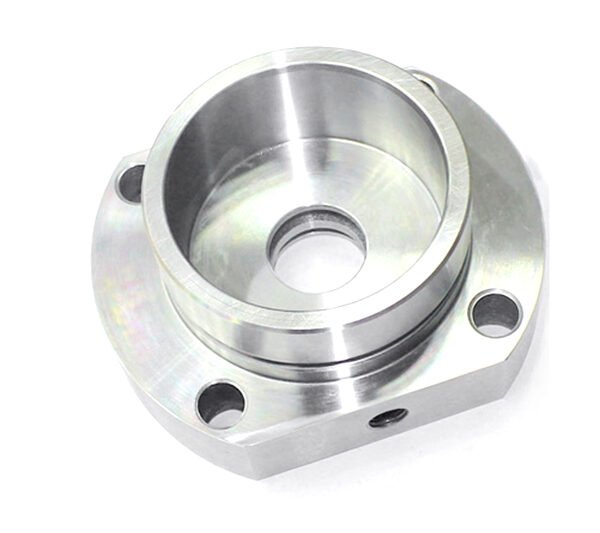
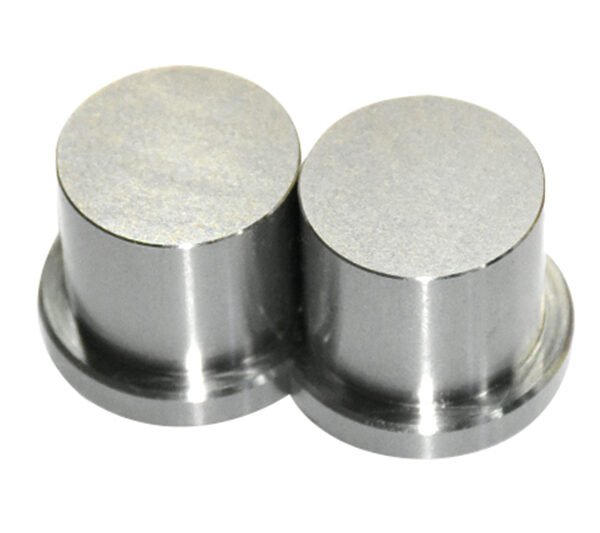
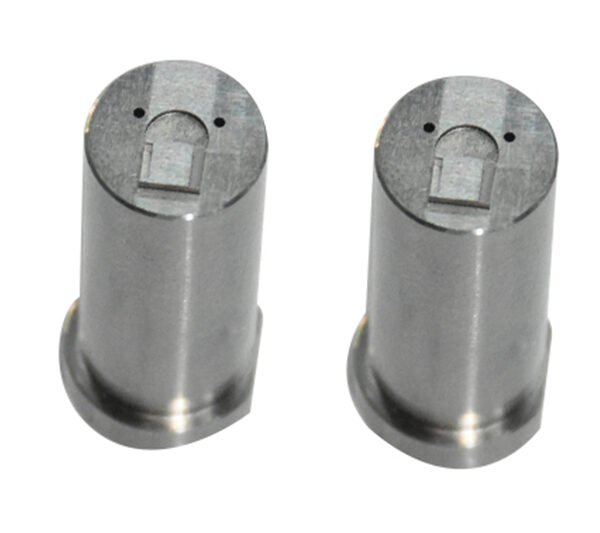
Same drawing, predictable results—next batch
Share revision, quantity ramp, and inspection level. We quote process route, ship date, and documentation in one structured response.