
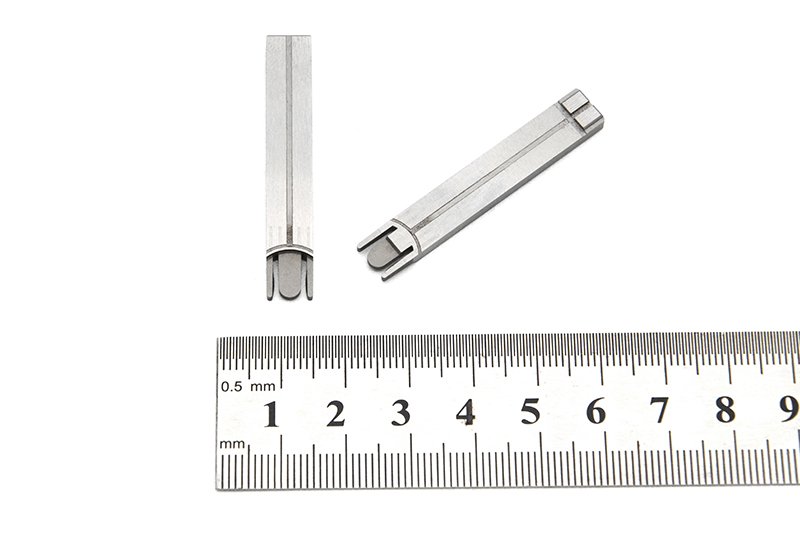
Plastic film parts · Precision mold insert
Automotive Connector Parts – Durable Electrical Connectors & Terminals for Vehicles
Brand Xuxiang Mold
Availability Made to drawing
RFQ pricing
Quote from STEP / PDF & quantity
Keep your vehicle’s wiring reliable with high‑quality automotive connector parts designed for modern cars, trucks, vans, and off‑road equipment. From housings and terminals to seals and locking tabs, this curated selection helps you repair, upgrade, or build robust electrical circuits that stand up to vibration, heat, and moisture. Easily match OEM‑style connectors for sensors, lighting, ignition, audio, and more, so repairs look clean and professional. Whether you are a DIY enthusiast, auto electrician, or shop owner, these components simplify troubleshooting and reduce comebacks. Choose the right automotive connector parts once, and enjoy long‑lasting, trouble‑free connections on every drive.
- ISO 9001:2015–oriented process & documented inspection paths
- Zeiss / Nikon class metrology available for critical dimensions
- DFM feedback from 10+ senior tooling engineers
- Dongguan HQ + Quanzhou capacity for volume programs
Professional-Grade Automotive Connector Parts for Reliable Vehicle Wiring
Automotive electrical systems are only as strong as the connections that hold them together. Our range of automotive connector parts is designed for technicians, vehicle builders, and serious DIY enthusiasts who demand dependable, serviceable, and OEM‑grade connections. From simple lighting repairs to full custom harness builds, these components give you the flexibility to configure circuits that are safe, tidy, and built to last.
Modern vehicles operate in a harsh environment: constant vibration, temperature swings, oil and road grime, plus exposure to water and de‑icing chemicals. Choosing the right connectors, terminals, and seals is critical to prevent intermittent faults, corrosion, and shorts that can be difficult and costly to track down. By using properly matched connector housings, terminals, and seals, you can build plug‑and‑play connections that are easy to assemble, easy to service, and stable over the long term.
Key Features & Benefits
Our automotive connector parts lineup is built around real workshop needs and common vehicle platforms. While exact styles and pin counts vary by kit or part number, you can expect the following key advantages:
- Wide compatibility – Choose from common connector families used by major OEMs and aftermarket harness manufacturers, suitable for passenger cars, light commercial vehicles, off‑road machinery, and motorsport applications.
- Modular components – Mix and match housings, terminals, cavity plugs, and seals so you can build the exact connector configuration your repair or project requires, rather than compromising with a one‑size‑fits‑all solution.
- Secure mechanical locking – Positive latch designs and secondary locks help prevent accidental disconnection from vibration, impacts, and routing strain, improving reliability in critical circuits such as engine management and safety systems.
- Environmental protection – Many connector styles support the use of wire seals, rear grommets, and cavity plugs that help protect contact areas from water, dust, and road contaminants when installed correctly.
- Serviceable and re‑pinable – With the correct extraction tools, most housings allow you to remove and replace individual terminals. This keeps repairs cost‑effective by saving the housing when only one circuit position is damaged or corroded.
- Cleaner, more professional installs – Proper connector systems minimize the need for permanent splices and butt connectors, resulting in looms that are easier to route, diagnose, and upgrade in the future.
- Support for a wide range of wire sizes – Available terminals typically accommodate the thin wiring used for signal circuits as well as heavier conductors used for higher‑current loads (exact ranges depend on the specific connector series selected).
Specifications & Component Overview
Because automotive connector parts cover many different series and form factors, it is important to review the specification highlights before selecting parts for your application. The table below provides a general overview of the kinds of attributes you can expect; always pair these guidelines with the specific product listing or datasheet for exact values.
| Attribute | Description |
|---|---|
| Product type | Connector housings, male/female terminals, seals, cavity plugs, secondary locks, and accessories for automotive wiring |
| Typical applications | Lighting circuits, engine sensors, actuators, ignition components, fuel systems, ABS, auxiliary accessories, and custom harness builds |
| Contact material | Copper‑alloy terminals with protective surface finish, designed for low contact resistance and good crimpability |
| Insulator / housing material | Automotive‑grade engineered polymer designed to resist heat, fluids, and mechanical stress commonly found in engine bays and chassis areas |
| Wire seal options | Single‑wire seals and multi‑cavity grommets to help protect against moisture, dust, and road contaminants when used with compatible housings |
| Pin / way counts | Available in various positions, from simple 1‑way connectors up to multi‑pin housings for complex modules (exact counts depend on series) |
| Connection method | Crimp‑style terminals designed for use with dedicated or ratcheting crimp tools; some series also support soldering where appropriate |
| Environmental suitability | Options for in‑cabin, under‑dash, under‑hood, and exterior mounting depending on connector series and sealing configuration |
| Compatibility guidance | Typically intended as replacements or upgrades for common OEM and aftermarket connector families; verify style, keying, and pin layout before purchase |
| Tools required | Wire stripper, appropriate crimp tool for open‑barrel terminals, and terminal release tools for depinning where needed |
Use Cases & Who These Parts Are For
Automotive connector parts are a versatile solution across multiple segments of the vehicle industry. Typical users include independent garages, mobile auto electricians, electrical rebuilders, motorsport teams, fleet maintenance departments, and serious hobbyists.
- Repairing damaged connectors – Replace brittle, melted, or broken housings and burnt terminals at headlights, ignition coils, injectors, cooling fans, and more. This can restore stable electrical performance and prevent intermittent faults.
- Retrofitting and upgrades – When adding auxiliary lighting, winches, tow‑bar electrics, audio systems, or sensors, using proper connectors instead of permanent splices makes future servicing easier and more reliable.
- Harness building and motorsport – For race cars, off‑road builds, and restorations, dedicated connector systems support neatly loomed harnesses that can be quickly disconnected for service or component changes.
- Fleet maintenance – Commercial fleets benefit from standardized connectors across vehicles, helping technicians quickly diagnose and repair trucks, vans, and equipment with repeatable, documented practices.
- Diagnostic and test rigs – Use matching connectors to build breakout harnesses, test looms, and adapters for bench‑testing ECUs, modules, or sensors without cutting into the original loom.
Buying Guidance & Installation Tips
Selecting the right automotive connector parts starts with identifying the circuit and environment where they will be used. Before purchasing, take note of the original connector style, locking mechanism, number of ways (pin positions), wire size, and whether the circuit is exposed to moisture or under‑hood temperatures. Clear photos of the existing connector and measurements of the terminal width can be extremely helpful in matching the correct series.
For the best results, follow these practical guidelines:
- Match the connector family – Whenever possible, replace like‑for‑like with the same style of housing and terminals, or use a documented equivalent series to ensure proper fit and keying.
- Use the correct crimp tool – Open‑barrel automotive terminals are designed to be crimped with a suitably sized die that forms both the conductor and insulation crimps to the correct shape. This ensures good electrical contact and strain relief.
- Observe wire size ranges – Choose terminals that fit the wire gauge in your harness. Undersized wires may pull out; oversized wires may prevent the terminal from closing correctly.
- Install seals correctly – When using sealed connectors, slide the seal onto the wire before crimping the terminal, and ensure the seal is seated in the rear of the housing to maintain environmental protection.
- Check latch engagement – After inserting terminals into the housing, gently pull back on each wire to confirm the terminal has locked. Engage any secondary locks or TPA (terminal position assurance) clips where provided.
- Avoid unnecessary soldering – In many automotive applications, properly executed crimps are preferred over solder due to vibration. If soldering is used, support the joint to avoid fatigue where the solder wicks into the conductor.
- Label and document – For complex harnesses, label connectors and keep a simple wiring diagram. This reduces diagnostic time in the future and helps standardize repairs across multiple vehicles.
By focusing on quality components and careful assembly practices, you can dramatically reduce electrical issues caused by poor connections. Robust automotive connector parts are a small investment compared to the downtime and troubleshooting they help you avoid.
FAQ
How do I know which automotive connector parts are compatible with my vehicle?
Start by identifying the connector you need to replace: count the number of pins, note the locking style, and check whether it is sealed or unsealed. Comparing clear photos of the original to the product images and descriptions can help you match the series. If you are unsure, many technicians bring the old connector to the bench or reference the vehicle wiring diagram to verify the pin layout before ordering.
Can these connectors be used in engine bay or exterior locations?
Yes, many connector families are suitable for under‑hood and exterior use when combined with the appropriate seals and grommets. For circuits exposed to water, dirt, or road salt, choose sealed connectors and follow the installation instructions carefully to maintain the integrity of the seals.
What tools do I need to install automotive connector parts?
At minimum you will need a quality wire stripper and a crimp tool that matches the style and size of the terminals you are using. For depinning and rework, terminal release tools are strongly recommended. Using the correct tools ensures reliable crimps and reduces the chance of damaging housings or terminals during assembly.
Are these parts suitable for high‑current circuits?
Some connector series and terminal sizes are designed for higher currents, while others are intended for low‑current sensor and signal lines. Always check the product details and ensure the connector and terminal combination you choose is rated for the expected load and wire size in your circuit.
Can I use solder instead of crimping the terminals?
Automotive connectors are typically designed for crimped terminations, which perform better under vibration and thermal cycling when executed correctly. While solder can be used in certain situations, it must be applied carefully to avoid wicking up the wire and creating a rigid section that can fatigue and break over time.
How should I care for and maintain my connectors after installation?
Periodically inspect exposed connectors for signs of damage, corrosion, or loose locking tabs, especially on vehicles used off‑road or in harsh climates. Keeping connectors clean, reseating them if needed, and repairing damaged seals or boots will help preserve electrical reliability.
What is your policy on returns if the connector parts do not fit?
If the parts are unused, in resalable condition, and returned within the stated return window, most orders can be exchanged or refunded according to our standard returns policy. Always test‑fit one connector before fully wiring a harness to confirm compatibility and avoid unnecessary rework.
Do these connector parts come with terminals and seals, or are they sold separately?
Availability varies by product. Some items are complete kits including housings, terminals, and seals, while others are sold as individual components so you can order only what you need. Check the product description carefully to see what is included before you purchase.
How long does shipping usually take for automotive connector parts?
Shipping times depend on your location and the selected service at checkout. In‑stock items typically dispatch quickly, and you will receive tracking information so you can follow your order. For time‑critical repairs, choose an expedited option where available.
Can I use these parts for custom or motorsport wiring harnesses?
Yes, many builders choose automotive connector systems for custom and motorsport harnesses because they offer reliable connections and easy serviceability. Make sure to select connectors that are appropriate for the environment (heat, fluids, vibration) and that meet any rules or standards relevant to your motorsport series.
Same drawing, predictable results—next batch
Share revision, quantity ramp, and inspection level. We quote process route, ship date, and documentation in one structured response.