
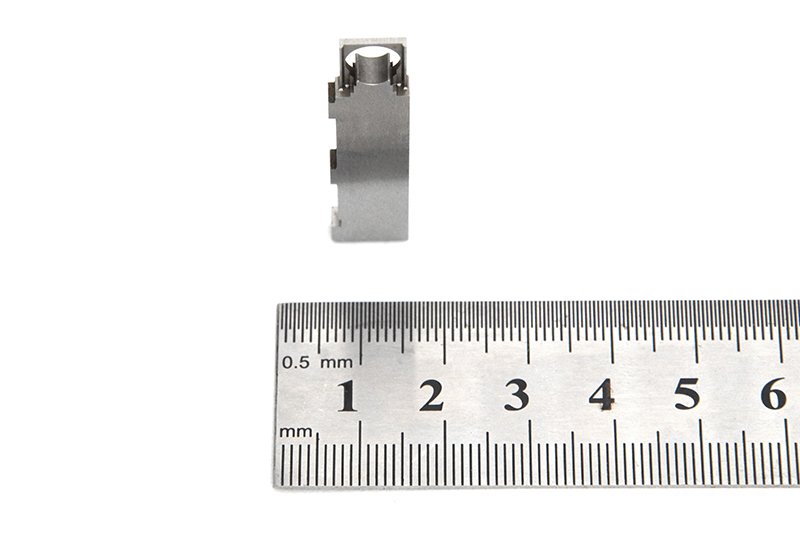
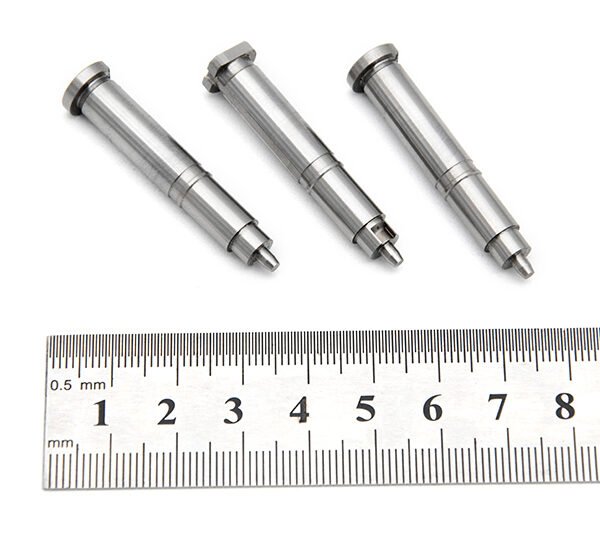
Plastic film parts · Precision mold insert
Automotive Connector Parts – Durable Electrical Connectors for Vehicles
Brand Xuxiang Mold
Availability Made to drawing
RFQ pricing
Quote from STEP / PDF & quantity
Keep every circuit in your vehicle secure and reliable with our premium automotive connector parts. Designed for harsh under-hood and chassis environments, these components help protect your wiring from vibration, moisture and heat. Build, repair or upgrade OEM-quality harnesses with connectors, terminals and seals that are easy to assemble and service. Whether you are working on daily drivers, off-road builds or fleet vehicles, these parts give you clean, professional electrical connections. Choose the right automotive connector parts once and avoid chasing intermittent faults later.
- ISO 9001:2015–oriented process & documented inspection paths
- Zeiss / Nikon class metrology available for critical dimensions
- DFM feedback from 10+ senior tooling engineers
- Dongguan HQ + Quanzhou capacity for volume programs
Professional-Grade Automotive Connector Parts for Reliable Vehicle Wiring
Automotive electrical systems demand dependable connections that can withstand vibration, temperature swings, moisture and contamination. Our range of automotive connector parts is designed to help installers, technicians and enthusiasts create OEM-quality wiring harnesses for passenger cars, trucks, buses, off-road equipment and specialty vehicles.
Rather than relying on improvised or household connectors, these purpose-built parts give you secure locking interfaces, proper strain relief and robust environmental sealing. From simple two-pin connectors for sensors and lighting, to multi-pin plugs for engine management and body control modules, you can assemble, repair or extend vehicle wiring with confidence.
What Are Automotive Connector Parts?
Automotive connector parts are the individual components used to create electrical plug-and-socket connections in vehicles. They typically include:
- Housings – molded plastic bodies that hold terminals and provide the mating interface.
- Terminals / contacts – metal elements crimped to the wire to carry electrical current.
- Seals – silicone or rubber pieces that keep water, dust and chemicals out of the connection.
- Locks, wedge clips and TPA devices – secondary locks that ensure terminals stay fully seated.
- Accessories – cavity plugs, boots, wire seals and mounting clips for specific installations.
These parts are available in various families and styles, including sealed and unsealed connectors, high-current power connectors, signal connectors for sensors, and specialized interfaces used by major OEMs. Selecting the right combination helps ensure the electrical system is safe, reliable and easy to service.
Key Features & Benefits
When you choose high-quality automotive connector parts, you gain several important advantages over generic connectors:
- Reliable connections under vibration
Automotive-grade terminals are designed for secure crimping and consistent contact pressure, reducing the risk of intermittent faults due to vibration. - Enhanced environmental protection
Sealed connector families use wire grommets, interface seals and cavity plugs to keep out moisture, road salt, engine fluids and dust, helping prevent corrosion and short circuits. - Easy assembly and service
Many systems use color-coded housings, clear keying features and positive locking tabs so you can terminate and connect harnesses quickly, with less chance of mis-mating. - Modular, scalable solutions
From 1-way to multi-way connectors, you can build looms for simple lighting circuits or complex power distribution and control systems using compatible families of parts. - Clean, professional installation
Using dedicated housings and terminals instead of loose splices improves harness appearance, organization and serviceability, especially in custom or performance builds. - Compatibility with OEM standards
Many connector families are similar in design and function to those used by global vehicle manufacturers, making them suitable for repair and retrofit work.
Specifications & Typical Attributes
The table below summarizes common attributes you will find across our automotive connector parts range. Exact details vary by connector series, pin count and application.
| Attribute | Description |
|---|---|
| Connector type | Sealed and unsealed plug and receptacle housings, inline and panel-mount styles |
| Number of ways | Single-pin through multi-pin configurations for power, signal and mixed circuits |
| Typical applications | Lighting, engine sensors, fuel systems, chassis harnesses, body electronics, accessories |
| Insulation materials | Automotive-grade thermoplastics designed for under-hood and interior environments |
| Contact materials | Copper alloy terminals with appropriate plating for conductivity and corrosion resistance |
| Wire size compatibility | Ranges to suit common automotive wire gauges used for low-current signals and power circuits |
| Environmental sealing | Optional individual wire seals, interface seals and cavity plugs for harsh conditions |
| Locking mechanisms | Primary latch features on housings plus secondary locks or terminal position assurance devices |
| Serviceability | Compatible with standard automotive crimp tools; many styles allow terminal depinning for rework |
| Typical industries | Automotive, motorsport, agricultural machinery, construction equipment, marine and powersports |
Use Cases & Who These Parts Are For
Automotive connector parts are suitable for a wide range of users and projects:
- Automotive technicians and garages
Repair damaged connectors on harnesses, retrofit additional accessories, or replace brittle housings without replacing entire looms. - Custom builders and upfitters
Create clean, organized harnesses for off-road trucks, camper conversions, commercial vans, emergency vehicles and more. - Motorsport and performance shops
Upgrade wiring for data logging, standalone engine management, fuel systems and chassis electronics while maintaining reliability under extreme conditions. - OEM and low-volume manufacturers
Use proven connector families to standardize harness design across specialty vehicles, agricultural equipment or industrial machinery. - DIY enthusiasts and hobbyists
Improve project cars, kit cars, restorations and race builds with connectors that are safer and more durable than generic hardware-store options.
Typical projects include adding auxiliary lighting, tow packages, winches, power inverters, upgraded fuel pumps, fan controllers, aftermarket ECUs, audio systems and more. Using purpose-designed connector parts keeps installations tidy and easier to diagnose later.
Buying Guidance & Installation Tips
Selecting the right automotive connector parts is easier when you follow a few practical steps:
- Identify circuit requirements
Determine whether the connection carries low-current signals, medium-current loads or high-current power, and choose connector families and wire sizes accordingly. - Check environment and sealing needs
Under-hood, exterior and underbody locations usually require sealed connectors, while interior connections may be fine with unsealed types. - Match pin count and layout
Plan the number of ways you need per connector, considering future expansion or additional accessories where possible. - Use proper crimp tools
Automotive terminals perform best when crimped with suitable tooling. Using the correct die profile ensures consistent electrical and mechanical performance. - Label and route harnesses
During installation, label connectors and route harnesses away from sharp edges, extreme heat sources and moving components, securing with clips or loom tubing. - Test before final assembly
After terminating connectors, perform continuity and function checks before closing up trims, panels or protective coverings.
By selecting high-quality components and following best practices, you greatly reduce the risk of electrical issues such as intermittent faults, corrosion, overheating and random warning lights.
FAQ
How do I know which automotive connector parts are compatible with my vehicle?
Start by identifying the application, location and wire size of the existing connector. Compare the shape, keying and pin count, and choose a connector family that matches or is specified for similar OEM uses. When in doubt, consult your service manual or an automotive electrician for guidance.
Are these connectors suitable for under-hood and exterior use?
Many connector families include sealed versions designed specifically for under-hood, exterior and underbody environments. For areas exposed to water, salt or debris, always choose sealed connectors with appropriate wire and interface seals rather than unsealed styles.
What tools do I need to install automotive connector parts?
You will typically need a quality wire stripper, a compatible crimping tool for the terminals you are using, and optionally a depinning tool to remove terminals from housings if rework is required. Using the correct crimp tool is essential for reliable connections.
Can I reuse old terminals and seals when repairing a connector?
Reusing old terminals is not recommended because they may be fatigued or corroded, and previously crimped areas cannot be reliably recrimped. Seals that are hardened, swollen or damaged should also be replaced. For best results, use new terminals and seals whenever you repair or rebuild a connector.
How should I protect connectors after installation?
Ensure that all seals are properly seated and that housings are fully latched. Route harnesses to avoid abrasion, and consider using split loom or conduit for additional protection. In harsh environments, periodic inspection and cleaning of exposed connectors can extend service life.
What is the typical shipping time for automotive connector parts?
Shipping times depend on your location and chosen service. In many regions, standard shipping delivers within a few business days, while express options are available for urgent repairs. Check the checkout page for real-time estimates based on your address.
What is your policy on returns and exchanges?
Unused connector parts in their original condition can typically be returned or exchanged within a defined return window. Inspect and test-fit components without damaging them, and keep all small parts together to ensure a smooth return process according to the store’s policy.
Do you offer warranties on automotive connector parts?
Connector parts are generally covered by a manufacturer or store warranty against defects in materials and workmanship for a specified period. This covers issues such as manufacturing flaws but not damage from incorrect installation, misuse or modifications.
Can I use these connectors for non-automotive projects?
Yes, many customers use automotive connector parts in marine, powersports, agricultural and industrial applications where robust, compact and serviceable connections are needed. Always ensure that the connector and terminals are suitable for the voltage, current and environment of your project.
How do I choose between sealed and unsealed automotive connectors?
Use sealed connectors for areas exposed to moisture, dust, chemicals or frequent wash-down, such as engine bays, exteriors and underbody locations. Unsealed connectors are acceptable for protected interior locations where environmental exposure is minimal.
Same drawing, predictable results—next batch
Share revision, quantity ramp, and inspection level. We quote process route, ship date, and documentation in one structured response.