
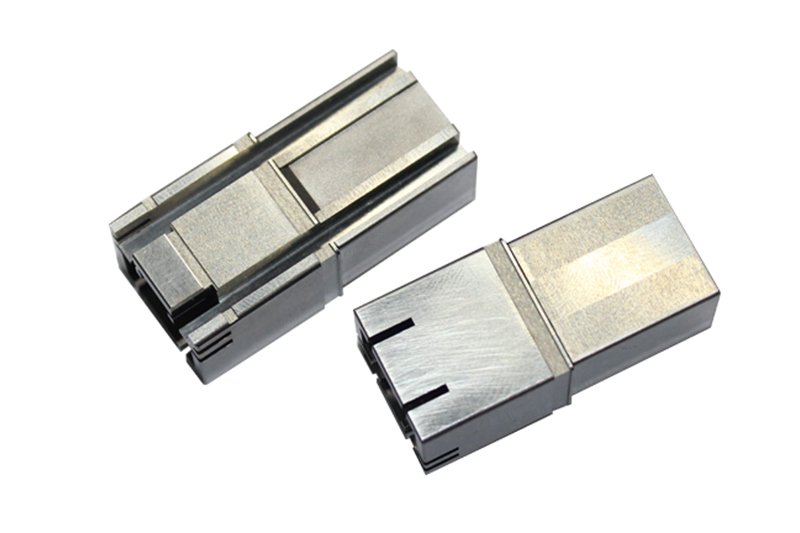
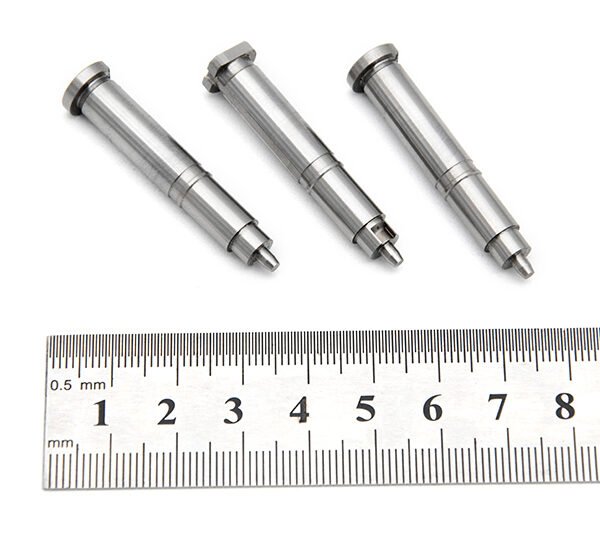
Plastic film parts · Precision mold insert
Automotive Connector Parts – Durable Electrical Connectors for Vehicles
Brand Xuxiang Mold
Availability Made to drawing
RFQ pricing
Quote from STEP / PDF & quantity
Keep your vehicle’s wiring reliable with high‑quality automotive connector parts designed for secure, long‑term electrical connections. These components help protect circuits from vibration, moisture, and heat so your lighting, sensors, and engine systems perform as intended. Ideal for repairs, custom wiring, and performance upgrades, they offer a professional fit and a clean, OEM‑style look. Whether you’re a workshop, auto electrician, or DIY enthusiast, you’ll appreciate how quickly these parts streamline troubleshooting and installation. Upgrade your harnesses with automotive connector parts that are built to last and easy to work with.
- ISO 9001:2015–oriented process & documented inspection paths
- Zeiss / Nikon class metrology available for critical dimensions
- DFM feedback from 10+ senior tooling engineers
- Dongguan HQ + Quanzhou capacity for volume programs
Professional-Grade Automotive Connector Parts for Reliable Vehicle Wiring
Automotive connector parts are the backbone of any modern vehicle’s electrical and electronic systems. From headlights and fuel injectors to ABS sensors, infotainment units, and aftermarket accessories, every component depends on secure connections to operate safely and consistently. Choosing the right connectors and related parts not only improves reliability but also makes diagnostics, repairs, and upgrades far easier over the life of the vehicle.
This product range includes a selection of connector housings, terminals, seals, and accessories that are designed specifically for automotive environments. They are engineered to withstand vibration, temperature changes, and exposure to moisture and road contaminants, helping you build or repair wiring harnesses that you can trust. Whether you are replacing a damaged plug, extending a harness, or wiring a custom project, these automotive connector parts provide a robust, professional solution.
Key Features & Benefits
These automotive connector parts are designed with installers and technicians in mind, combining durability, ease of use, and compatibility with common vehicle systems.
- Automotive-grade materials – Housings and terminals are selected for resistance to heat, vibration, and chemicals typically found in engine bays and underbody areas.
- Secure mechanical locking – Positive locking tabs and keyed designs help prevent accidental disconnection and incorrect mating, even in tight or hard-to-access spaces.
- Enhanced environmental protection – Many connector styles support perimeter seals, wire seals, and grommets to help protect against moisture, dust, and road spray for increased long-term reliability.
- Clean, OEM-like appearance – Properly matched housings and terminals provide a factory-style finish, avoiding makeshift splices and improving serviceability for future work.
- Versatile configurations – Options typically include 1– to multi-pin connectors suitable for sensors, lighting, power feeds, control modules, and accessory circuits.
- Service-friendly design – Compatible with standard automotive crimp tools and depinning tools, making repairs and harness modifications more efficient.
Together, these benefits allow technicians, builders, and enthusiasts to create wiring solutions that are safer, more durable, and easier to maintain over time.
Specifications & Key Details
The exact attributes will vary depending on the specific connector series you choose, but the table below outlines the typical characteristics you can expect from quality automotive connector parts in this range.
| Attribute | Description |
|---|---|
| Connector Type | Multi-pin and single-pin electrical connectors for automotive wiring harnesses |
| Typical Applications | Sensors, lighting, power distribution, engine management, body electronics, accessories |
| Housing Material | Automotive-grade plastic designed for heat and chemical resistance |
| Terminal Material | Copper-based alloy with conductive plating for low contact resistance |
| Wire Size Compatibility | Common automotive wire gauges used in low-voltage vehicle circuits (varies by part) |
| Sealing Options | Available with perimeter seals and individual wire seals on selected connector families |
| Operating Environment | Suitable for under-dash, engine bay, and chassis locations when correctly specified |
| Connection Method | Crimp terminals that insert into housings, with locking tabs and keying features |
| Compatibility | Intended for 12 V and 24 V automotive electrical systems, depending on application |
| Included Components | Selection may include housings, terminals, seals, and related accessories (varies by kit or part number) |
For a specific project, you can select connector styles based on pin count, sealing requirements, wire size, and the area of the vehicle in which they will be installed.
Use Cases & Who These Connector Parts Are For
Automotive connector parts are essential across a wide range of applications, from routine service to custom builds. They are particularly useful in the following scenarios:
- Repairing factory harnesses – Replace damaged or corroded connectors on sensors, fuel pumps, ignition components, and lighting circuits without having to swap entire harness assemblies.
- Retrofitting and upgrading – Add driving lights, auxiliary power outlets, reversing cameras, audio equipment, or other accessories while maintaining safe, removable connections.
- Motorsport and off-road builds – Build custom harnesses for race cars, off-road vehicles, UTVs, and track projects that must endure vibration, dust, and frequent servicing.
- Fleet and commercial vehicles – Maintain trucks, vans, buses, and service vehicles more efficiently by standardising on robust connector solutions for repeated repairs.
- Specialty and restoration work – Modernise classic vehicles with updated electrical systems while keeping wiring neat, logical, and easy to trace.
These automotive connector parts are well suited to professional auto electricians, workshop technicians, wiring harness manufacturers, and dedicated DIY installers who want their electrical work to meet professional standards.
Installation, Care & Buying Guidance
Getting the best performance from your connectors involves choosing the right parts and installing them correctly. A few best practices can dramatically improve long-term reliability.
- Select by location and environment – For under-hood and exterior locations, prioritise sealed connector families and appropriate wire seals to protect against moisture and contaminants.
- Match wire size and terminal type – Always choose terminals that are designed for the specific wire gauge and insulation thickness used in your harness.
- Use proper crimp tools – Invest in a correctly sized automotive crimping tool to achieve consistent, gas-tight crimps that resist vibration and heat cycling.
- Verify pinout and keying – Double-check pin assignments and connector orientation when mating to existing harnesses or modules to prevent miswiring and component damage.
- Protect and route wiring carefully – Combine your connector parts with quality loom, tape, and clips. Avoid tight bends, sharp edges, and high-heat areas whenever possible.
For ongoing care, visually inspect connectors in high-stress areas during routine maintenance, especially in off-road or commercial vehicles. Look for signs of corrosion, broken locks, or loose terminals. Where permitted, a light application of suitable dielectric grease on seals and terminals can help reduce moisture ingress in harsh environments.
When choosing among different automotive connector parts, consider the following:
- Identify the exact function (sensor, power feed, data, lighting) and required pin count.
- Check compatibility with the vehicle’s wire gauge and insulation type.
- Decide whether sealed or unsealed connectors are appropriate for the mounting location.
- Plan for future service: choose connectors that can be easily depinned and reused if needed.
By investing in quality connectors and following sound installation practices, you can significantly reduce electrical faults, intermittent issues, and downtime in any vehicle platform.
FAQ
Are these automotive connector parts compatible with my vehicle?
Compatibility depends on the specific connector style, pin count, and wire size used in your vehicle. In many cases, you can match connectors by comparing the housing shape, locking method, and terminal type to your original part. When in doubt, consult your vehicle wiring diagram or a professional auto electrician before ordering.
Do I need special tools to install these connectors?
For best results, you should use an automotive-grade crimp tool that matches the terminal profile. This ensures a secure, gas-tight crimp that withstands vibration and heat. A depinning tool set is also helpful if you need to remove or reorder terminals inside the housing.
Can I use these connector parts in the engine bay or under the car?
Yes, provided you select connector types that are suitable for harsh environments. For engine bay, chassis, or exterior locations, choose sealed connectors and appropriate wire seals, and route wiring away from extreme heat sources, moving parts, and abrasion points.
How should I protect the connectors from moisture and corrosion?
Use sealed connector families in exposed areas, ensure all seals are correctly seated, and avoid damaged insulation. In particularly harsh environments, a suitable dielectric grease on the terminals and seals can provide an extra barrier against moisture, as long as it is compatible with the connector materials.
What if I’m not sure which connector size or style to buy?
If you are unsure, remove the original connector and note its shape, locking mechanism, and pin arrangement. Taking clear photos and measuring the wire size can help you compare with product images and descriptions. When in doubt, consult a technician or provide your vehicle details to get guidance.
Can these connectors be reused if I depin the wires?
Many automotive connector housings can be reused if they are not cracked, heat damaged, or corroded. Use a proper depinning tool to release terminals without bending the locking tangs. However, terminals themselves are usually considered single-use for critical circuits and should be replaced rather than recrimped.
How do returns and warranty typically work for connector parts?
In general, unused and undamaged connector parts can be returned within the store’s stated return period, subject to their policy. Electrical components that have been installed or modified may have limited return options, so always review the specific warranty and return terms provided at checkout.
Do these connectors come with pins, seals, and accessories included?
Some items are sold as complete sets with housings, terminals, and seals, while others are supplied as individual components. Check the product description carefully to see what is included so you can order any additional terminals, seals, or tools needed for your project.
Can I use these connector parts on 24 V systems as well as 12 V?
Many automotive connectors are suitable for both 12 V and 24 V vehicle systems, provided they are used within their current and insulation ratings. Always verify that the connector’s specification matches your application and circuit load.
How should I store unused connectors and terminals?
Store connectors and terminals in a clean, dry container away from direct sunlight, extreme temperatures, and corrosive chemicals. Keeping different sizes and types separated in labelled compartments will make future projects faster and reduce the risk of mixing parts.
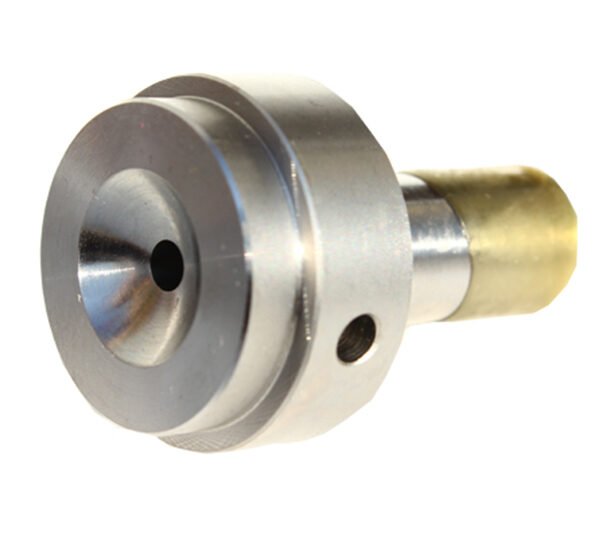
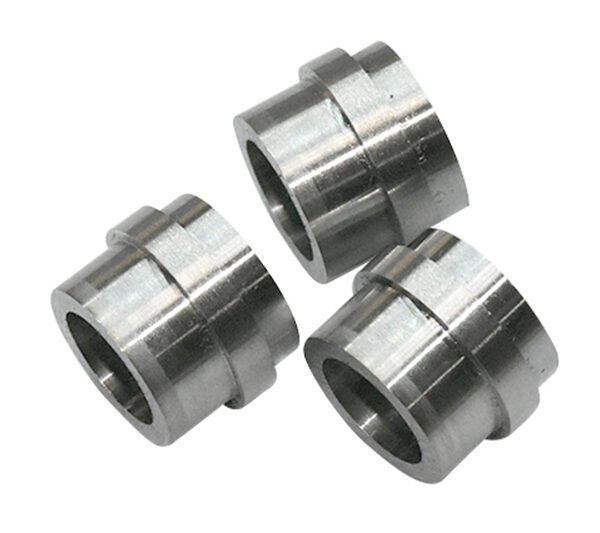
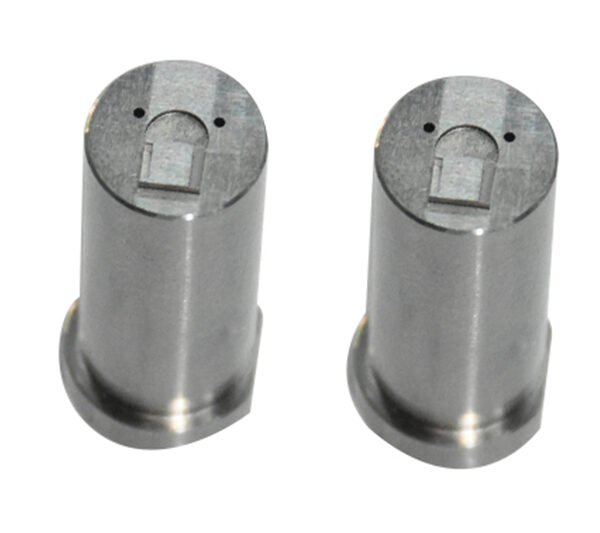
Same drawing, predictable results—next batch
Share revision, quantity ramp, and inspection level. We quote process route, ship date, and documentation in one structured response.