
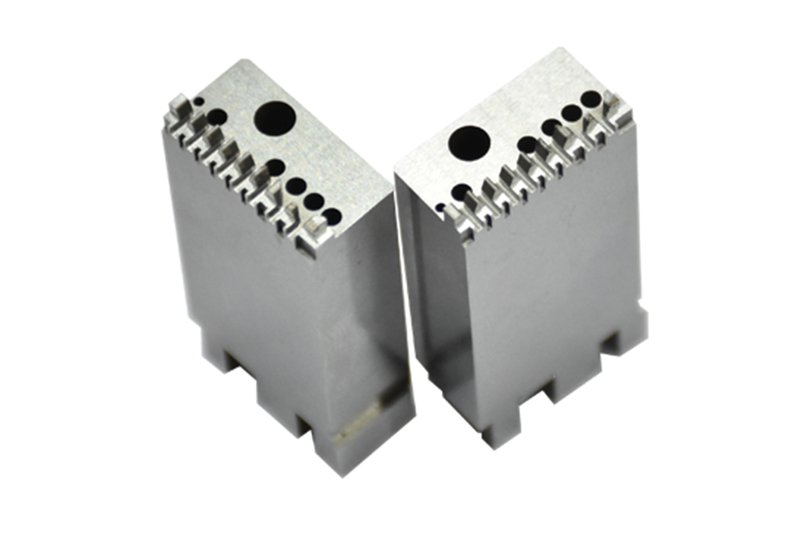
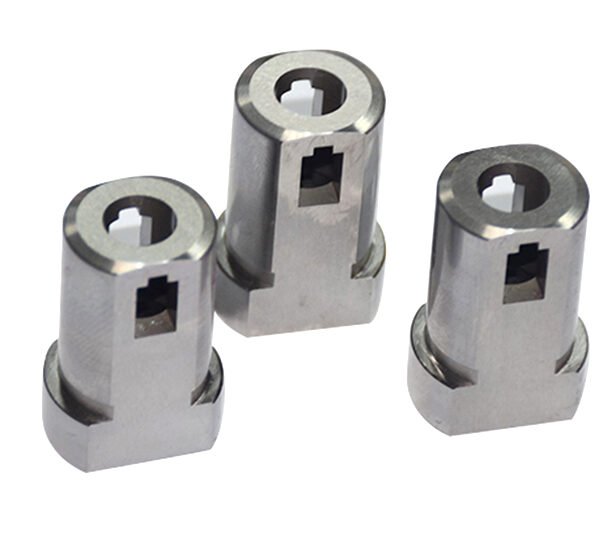
Plastic film parts · Precision mold insert
Automotive Connector Parts – Universal Electrical Connectors & Terminals Assortment
Brand Xuxiang Mold
Availability Made to drawing
RFQ pricing
Quote from STEP / PDF & quantity
Keep every electrical connection in your vehicle secure and reliable with this comprehensive assortment of automotive connector parts. Designed for professional technicians and DIY enthusiasts alike, these components help you repair, upgrade, or customize wiring harnesses with confidence. Enjoy clean, organized installs that resist vibration, moisture, and engine bay heat. From quick fixes to full loom builds, these parts make every job faster and more dependable. Ideal for workshops, garages, race teams, and anyone serious about long‑lasting automotive connector parts.
- ISO 9001:2015–oriented process & documented inspection paths
- Zeiss / Nikon class metrology available for critical dimensions
- DFM feedback from 10+ senior tooling engineers
- Dongguan HQ + Quanzhou capacity for volume programs
Professional Automotive Connector Parts for Reliable Vehicle Wiring
Modern vehicles rely on hundreds of electrical connections – from engine sensors and fuel pumps to lighting, infotainment, and safety systems. A single weak connector can trigger fault codes, intermittent issues, or complete system failure. This curated range of automotive connector parts is designed to help you build, repair, or upgrade wiring harnesses that stand up to vibration, temperature changes, and daily use in demanding automotive environments.
Whether you are repairing an OEM harness, adding auxiliary lights, installing performance electronics, or building a custom loom for motorsport, quality connectors and terminals are essential. This selection focuses on durable, serviceable components that work with common automotive wire sizes, tools, and installation practices used across passenger cars, light trucks, powersports, off‑road, and specialty vehicles.
Key Features & Benefits
Choosing the right connector system is about more than just matching pin counts. It is about long‑term reliability, easy serviceability, and compatibility with your existing wiring and tools. This range of automotive connector parts has been assembled with those priorities in mind.
- Automotive‑grade materials – Housings and terminals are made from materials commonly used in the automotive industry to handle heat, fluid exposure, and vibration in engine bays, under‑chassis areas, and interior installations.
- Secure mechanical locking – Most connectors incorporate positive locking tabs, secondary locks, or locking latches that prevent accidental disconnection, even in high‑vibration environments such as off‑road or motorsport applications.
- Support for common wire sizes – Components are designed to work with typical automotive wire gauges used for lighting, sensors, control circuits, and low‑ to medium‑current power distribution, helping you standardize across your projects.
- Serviceable designs – Many connector families use crimp terminals that can be depinned and replaced when needed, allowing you to repair harnesses without cutting and splicing more than necessary.
- Clear orientation & color‑coding – Keyed housings, pin layouts, and color accents on some connectors help prevent mis‑mating and simplify installation in tight or low‑visibility locations.
- Versatile applications – Suitable for OEM‑style repairs, custom wiring looms, aftermarket accessories, 12V/24V conversions, and specialist equipment in automotive, marine, and light industrial environments where similar connector styles are used.
Specifications & What You Get
The exact contents will vary depending on the configuration or kit you select, but the following table summarizes the typical attributes you can expect from this line of automotive connector parts.
| Attribute | Description |
|---|---|
| Product type | Automotive electrical connector housings, terminals, and related parts for vehicle wiring |
| Typical connector styles | Multi‑pin plug and receptacle housings, inline connectors, sensor connectors, and power/ground links |
| Typical applications | Engine sensors, lighting, auxiliary accessories, ECU and control modules, interior electronics, trailer/aux outputs |
| Wire compatibility | Designed for common automotive wire sizes used in low to medium current 12V/24V circuits |
| Connection method | Crimp‑style terminals; some components may support soldered pigtails depending on the connector type |
| Locking features | Primary terminal locking plus housing latches; select parts may include secondary locks or terminal position assurance (TPA) devices |
| Environmental resistance | Many connector families offer sealing provisions such as grommets or cavity plugs for better resistance to moisture and contaminants |
| Typical operating environments | Engine bay, under‑dash, trunk, and exterior locations when installed following recommended practices |
| Tooling compatibility | Compatible with common hand crimp tools and depinning tools designed for automotive terminals |
| Included components | Selection of connector housings, male and female terminals, seals or plugs where applicable (contents vary by kit or part selection) |
Use Cases: Who These Connector Parts Are For
Because these components support a wide range of circuit types and installation locations, they are a strong fit for many different kinds of users and projects.
- Professional auto repair shops – Perform long‑lasting harness repairs instead of temporary splices, reduce comebacks, and maintain OEM‑style serviceability.
- Auto electricians and upfitters – Add lighting, power feeds, tow packages, safety systems, and specialty equipment using connectors that can be disconnected and serviced later.
- Motorsport and performance builders – Build custom looms for engine management, data logging, sensors, and switch panels while keeping everything modular and easy to troubleshoot trackside.
- DIY enthusiasts & restorers – Replace brittle, corroded, or hacked‑in connectors in classic and modern vehicles to restore reliability and tidy up previous wiring work.
- Fleet and commercial operations – Standardize on connector styles that simplify maintenance and reduce downtime across vans, trucks, and specialized vehicles.
In each of these applications, using matched housings and terminals instead of generic butt connectors or twisted‑and‑taped joints makes diagnostics and future upgrades much easier. When everything plugs in and out cleanly, you save time every time the vehicle is serviced.
Installation, Care & Buying Guidance
To get the most out of your automotive connector parts, it is important to follow good wiring practices. Proper crimping, sealing, routing, and strain relief will dramatically extend the life of your connections.
- Match wire size and terminal type – Always pair terminals with the correct wire gauge range recommended for that connector family. Oversized or undersized wires can lead to weak crimps and increased resistance.
- Use appropriate crimp tools – Choose a crimp tool designed for open‑barrel or closed‑barrel automotive terminals as required. Consistent, repeatable crimps are essential for low‑resistance, vibration‑resistant joints.
- Plan your harness layout – Before crimping, plan wire routing and connector positions to avoid tight bends, chafing, or tension. Leave enough service loop for future maintenance where possible.
- Protect from heat and abrasion – Use loom, conduit, or heat‑resistant sleeving around bundles routed near exhaust components, sharp edges, or moving parts.
- Seal where necessary – For locations exposed to water or road spray, choose connector styles that accept seals or boots and install them correctly to minimize corrosion.
- Label critical circuits – For complex projects, consider labeling connectors or adding simple circuit tags; this makes troubleshooting easier months or years later.
When purchasing, think through your current and future projects. It can be more efficient to stock a small range of compatible connector families and wire sizes that cover most of your needs, rather than mixing many unrelated styles. If you regularly work on a particular vehicle brand or platform, focus on connector types commonly used on those vehicles so repairs remain close to OEM standards.
By investing in purpose‑built automotive connector parts and using them with good wiring practices, you significantly reduce the risk of intermittent faults, voltage drops, and time‑consuming diagnostics caused by poor connections. The result is cleaner installs, happier customers, and vehicles that are easier to service for years to come.
FAQ
Are these automotive connector parts compatible with my vehicle?
These connectors are designed around common automotive wiring practices and are suitable for many passenger cars, light trucks, and specialty vehicles. However, always verify pin layout, locking style, and wire gauge compatibility against your existing connector before installation.
Do I need special tools to use these connectors?
For best results, you should use a quality automotive terminal crimp tool matched to the style of terminals you are working with. A depinning tool set is also helpful for correcting mistakes or servicing existing connectors without damage.
Can I use these connector parts under the hood or under the vehicle?
Many of the connector families in this range are suitable for engine bay and exterior locations when installed correctly and used with appropriate seals or protective sleeving. Always route and secure wiring to avoid heat, abrasion, and direct spray where possible.
How should I protect the connections from moisture and corrosion?
Use connectors that support seals or boots in exposed locations, crimp terminals correctly, and ensure seals are fully seated. Adding loom, conduit, or tape over bundles can provide additional protection against moisture and road debris.
What if I am not sure which connector style I need?
If you are unsure, start by examining the original connector on the vehicle and note its shape, pin count, locking features, and wire size. Matching by physical style and function is more reliable than relying only on appearance in photos.
Can I mix these connectors with soldered joints or heat‑shrink butt connectors?
Yes, many harnesses use a combination of multi‑pin connectors and in‑line splices. When mixing methods, follow good practices for each and avoid placing soldered joints where they will be subject to repeated flexing.
How do I handle returns if a connector does not fit?
If a part is unused, clean, and in resalable condition, most retailers allow returns or exchanges within their stated return period. Always check the specific return and warranty policy at the time of purchase and keep original packaging until fitment is confirmed.
How long will these automotive connector parts last?
Service life depends on environment, installation quality, and load. When correctly matched to the application and installed with proper tools and techniques, automotive‑grade connectors are designed to provide years of reliable service.
Do these parts come with wiring or just the connectors and terminals?
These products focus primarily on connector housings, terminals, and related pieces. Some kits may include short pigtails, but in most cases you will supply your own automotive‑grade wire to suit your specific installation.
Same drawing, predictable results—next batch
Share revision, quantity ramp, and inspection level. We quote process route, ship date, and documentation in one structured response.