
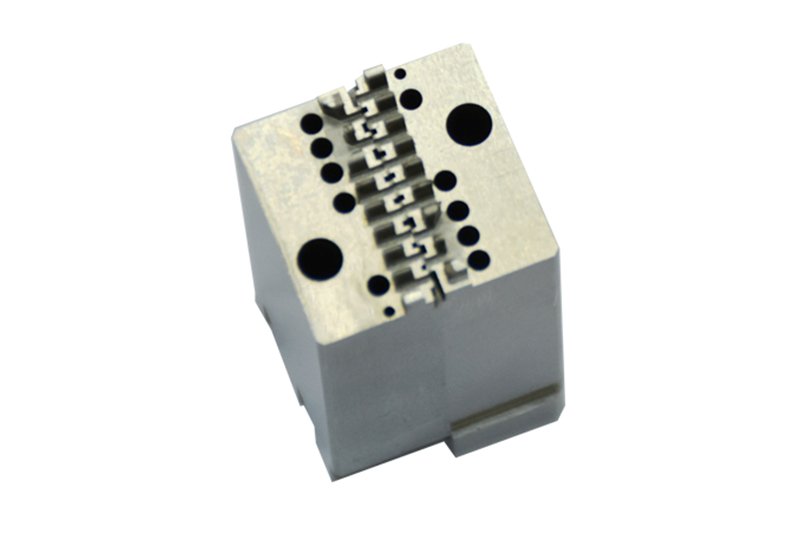
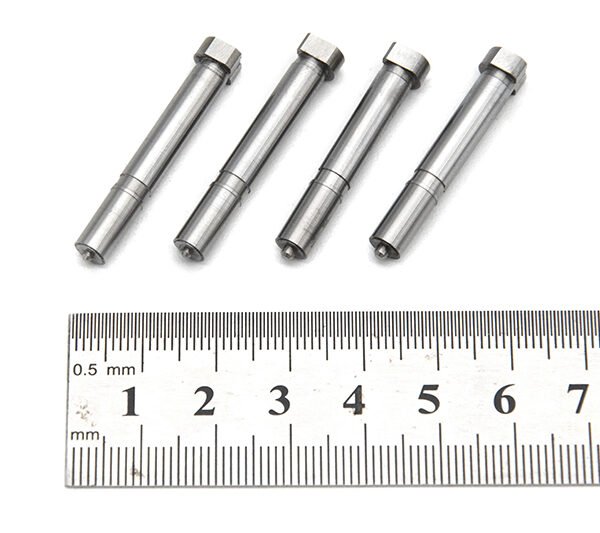
Plastic film parts · Precision mold insert
Automotive Connector Parts – Electrical Wiring & Harness Components
Brand Xuxiang Mold
Availability Made to drawing
RFQ pricing
Quote from STEP / PDF & quantity
Keep every circuit in your vehicle reliable with premium automotive connector parts engineered for modern wiring harnesses. Designed for secure electrical contact, these components help prevent intermittent faults, voltage drops, and hard-to-trace electrical gremlins. Weather-resistant housings, positive-lock terminals, and quality materials ensure dependable performance in harsh under-hood conditions. Whether you are repairing OEM wiring or building a custom loom for performance or off-road use, these connector parts provide a clean, professional finish. Choose the right styles and pin counts to match your sensors, lighting, ECU connections, and more for long-term, trouble-free operation.
- ISO 9001:2015–oriented process & documented inspection paths
- Zeiss / Nikon class metrology available for critical dimensions
- DFM feedback from 10+ senior tooling engineers
- Dongguan HQ + Quanzhou capacity for volume programs
Professional-Grade Automotive Connector Parts for Reliable Wiring
Automotive electrical systems depend on one critical component that is often overlooked: the connector. Automotive connector parts provide the secure, repeatable electrical interface between wiring harnesses, modules, sensors, and accessories. When selected correctly, they ensure low-resistance contact, protection against vibration, and long-term resistance to moisture, dirt, and heat in demanding vehicle environments.
From engine bay harnesses and under-dash electronics to lighting, audio, and aftermarket accessories, the right connector parts are essential for clean installations and dependable performance. These components are commonly used by OEMs, professional auto electricians, motorsport builders, and DIY enthusiasts to create or repair harnesses that meet modern safety and reliability expectations.
Key Features & Benefits
Quality automotive connector parts offer far more than a simple plug-and-play connection. They are engineered to address the unique challenges of the automotive environment, where vibration, extreme temperatures, and exposure to contaminants are constant risks.
- Secure mechanical locking – Positive-lock tabs, latching mechanisms, and keyed housings prevent accidental disconnection from vibration or movement, preserving continuity in critical circuits such as ignition, fuel injection, ABS, and lighting.
- Stable electrical contact – Precision-stamped terminals and contact surfaces are designed to maintain consistent contact pressure, helping reduce voltage drop and minimizing the risk of intermittent faults or diagnostic trouble codes.
- Environmental protection – Many connector systems support weatherproofing with seals, grommets, and boots, helping to keep out water, dust, and road salt in under-hood, under-body, and exterior locations.
- Versatile configurations – A wide range of pin counts, terminal sizes, and housing shapes enables you to match OEM layouts or design custom harnesses tailored to your application, from single-sensor leads to multi-pin ECU connectors.
- Material durability – Heat-resistant plastics and corrosion-resistant metals help the connectors withstand elevated temperatures near engines and exhaust systems, along with long-term exposure to automotive fluids.
- Clean, professional appearance – Correctly matched connector housings and terminals provide a neat, OEM-style finish to any electrical repair or modification, supporting good serviceability and clear circuit identification.
Specifications & Attribute Overview
The exact specifications of automotive connector parts vary widely depending on the series and application. Instead of focusing on a single model, the table below summarizes common attributes that buyers typically consider when selecting connectors for vehicle use.
| Attribute | Description |
|---|---|
| Connector Type | Common styles include inline plugs, bulkhead connectors, sensor connectors, fuse/relay block terminals, and multi-pin ECU housings. |
| Number of Positions | Available from single-pin to high-pin-count multi-row connectors; select based on the number of circuits required in the harness branch. |
| Terminal Style | Options may include male/female blade terminals, round pins, tab-and-slot contacts, and specialized terminals for high-current or signal lines. |
| Wire Gauge Compatibility | Designed to crimp to a defined range of automotive wire sizes (e.g. fine-strand low-voltage harness wire); always match terminal type to cable size. |
| Housing Material | Automotive-grade thermoplastic or similar materials selected for impact resistance, heat resistance, and dimensional stability. |
| Contact Material & Finish | Typically copper alloy or similar conductive metals with tin or other protective finishes to help resist corrosion and maintain low contact resistance. |
| Sealing Options | Non-sealed connectors for interior use and sealed or weatherproof variants incorporating seals, gaskets, or boots for exterior and engine-bay locations. |
| Mounting & Orientation | Free-hanging inline connectors, panel/bulkhead mount versions, and keyed designs to prevent misalignment and incorrect mating. |
| Typical Applications | Engine sensors, ignition coils, fuel injectors, lighting circuits, HVAC controls, audio/infotainment systems, trailer wiring, and auxiliary accessories. |
| Tooling Requirements | Compatible with dedicated crimp tools, insertion and extraction tools, and sometimes terminal repair kits for service and rework. |
Applications & Who These Connector Parts Are For
Because automotive connector parts are so versatile, they are used in a wide variety of vehicle-related projects. Whether you maintain daily drivers or build specialized vehicles, the right connector selection has a direct impact on reliability and serviceability.
- Professional auto electricians – Ideal for workshop environments where frequent harness repairs, retrofits, and custom installations demand consistent, repeatable quality.
- Performance and motorsport builders – Used to create lightweight, robust looms with secure connections for ECUs, data loggers, sensors, ignition, and fuel systems, where failure is not an option.
- Restorers and classic car enthusiasts – Suitable for replacing aged or corroded connectors with modern equivalents while maintaining a tidy, period-correct appearance and improving reliability.
- Off-road, marine, and utility vehicles – Weather-sealed connectors help protect critical circuits in harsh environments with mud, water, dust, and vibration.
- DIY installers and hobbyists – Accessible enough for determined enthusiasts who want to upgrade lighting, add accessories, or repair OEM wiring with a professional-level result.
Typical use cases include repairing broken pigtails at sensors or modules, adding auxiliary lighting or winches, relocating components during engine swaps, or building complete custom harnesses for project vehicles.
Selection, Installation & Care Tips
Choosing the right automotive connector parts is as important as the quality of your wire and routing. A systematic approach helps ensure that every circuit is correctly matched to its connector and that long-term performance is built in from the start.
- Match connector style to environment – Use sealed connectors and appropriate seals in areas exposed to spray, road debris, or under-hood heat, while non-sealed connectors may be acceptable for protected interior circuits.
- Verify wire gauge and terminal fit – Always select terminals designed for the specific wire size and insulation thickness to achieve a secure, gas-tight crimp and proper strain relief.
- Use correct crimp tooling – Dedicated crimp tools for the chosen connector family help ensure consistent crimps and reduce the risk of loose contacts, broken strands, or over-crimping.
- Plan serviceability – Orient connectors and loom routes so that critical items like sensors, fuse blocks, and relays remain accessible for future diagnostics and repairs.
- Protect from abrasion – Combine connectors with loom tape, conduit, or braided sleeves to prevent chafing and insulation damage near sharp edges or moving components.
- Inspect during routine maintenance – Periodically check for signs of corrosion, loose terminals, or damaged housings, especially on high-load circuits and components exposed to the elements.
By giving attention to connector quality and installation technique, you help reduce the chance of hard-to-diagnose electrical issues and extend the life of both OEM and aftermarket systems in your vehicle.
FAQ
How do I know if these automotive connector parts are compatible with my vehicle?
Check the connector style, number of pins, and wire gauge range against your existing harness or service information. When in doubt, compare housing shape and keying, and confirm that the terminals suit the cable size used in your vehicle.
Are these connectors suitable for under-hood or exterior use?
For engine bay or exterior locations, choose sealed or weatherproof connector families and use the correct seals and boots. Non-sealed options are usually best reserved for interior or protected areas where moisture and contamination are minimal.
Do I need special tools to install automotive connector parts?
Most terminals require a dedicated crimp tool matched to the terminal design and wire gauge. Using the appropriate crimp tool greatly improves reliability compared with generic pliers and helps achieve a consistent, gas-tight crimp.
Can I reuse old terminals and housings from my existing harness?
In some cases, terminals can be removed and reused if they are not corroded or damaged. However, for long-term reliability, many installers prefer to replace aged terminals and housings, especially in high-heat or high-moisture environments.
What is the best way to protect connectors from corrosion?
Select sealed connectors for exposed locations and ensure that all seals, grommets, and boots are properly installed. In some applications, a small amount of dielectric grease may be used on seals (not on the contact surfaces) to help reduce moisture ingress.
How are these connector parts shipped?
Connector housings and terminals are typically supplied in protective packaging to prevent damage in transit. Small quantities may ship in labeled bags, while larger orders can be supplied on strips or reels depending on the product family.
What if I order the wrong connector style or pin count?
If you purchase a connector that does not suit your application, most suppliers offer a returns or exchange process provided the parts are unused and in resellable condition. Review the specific returns policy before ordering large quantities.
How should I store unused automotive connectors and terminals?
Store connector parts in a clean, dry environment away from direct sunlight and extreme temperatures. Keeping terminals in their original packaging helps minimize oxidation and ensures that part numbers and series information remain easy to reference.
Can these connector parts be used for 12V and 24V systems?
Most automotive-grade connectors are suitable for typical low-voltage vehicle systems such as 12V and 24V, provided the current and environmental ratings are observed. Always confirm that the chosen connector family matches the electrical load and use case.
Do these connectors come with instructions or wiring diagrams?
General connector parts are usually supplied without vehicle-specific diagrams. Installers typically refer to workshop manuals or wiring schematics for pin assignments, then match the appropriate terminals and housings to each circuit.
Same drawing, predictable results—next batch
Share revision, quantity ramp, and inspection level. We quote process route, ship date, and documentation in one structured response.