
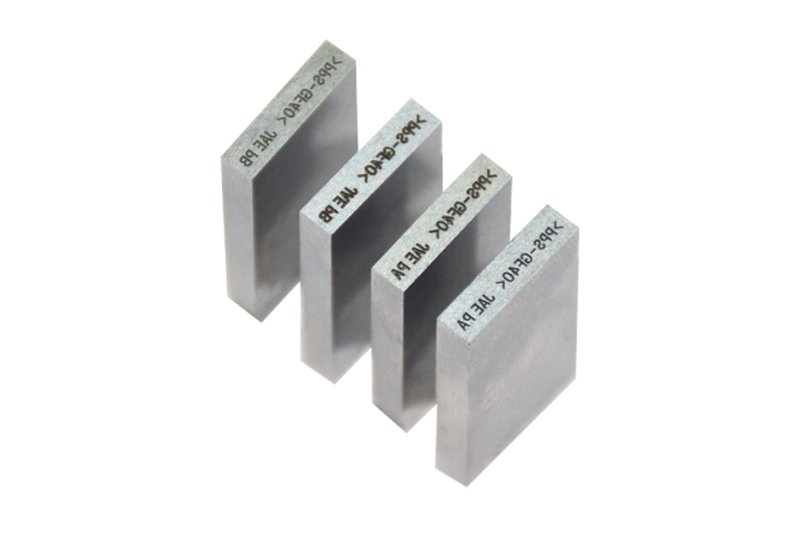
Plastic film parts · Precision mold insert
Automotive Connector Parts – Universal Electrical Connectors & Terminals
Brand Xuxiang Mold
Availability Made to drawing
RFQ pricing
Quote from STEP / PDF & quantity
Keep every circuit in your vehicle safe, solid, and easy to service with high‑quality automotive connector parts. Designed for automotive wiring harnesses, these connectors, housings, and terminals help you repair or build reliable electrical systems without guesswork. Whether you are replacing a damaged plug, adding accessories, or building a custom loom, you can count on secure locking mechanisms and corrosion‑resistant contacts. The compact designs help you route wiring neatly in tight engine bays and interior panels. Upgrade your next project with automotive connector parts that are built for long‑term performance in harsh on‑road and off‑road conditions.
- ISO 9001:2015–oriented process & documented inspection paths
- Zeiss / Nikon class metrology available for critical dimensions
- DFM feedback from 10+ senior tooling engineers
- Dongguan HQ + Quanzhou capacity for volume programs
Reliable Automotive Connector Parts for Every Wiring Project
Automotive electrical systems depend on far more than just wire quality and fuse rating; the integrity of each connection is just as critical. High‑quality automotive connector parts provide the physical and electrical interface between wiring harnesses, sensors, control modules, and accessories throughout a vehicle. From the engine bay to the tail lamps, each connector must withstand vibration, temperature changes, moisture, and contaminants while still maintaining a low‑resistance, secure contact.
This product category covers a broad range of components, including connector housings, male and female terminals, weatherproof seals, and related accessories used to create or repair automotive wiring looms. Compatible with common wire sizes used in passenger cars, trucks, off‑road vehicles, and motorsport applications, these parts allow enthusiasts, professional technicians, and OEM builders to produce safe, serviceable connections without relying on improvised solutions.
Compared with generic electrical connectors, automotive‑grade parts are designed around real vehicle conditions. Many options include positive locking tabs, keying features to prevent mis‑mating, and optional secondary locks to hold terminals in place even under high vibration. Weather‑resistant versions add grommets and seals to keep out water and dust, helping reduce intermittent faults and corrosion over the service life of the vehicle.
Key Features & Benefits
Choosing the right automotive connector parts brings both immediate and long‑term advantages for your wiring projects:
- Automotive‑grade reliability: Connectors and terminals are designed for in‑vehicle use, helping resist vibration, heat, and exposure to fluids better than general‑purpose plugs.
- Secure mechanical locking: Many housings use positive latch mechanisms and keying so each connector mates only with its matching pair and stays locked during operation.
- Consistent electrical performance: Properly crimped terminals provide low‑resistance contacts that help maintain stable voltage and signal integrity to sensors, lights, and ECUs.
- Weatherproof options: Seal kits, grommets, and specialized housings help protect critical circuits in engine bays, under‑body runs, and off‑road applications against water ingress and corrosion.
- Serviceability and modularity: Using standardized connector parts allows future diagnostics, repairs, and upgrades without cutting into the original harness, saving time and preserving reliability.
- Neat, professional appearance: Matched housings, terminals, and boots help keep wiring organized and visually consistent, which is especially important for custom builds and show vehicles.
Whether you are troubleshooting an intermittent headlamp, wiring an aftermarket ECU, or building a complete custom harness for a race car, these connector parts give you the flexibility to achieve OEM‑grade or better results.
Specifications & Attribute Overview
The following table summarizes typical attributes you should consider when selecting automotive connector parts for your project. Values can vary between specific connector series, so treat these as descriptive guidelines rather than exact specifications.
| Attribute | Description |
|---|---|
| Connector Type | Inline, bulkhead, sensor, lighting, power distribution, and multi‑pin harness connectors |
| Number of Positions | Single‑pin, 2–6 pin small signal, and multi‑pin connectors for complex harness branches |
| Contact Style | Male/female crimp terminals, blade terminals, pin and socket contacts, and tab connections |
| Wire Compatibility | Designed for common automotive wire sizes; select terminals according to the wire gauge used |
| Insulation Support | Terminals shaped to grip both bare conductor and insulation for strain relief when crimped correctly |
| Housing Material | Durable, heat‑resistant engineering plastics suitable for under‑dash and under‑hood environments |
| Contact Material | Copper‑based alloys with protective plating to balance conductivity and corrosion resistance |
| Sealing Options | Available with individual wire seals, perimeter gaskets, or unsealed for interior use |
| Locking Mechanism | Integrated latch tabs, secondary terminal locks, and keying to prevent mismatched connections |
| Typical Applications | Engine sensors, lighting circuits, fuel system components, cabin electronics, and accessory power |
Common Use Cases & Who These Parts Are For
Automotive connector parts are used across a wide range of vehicles and projects. Some of the most common scenarios include:
- Repairing damaged factory connectors: Replace cracked housings, corroded terminals, or melted plugs at headlights, coil packs, fuel injectors, and other critical points without replacing the entire harness.
- Installing aftermarket accessories: Add driving lights, auxiliary power outlets, audio equipment, cameras, or sensors using matched connectors instead of tap‑splicing into existing wiring.
- Building custom wiring harnesses: For kit cars, engine swaps, track cars, and restoration projects, use standardized connectors to build organized, easy‑to‑service looms that match or exceed OEM quality.
- Motorsport and off‑road applications: Pair robust, sealed connectors with proper looming to handle high vibration, frequent wash‑downs, and exposure to mud and dust without losing electrical continuity.
- Fleet maintenance and light commercial vehicles: Keep common connector parts on hand to reduce downtime for trucks, vans, and service vehicles when electrical issues arise.
These parts are ideal for professional auto electricians, DIY enthusiasts with a good understanding of vehicle wiring, and workshop owners who want to standardize repairs and upgrades. When combined with quality wire, looming, and protective conduit, they form the backbone of reliable automotive electrical systems.
Selection, Installation & Care Tips
Selecting the correct automotive connector parts is essential to safety and performance. Begin by identifying the circuit type (power, ground, signal, or communication), environmental exposure, and the current or signal level carried by the connector. For under‑hood or external locations, prioritize sealed, weather‑resistant designs. For interior circuits, compact, unsealed connectors may be sufficient and easier to package behind trim panels.
Always match the terminal type and size to the wire gauge and insulation thickness you are using. Using an undersized or oversized terminal can lead to poor crimps, high resistance joints, or premature failure. Where possible, use a dedicated crimp tool compatible with the terminal style to achieve consistent, factory‑like crimps. Avoid soldering directly to terminals designed for crimping, as excessive heat can weaken both the metal and the surrounding plastic housing.
During installation, route wires so they are not under tension at the connector and avoid sharp bends right at the housing. Use loom, tape, or conduit to support and protect wiring, and secure harnesses to the body or frame with clips or ties to reduce vibration. For sealed connectors, ensure each wire seal is seated properly and that any perimeter gasket is free from debris before mating the connector halves.
Ongoing care is usually minimal when the correct parts are chosen. However, during routine maintenance or troubleshooting, inspect connectors for signs of overheating, corrosion, broken latches, or moisture ingress. Gently disconnect connectors by the housing, not the wires, and verify that terminals remain locked in place. Replacing a loose or damaged connector promptly can prevent more serious electrical issues later.
By paying attention to connector quality, correct selection, and proper installation techniques, you can significantly improve the reliability of any automotive electrical project, from simple accessory wiring to full custom harness construction.
FAQ
How do I know if these automotive connector parts will fit my vehicle?
Compatibility depends on connector style, number of pins, and wire size rather than vehicle brand alone. Compare the shape, locking tabs, and pin layout of your existing connector, and choose parts that match those features. When in doubt, consult your service manual or an auto electrician.
Can I use these connectors for high‑current circuits like starters or alternators?
Most automotive connector parts in this category are designed for sensor, lighting, and accessory circuits, not extreme high‑current paths. For starter or main charging cables, use purpose‑built high‑current terminals and lugs rated for those loads, and follow applicable safety guidelines.
What tools do I need to install the terminals correctly?
A quality ratcheting crimp tool matched to your specific terminal style is strongly recommended. In addition, wire strippers, small picks for terminal release, and basic multimeter checks can help you achieve professional, reliable connections.
Are the connectors weatherproof and suitable for engine bay use?
Many connector families include sealed versions with wire grommets and housing gaskets that are suitable for engine bay, under‑body, or exterior mounting. Always choose sealed connectors for locations exposed to water, road spray, or heavy contamination.
Can I reuse old terminals or housings when repairing a harness?
Reusing components is not recommended if they show signs of corrosion, deformation, broken latches, or heat damage. New terminals and housings help ensure reliable contact pressure and locking, reducing the risk of intermittent faults.
How should I care for and clean my connectors over time?
During routine vehicle maintenance, visually inspect exposed connectors for moisture, dirt, or corrosion. If cleaning is required, disconnect the battery, unplug the connector, and use an appropriate electrical contact cleaner. Allow everything to dry completely before reconnecting.
What is the return or warranty policy if a connector part is not suitable?
Warranty and returns depend on the retailer or brand you purchase from. In general, unused and undamaged connector parts can be returned within the supplier’s specified period. Check the store’s policy before buying, especially when ordering multiple variants for a project.
Do these automotive connector parts come pre‑assembled or as separate pieces?
Many connector systems are supplied as separate housings, terminals, and seals so you can configure them to your specific wire lengths and gauges. Some kits include a selection of pieces, while others are sold individually so you can order only what you need.
Can these connectors be used on motorcycles, boats, or off‑road equipment?
Yes, automotive‑grade connector parts are often suitable for motorcycles, powersports, off‑road vehicles, and some marine applications, provided you choose sealed versions for harsh environments and verify compatibility with your wiring.
Is soldering required in addition to crimping the terminals?
No. Properly executed crimps with the correct tool provide both mechanical retention and electrical contact. Adding solder can sometimes introduce stiffness and stress points. Follow the terminal manufacturer’s recommended crimping practices for best results.
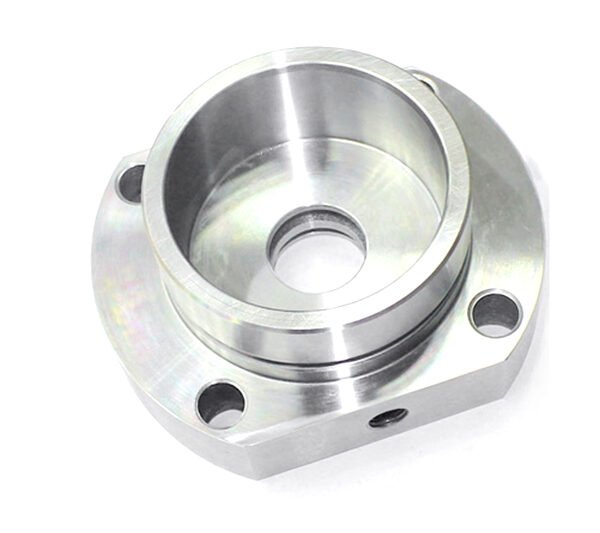
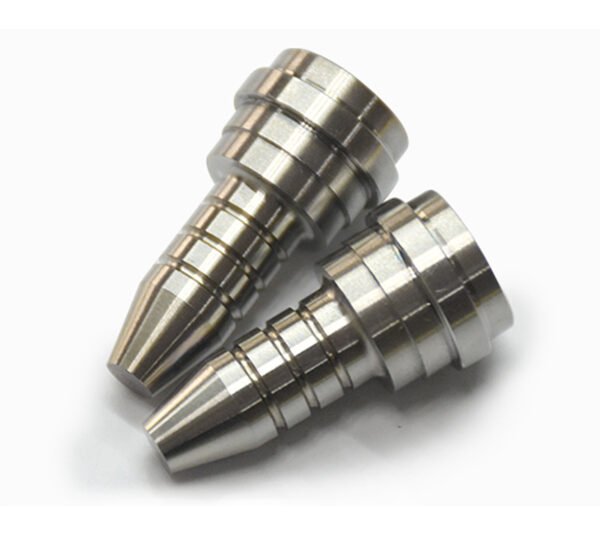
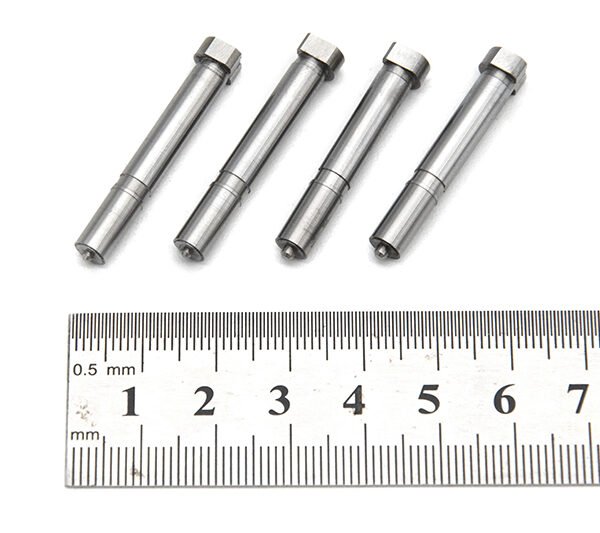
Same drawing, predictable results—next batch
Share revision, quantity ramp, and inspection level. We quote process route, ship date, and documentation in one structured response.