
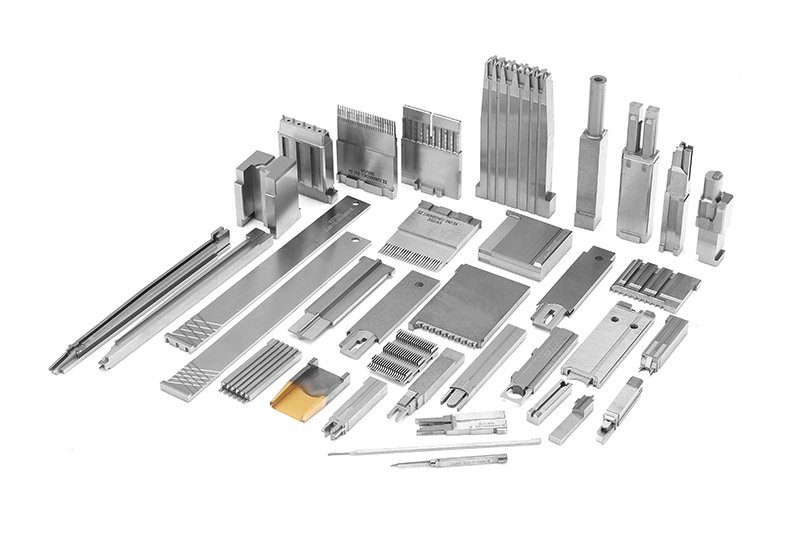
Plastic film parts · Precision mold insert
Board to Board, FPC, RF Mold Parts – Precision Connector & RF Molding Components Board to board, FPC,RF mold parts
Brand Xuxiang Mold
Availability Made to drawing
RFQ pricing
Quote from STEP / PDF & quantity
Engineered for modern electronics, these Board to Board, FPC, RF mold parts provide a reliable foundation for high-density, high-frequency designs. Integrating precision connector interfaces with durable molded RF structures, they help you achieve compact layouts without sacrificing signal integrity. Ideal for consumer, automotive, IoT and industrial devices, each part is designed for stable mechanical support and consistent RF performance. Use them to shorten development cycles, streamline assembly, and enhance long-term reliability in demanding environments.
(Board to board, FPC,RF mold parts)
- ISO 9001:2015–oriented process & documented inspection paths
- Zeiss / Nikon class metrology available for critical dimensions
- DFM feedback from 10+ senior tooling engineers
- Dongguan HQ + Quanzhou capacity for volume programs
Board to board, FPC,RF mold parts
Board to Board, FPC, RF Mold Parts – What They Are
These Board to Board, FPC, RF mold parts are a family of precision components designed to simplify the mechanical and electrical integration of printed circuit boards (PCBs), flexible printed circuits (FPCs), and RF signal paths in compact electronic assemblies. Drawing on connector technologies such as board-to-board mezzanine systems, FFC/FPC connectors and RF interface hardware, this product group combines reliable interconnects with molded RF structures and housings suitable for high-frequency use.
In many devices, rigid PCBs must interface with flexible circuits to bridge tight spaces, moving sections or 3D architectures. FPC connectors are specifically designed to connect flexible printed circuits to PCBs while maintaining signal integrity in narrow spaces and under mechanical stress. Board-to-board connectors then create stackable, multi-board systems with controlled spacing, while RF mold parts protect and route high-frequency lines, shielding them from interference and ensuring consistent impedance.
Together, these parts give design engineers a modular toolkit to solve three common challenges at once:
- Mechanical joining of boards and flex circuits
- Electrical connectivity for power, high-speed digital and RF signals
- Environmental and RF protection through robust molded structures
The result is cleaner layouts, reduced wiring complexity and improved long-term reliability in applications ranging from smartphones and wearables to automotive modules, industrial controllers and RF front-end units.
Key Features & Benefits
When you integrate these Board to Board, FPC, RF mold parts into your design, you gain several key advantages.
Optimized for Board-to-Board and FPC Connections
- Space-saving geometry: Low-profile connector and mold designs help reduce overall system height and footprint, enabling slimmer devices and denser layouts.
- Support for flex and rigid boards: Components are suitable for connecting FPC to rigid PCBs as well as stacking or edge-joining rigid boards in multi-layer assemblies.
- Mechanical strain relief: Molded housings and guided mating features help minimize stress on solder joints and traces, enhancing durability in environments with vibration or movement.
RF-Ready Construction
- High-frequency signal support: RF mold parts and related interfaces are designed to carry RF and microwave signals with minimal insertion loss and reflection when correctly matched and laid out.
- Improved shielding: Molded RF structures can help reduce electromagnetic interference (EMI) by enclosing and routing sensitive lines, especially when combined with appropriate grounding and shielding material.
- Stable performance over time: Proper RF molding and controlled contact geometry contribute to consistent impedance and repeatable electrical behavior across multiple mating cycles.
Reliability and Service Life
- Secure locking and retention: Many board-to-board and FPC-style connectors employ locking mechanisms or friction-fit designs to prevent accidental disconnection under shock and vibration.
- Corrosion-resistant materials: Conductive and molded parts typically use plated metals and engineered polymers to withstand common industrial and consumer environments.
- Reduced wiring complexity: Direct board-to-FPC connections and RF molds often eliminate the need for separate harnesses or coaxial jumpers, reducing assembly steps and potential failure points.
Design Flexibility
- Multiple orientations: Suitable for vertical or horizontal board stacking, parallel or perpendicular configurations, and flex-to-board transitions along edges or mid-board.
- Support for automated assembly: Many components are compatible with SMT reflow processes and automated pick-and-place handling, helping you scale production efficiently.
- Customizable RF molds: RF mold parts can be tailored around your target frequency range, connector style and mechanical mounting requirements, allowing highly integrated module designs.
Specifications & Key Attributes
The exact specifications of Board to Board, FPC, RF mold parts will vary by selected configuration, pitch, contact count and RF performance target. The table below summarizes typical attributes and the kind of options you can expect when selecting these components.
| Attribute | Description |
|---|---|
| Interconnect Type | Board-to-board mezzanine, FPC-to-board connectors, and RF interface mold parts for high-frequency lines |
| Typical Applications | Consumer electronics, automotive modules, industrial controls, IoT devices, RF front-end and communication systems |
| Mounting Style | Surface-mount technology (SMT) and/or through-hole, depending on connector family and RF mold configuration |
| Supported Media | Rigid PCBs, flexible printed circuits (FPC/FFC), and RF signal traces or miniaturized coaxial transitions |
| Pitch & Density | Fine-pitch, high-density layouts suitable for compact electronics; specific pitch options depend on series selection |
| Signal Types | Power distribution, high-speed digital data lines and RF/microwave signals, as defined by the chosen components |
| Materials | Engineered thermoplastics for molded parts; copper alloy contacts with protective plating for connectors |
| Environmental Performance | Designed for robust operation in typical device operating temperature and humidity ranges; application-specific ratings vary |
| Compliance & Standards | Many families are offered with industry-compliant materials and processes; refer to the chosen product series for detailed certifications |
| Customization Options | Potential for tailored contact counts, mounting footprints, mold geometry and RF path integration for OEM projects |
Use Cases & Who It Is For
Board to Board, FPC, RF mold parts are ideal for engineers and purchasing teams working on compact or RF-sensitive electronic systems.
Typical Applications
- Mobile and consumer devices: Smartphones, tablets, wearables and handheld terminals often rely on FPC-to-board connections and RF molding to save space and improve RF performance.
- Automotive electronics: Instrument clusters, infotainment units, ADAS modules and telematics systems benefit from vibration-resistant board-to-board and FPC connectors with robust RF paths.
- Industrial and IoT equipment: Gateways, sensors, PLC modules and remote monitoring units use these parts for stacked PCB architectures and integrated RF modules where reliability is critical.
- Networking and communication: Small RF front-end modules, wireless access points and radio boards need molded RF paths and precise connectors for consistent high-frequency behavior.
Who Benefits Most
- Hardware design engineers looking for proven building blocks to shorten development cycles and minimize layout iterations.
- Procurement and sourcing teams seeking standardized, scalable interconnect and RF solutions that can be qualified across multiple projects.
- Manufacturing engineers who need components that support automated assembly, clear orientation and robust handling during production.
- OEM and ODM device makers requiring a flexible, customizable platform for high-volume production of compact electronics.
Selection & Buying Guidance
Choosing the right Board to Board, FPC, RF mold parts for your project involves understanding both your electrical and mechanical requirements. Consider the following guidelines when specifying components:
- Define your interconnect topology: Determine how many boards and flex circuits you must join, their relative orientation, and the available board edge or mid-board space.
- Clarify signal requirements: Separate power, low-speed control, high-speed digital and RF lines, and ensure that your connector pitch and RF molds can support the necessary bandwidth and current capacity.
- Check mechanical constraints: Overall device thickness, gasket or shield heights, and required clearance for neighboring components can influence the stack height and footprint of board-to-board and FPC connectors.
- Assess environmental conditions: Consider operating temperature, humidity, vibration, and potential exposure to contaminants; select parts that meet or exceed these conditions.
- Plan for assembly: Confirm compatibility with your reflow profile, pick-and-place processes, inspection steps and any rework procedures that may be required in production.
- Review documentation: For each specific connector or RF mold series, consult the manufacturer’s datasheets, recommended PCB patterns, and RF design notes to optimize performance.
By evaluating these points early in the design phase, you can select Board to Board, FPC, RF mold parts that not only meet your technical requirements but also simplify your supply chain and production workflow.
FAQ
Are these Board to Board, FPC, RF mold parts compatible with my existing PCB design?
Compatibility depends on your PCB layout, pitch requirements and signal types. Review the footprint, stack height and recommended land patterns for the specific connector or RF mold series you plan to use, and compare them with your current design. In many cases, only minor layout adjustments are needed to adopt these parts.
Can I use these components for high-frequency RF signals?
Yes, RF mold parts and associated interconnects are intended to support RF and microwave signals when designed with proper impedance control, grounding and shielding. Always follow the manufacturer’s RF design guidelines and perform simulation or lab validation at your target frequencies.
What should I consider for mechanical reliability in high-vibration environments?
In high-vibration applications, prioritize versions with locking features or strong retention mechanisms, ensure robust solder joints with correct pad design, and consider additional mechanical support such as mounting bosses or brackets. Carefully route FPCs to avoid sharp bends at the connector interface.
How are these parts shipped and packaged?
Most Board to Board and FPC connectors, as well as RF mold components, are supplied in tape-and-reel or tray packaging suitable for automated assembly. Packaging details will vary by series, so confirm the packaging type and reel quantities when placing orders.
Do I need special tools to assemble or mate these connectors?
Standard SMT assembly equipment is typically sufficient for mounting. In many cases, mating and unmating can be done by hand, although care should be taken to follow the recommended insertion and extraction procedures. For FPC connectors, ensure the flex cable is aligned and fully inserted before engaging any locking mechanism.
What kind of maintenance or inspection is recommended over the product lifetime?
These parts generally require minimal maintenance in normal operation. Periodic visual inspection for damage, contamination or loose connections is advisable in critical systems. Avoid using abrasive cleaners; if needed, use approved contact cleaning methods specified by the connector manufacturer.
Can I return or replace parts if they are not suitable for my design?
Return and replacement policies depend on your distributor or supply agreement. Many suppliers allow returns of unopened, standard-stock items within a specified period, while custom or modified parts may have more restrictive conditions. Verify these terms before placing volume orders.
How should I store unused connectors and RF mold parts?
Store components in their original packaging in a clean, dry environment, away from direct sunlight, corrosive atmospheres and extreme temperatures. Proper storage helps maintain solderability and prevents contamination of critical RF and contact surfaces.
Can these parts be customized for my specific project?
Many manufacturers offer custom options such as unique contact counts, tailored RF mold geometry or special materials. For OEM volumes, contact your supplier or the component manufacturer with your mechanical drawings and electrical requirements to explore customization.
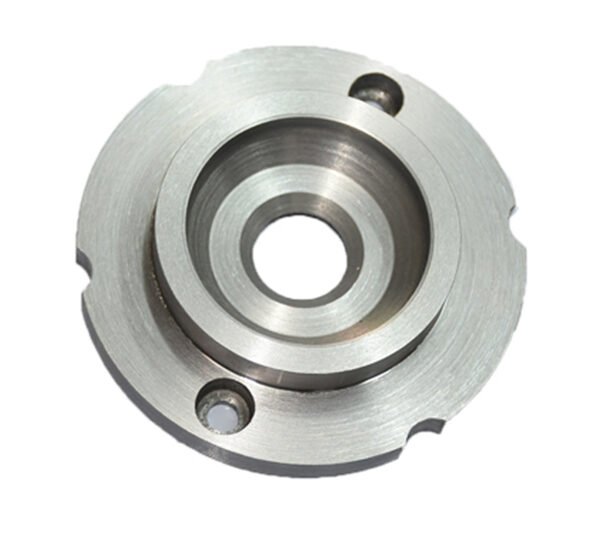
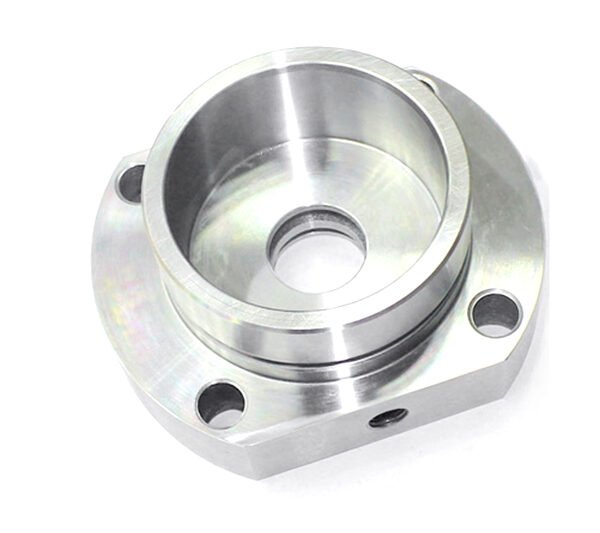
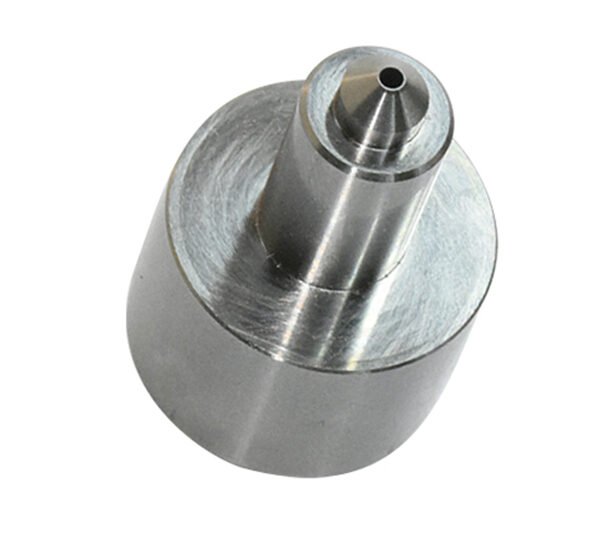
Same drawing, predictable results—next batch
Share revision, quantity ramp, and inspection level. We quote process route, ship date, and documentation in one structured response.